5901 Botham Jean Blvd, Dallas, TX 75215
Red Brass vs. Yellow Brass Price: What’s the Difference in Scrap Value?
January 7, 2026Understanding the distinction between red and yellow brass is crucial for maximizing returns when recycling scrap metal. As a copper-based alloy, brass is a valuable non-ferrous metal, but the price difference between its red and yellow variants can be significant. Red brass generally commands a higher price per pound due to its higher copper content and superior metallurgical properties.
The difference stems from composition. Red brass contains approximately 85 percent copper, while yellow brass typically holds 60 to 70 percent copper content. Since copper drives the value in brass recycling, this composition gap translates directly into pricing advantages. Current market rates in early 2026 show red brass fetching a premium over yellow brass, though these figures fluctuate with global copper markets and industrial demand.
For businesses and municipalities managing large-scale recycling operations, this price differential can significantly impact overall returns. Proper identification and separation of brass types ensures optimal compensation from your professional recycling partner. Understanding these fundamentals helps recycling professionals make informed decisions about material handling and processing strategies.
How Do Current Scrap Prices for Red and Yellow Brass Compare?
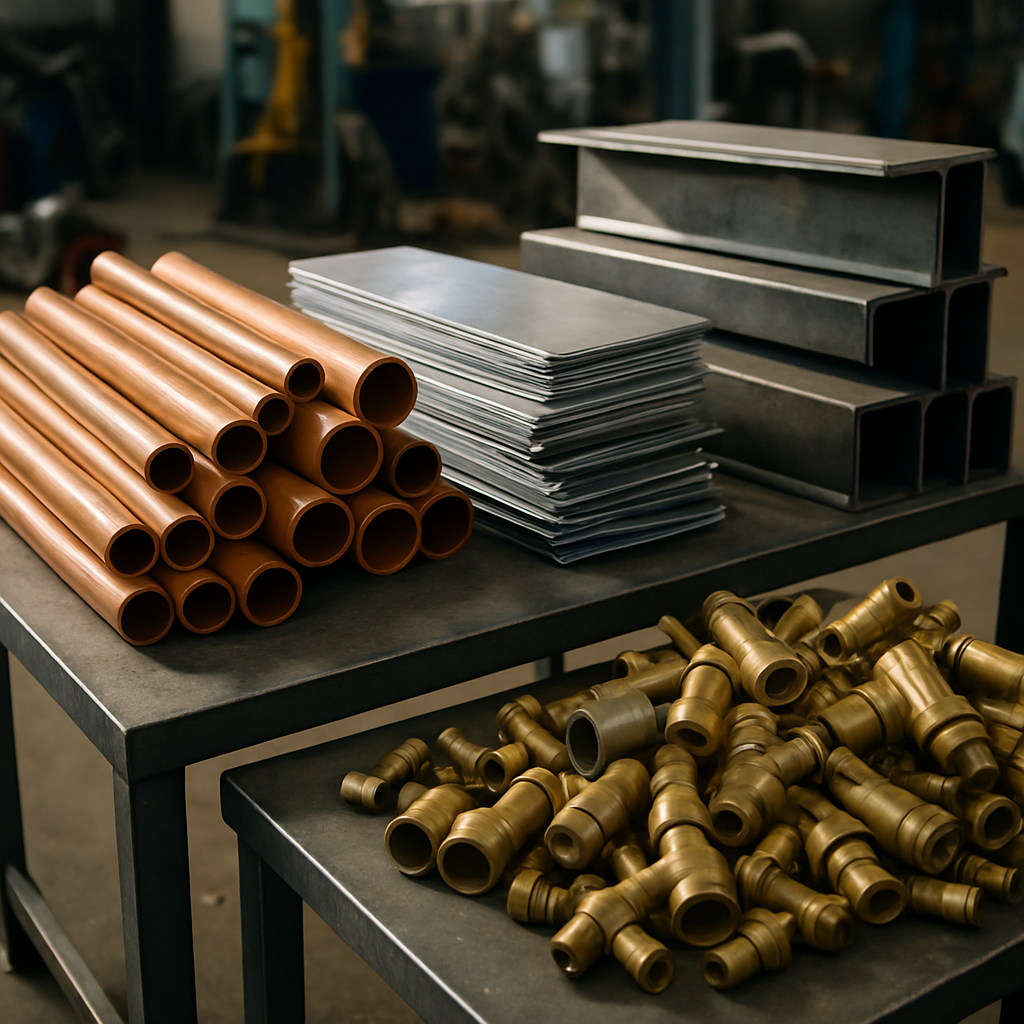
Red brass consistently commands higher prices than yellow brass at professional recycling centers. Current market data shows red brass selling at a significant premium, while clean yellow brass serves as a baseline for high-volume non-ferrous scrap. This price premium arises specifically from the high copper-to-zinc ratio found in the red alloy.
Material condition significantly impacts pricing for both brass types. Clean red brass, free from solder and paint, maintains its premium position. Even contaminated red brass often outperforms clean yellow brass in terms of per-pound value. Clean yellow brass typically fetches a competitive rate but is more susceptible to price drops if non-metallic attachments are present.
Contamination drastically reduces scrap values. “Dirty” brass containing iron, plastic or rubber attachments requires additional labor to process, which is reflected in the final payout. Even “irony” brass, which has minimal iron contamination, sells for significantly less than clean material. This highlights the importance of on-site preparation before materials are transported to the recycling facility.
| Brass Type | Copper Content | Typical Condition | Relative Payout |
|---|---|---|---|
| Red Brass (Clean) | 85% | No solder, paint or iron | Premium |
| Yellow Brass (Clean) | 60-70% | No attachments or lead | High |
| Dirty/Mixed Brass | Variable | Solder, plastic, or iron present | Moderate |
| Irony Brass | Variable | Significant steel/iron attachments | Lowest |
The Industrial Metallurgy of Brass: Why the Distinction Matters
To the untrained eye, brass might appear to be a single category of metal. However, for industrial manufacturers and scrap specialists, the specific alloy series dictates how the material must be handled and what it can be repurposed for in the secondary market.
Alloy Series and Chemical Properties
Red brass is often classified in the C83600 or C84400 alloy series. Beyond copper and zinc, it frequently contains small amounts of tin and lead, which improve its machinability and corrosion resistance. Yellow brass, often found in the C20000 to C40000 series, has a higher zinc content, which makes it harder and more brittle than its red counterpart. This difference in ductility and tensile strength is why red brass is preferred for heavy-duty plumbing valves while yellow brass is utilized for decorative hardware and fasteners.
Oxidation and Aging Characteristics
One of the easiest ways to distinguish the two on an industrial site is by observing how the metal ages. When exposed to the elements, yellow brass tends to develop a dull, brownish patina or even a “dezincification” layer that can look white and powdery. Red brass, due to its high copper content, often develops a classic “penny-like” dark brown or even a slight green verdigris over long periods. Scrap managers can use a simple file test: scratching the surface of the metal will reveal a deep, reddish-gold color for red brass and a bright, pale-lemon color for yellow brass.
Why Is Red Brass More Valuable Than Yellow Brass?
The primary reason for the price difference is the metal’s composition. Red brass contains approximately 85 percent copper, whereas yellow brass typically contains 60 to 70 percent copper. This significant difference in copper content directly affects the scrap value at recovery facilities.
Copper is the valuable base metal that drives brass pricing in the recycling market. Since copper trades at much higher prices than zinc on global commodity markets, brass alloys with higher copper percentages command premium rates. When copper prices increase on major trading platforms like the London Metal Exchange (LME), red brass prices rise more sharply than yellow brass.
Industrial demand also supports the higher value of red brass. The increased copper content provides enhanced corrosion resistance and durability. Industries like plumbing, marine engineering and heavy construction prefer red brass for critical applications. This consistent demand helps maintain stronger pricing compared to the more common yellow brass, which is often used in lighter-duty decorative applications or mass-produced automotive fittings.
Market Trends 2026: The Global Demand for Secondary Brass
As we move through 2026, the global scrap metal market is undergoing a transformation driven by the energy transition and stricter environmental regulations. These trends are directly impacting how brass is valued in North Texas and beyond.
The Copper Shortage and “Honey Brass”
Analysts predict a global copper supply deficit over the next decade. Because red brass is such a high-quality source of secondary copper, its demand is expected to remain “bullish.” In the scrap world, high-quality, clean yellow brass is often referred to as “Honey Brass.” As primary copper mines face operational challenges, secondary smelters are increasingly relying on high-grade brass “Honey” and red brass scrap to meet their production quotas, leading to tighter spreads and higher payouts for industrial sellers.
Lead-Free Mandates and New Alloys
New environmental regulations in 2025 and 2026 have pushed manufacturers toward “lead-free” brass alloys. These new materials often use bismuth or silicon as a replacement for lead. For the recycler, this adds a layer of complexity; mixing leaded and lead-free brass can contaminate an entire melt. Professional recycling facilities now use handheld X-Ray Fluorescence (XRF) scanners to instantly identify these new alloys, ensuring that lead-free materials are kept separate to maintain their premium value for specialized industrial foundries.
What Other Factors Influence Brass Scrap Prices?
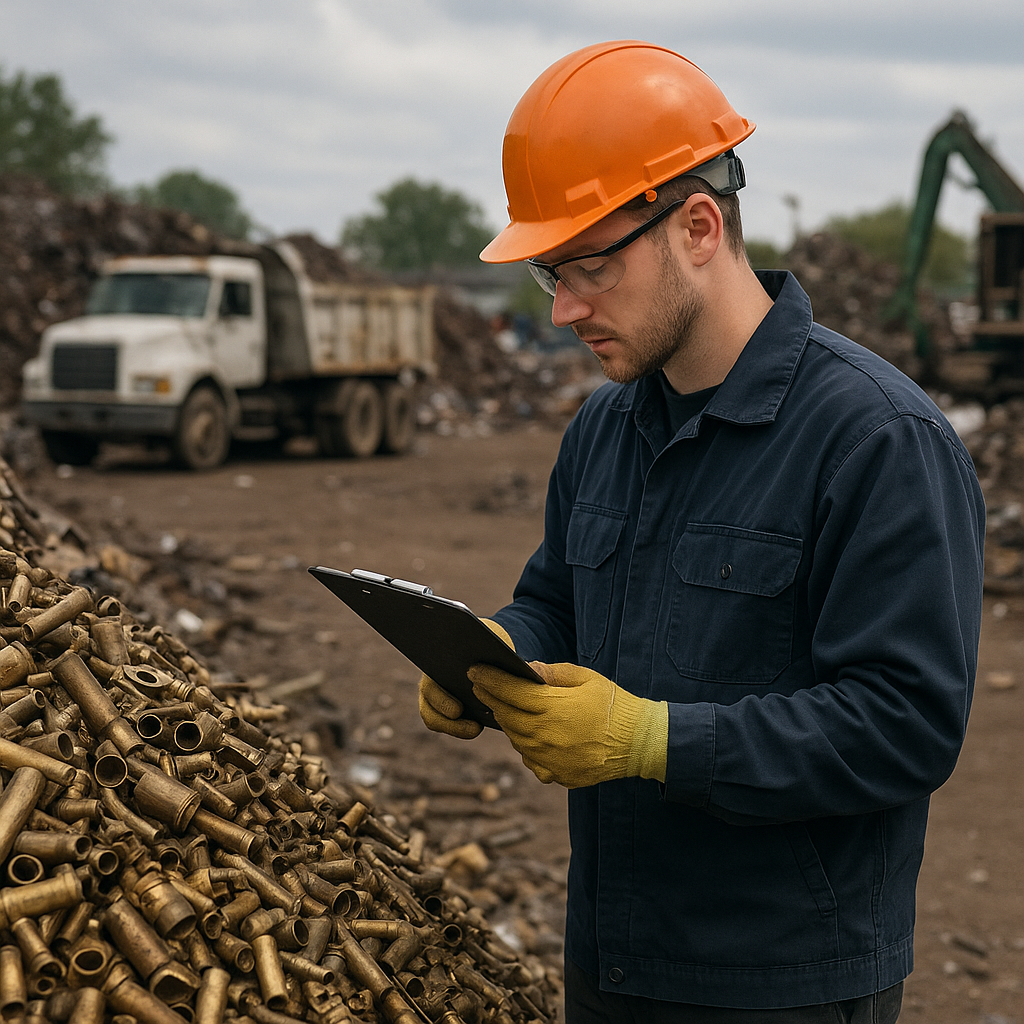
Understanding the factors that influence brass scrap prices helps recyclers maximize returns. While the specific brass type determines the baseline value, several additional elements significantly impact final pricing at the facility.
Material Quality and Cleanliness Standards
The cleanliness of brass scrap directly affects pricing. Contaminated materials require extra processing, which reduces their value. Contaminants include steel screws, plastic attachments, solder residue and paint coatings. Clean, sorted brass commands premium prices because it can be fed directly into a furnace with minimal secondary treatment. Brass is non-magnetic, making magnet testing an effective sorting method; if a magnet sticks, you likely have “irony brass” or steel plated in brass, which carries a much lower value.
Economic Influences and Logistics
Economic indicators shape brass scrap markets. During periods of economic growth, industrial and construction demand increases, driving up prices. Conversely, downturns may reduce demand. Additionally, the volume of material plays a role. Industrial facilities that can provide consistent, high-volume loads often qualify for better rates due to reduced handling costs per unit. Geography also matters; urban recycling hubs with easy access to rail or port infrastructure generally offer the most competitive pricing.
Maximizing Your Brass Scrap Value
Improving material quality increases payout potential. Follow these proven strategies for enhancing scrap value:
- Remove all non-brass components including steel screws, plastic fittings and rubber gaskets.
- Clean materials thoroughly to eliminate dirt, grease and heavy surface oxidation.
- Sort brass by grade (red vs. yellow) before arriving at the scale.
- Strip copper wires and separate higher-value materials like “Bright and Shiny” copper from brass fixtures.
- Use a magnet to verify your material is non-ferrous before delivery.
Conclusion: Maximize Your Payout by Sorting Brass
Red brass commands higher prices than yellow brass due to its higher copper content, typically around 85 percent compared to yellow brass’s 60 to 70 percent. Maximizing scrap value for any brass grade requires proper preparation and sorting. Cleaning your brass thoroughly and separating it from steel components and plastic attachments ensures recycling centers can efficiently process your materials and offer the highest possible scrap payouts.
Market conditions fluctuate regularly, so monitoring copper prices before delivery helps you time your recycling efforts strategically. By implementing systematic sorting practices and maintaining clean materials, businesses can significantly improve their returns from brass recycling. For professional brass recycling services that prioritize maximum value recovery and industrial transparency, contact Okon Recycling at 214-717-4083.
Send Us a Message
Questions about what we do? Interested in commercial services? Let us know below and a member of our team will get back to you.