5901 Botham Jean Blvd, Dallas, TX 75215
Recycle Manufacturing Brass Scrap in Austin: A Commercial Guide
January 30, 2026Manufacturing facilities across Austin generate thousands of tons of brass scrap annually. This copper and zinc alloy represents significant untapped value sitting in production waste streams. While many companies focus on primary manufacturing processes, brass shavings from grinding, drilling, and machining operations often get overlooked as potential revenue sources. In early 2026, as North Texas and Central Texas see a surge in high-tech manufacturing, the strategic recovery of these materials has become a hallmark of operational efficiency.
Brass recycling delivers measurable benefits for Austin’s industrial sector. Companies can transform manufacturing waste into supplemental income while supporting sustainable practices that align with the city’s environmental goals. The process reduces landfill waste, conserves natural resources, and helps offset manufacturing overhead costs. Austin’s strong push toward sustainability makes brass recycling both an environmental responsibility and a strategic business decision.
This durable alloy maintains its value through multiple recycling cycles without losing quality or properties. Manufacturing brass scrap typically commands higher prices than ferrous metals due to its high copper content and relative scarcity. For Austin businesses seeking to optimize their waste management strategies, brass recycling represents a practical solution that supports both the local economy and environmental stewardship.
Where Is Brass Scrap Commonly Found in Manufacturing?
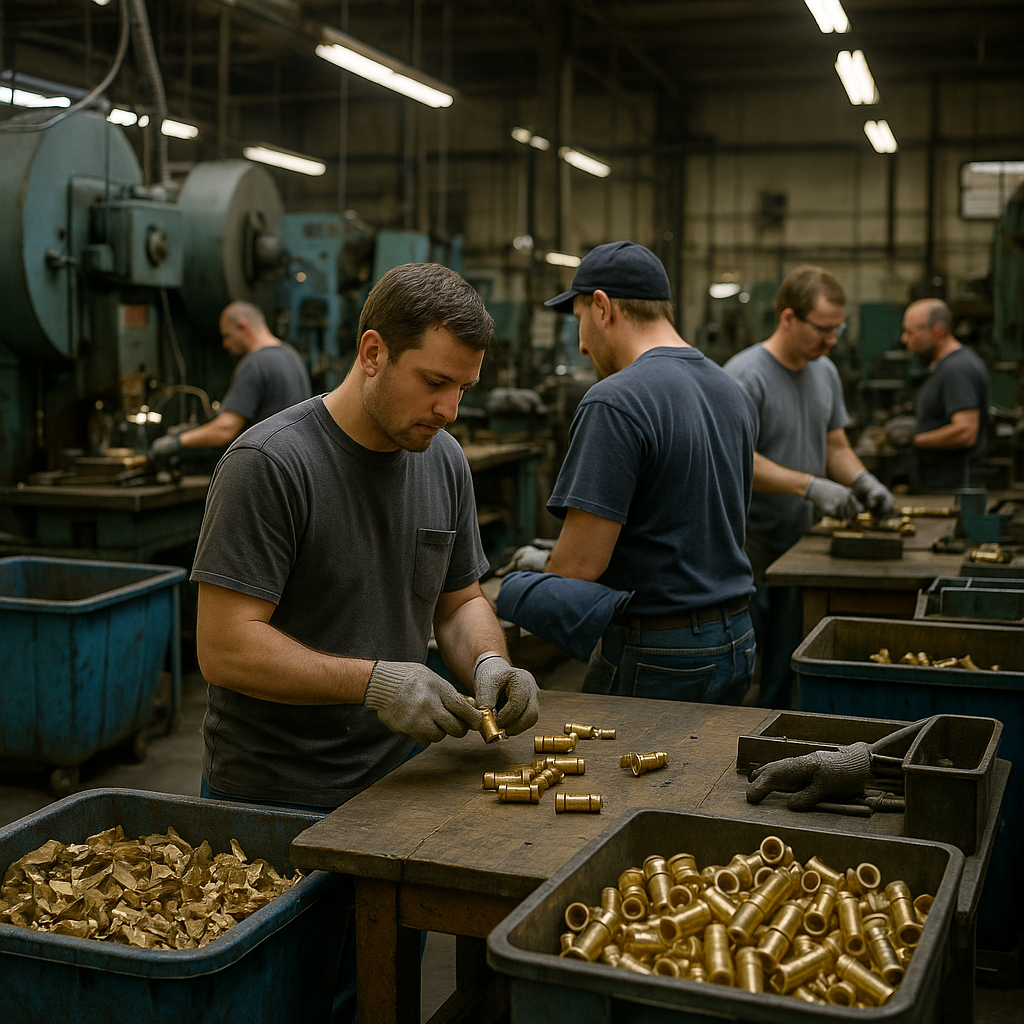
Manufacturing facilities generate brass scrap through countless industrial processes and applications. We see consistent brass waste streams from machining operations, component manufacturing, and assembly processes across multiple industries. These sources provide steady material flows for our recycling operations throughout the Austin metropolitan area.
Manufacturing and machining operations produce some of the highest-quality brass shavings and filings. CNC machining centers, drilling operations, and boring processes create valuable brass chips during component production. These brass shavings often come from precision parts manufacturing for the automotive, aerospace, and electronics industries, which have established strong footholds in the Central Texas corridor.
Construction and plumbing industry sources
The construction industry supplies significant brass scrap volumes through plumbing installations and renovations. Pipe fittings, valves, and faucets represent major brass sources when buildings undergo updates or demolition. We regularly collect brass from plumbing parts, water meter components, valve assemblies, and architectural hardware. Demolition crews often encounter substantial brass quantities in older buildings, which they separate during salvage operations to capture the high-purity non-ferrous value.
HVAC and industrial equipment
Heating, ventilation, and air conditioning systems contain numerous brass components that require periodic replacement. Industrial brass from HVAC applications includes heat exchangers, valve bodies, and connecting hardware. These components experience wear from temperature cycling and corrosive environments. Industrial equipment manufacturers also generate brass waste through component maintenance, utilizing brass fittings in steam systems, hydraulic equipment, and pneumatic controls.
[[artifact_table]] Common Sources of Brass Scrap by Industry Sector [[/artifact_table]]Automotive, transportation, and defense
Automotive radiators represent one of the most valuable brass scrap sources in transportation. Vehicle cooling systems often rely on brass radiator cores and connecting tubes. Furthermore, the defense industry generates brass through spent ammunition shells. Military facilities, shooting ranges, and ammunition manufacturers produce high-grade cartridge brass, which is highly sought after in premium recycling applications due to its consistent metallurgical properties.
Advanced Sorting Technology and Purity in 2026
As we navigate the industrial landscape of 2026, the technology used in scrap metal recovery has reached a new level of precision. Modern recycling facilities now utilize advanced sensor-based systems to ensure that Austin businesses receive the maximum market value for their specific alloys.
AI-driven color sorting and object recognition
In 2026, the recycling industry has adopted high-precision sorting units, such as the FINDER™ COLOR system, which uses ultra-precise RGB cameras and AI-powered object recognition. This technology allows for the automatic separation of brass from other mixed heavy metals with near-perfect accuracy. For a manufacturer, this means that even overlapping or adjacent materials on a conveyor belt are identified at the object level, preventing the “downgrading” of high-value brass into lower-priced mixed scrap. This high throughput ensures that large volumes of industrial “Zorba” or “Zurik” scrap are processed quickly and accurately.
Metallurgical verification through XRF and LIBS
To provide guaranteed pricing, professional recycling centers utilize X-ray Fluorescence (XRF) and Laser-Induced Breakdown Spectroscopy (LIBS) technology. These handheld and inline devices provide an instant chemical breakdown of brass alloys, verifying the exact copper-to-zinc ratio. In 2026, this level of transparency is essential for industrial clients who require auditable records of their scrap material purity for environmental compliance and financial reporting. By verifying the alloy grade on the spot, Austin businesses can capture the specific premium for high-copper “Red Brass” without the guesswork of traditional visual inspection.
Navigating Texas Scrap Metal Regulations and Compliance
Operating an industrial recycling program in Austin requires strict adherence to Texas state laws. Staying compliant is not only a legal necessity but also a protection for your company’s reputation and financial health.
Compliance with the Texas Metals Program
The Texas Department of Public Safety (DPS) regulates all Metal Recycling Entities (MREs) through the Texas Online Metals (TOM) database. Under the Texas Occupations Code, Chapter 1956, all transactions involving regulated materials—including brass and copper—must be reported electronically. This involves documenting the seller’s identification, capturing photographs of the material, and recording vehicle information. In 2026, these regulations have become more digitized to deter metal theft and ensure a transparent supply chain. Professional recyclers manage this documentation on behalf of their industrial clients, providing a clean audit trail for corporate facility managers.
Industrial solid waste and TCEQ reporting
For large-scale manufacturers, the Texas Commission on Environmental Quality (TCEQ) mandates specific reporting for industrial solid waste. Brass scrap that is properly managed for recycling is often excluded from certain hazardous waste regulations, provided it is stored in containers and kept free of contaminants like mercury or lead switches. Working with a professional partner ensures that your facility meets the notification requirements for receiving and recycling industrial waste, shielding your business from potential environmental fines and administrative penalties.
What Are the Different Grades of Brass Scrap?
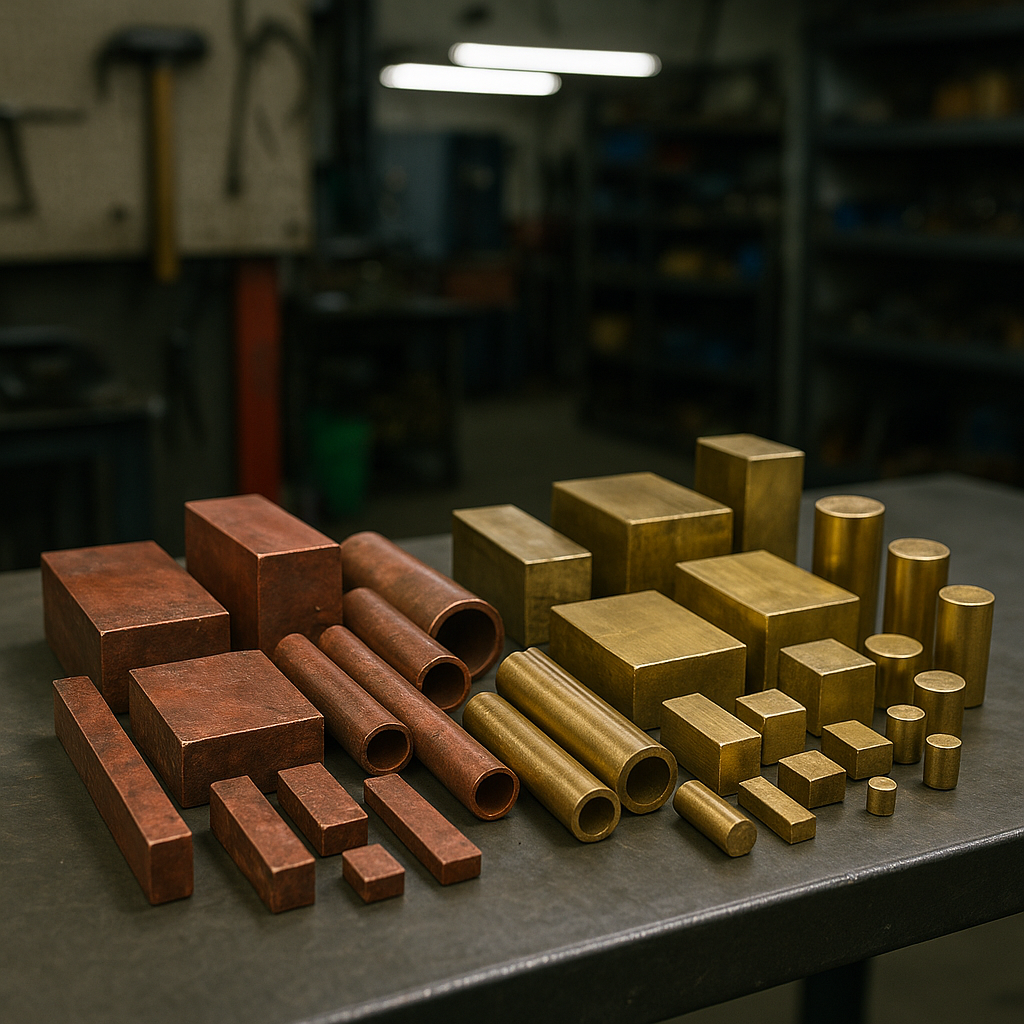
Brass scrap classification centers on copper content and material purity. The recycling industry recognizes three primary categories that determine processing methods and market value. Each grade requires different handling approaches and commands distinct pricing in the secondary metals market.
Red brass (Premium Grade)
Red brass represents the premium grade in scrap metal recovery. This alloy contains approximately 85 percent copper content, giving it a distinctive reddish-gold appearance when scratched. The Institute of Scrap Recycling Industries classifies red brass under the ISRI code “EBONY.” Common sources include high-durability plumbing fixtures, water meter components, and marine fittings. Its high copper concentration makes it the most valuable brass grade for industrial recovery.
Yellow brass (Industry Standard)
Yellow brass serves as the standard for high-volume recycling, typically containing around 60 percent copper. Known by the ISRI designation “HONEY,” its bright yellow color makes it easily recognizable. It appears frequently in decorative hardware, musical instruments, and automotive components. Items like door handles, cabinet hardware, and standard plumbing fittings commonly contain this alloy, which processes efficiently due to its widespread availability.
Dirty brass and contaminated loads
Dirty brass encompasses any brass material contaminated with foreign substances such as paint coatings, oil residue, plastic attachments, or steel components. These contaminants require mechanical or chemical removal before the material can be melted. Processing dirty brass involves additional labor and equipment costs, which significantly reduces its market value compared to clean grades. Austin businesses can maximize their ROI by performing basic de-manufacturing—such as removing steel screws or plastic gaskets—before the material reaches the scale.
[[artifact_table]] Brass Scrap Grade Comparison by Copper Content and Value [[/artifact_table]]How Can You Get the Best Price for Your Brass Scrap in Austin?
Proper separation and sorting form the foundation of maximizing brass scrap returns. In the early 2026 market, copper has hit historic highs, trading above $6.00 per pound, which has pushed brass prices upward as well. To capture this value, businesses should use a magnet to identify ferrous materials that need separation, as brass is non-magnetic.
Cleaning and preparation methods
Clean brass preparation separates profitable recyclers from those leaving money on the table. Strip copper wiring and fittings from brass components, as copper trades at higher rates than brass alloys. Remove paint, oil, and solder residues that would otherwise relegate your material to “dirty brass” pricing. Industry data shows that contaminated brass prices can be less than half of clean material rates, so a small investment in cleaning can double your payout.
Market timing and service options
Market rates fluctuate daily based on global demand and regional supply chain factors. Large quantity generators in Austin benefit from coordinating professional pickup services rather than multiple small deliveries. Many industrial facilities now use roll-off container programs and scheduled pickup routes that reduce transportation expenses while ensuring a consistent material flow. These services are particularly valuable for contractors managing large demolition projects or high-volume CNC machine shops where scrap accumulates rapidly.
Partner with Austin Recyclers to Turn Scrap into Revenue
Recycling manufacturing brass scrap represents a straightforward path for Austin businesses to support the circular economy while strengthening their bottom line. Proper sorting, cleaning, and scientific verification of brass materials ensure optimal pricing. In 2026, the combination of advanced sorting technology and a robust regulatory framework has made brass recovery a highly professional and profitable endeavor.
Austin’s established recycling infrastructure—spanning industrial container rental to on-site processing—streamlines scrap metal solutions for businesses of all sizes. From high-purity shavings to decommissioned industrial valves, these materials contribute to sustainable manufacturing while generating essential supplemental income.
For a comprehensive strategy that maximizes both your environmental impact and profitability, contact Okon Recycling at 214-717-4083.
Send Us a Message
Questions about what we do? Interested in commercial services? Let us know below and a member of our team will get back to you.