5901 Botham Jean Blvd, Dallas, TX 75215
Why Is Sustainable Metal Recycling in Lewisville Important?
January 27, 2026Steel recycling uses 60 to 74 percent less energy than producing steel from virgin ore, while aluminum recycling achieves an extraordinary 95 percent energy reduction compared to primary production. These energy savings translate directly into reduced greenhouse gas emissions and a lower environmental impact across North Texas communities like Lewisville. In 2026, as industrial expansion continues throughout the Dallas-Fort Worth Metroplex, local recycling facilities process thousands of tons of scrap metal annually, transforming what would otherwise become landfill waste into valuable resources for the global supply chain.
Lewisville businesses and residents benefit from comprehensive recycling services that address both environmental sustainability and economic efficiency. The Texas Commission on Environmental Quality (TCEQ) reports that metal recycling significantly reduces industrial emissions while preserving valuable natural resources like coal, iron, and other minerals. By diverting non-biodegradable materials from regional landfills, Lewisville organizations play a vital role in the transition to a circular economy.
What Types of Metals and Materials Can You Recycle?
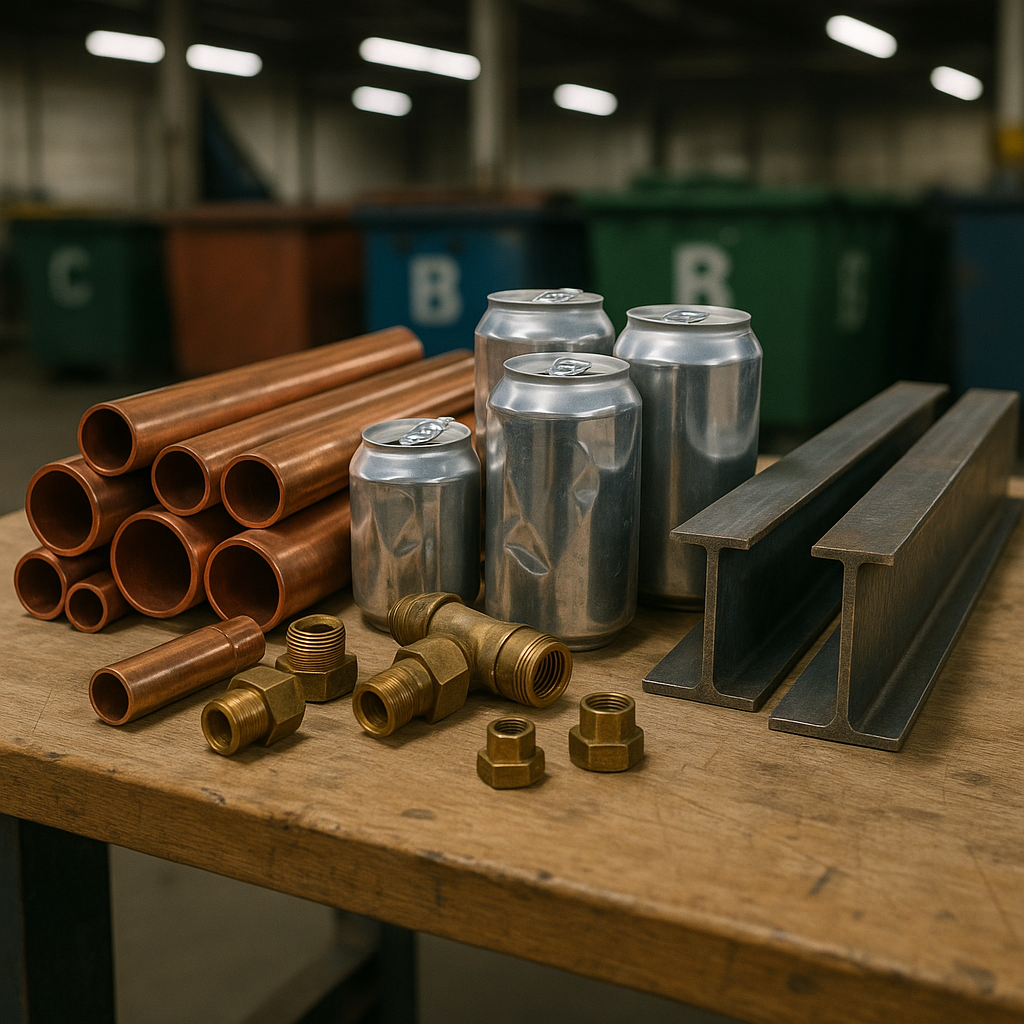
Recycling centers in Lewisville process both ferrous and non-ferrous metals from diverse sources across residential, commercial, and industrial sectors. Understanding these categories is the first step in optimizing a recycling program for maximum efficiency and financial return.
Ferrous metals
Ferrous metals contain iron and represent the largest volume of recycled materials in North Texas. These include steel cans from food and beverages, cooking pans, utensils, and structural steel from construction scrap. Iron-based materials maintain strong magnetic properties, making them easily identifiable during the sorting process. In the industrial sector, this includes heavy melting steel (HMS), plate and structural scrap (P&S), and rebar recovered from demolition sites.
Non-ferrous metals
Non-ferrous metals lack iron and command higher market values due to their resistance to corrosion and specialized applications in electronics and aerospace. Aluminum cans constitute a significant portion of residential recycling, while copper wire and tubing from construction projects provide substantial material recovery opportunities. Brass fittings, lead batteries, stainless steel appliances, and zinc components all contribute to the non-ferrous metal stream that professional facilities process daily.
Electronics and specialized equipment
Electronic recycling has expanded beyond traditional scrap metal to include smartphones, PC boards, and various components containing precious metals. High-value items such as water heaters, industrial radiators, and large HVAC units combine multiple metal types. These items require specialized handling to separate different materials and safely manage refrigerants or other regulated substances before they reach the furnace.
Industrial clients generate substantial volumes through agricultural scrap, construction debris, and manufacturing waste. Insulated wire from electrical projects, sheet metal from roofing operations, and motors from equipment upgrades represent consistent material sources. Commercial establishments contribute through office equipment and facility maintenance projects that generate mixed metal loads requiring professional sorting and processing.
How Can You Prepare Scrap Metal to Maximize Its Value?
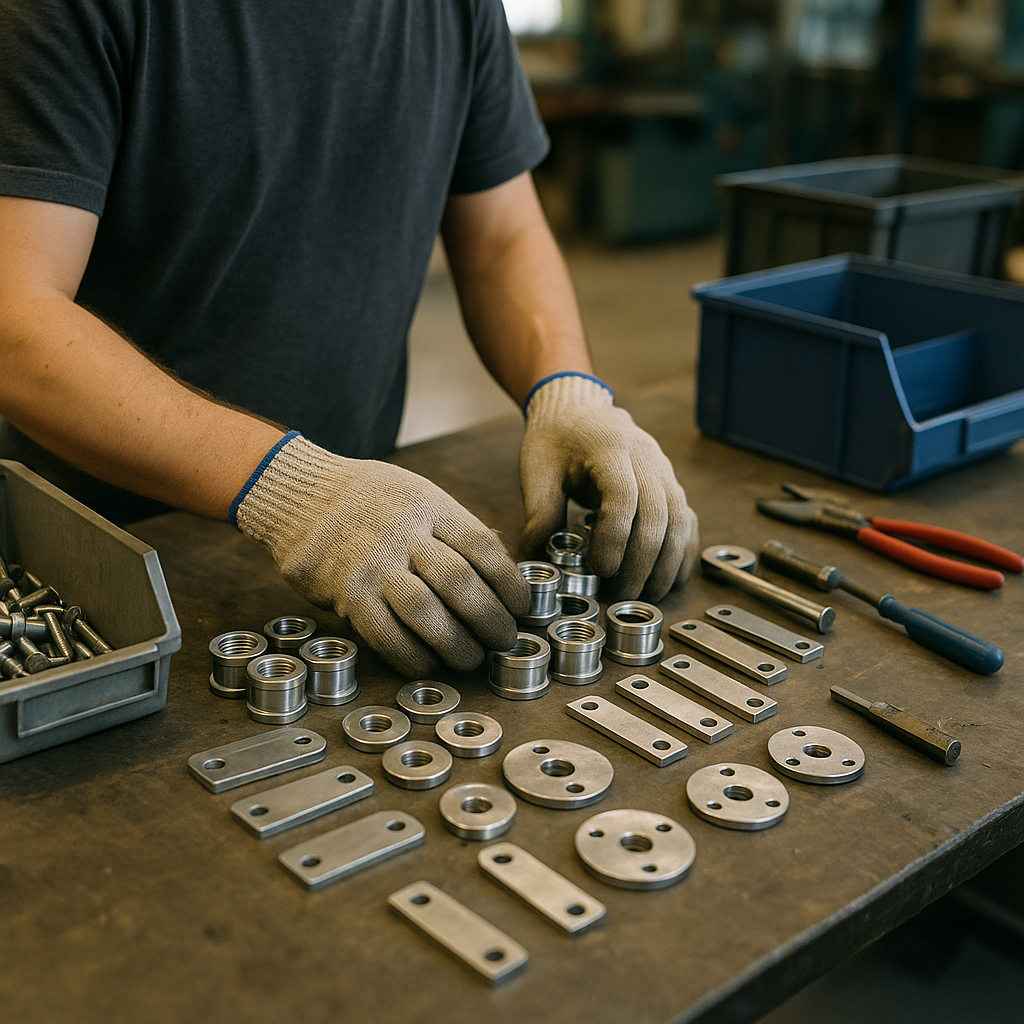
Maximizing the value of scrap metal requires strategic preparation before delivery. Proper preparation directly impacts the price per pound and ensures that materials are furnace-ready. Clean, sorted materials command significantly higher prices than mixed or contaminated scrap.
Separate ferrous and non-ferrous metals
The first step involves using a simple magnet test to distinguish between metal categories. Ferrous metals attract magnets, including steel, cast iron, and most automotive parts. Non-ferrous metals like copper, aluminum, brass, and stainless steel do not attract magnets and typically yield higher prices. This separation prevents lower-value ferrous materials from reducing the overall payout for valuable non-ferrous metals. Properly segregated loads consistently receive higher material grades at the scale.
Remove contaminants and non-metal attachments
Contamination significantly reduces material quality and processing value. Lewisville businesses should remove plastic handles from tools, rubber insulation from wires, and any attached wood or glass components. These non-metal materials add weight without value and complicate the smelting process. Clean off visible dirt, grease, and excessive rust using wire brushes or basic cleaning solutions. Heavy machinery and automotive parts should be drained of all fluids before delivery to ensure environmental safety.
Cut and size materials appropriately
Large or unwieldy pieces create handling difficulties and may receive lower valuations if they require additional labor to process. Industrial facilities should cut oversized tubing, beams, or sheet metal into manageable lengths—typically under 3 or 5 feet, depending on the mill specification. Coiling loose wire and flattening aluminum cans can also improve load efficiency. Bundling similar materials together streamlines the inspection and weighing process, reducing wait times and improving service efficiency for the client.
Navigating 2026 Texas Recycling Laws and Industrial Compliance
As we navigate 2026, the regulatory landscape for industrial scrap metal in Texas has become more digitized and transparent. For Lewisville businesses, staying compliant with state laws is essential for protecting the company from legal liability and ensuring that materials are handled responsibly.
The Texas Metals Program and electronic reporting
The Texas Department of Public Safety (DPS) regulates all metal recycling entities (MREs) under the Texas Occupations Code. In 2026, real-time electronic reporting has become the standard. Every transaction involving “regulated metal property”—including copper, brass, and certain alloys—must be documented with the seller’s identification and a high-resolution photograph of the material and the delivery vehicle. These laws are designed to deter metal theft and ensure that every pound of scrap entering the circular economy is from a legitimate source. Professional recycling partners in Lewisville manage this documentation for their clients, providing a clear audit trail for corporate facility managers.
Specialized mandates for renewable energy hardware
A significant 2025 legislative update in Texas (HB 3228 and HB 3229) has introduced mandatory recycling requirements for renewable energy components. Solar panels and battery energy storage systems (BESS) are now classified as universal waste, and project lessees are required to recycle these components at the end of their operational life. For Lewisville property owners and green-energy contractors, this means that simple landfilling is no longer an option. Partnering with a recycler who can provide “Certificates of Recycling” and ensure the recovery of silicon, silver, and aluminum is vital for meeting these new statutory obligations.
Advanced Industrial Sorting and Metallurgical Verification
The industrial recycling industry has undergone a technological revolution to meet the precision requirements of 2026 manufacturing. Professional facilities now utilize science-driven methods to verify material purity, ensuring that businesses receive the absolute maximum value for high-performance alloys.
XRF and LIBS metallurgical testing
Traditional “eye-balling” of scrap metal has been replaced by X-ray Fluorescence (XRF) and Laser-Induced Breakdown Spectroscopy (LIBS). These handheld or inline devices provide an instant chemical breakdown of a metal’s composition. For a Lewisville manufacturer generating specialized aerospace or medical-grade scrap, this technology ensures that expensive nickel, titanium, or molybdenum alloys are identified with near-laboratory accuracy. This prevents “downgrading” where a high-value alloy is accidentally mixed with lower-grade stainless steel, directly increasing the profit margin for the industrial generator.
AI-powered optical sorting
Advanced recycling centers are increasingly implementing AI-driven robotic systems to sort large volumes of non-ferrous metals. These systems use deep-learning algorithms to recognize and separate aluminum grades (such as 6061 from 7075) and distinguish between different grades of insulated copper wire. For high-volume projects, this automation increases throughput and ensures that the final feedstock sent to smelters is of the highest possible purity, which in turn supports the production of “Green Steel” and other sustainably made metals.
What Recycling Services Are Available in the Lewisville Area?
Lewisville’s recycling landscape features established providers who serve diverse client needs across residential, commercial, and industrial sectors. Professional facilities in the region offer comprehensive materials recovery, handling everything from household metal furniture to industrial production scrap.
The industrial service model in Lewisville extends beyond basic drop-off options. Leading facilities provide roll-off containers for large-scale projects and scheduled pickup services. This approach works well for manufacturers, construction sites, and businesses with significant scrap volumes. Certified on-site public scales ensure accurate weight measurements for all transactions, a critical requirement for transparent business-to-business commerce.
Specialized processing for non-ferrous materials—including aluminum, copper, and brass—is also a hallmark of the local market. These facilities also manage electronic components like PC boards and cell phones, which contain precious metals that require specialized extraction. By utilizing regional hubs in North Texas, businesses can minimize the carbon footprint associated with transporting materials over long distances while benefiting from market-competitive pricing for varied metal types.
These professional recycling centers complement municipal programs by handling materials that residential curbside collection cannot process. Industrial clients benefit from flexible container options and pickup scheduling that aligns with complex project timelines. The combination of drop-off convenience and high-volume logistics ensures an efficient materials flow from Lewisville job sites to the manufacturing plants of the future.
Conclusion: Getting Started with Metal Recycling
Metal recycling in Lewisville offers significant environmental and economic advantages. Recycling ferrous metals like steel saves over 60 percent of the energy required for virgin production, while aluminum recycling achieves even greater efficiency with 95 percent energy savings. These processes conserve valuable natural resources, reduce greenhouse gas emissions, and keep non-biodegradable materials out of North Texas landfills. Local facilities provide convenient drop-off services and market-driven pricing that transforms waste disposal costs into significant revenue opportunities.
Taking action on metal recycling creates lasting community benefits while supporting the circular economy. Whether you have copper wiring from electrical work, aluminum from manufacturing, or structural steel from construction, professional recycling services ensure proper material handling and maximum value recovery.
Contact Okon Recycling at 214-717-4083 to discover how our solutions can help your Lewisville business reduce its environmental footprint while generating revenue from scrap materials.
Send Us a Message
Questions about what we do? Interested in commercial services? Let us know below and a member of our team will get back to you.