5901 Botham Jean Blvd, Dallas, TX 75215
Why Is Earth Day Recycling a Critical Way to Protect Our Planet?
November 30, 2025Every April 22nd, millions of people worldwide unite for Earth Day, but what if the most powerful environmental action you could take was already sitting in your waste stream? Earth Day emerged in 1970 following environmental catastrophes like the Santa Barbara oil spill, sparking a movement that led to landmark environmental legislation. Today, recycling stands as one of the most accessible yet impactful ways to honor this legacy.
Recycling transforms Earth Day from a single day of awareness into year-round environmental action. When we divert materials from landfills through proper recycling programs, we directly address the core mission of Earth Day: environmental protection. This simple act reduces the 42 percent of U.S. greenhouse gas emissions tied to manufacturing and disposal of goods while preserving the natural resources that sustain our communities.
The connection between Earth Day and recycling runs deeper than waste reduction. Manufacturing products from recycled materials requires significantly less energy than creating them from raw materials, with aluminum recycling alone saving 95 percent of the energy needed for virgin production. By participating in Earth Day recycling initiatives, we create cleaner air, conserve precious natural resources, and build the sustainable systems our planet desperately needs.
What are the Environmental Benefits of Recycling Different Materials?
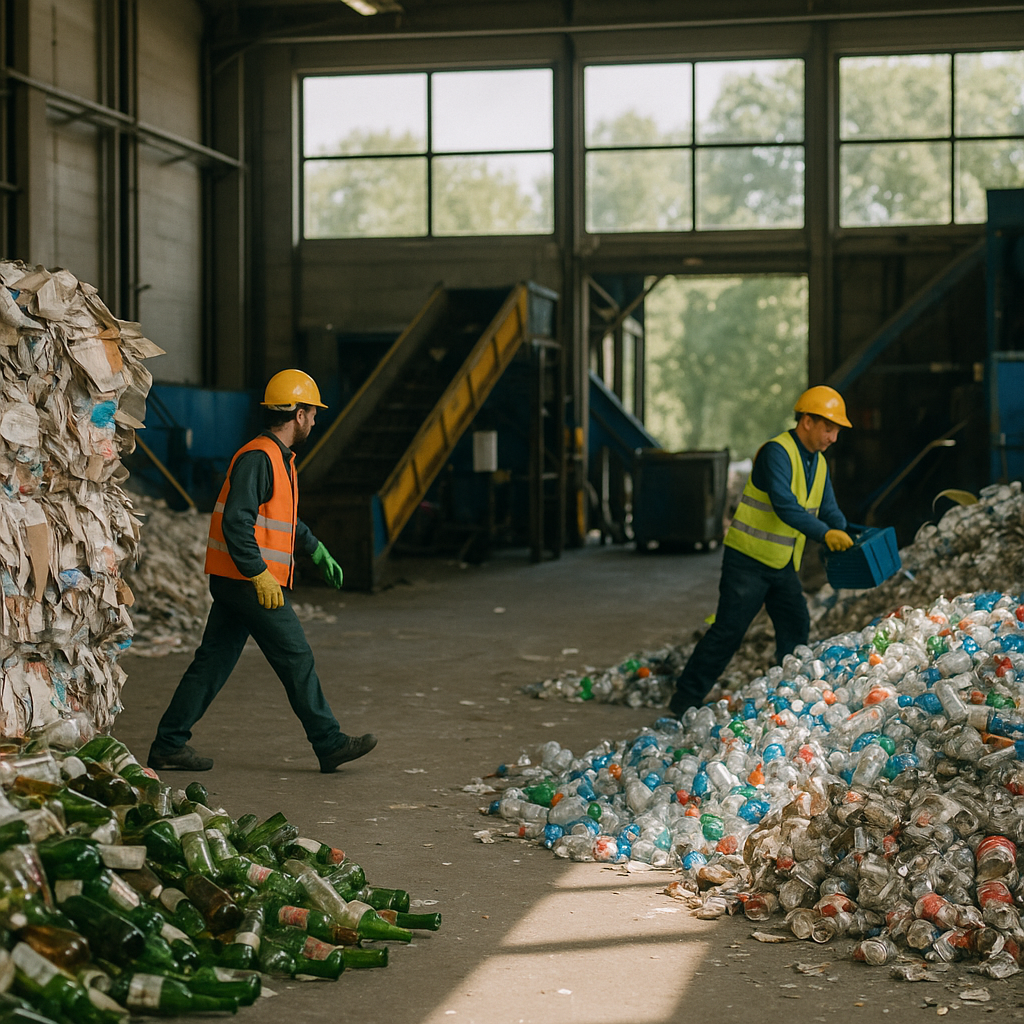
Recycling delivers substantial energy savings across all material types. Manufacturing products from recycled aluminum requires 95% less energy compared to virgin materials. Recycled steel saves 60% of production energy, while recycled plastics conserve up to 70% of the energy needed for new production.
The energy conservation extends beyond metals and plastics. Recycled newspaper production uses 40% less energy than creating paper from raw materials. Glass recycling saves 40% of the energy required for virgin glass production. These energy reductions directly translate to fewer fossil fuel emissions and reduced carbon dioxide releases into the atmosphere.
Material recovery eliminates the pollution associated with extracting and processing virgin materials from the earth. Mining operations for metals release toxic substances including ammonia, carbon monoxide, methane, and sulfur dioxide into air and water systems. By using recycled materials instead of raw materials, we avoid the environmental damage caused by mineral extraction and processing operations.
Natural resource conservation represents another major environmental benefit. Recycling over 116,000 tons of paper saves approximately 1.8 million trees from harvesting. Processing 85,000 tons of recycled steel conserves 106,000 tons of iron ore, 59,000 tons of coal, and 5,000 tons of limestone. These conservation efforts help preserve forests and reduce mining activities.
Greenhouse gas reduction through recycling creates measurable climate benefits. Project Drawdown estimates that recycling between 2020 and 2050 will reduce emissions by 5.5 to 6.02 gigatons of carbon dioxide equivalent. This reduction equals removing over one billion cars from roads for one year. Recycling programs divert waste from landfills, preventing methane gas emissions that occur when organic materials decompose without oxygen.
Water conservation and waste reduction provide additional environmental advantages. Using recycled steel instead of virgin ore requires 40% less water and creates 97% less mining waste. Recycling keeps materials out of landfills where they could introduce harmful leachate into groundwater systems. These combined benefits create cleaner air and water while protecting natural ecosystems from industrial pollution.
Which Common Items Can be Recycled at the Curb or Special Events?
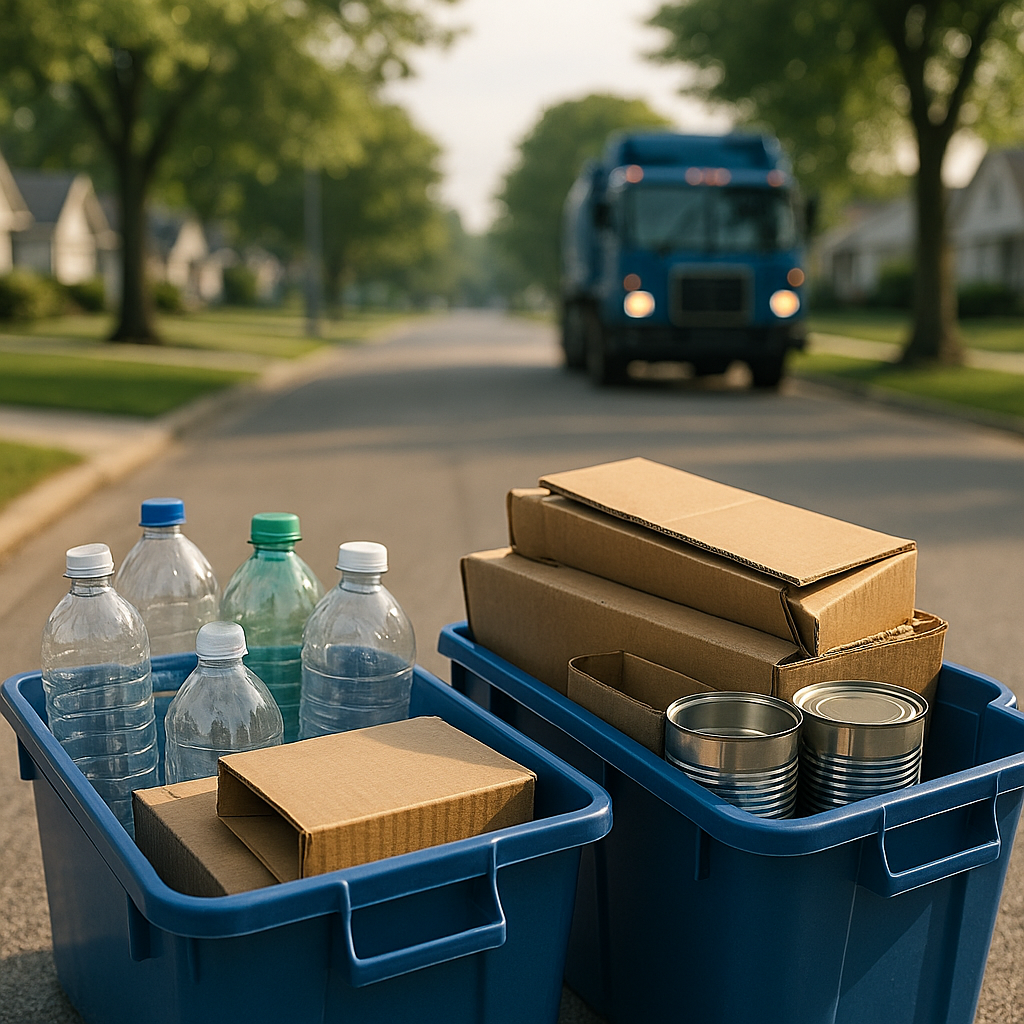
Curbside recycling programs form the backbone of residential waste diversion efforts. Most municipal programs accept a core set of materials that processing facilities can efficiently sort and market to manufacturers.
Standard curbside collection typically includes corrugated cardboard, which must be flattened before placement in recycling bins. Aluminum cans represent one of the most valuable recyclable materials, with facilities often achieving near-complete recovery rates.
Plastic containers marked with resin codes #1 and #2 are widely accepted in single-stream systems. These include beverage bottles, milk jugs, and household cleaning product containers. The caps and labels can remain attached during collection, as sorting facilities have equipment to handle these components.
Mixed paper materials expand recycling opportunities significantly. Egg cartons, magazines, newspapers, and cereal boxes without plastic liners all qualify for curbside programs. According to the EPA, paper makes up 23 percent of municipal solid waste generated each year, making its recovery essential for diversion goals.
Glass containers in various colors are generally accepted together in curbside bins. Processing facilities sort different glass types at recovery centers, eliminating the need for residents to separate by color.
Special collection events address materials that cannot be processed through standard curbside systems. Electronic waste requires specialized handling due to valuable metals and potentially hazardous components contained within devices.
Earth Day events and similar community programs often provide free e-waste collection services. Laptops, desktop computers, cell phones, and tablets contain recoverable materials like gold, silver, and rare earth elements. These devices require dismantling at certified facilities rather than standard materials recovery facilities.
Television screens and computer monitors present particular challenges due to their cathode ray tube or LCD technologies. Special events typically accept these items for a nominal fee to cover proper processing costs.
Gaming consoles, stereo equipment, and small household electronics with cords also qualify for special event collection. The key distinction lies in whether items contain circuit boards or require specialized dismantling procedures.
Understanding these categories helps waste management coordinators design effective collection strategies. Curbside programs handle high-volume, easily processed materials, while special events capture valuable but complex items that would otherwise enter landfill streams.
Conclusion: Making Earth Day a Year-Round Commitment
While Earth Day serves as an important annual reminder, the real environmental benefits come from consistent collective action throughout the year. Small daily choices like properly sorting recyclables, reducing waste generation, and supporting sustainable practices create lasting environmental impact. These seemingly minor actions accumulate into significant progress toward waste reduction, ecosystem protection, and resource conservation.
Building sustainable recycling habits requires commitment beyond special events and awareness campaigns. When communities, businesses, and individuals embrace recycling as an everyday practice rather than an occasional effort, we create meaningful progress toward a sustainable future. For comprehensive recycling solutions that support your year-round environmental goals, contact Okon Recycling at 214-717-4083.
Send Us a Message
Questions about what we do? Interested in commercial services? Let us know below and a member of our team will get back to you.