5901 Botham Jean Blvd, Dallas, TX 75215
Cheapest Way to Get Rid of Junk for Free: Eco-Friendly Tips
February 5, 2026Hiring professional junk removal services can cost between $150 and $500 per load. Many homeowners and businesses accumulate unwanted furniture, old appliances, and clutter without realizing they can access completely free disposal options. In 2026, the push for circular economy practices has expanded these opportunities significantly, offering more ways than ever to responsibly clear space without breaking the bank.
Eliminating unwanted items doesn’t have to be costly. There are several cost-effective—and often free—ways to clear out clutter, such as utilizing city-provided services, donating usable goods, and participating in community cleanup efforts. These methods help divert waste from landfills while ensuring that valuable materials, such as metals and textiles, are returned to the manufacturing cycle.
The best approach combines multiple removal strategies based on the condition and type of items. From charitable organizations offering free pickup services to municipal bulk waste programs, these budget-friendly options can eliminate disposal costs while supporting environmental sustainability through proper waste disposal and materials recovery.
Can You Use Local City Services for Free Junk Pickup?
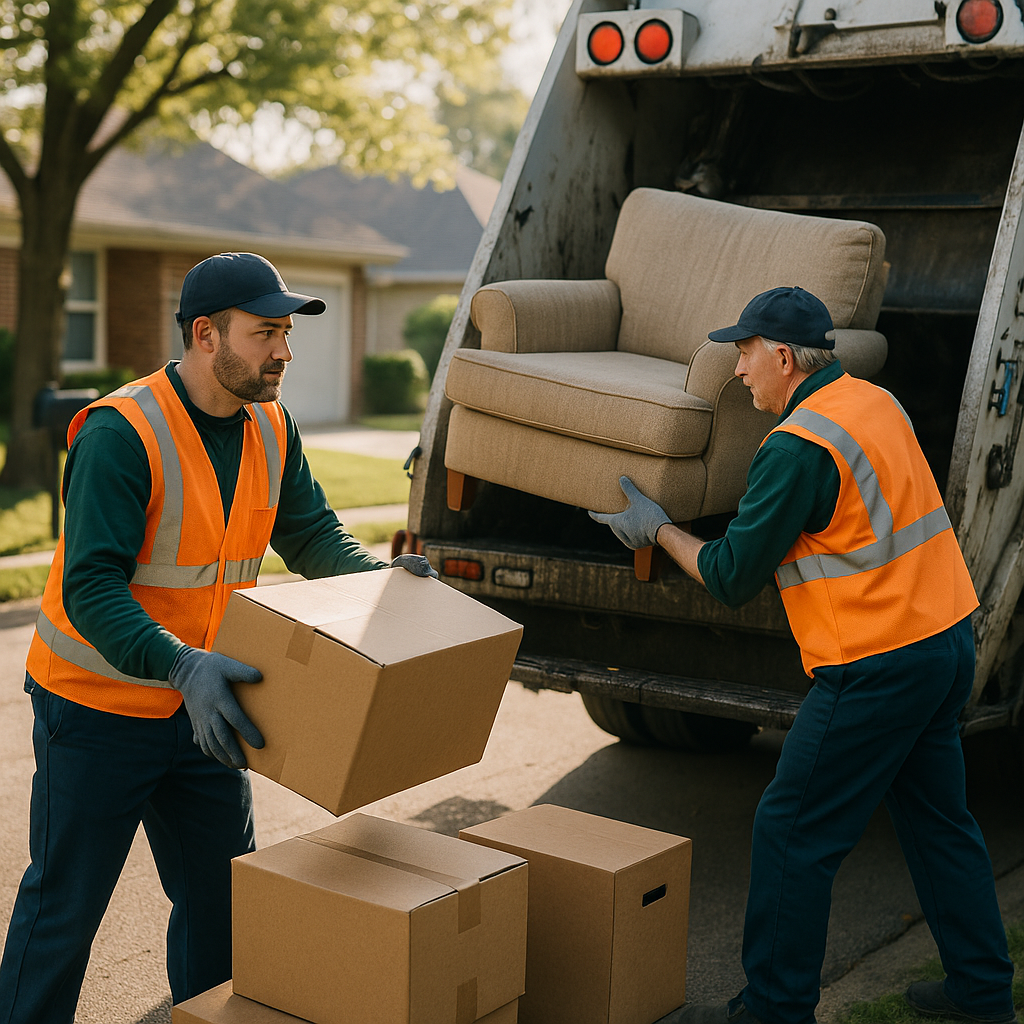
Many municipalities across the United States offer free or low-cost bulk item collection services to residents. These programs help manage oversized items that cannot fit in regular trash containers. Cities recognize that proper disposal of large items prevents illegal dumping and supports environmental sustainability goals, keeping neighborhoods clean and safe.
Municipal bulk pickup services typically accept furniture, major appliances, and mattresses. For instance, many townships offer bulk waste collection as a special pickup service for items like furniture and appliances that must be placed at the curb. Some cities provide a set number of free large item collections per year for single-family households, accepting everything from sofas and mattresses to small appliances.
Most cities require advance scheduling for bulk item pickup. Residents usually need to call at least three days ahead to arrange collection. Many municipalities use 3-1-1 systems for easy access to city services, including waste collection scheduling. Service limitations vary significantly between communities. Weight restrictions typically cap items at 60 pounds, except for furniture and appliances. Volume limits might restrict collections to a specific cubic yardage per pickup. Hazardous materials, construction debris, and heavy items like concrete are often excluded.
Contact your local municipality directly to learn about available programs in your area. City websites often provide detailed information about bulk pickup schedules, accepted items, and scheduling procedures. Some communities contract with private waste management companies to provide these services, while others manage collections through city departments. Understanding your local options can save money while ensuring proper disposal of oversized items.
Where Can You Donate Junk for Free Removal?
Donating items in good condition offers a great free removal option while supporting your community. Major charitable organizations nationwide provide free pickup services, making disposal convenient and socially responsible. However, it is vital to remember that “free removal” relies on the item having resale value.
The Salvation Army leads many donation programs with extensive pickup services for furniture, appliances, and clothing. Their drivers collect items directly from your home, eliminating transportation concerns. Goodwill operates similar programs through independent stores, though policies vary by location. Both organizations accept furniture like sofas, dining sets, dressers, and functioning appliances such as microwaves, washing machines, and televisions under five years old.
Habitat for Humanity ReStore locations offer another valuable donation option. These stores specialize in building materials, furniture, and home improvement items. ReStore accepts cabinets, fixtures, tools, and office furniture that traditional charities might decline. Proceeds from donated items support affordable housing construction, creating a direct community impact.
Local reuse centers and smaller nonprofits often fill gaps left by larger organizations. Many communities have specialized centers that accept construction materials, office supplies, and industrial equipment. Food banks, homeless shelters, and community organizations frequently need household goods, linens, and kitchenware. These local options typically require drop-off rather than pickup service.
Donated items must meet basic condition standards across all organizations. Furniture should be structurally sound without significant damage. Appliances need to have functioning components and intact power cords. Clothing should be clean with minimal wear. Most organizations refuse items that require repair, have missing components, or pose safety hazards.
Leveraging Digital Platforms for Direct Peer-to-Peer Reuse
In 2026, the fastest way to get rid of an item for free is often through digital “Buy Nothing” groups. These hyper-local online communities have revolutionized how neighbors exchange goods, moving away from the traditional charity model to a direct peer-to-peer system.
The “Buy Nothing” movement
Operating primarily on social media platforms and dedicated apps, Buy Nothing groups are neighborhood-specific forums where members can post items they wish to give away. The key advantage here is the “porch pickup” model. Unlike charities that require scheduling weeks in advance, a neighbor might be willing to pick up your old bookshelf or baby stroller within hours. This saves you the effort of hauling the item and ensures it goes directly to someone who will use it.
Marketplace “free” listings
Online marketplaces allow users to list items for “free.” This is particularly effective for heavy or bulky items like landscaping rocks, firewood, or older exercise equipment that charities won’t touch. By listing an item as “curb alert” or “free haul away,” homeowners can often find scrap collectors or DIY enthusiasts willing to perform the labor of removal just to acquire the materials. Always prioritize safety when using these platforms by meeting in public spaces or having a second person present during pickups.
Are There Free Recycling and Drop-off Options Available?
Free recycling drop-off centers are crucial for handling materials that cannot be processed through standard curbside programs. These facilities ensure proper recovery of items like electronics, textiles, and other specialized materials that require dedicated handling.
Many communities provide permanent drop-off locations specifically for hard-to-recycle materials. Community collection centers typically accept electronic waste, including computers, televisions, cell phones, and printers, at no charge to residents. These facilities adhere to strict environmental standards to ensure proper dismantling and materials recovery.
Retail partnerships significantly expand free recycling access for residents. Major retailers offer comprehensive electronics recycling services, accepting items regardless of their purchase location. These programs complement municipal facilities and provide convenient neighborhood access points.
Specialized centers manage materials requiring advanced processing. Household hazardous waste collection facilities accept paint, batteries, and chemicals that pose environmental risks in standard waste streams. Many jurisdictions host monthly or quarterly collection events for residents who cannot access permanent facilities regularly.
Navigating E-Waste: Responsible Disposal of Electronics
While many junk removal services charge extra for electronics due to disposal fees, there are specific strategies to recycle e-waste for free or even for a profit. Electronics contain toxic materials like lead and mercury, but they also contain valuable gold, silver, and copper.
Manufacturer take-back programs
Many major electronics manufacturers are legally required to offer take-back programs in certain states. Before paying to dispose of an old computer or printer, check the brand’s website. They often provide free shipping labels to return old equipment for recycling. This is part of Extended Producer Responsibility (EPR) laws designed to shift the burden of disposal away from the consumer.
Scrap value of high-tech junk
For those with a large volume of electronic waste—such as old server racks, copper cabling, or non-working laptops—selling to a scrap metal recycler is a better option than paying for junk removal. Industrial recyclers pay by the pound for “e-scrap” because of the precious metal content on circuit boards. While a single laptop might not yield much cash, a truckload of old office electronics can turn a disposal bill into a payout.
How Can You Get Involved in Community Cleanups?
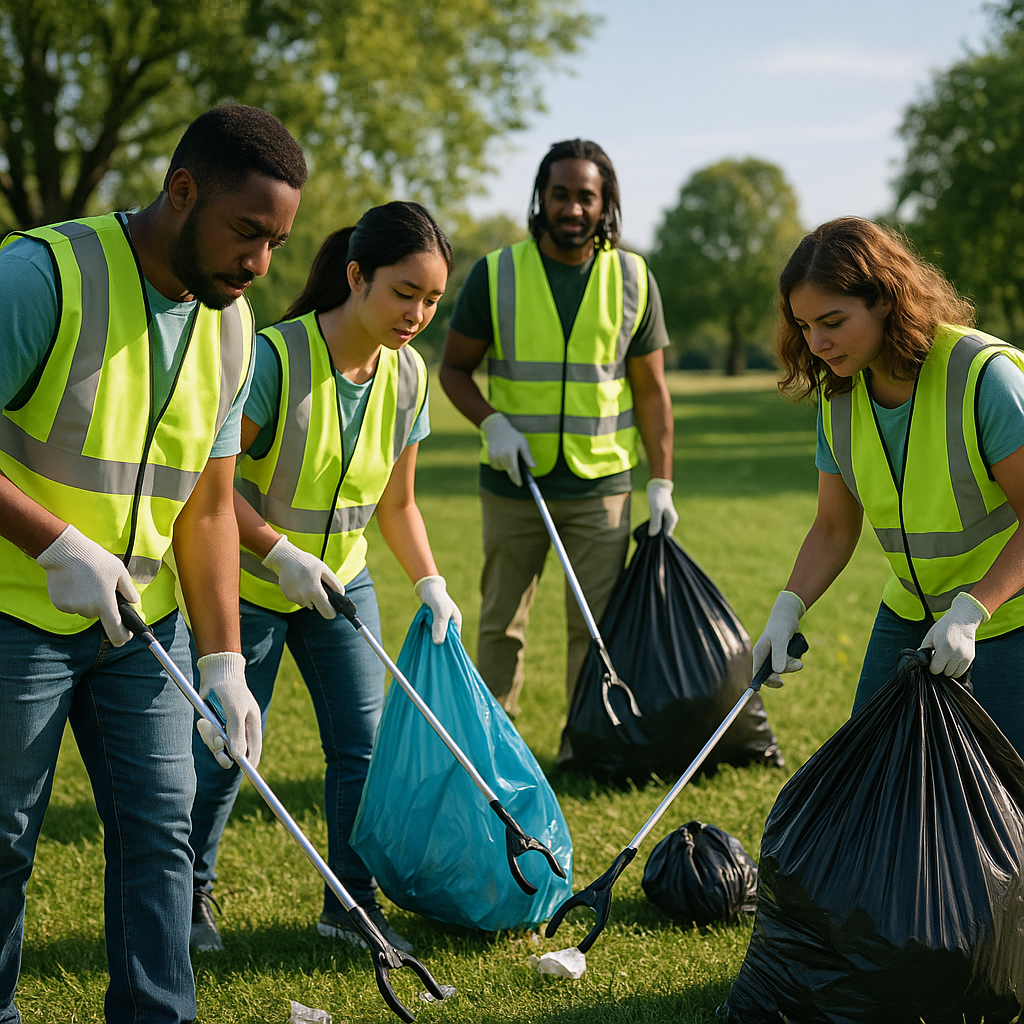
Community cleanups offer an effective way to dispose of unwanted items while contributing to neighborhood improvement efforts. These events bring together volunteer groups to tackle litter removal, debris collection, and general city beautification projects. Many municipalities support these initiatives by providing essential supplies and logistical assistance.
Participating in existing cleanup events
Local organizations frequently coordinate neighborhood cleanup activities throughout the year. Trash Mob events and city-wide cleanups rally community members to focus on specific areas needing attention. These gatherings typically supply all necessary equipment, including gloves, trash bags, and pickup tools. Social media platforms and community bulletin boards serve as primary communication channels for cleanup announcements.
Municipal support and resources
Many cities provide substantial assistance to community cleanup organizers through dedicated programs. Municipal support often includes free dumpsters, collection bags, safety equipment, and promotional materials for events. Parks and recreation departments frequently coordinate with volunteer groups to maximize impact and efficiency. Some cities provide certificates or small rewards to active volunteers, while others feature successful cleanup groups in local media coverage. These programs foster long-term community engagement in waste reduction efforts.
| Type of Event | Description | Typical Resources Required |
|---|---|---|
| Public Space Cleanup | Volunteers spend the day cleaning public areas with basic tools. | Brooms, shovels, gloves, trash bags, municipal assistance |
| Household Cleanup | Volunteers or municipalities pick up large items from households. | Volunteer coordination, information dissemination, sorting waste |
| Community-Assisted Cleanup | Address cleanup on private properties or large items beyond volunteer capacity. | Municipal permits, equipment, community aid |
Conclusion: Smart, Free Ways to Dispose of Your Junk
As we’ve seen, the most affordable way to get rid of junk is often free. By using municipal bulk pickups, donating usable items to charities that offer free collection, and utilizing local recycling centers, you can clear out your space without spending any money. These eco-friendly junk removal methods not only save you cash but also contribute to a cleaner community. With community resources like donation centers and sustainable disposal options at recycling facilities, cost-free solutions are readily available for responsible waste management.
These smart approaches to free junk disposal show that being environmentally conscious doesn’t have to be expensive. By donating items and recycling junk through these community programs, you’re participating in a circular economy that benefits everyone. For businesses and municipalities seeking professional recycling services and high-volume waste management solutions, contact Okon Recycling at 214-717-4083 for expert guidance on sustainable disposal practices.
Send Us a Message
Questions about what we do? Interested in commercial services? Let us know below and a member of our team will get back to you.