5901 Botham Jean Blvd, Dallas, TX 75215
Industrial Recycling in McKinney: Services for Business & Manufacturing
January 21, 2026McKinney’s rapid industrial growth has fostered a robust ecosystem of recycling facilities and waste management services. The city’s strategic location in Collin County and the broader Dallas-Fort Worth Metroplex has attracted specialized providers who manage everything from construction debris to complex industrial materials.
Industrial recycling in McKinney covers diverse service categories across multiple sectors. Professional recycling partners specialize in mixed waste scrap metal recycling and hazardous waste management for manufacturing facilities. Additionally, specialized contractors focus on commercial HVAC equipment recycling, providing certified refrigerant recovery services to businesses throughout the region.
What Types of Industrial Materials Are Recycled in McKinney?
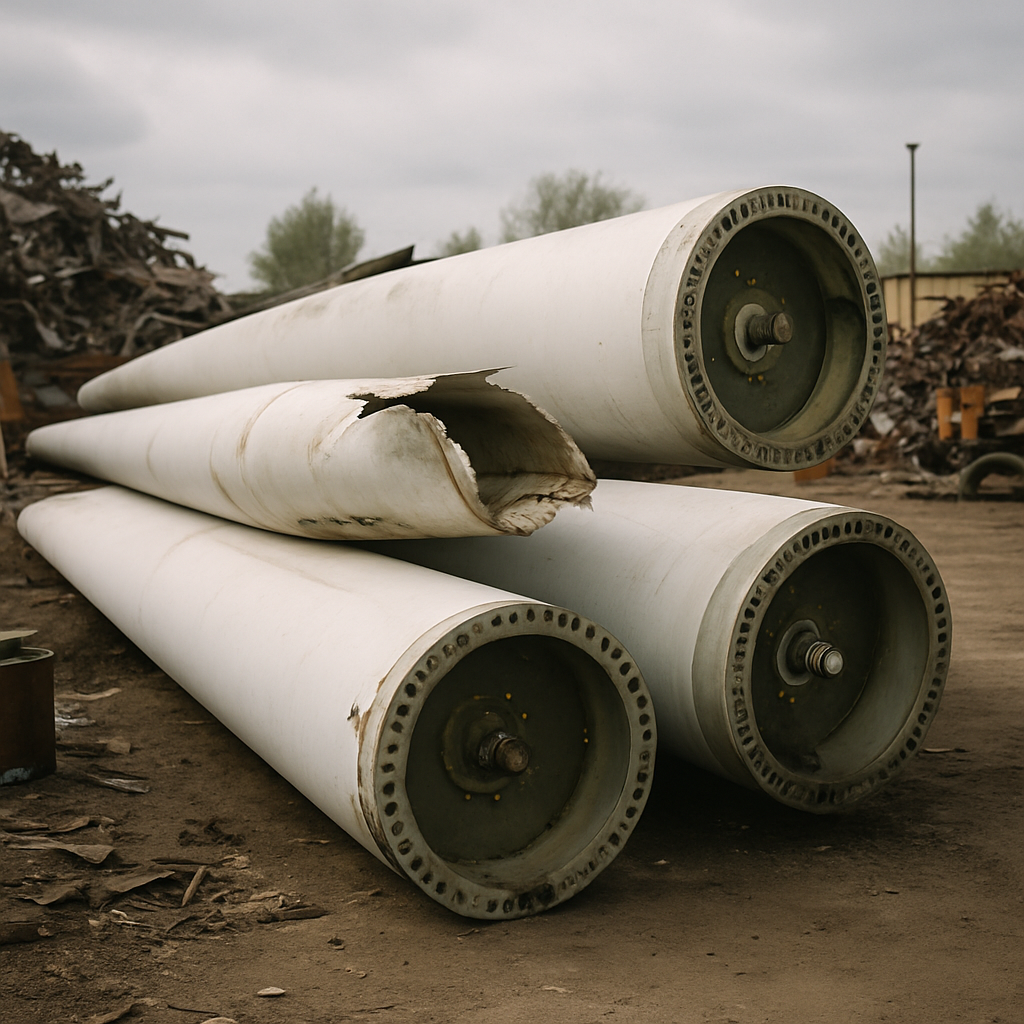
McKinney’s recycling infrastructure supports a wide range of industrial materials through specialized facilities and processing centers. These operations manage everything from standard metals to complex construction debris, ensuring businesses can responsibly dispose of varied waste streams.
Metal recycling services
Scrap metal is one of the largest categories of recyclable industrial materials in McKinney. Local facilities process ferrous metals like steel and iron from manufacturing, construction, and demolition activities. Non-ferrous metals, such as aluminum and copper, have dedicated processing channels through specialized recycling operations.
Mixed waste scrap metal containing hazardous materials requires specialized handling. These materials often originate from industrial equipment, electrical components, and manufacturing processes involving treated or contaminated metals, necessitating careful separation and processing before the materials can be introduced to a furnace or smelter.
Construction and demolition materials
Regional C&D facilities serve as central processing points for construction waste and demolition debris. Acceptable materials include wood framing, flooring, interior components, and insulation from commercial and industrial projects. Roofing materials, including shingles and tiles, also have dedicated processing streams.
Facilities also manage cardboard packaging, paper documentation, and furniture from office and industrial cleanouts. Concrete recycling is particularly prevalent in the McKinney area, where crushed concrete is processed into reusable aggregate products. This ensures concrete from demolition projects reenters the construction supply chain instead of filling landfills.
Electronics and specialized equipment
Electronics recycling addresses the increasing volume of industrial electronic waste from McKinney manufacturing facilities, offices, and data centers. These materials require specialized processing to recover valuable metals while safely managing hazardous components like lead and mercury. Industrial equipment containing electronic components follows similar processing protocols, as separating valuable materials from complex assemblies necessitates specific expertise.
Industrial packaging and materials
Cardboard and packaging materials from industrial operations represent significant recycling volumes. These materials often come in large quantities from distribution centers and commercial operations, requiring efficient baling and processing systems. Tires from industrial vehicles and equipment undergo specialized processing through dedicated tire recycling programs, where the rubber content is reclaimed for use in asphalt or playground surfaces.
How Is Hazardous Industrial Waste Managed in the Area?
McKinney’s hazardous industrial waste management relies on specialized environmental service providers equipped to handle regulated materials that pose health and environmental risks. These materials require careful handling protocols, specialized transportation, and treatment facilities that meet strict regulatory standards established by both state and federal agencies.
The differentiation between standard waste streams and hazardous materials is crucial for McKinney businesses. While conventional construction and demolition facilities cater to many waste needs, hazardous materials require certified handlers with specific permits and expertise in regulatory compliance.
Specialized service capabilities
Professional hazardous waste management providers serve McKinney’s industrial, commercial, and healthcare facilities by maintaining fully permitted treatment, storage, and disposal facilities across Texas. These providers typically accept over 500 RCRA and 100 non-RCRA waste codes. Specialists in the field include chemists, industrial hygienists, and engineers who provide regulatory guidance to ensure businesses select the most efficient management practices.
Certified providers often work directly with municipal departments for emergency chemical spill response and property remediation. They collaborate with local Environmental Health and Safety (EHS) managers to develop comprehensive sustainability programs covering hazardous, non-hazardous, electronic, and universal waste materials.
Regulated waste materials and treatment categories
McKinney’s industrial waste system handles diverse categories of regulated materials. Ignitable liquids, such as flammable solvents and cleaning solutions, require special handling to prevent fire hazards during storage. Used solvents from laboratory operations and industrial cleaning require specialized treatment due to their toxic properties and potential for groundwater contamination.
Toxic metals present particular challenges due to their persistence in the environment. Contaminated soils, plating solutions with chromium, and industrial sludges require extensive testing and characterization before treatment. Corrosive materials, including acids and caustics, must be neutralized using specialized equipment to prevent damage to infrastructure.
Facility restrictions and prohibited materials
Standard construction and demolition landfills in McKinney maintain strict separation from hazardous material handlers. These facilities expressly prohibit items such as batteries, used oil, liquid waste, and electronic equipment like televisions and computers. Additional prohibited materials include refrigerators containing CFCs, radioactive waste, and “special wastes” as defined by the Texas Administrative Code.
The clear delineation between acceptable and prohibited materials ensures that hazardous substances receive appropriate treatment while protecting workers and the environment. Standard waste facilities focus on construction debris and non-hazardous industrial materials, while hazardous waste specialists manage the more sensitive streams.
Strategies for Optimizing Industrial Scrap Value in McKinney
For McKinney businesses, treating scrap metal as an asset rather than a byproduct is the key to maximizing revenue. Implementing a “source-separation” strategy at the facility level can significantly increase the payout per pound and streamline the recycling process.
Source separation and alloy grading
When different types of metal are mixed in a single bin, the entire load is often graded at the price of the least valuable material. For example, if high-value copper wiring is mixed with heavy steel scrap, a recycler may pay the “iron” rate for the entire container. By providing separate, clearly labeled bins for specific metals—such as aluminum, stainless steel, and various grades of copper—McKinney businesses can ensure they receive the maximum market value for each material type.
On-site processing and de-manufacturing
The “cleanliness” of the scrap dictates its final price. Metal that is free of plastic, wood, or rubber attachments is considered “prepared” and fetches a premium at the scale. While recycling centers can process “unprepared” scrap, businesses that have the labor to perform basic de-manufacturing—such as removing brass fittings from copper pipes or stripping insulation from large gauge wire—will see a higher return. Professional industrial buyers can provide guidance on which processing steps are most cost-effective for your specific waste stream.
Safety and Compliance in Commercial Metal Disposal

Handling and transporting large volumes of industrial metal involves physical risks and regulatory obligations. McKinney businesses must adhere to state and local guidelines to ensure their recycling program is both safe and legally compliant.
Texas “Cash for Scrap” laws
To deter the trade of stolen materials, Texas has strict regulations regarding the purchase of certain metals, such as copper and regulated alloys. Scrap buyers must document the identity of the seller and issue payment via check or a non-transferable card rather than cash. McKinney businesses should ensure their recycling partner is fully licensed and maintains digital records of every transaction. This documentation is also vital for corporate audits and proving that the organization is meeting its Environmental, Social, and Governance (ESG) reporting requirements.
Physical safety on the job site
Scrap metal can be heavy, sharp, and awkward to move. Improper loading of containers can lead to workplace injuries or accidents during transport. It is essential to use the correct material handling equipment, such as forklifts or specialized bins, to move scrap within a facility. When utilizing on-site container services, McKinney managers should ensure the bins are placed on a level surface that allows for safe loading without obstructing emergency exits or fire lanes.
Who Are the Key Entities for Industrial Recycling in McKinney?
The McKinney area benefits from a robust network of recycling and salvage professionals serving diverse industrial waste management needs. This competitive landscape provides businesses with multiple options for their specific waste processing requirements, ranging from specialized equipment suppliers to full-service recovery facilities.
Equipment manufacturers and suppliers
Local manufacturers provide the essential tools for waste processing, such as balers and compactors. This equipment helps McKinney businesses reduce waste volumes and improve material handling efficiency. Key suppliers in the market offer equipment solutions across multiple sectors including commercial, healthcare, and industrial facilities, aiding organizations in optimizing waste management processes and reducing disposal costs.
Full-service processing facilities
Comprehensive resources exist for large-scale solid waste processing projects in McKinney. These firms provide services ranging from engineering and project development to construction and operations management. These entities support both public and private sector projects, making them suitable for major industrial recycling initiatives that require significant infrastructure.
Specialized contractors also provide contaminated soils remediation, structural demolition, and recycling operations. Their capabilities often cover various industrial waste streams, handling complex projects that require environmental expertise and strict regulatory compliance.
Specialized waste management services
Professional environmental services offer direct recycling for various materials including metals, electronics, and hazardous scrap. These companies operate fully permitted treatment, storage, and disposal facilities in Texas, ensuring that materials are handled safely from the moment they leave the facility until their final disposition. They often employ chemists, industrial hygienists, and geologists to provide regulatory guidance and ensure optimal waste management practices.
Conclusion: Advancing Industrial Sustainability in McKinney
McKinney offers a robust infrastructure for industrial recycling, providing comprehensive solutions for scrap metal, e-waste, construction debris, and hazardous materials. With experienced providers specialized in electronic waste, hazardous materials, and post-industrial plastics, local industries can implement sustainable and environmentally responsible waste management practices. Partnering with these experts enables businesses to reduce their carbon footprint, ensure regulatory compliance, and contribute to a circular economy while optimizing resource recovery from diverse waste streams.
For comprehensive industrial recycling solutions that support your sustainability goals, contact Okon Recycling at 214-717-4083.
Send Us a Message
Questions about what we do? Interested in commercial services? Let us know below and a member of our team will get back to you.