5901 Botham Jean Blvd, Dallas, TX 75215

How Do You Compare Roll-Off Container Services for Construction Metal Waste?
February 14, 2026Construction sites generate substantial amounts of metal waste daily. Steel cutoffs accumulate near fabrication areas, and aluminum shavings pile up around machining stations. Without proper removal systems, these valuable materials become costly liabilities that consume workspace and create safety hazards.
When comparing roll-off container services for construction metal waste, two primary options emerge. Scheduled pickups provide regular container swaps and predictable removal timing for consistent waste streams. In contrast, on-demand containers offer flexible pickup timings and temporary staging solutions for variable production cycles.
Understanding this choice directly affects operational efficiency and material recovery rates. Selecting the right service ensures scrap management maximizes revenue potential rather than causing bottlenecks. Effective waste stream management keeps construction sites organized while transforming metal debris from overhead costs into measurable income through strategic recovery partnerships.
When Are Scheduled Pickups a Better Fit for Construction Projects?
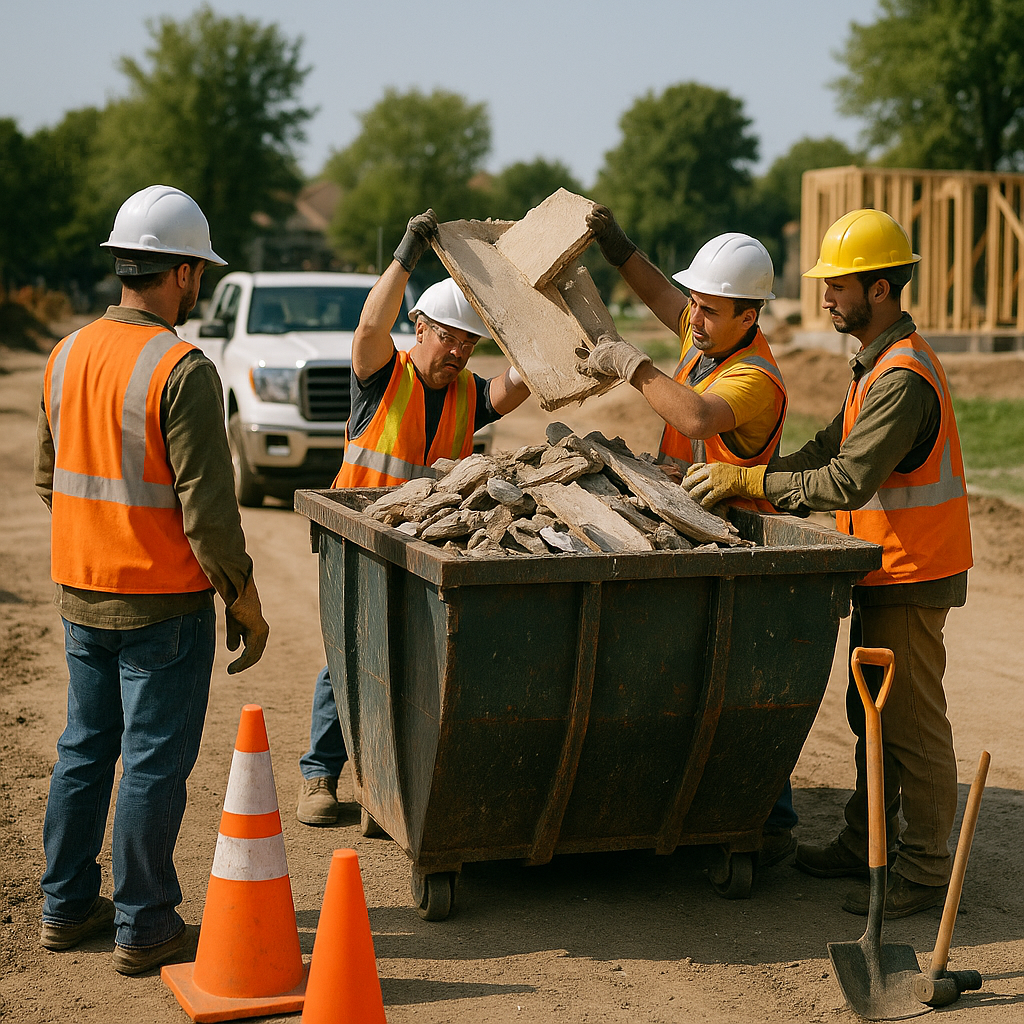
Scheduled pickups are ideal for construction projects with consistent patterns of metal waste generation. Long-term projects, spanning several months or years, produce steady streams of structural steel, rebar cutoffs, and fabrication scraps. These operations benefit from pre-arranged container swaps, which eliminate the guesswork of timing removals.
Multi-phase construction sites are particularly suited for this service model. Developments like office buildings, hospital expansions, and large infrastructure projects generate predictable volumes of scrap metal. This consistency allows for efficient collection routes and optimized container sizing for each project phase.
Commercial service agreements form the foundation for successful scheduled pickups. These contracts specify pickup frequency, container types, and pricing structures upfront, providing project managers with predictable costs that simplify budget planning and eliminate unexpected disposal expenses.
Workspace efficiency improves significantly with scheduled collections. Predetermined pickup dates prevent dangerous container overflows, which create safety hazards and OSHA compliance issues. Construction crews can maintain clear work areas without the disruption of emergency removal calls or overfilled containers blocking equipment access.
High-volume metal waste generators gain the most from scheduled services. Projects producing hundreds or thousands of pounds of scrap monthly avoid workflow disruptions caused by irregular pickup timing. The service scales naturally with construction phases, adjusting collection frequency as waste generation increases or decreases throughout the project lifecycle.
What Are the Advantages of On-Demand Roll-Off Containers?

Operational flexibility is a key advantage of on-demand roll-off containers. This service model removes the constraints of fixed pickup schedules, allowing you to adapt to changing project needs. You retain complete control over timing, filling containers at your own pace without the pressure of predetermined collection dates.
Project-based operations benefit greatly from the scalability of on-demand containers. Whether managing demolition projects with unpredictable debris volumes or handling machinery upgrades that generate varying waste, containers arrive as needed. This adaptability is essential for businesses dealing with temporary scrap spikes or seasonal changes in waste production.
Cost efficiency is enhanced through the pay-as-you-use structure of on-demand services. Traditional waste management often involves paying for scheduled pickups regardless of container fill levels. With on-demand containers, you only pay for actual usage, reducing unnecessary service fees and optimizing your waste management budget.
Site cleanups and one-time projects particularly benefit from this flexible approach. Construction sites, facility upgrades, and large-scale cleanouts generate waste in unpredictable patterns. On-demand containers accommodate these variations without requiring long-term commitments or rigid scheduling.
The convenience factor is significant for busy operations. When your container reaches capacity, you simply contact the service provider for immediate pickup. This straightforward process eliminates the need to coordinate with fixed schedules or worry about overflow situations that could disrupt your workflow.
Emergency response capabilities add value for operations needing rapid waste management. Equipment failures, unexpected demolitions, or urgent site cleanups require immediate container placement. On-demand services can often respond within hours, ensuring your operations continue with minimal delay.
What Key Factors Should Influence Your Container Choice?
Choosing the right construction container involves more than just picking the first available option. Several critical factors determine whether your waste management solution will be cost-effective and efficient. Understanding these elements helps you avoid costly mistakes and ensures your project runs smoothly.
Container Size Selection
Container sizes typically range from 10 to 40 cubic yards, with each size serving specific project requirements. Small residential renovations often require 10-15 cubic yards, whereas major commercial demolitions need 40 cubic yards or larger units. The key is matching your container capacity to your project’s debris volume without overestimating needs.
A 10 cubic yard container handles minor renovations like bathroom remodels or garage cleanouts. These compact units measure approximately 12 feet long and work well in tight residential spaces. For multi-room renovations or deck construction, 20 cubic yards provides the ideal balance between capacity and site footprint.
Large-scale projects require 30-40 cubic yard containers to efficiently manage substantial construction debris. These units accommodate heavy materials like concrete, brick, and steel without needing multiple pickups. Commercial demolitions and new construction sites benefit most from these larger capacity options.
Container Style Considerations
Container style significantly impacts loading efficiency and space utilization on your project site. Tub-style containers have lower sides and open tops, making them easier to load by hand or with smaller equipment. These designs are ideal for renovation debris and mixed materials that require frequent loading throughout the day.
Box-style containers maximize volume while maintaining structural integrity for heavier loads. Their higher walls prevent debris spillover during transport and allow for more efficient packing. Construction sites with crane or loader access benefit from box-style containers due to their superior volume capacity.
The choice between styles depends on your loading method and debris type. Manual loading favors tub-style containers, while mechanical loading works better with box-style units. Consider your crew size and available equipment when making this decision.
Understanding Pricing Structure
Rental duration forms the foundation of most container pricing models. Standard rental periods range from 7-14 days, with daily rates applying beyond the initial term. Planning your project timeline accurately prevents unexpected overage fees and keeps costs predictable.
Weight limits vary significantly by container size and local regulations. Most 20 cubic yard containers accommodate 4-6 tons of debris, while 40 cubic yard units handle 8-10 tons safely. Exceeding weight limits results in additional fees that can substantially increase your project costs.
| Container Size | Internal Dimensions (L x W x H) | Max Payload (lbs) | Typical Applications |
| 20ft Standard | 19.4ft x 7.8ft x 7.10ft | 55,126 | Small storage needs, mobile workshops, site offices, retail kiosks |
| 40ft Standard | 39.4ft x 7.9ft x 7.10ft | 61,200 | Larger storage, office conversions, retail spaces |
| 40ft High Cube | 39.5ft x 7.8ft x 8.9ft | 63,052 | Storage with extra height, gym spaces, stacking tall items |
Additional fees often include delivery charges, fuel surcharges, and disposal costs for specific materials. Understanding all potential charges upfront helps you budget accurately and avoid surprises. Always request a detailed breakdown of all costs before finalizing your container rental agreement.
Conclusion: Selecting the Right Service for Your Project

The best roll-off container service depends on your project’s workflow, scrap volume, and timeline. Scheduled services offer reliability for consistent waste generation, while on-demand options give flexibility for variable needs. Choose a service that aligns with your operational efficiency goals and supports the circular economy through effective materials recovery. A reliable recycling partner can evaluate your site conditions and provide custom solutions to streamline scrap management while meeting environmental objectives.
Whether you require consistent pickup schedules or flexible container swaps, tailored solutions ensure optimal project workflow and waste diversion rates. To develop a scrap management program that boosts operational efficiency and aligns with your sustainability objectives, contact Okon Recycling at 214-717-4083 for expert guidance on your recycling needs.
Send Us a Message
Questions about what we do? Interested in commercial services? Let us know below and a member of our team will get back to you.