5901 Botham Jean Blvd, Dallas, TX 75215
Top Commercial Scrap Metal Processors for Ferrous and Non-Ferrous Materials
April 1, 2026The commercial scrap metal processing industry recycles between 7 to 20 million tons of materials annually. These large-scale operations form the backbone of North American manufacturing. By 2026, industrial reshoring has significantly increased the demand for secondary raw materials.
Commercial scrap metal processors deal with two primary categories of materials. Ferrous scrap includes steel and iron, containing more than 50 percent iron by weight. Non-ferrous metals like aluminum, copper, and specialty alloys have little to no iron content. These material types require different processing techniques and serve varied end markets.
Leading processors operate extensive facility networks across North America. Some have over 100 locations with multiple high-capacity auto shredders to handle large volumes of scrap. These facilities are increasingly integrated with domestic steel mills using electric arc furnace technology, which relies almost entirely on recycled metal inputs for production.
What Defines The Leading Scrap Industry Companies?
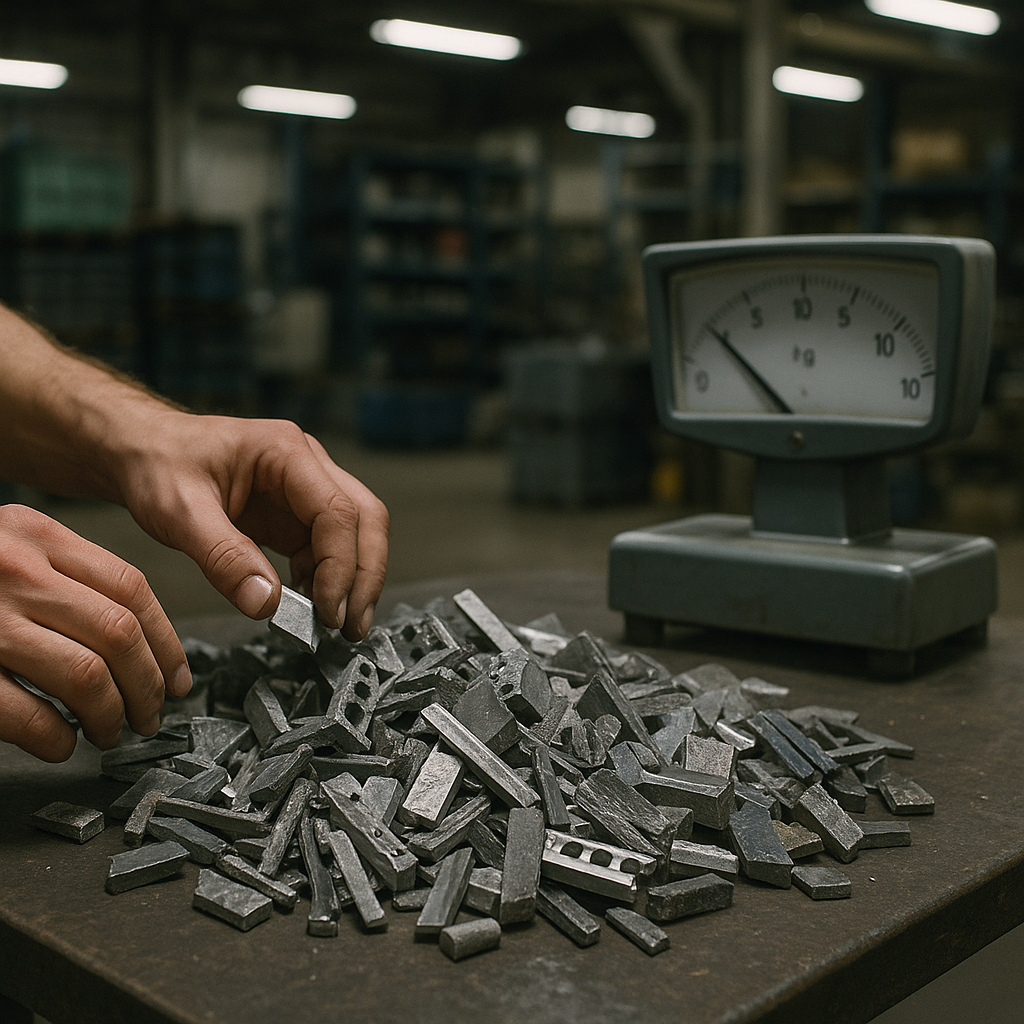
The top scrap processors are characterized by the immense volume of material they handle annually. This capacity typically includes all ferrous scrap processed at company facilities, whether further refined on-site or shipped as loose material to larger processing hubs. Rankings in this sector reflect each organization’s processing capacity, infrastructure, and market reach across North America.
Industry leaders process between 7 to 20 million tons of ferrous scrap every year. The largest entities in this space handle an estimated 18 to 19 million gross tons annually, supported by over 130 facilities, including numerous auto shredders and multiple deep-water ports. This scale allows these companies to serve both domestic mills and international export markets simultaneously.
Top-Tier Processing Giants
Global leaders in the industry process upwards of 7 million tons of ferrous scrap annually. These massive operations typically manage over 100 facilities worldwide, including dozens of auto shredders and multiple deep-water ports. Their extensive infrastructure enables them to handle complex logistics, balancing domestic steel mill supply with large-scale international shipping operations.
Vertical integration provides a significant advantage for top-tier players. Major carbon steel manufacturers often operate their own extensive metals recycling divisions. By processing millions of tons internally, these companies create substantial captive demand for their scrap materials, securing a stable supply chain for their steel production capacity, which can exceed 13 million tons.
Other major processors maintain their positions through extensive electric arc furnace operations. These companies rely heavily on scrap as primary feedstock, often using recycled materials for nearly three-quarters of their production. This vertical integration ensures consistent, reliable demand for processed ferrous materials regardless of broader market fluctuations.
Mid-Tier Regional Leaders
Mid-tier leaders typically operate networks of 40 to 100 facilities with multiple auto shredders, processing millions of tons annually. These companies often focus on integrated recycling and steel products across specific regions, such as the Americas and Europe. Their strategic positioning in key manufacturing hubs ensures consistent material flow and efficient regional distribution.
Regional powerhouses often maintain deep-water ports to enhance export capabilities. For these companies, the metals recycling business serves as a crucial component of broader integrated steel manufacturing operations. By controlling logistics hubs, they can effectively manage export volumes while supplying local markets.
Subsidiaries of larger steel producers also play a major role, operating dozens of facilities and shredders across multiple states. These organizations provide comprehensive coverage of key industrial markets, ensuring that parent companies have a steady stream of high-quality raw materials.
Infrastructure And Processing Capabilities
High-capacity auto shredders are essential for processing end-of-life vehicles and large metal structures. Leading companies operate these facilities, enabling efficient processing of mixed ferrous materials. Auto shredders can handle thousands of tons daily, separating ferrous metals from other materials through magnetic separation systems.
Access to deep-water ports provides competitive advantages for companies engaged in international scrap exports. Major processors maintain port facilities on both Atlantic and Pacific coasts, facilitating shipments to steel mills in Asia and other global markets. Port access reduces transportation costs and enables larger shipment volumes.
Processing facilities commonly feature advanced sorting technologies, including magnetic separators, optical sorting systems, and material handling equipment. These technologies improve recovery rates and ensure material quality meets steel mill specifications. Modern facilities can process mixed scrap into specification-grade materials suitable for steel production.
| Industry Tier | Approx. Annual Volume | Key Infrastructure Assets |
|---|---|---|
| Global Processing Giants | 7 – 20 Million Tons | 100+ Facilities, Deep-Water Ports, 15+ Auto Shredders |
| Vertically Integrated Mills | Varied (High Internal Use) | Electric Arc Furnaces, Captive Recycling Yards |
| Regional Leaders | 2 – 5 Million Tons | 40-90 Facilities, Regional Export Terminals |
| Local/Specialized Processors | < 1 Million Tons | Single or Multi-Site Yards, Specialized Shears/Balers |
Vertical Integration Advantages
Vertical integration has become increasingly common among leading scrap processors. Companies that own both recycling operations and steel manufacturing facilities ensure consistent demand for processed materials. This integration provides pricing stability and mitigates the impacts of market volatility on recycling operations.
Steel manufacturers with integrated recycling operations can optimize their raw material costs by processing their own scrap supplies. Electric arc furnace operations particularly benefit from this model, as these facilities can use up to 100% recycled content in steel production. This approach supports both cost efficiency and environmental sustainability goals.
The trend toward vertical integration continues as steel producers seek reliable scrap supplies. Major corporations have built extensive recycling networks to support their manufacturing operations. This strategy reduces dependence on external scrap suppliers and provides greater control over material quality and pricing.
What Services Do Top Metal Recycling Companies Provide?
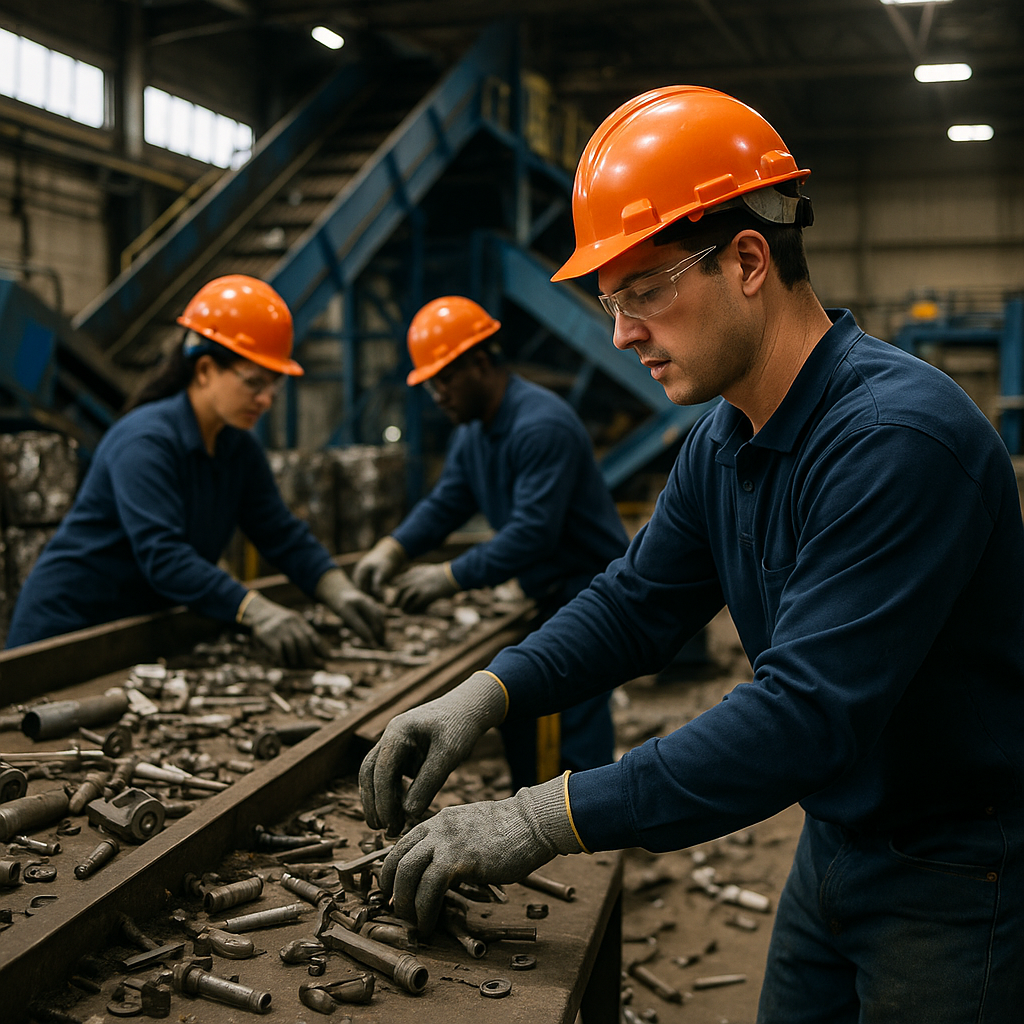
Leading metal processors deliver comprehensive service packages that extend beyond simple scrap collection. These companies have evolved into full-service partners handling every aspect of the recycling process. Modern facilities process multiple material streams while maintaining strict quality standards for end products.
Comprehensive Logistics And Transportation Solutions
Top-tier metal recycling companies offer complete logistics management with specialized transportation fleets. Roll-off containers and flatbed services accommodate small commercial pickups to large industrial cleanouts. These providers coordinate scheduled deliveries and collections to reduce disruption to client operations.
Advanced logistics networks span multiple regions to reduce transportation costs and environmental impact. Companies maintain strategically located processing facilities serving as collection hubs for efficient material flow. Professional drivers and specialized equipment ensure safe handling of various metal grades during transport.
Scrap Management Programs
Professional metal recyclers design customized scrap management programs to optimize client floor space and workflow efficiency. These programs include on-site container placement, regular collection schedules, and inventory management systems. Facilities receive containers in multiple sizes to suit different production volumes and material types.
Scrap management extends to sorting and segregation services maximizing material value. Trained personnel separate different metal grades to ensure proper pricing and processing. Real-time tracking systems provide clients with detailed reports on material volumes and revenue generation.
Electronics Recycling And Precious Metal Recovery
Many metal recycling companies have expanded into electronics recycling to recover valuable metals from post-consumer electronics and IT assets. These operations extract precious metals, including gold, silver, platinum, and palladium, from circuit boards, connectors, and other electronic components. Specialized processing equipment separates these materials through mechanical and chemical methods.
Electronics recycling requires sophisticated handling due to the complex composition of modern devices. Companies process computers, servers, telecommunications equipment, and consumer electronics through dedicated processing lines. Material recovery rates often surpass traditional mining operations for certain precious metals.
Certified Data Destruction Services
Data security has become a critical component of electronics recycling services. Professional recyclers provide certified data destruction that meets NIST 800-88 guidelines and industry compliance standards. Physical destruction methods include hard drive shredding and degaussing to ensure complete data elimination.
Chain of custody documentation tracks IT assets from collection through final destruction. Certificates of destruction provide legal protection for organizations disposing of sensitive information. Many companies offer on-site data destruction services using mobile shredding equipment for maximum security assurance.
Material Refinement And Specification-Grade Processing
Advanced metal recycling companies refine scrap materials into specification-grade products that meet strict industry standards. This processing involves sorting, cleaning, and transforming scrap into furnace-ready materials for steel mills and foundries. Quality control measures ensure consistent chemical composition and physical properties.
Specification-grade materials command premium pricing due to their reliability in manufacturing applications. Processing facilities use analytical equipment to verify material composition and remove contaminants. The refinement process transforms mixed scrap into standardized products that integrate seamlessly into steel production operations.
| Service Offering | Key Features | Business Benefit |
|---|---|---|
| Custom Logistics | Flatbeds, roll-offs, scheduled pickup. | Reduced transportation costs & timely removal. |
| Scrap Management | On-site containers, inventory tracking. | Optimized floor space & workflow efficiency. |
| IT Asset Disposition (ITAD) | Data destruction, e-waste recycling. | Data security compliance (NIST 800-88). |
| Specification Processing | Purification to mill-ready standards. | Premium pricing for high-quality inputs. |
Value-added services distinguish leading metal recycling companies from basic scrap dealers. These comprehensive offerings help clients achieve sustainability goals while maximizing material recovery value. Professional recyclers continue expanding service capabilities to meet evolving industry demands for responsible material management.
What Advanced Technologies Do Modern Processors Use?
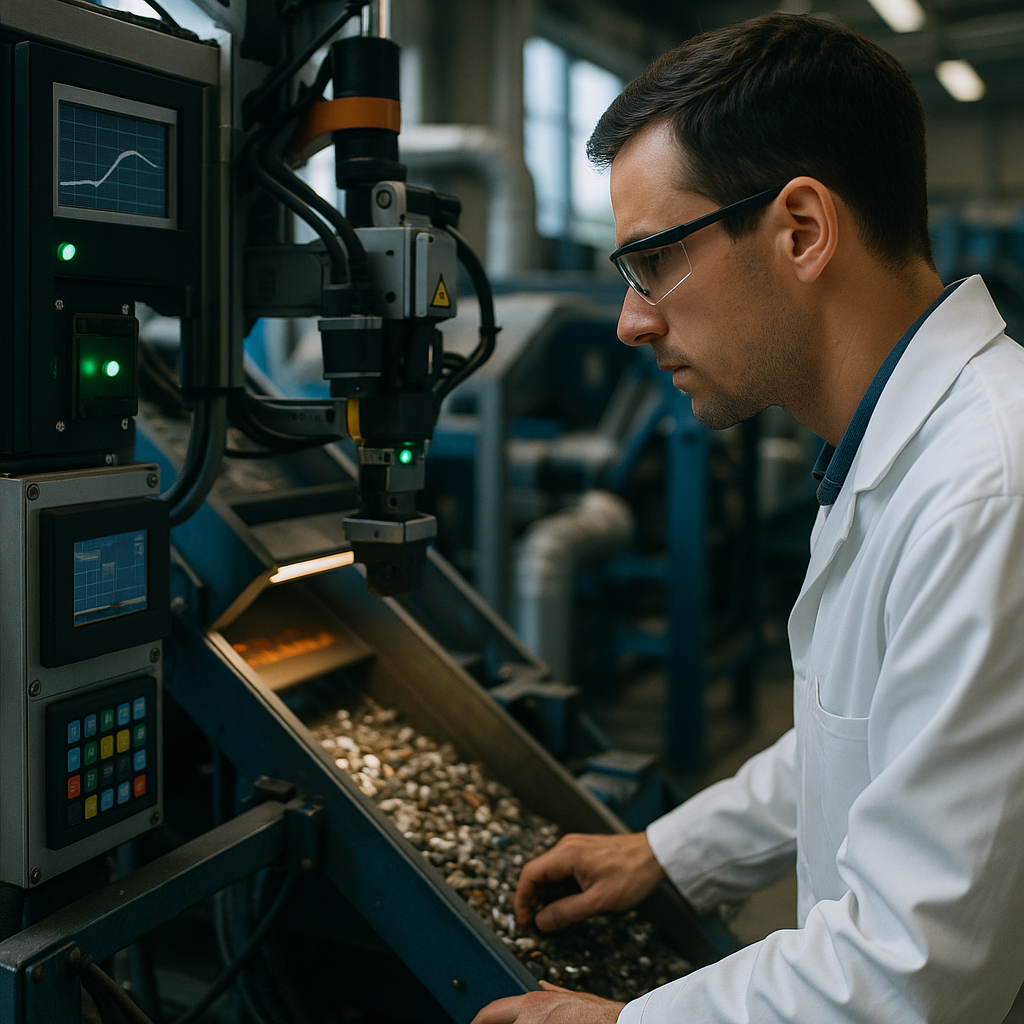
Modern recycling facilities have evolved from using basic magnetic separation to sophisticated technological operations. We now employ advanced spectroscopic sensors for instant chemical analysis of complex metal alloys. These systems ensure precise material identification and accurate pricing for our customers.
X-ray fluorescence (XRF) technology is a significant advancement in metallurgical verification. XRF devices analyze the elemental composition of materials by detecting characteristic X-rays emitted when samples face high-energy radiation. This technology identifies trace amounts of metals and contaminants, allowing us to accurately grade and price even the most complex alloy mixtures.
Laser-Induced Breakdown Spectroscopy (LIBS) offers further precision in material analysis. LIBS systems use lasers to create plasma, emitting light with wavelengths specific to different elements. This process provides immediate chemical breakdowns of alloys, ensuring accurate sorting and optimal market pricing for recovered materials.
AI-powered robotic arms have transformed automated separation in our facilities. These systems integrate high-resolution cameras with machine learning algorithms to identify and sort materials quickly and accurately. Robotic arms with advanced sensors can process thousands of items per minute while maintaining sorting precision that exceeds 95% under optimal conditions.
Optical sensors with artificial intelligence enable us to sort commingled metals like aluminum, copper, and brass with nearly 100% accuracy. These systems analyze multiple material characteristics simultaneously, including color, shape, size, and reflectivity patterns. This technology eliminates human error from the sorting process while dramatically increasing throughput and material purity.
Machine learning algorithms enhance our sorting capabilities by analyzing patterns in waste streams and adapting to new material types. The systems learn from operational data to optimize sorting parameters in real time. This adaptive technology ensures high recovery rates even as material compositions change, directly benefiting our customers through consistent quality and competitive pricing.
What Distinguishes Ferrous From Non-Ferrous Metals?
Iron content fundamentally differentiates ferrous metals from non-ferrous ones. Ferrous metals have iron as their main component, while non-ferrous metals have little to none. This compositional distinction results in unique properties that influence our recycling processes for these materials.
The iron in ferrous metals gives them magnetic properties. Steel, cast iron, and carbon steel can be separated using magnetic equipment. In contrast, non-ferrous metals like aluminum, copper, and brass are not magnetic and require different sorting and recovery technologies.
Strength And Structural Properties
Ferrous metals are renowned for their tensile strength and durability. Steel, in particular, offers excellent structural integrity, making it ideal for construction, bridges, and industrial machinery. However, iron’s presence also makes ferrous metals prone to rust when exposed to moisture.
Non-ferrous metals are noted for their malleability and resistance to corrosion. Aluminum retains its structure without rusting, valuable for aerospace and outdoor uses. Copper’s excellent electrical conductivity and corrosion resistance are crucial for wiring and electronics.
Performance Characteristics In Applications
Electrical conductivity is a key factor distinguishing these metal types in applications. Non-ferrous metals like copper offer superior conductivity, essential for electrical systems and electronics. Their non-magnetic nature prevents interference with sensitive equipment.
Ferrous metals are vital for structural and magnetic uses where strength is prioritized over conductivity. Steel is a staple in construction, automotive frames, and machinery. Ferrous metals’ magnetic properties are critical for motors, generators, and recycling facility separation systems.
| Property | Ferrous Metals | Non-Ferrous Metals |
|---|---|---|
| Main Component | Iron (Fe) | Copper, Aluminum, Zinc, etc. |
| Magnetism | Magnetic | Non-Magnetic |
| Corrosion Resistance | Low (Prone to rust) | High (Resistant to rust) |
| Common Examples | Steel, Cast Iron, Wrought Iron | Aluminum, Copper, Brass, Lead |
Recycling And Processing Considerations
These differences influence recycling and processing methods. Ferrous metals need rust removal and purification before reprocessing. Conversely, non-ferrous metals retain their characteristics over multiple recycling cycles and are more valuable due to their corrosion resistance and specialized electronics and aerospace applications.
Weight differences also affect operations. Non-ferrous metals are typically lighter than ferrous ones, impacting transportation costs and handling. For instance, aluminum is about one-third the weight of steel, which enhances shipping efficiency and product applications where weight is crucial.
Conclusion: Choosing A Leader In Metal Processing

Choosing a commercial scrap metal processor involves evaluating their processing capacity, range of services, and use of advanced technology. Industry leaders utilize extensive networks and innovations like AI-powered sorting to support a circular economy and provide essential ESG reporting data. Partnering with a high-capacity, professional processor ensures transparent pricing, regulatory compliance, and maximized material recovery, contributing significantly to energy savings and a reduced carbon footprint.
The circular economy can achieve energy savings of up to 95% for aluminum recycling and up to 74% for steel compared to virgin production. For businesses seeking a professional, high-capacity sustainability partner offering transparent pricing and detailed ESG reporting, contact Okon Recycling at 214-717-4083 for comprehensive solutions that maximize material recovery while meeting regulatory compliance standards.
Send Us a Message
Questions about what we do? Interested in commercial services? Let us know below and a member of our team will get back to you.