5901 Botham Jean Blvd, Dallas, TX 75215
How to Dispose of Old HVAC Units and Recover Scrap Value
February 16, 2026The legal framework governing HVAC disposal is established by Section 608 of the Clean Air Act, setting strict regulations for handling refrigerants in air conditioning and refrigeration equipment. These federal regulations acknowledge that HVAC systems contain potent greenhouse gases and ozone-depleting substances that pose significant environmental threats when released into the atmosphere.
R-22 and R-410A refrigerants found in HVAC systems are classified as hazardous substances under EPA oversight. R-22, a hydrochlorofluorocarbon (HCFC), has nearly 2,000 times the global warming potential of carbon dioxide and contributes to ozone layer depletion. While R-410A does not deplete the ozone layer, it remains a powerful greenhouse gas requiring careful handling and disposal.
The environmental impact of improper refrigerant release extends beyond immediate air quality concerns. These substances can persist in the atmosphere for decades, gradually migrating to the stratosphere where they break down and release chlorine or bromine atoms. This process directly contributes to ozone layer destruction and accelerates climate change by enhancing greenhouse effects.
Certification Requirements For Legal Compliance
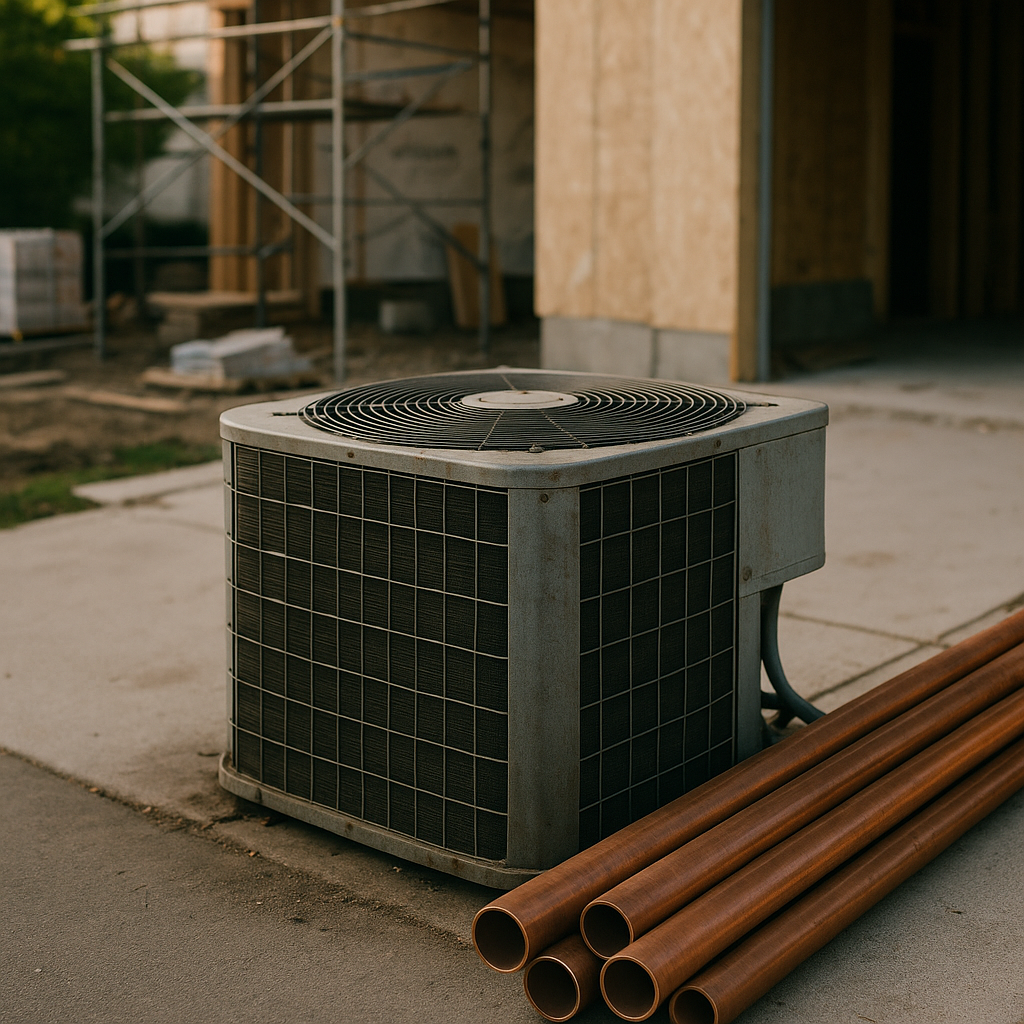
Only EPA-certified technicians are legally authorized to recover refrigerants from HVAC equipment during servicing, maintenance, or disposal. This certification requirement ensures individuals handling these hazardous materials possess the necessary knowledge and skills to prevent environmental contamination. The certification program covers proper recovery techniques, safety protocols, and regulatory compliance standards.
Technicians must complete EPA-approved training and pass examinations to obtain Section 608 certification. This credential does not expire and covers different categories of equipment based on system pressure levels and appliance types. The certification process ensures technicians understand evacuation requirements, recovery equipment standards, and safe disposal practices.
Recovery equipment itself must meet EPA certification standards and performance requirements. EPA regulations require that recovery equipment be tested by approved organizations to ensure it meets established vacuum levels and efficiency standards for different appliance categories.
Severe Financial Penalties For Non-Compliance
Violations of refrigerant handling regulations can result in fines up to $37,500 per day for each violation. The EPA actively enforces these regulations through random inspections, complaint investigations, and facility audits. These substantial penalties reflect the serious environmental consequences of improper refrigerant disposal and serve as a deterrent against negligent practices.
Equipment owners and facility managers are legally responsible for ensuring proper refrigerant handling at their locations. This responsibility includes verifying that contracted service providers possess valid EPA certifications and follow required recovery procedures. Failure to maintain proper documentation or oversee contractor compliance can lead to significant financial liability.
The enforcement framework includes both civil and criminal penalties depending on the severity and intent of violations. Repeat offenders face escalating fines, and cases involving intentional environmental harm may result in criminal prosecution. These legal consequences underscore the federal government’s commitment to protecting environmental sustainability and the ozone layer through strict regulatory oversight.
What Are The Best Options For Getting Rid Of An Old HVAC Unit?
Disposing of an old HVAC unit requires careful consideration of environmental regulations and sustainable practices. Several responsible disposal methods ensure proper waste management, protect the environment from harmful refrigerants, and maximize material recovery.
Professional HVAC Contractor Removal
The most reliable option involves having your licensed HVAC contractor handle the entire removal and recycling process. Professional contractors possess the necessary EPA certification to safely recover refrigerants and understand local environmental regulations. They typically transport old units to certified recycling facilities where metals like copper, aluminum, and steel are recovered for reuse.
This approach eliminates transportation challenges for property owners while ensuring compliance with federal requirements. Most contractors include removal services as part of new system installations, making it a convenient solution for equipment replacement projects.
Specialized Appliance Recycling Centers
Dedicated appliance recycling facilities provide another eco-friendly disposal option for HVAC units. These centers have specialized equipment to safely extract refrigerants and separate valuable materials for processing. Many facilities offer pickup services for large commercial units, though smaller residential systems may require transport to the facility.
Before choosing this route, verify that the recycling center holds proper EPA certifications for refrigerant recovery. This ensures compliance with Section 608 regulations under the Clean Air Act, prohibiting refrigerant venting into the atmosphere.
Utility Company Programs
Many utility companies run bounty or buy-back programs that offer financial incentives for proper HVAC disposal. These programs often target older, inefficient units to promote energy conservation and environmental protection. Property owners typically receive rebates or credits toward new energy-efficient systems.
Contact your local utility provider to inquire about available programs in your area. Program requirements vary, but most focus on units manufactured before specific efficiency standards took effect.
Manufacturer Take-Back Programs
Several HVAC manufacturers offer take-back programs to facilitate the responsible recycling of their products. According to HVAC industry experts, these programs help ensure proper disposal while allowing manufacturers to maintain control over their product lifecycle. Contact your unit’s manufacturer directly to learn about available take-back options and associated requirements.
These programs often coordinate with certified recycling facilities and may offer incentives for participation. Some manufacturers also accept units during trade-in promotions for new equipment purchases.
Donation And Resale Options
Functional HVAC units can find new life through donation to charitable organizations or direct sale to other property owners. This approach maximizes equipment value while extending useful life before eventual recycling becomes necessary. Consider this option for units with significant remaining operational capacity.
Before pursuing donation or sale, ensure the unit operates safely and efficiently. Document maintenance history and recent service records to provide potential recipients with essential system information.
Should You Sell The Unit Whole Or Dismantle It For A Higher Scrap Value?
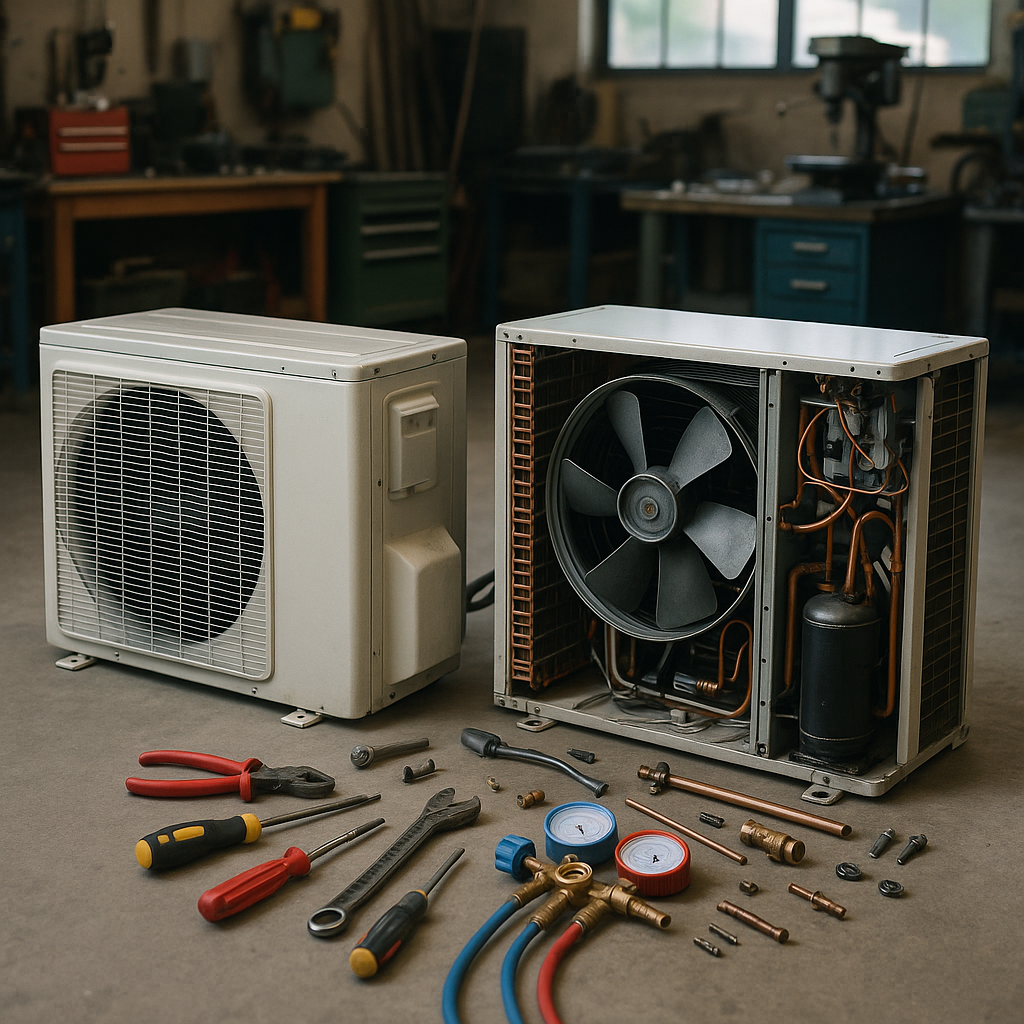
Deciding whether to sell an HVAC unit intact or dismantle it for parts can greatly influence your financial return. Most scrap yards and recycling centers accept whole units, but the payout is usually higher for separated materials. Understanding this trade-off helps municipalities and businesses maximize recycling revenue while managing labor costs effectively.
Selling a complete window unit typically yields $4 to $6 at most scrap yards. However, dismantling the same unit can increase earnings to $12 to $18. The difference is even more pronounced with central air conditioning systems, where whole units might bring in $30 to $50, but dismantled components can exceed $100 in total value.
Financial Benefits Of Dismantling HVAC Components
The higher return from dismantling comes from separating valuable non-ferrous metals that command premium prices. Copper tubing is the most valuable component in most HVAC units. Aluminum fins from condensers also provide substantial returns when properly separated from steel housing.
Electric motors contain copper windings that significantly increase in value when extracted. Steel housing, while less valuable per pound, still contributes meaningful weight to your overall scrap value. Proper separation can double or triple the financial return compared to whole unit sales.
| Unit Type | Selling Whole | Disassembled Value |
|---|---|---|
| Window Unit | $4–$6 | $12–$18 |
| Central Unit | $30–$50 | $100+ |
Labor Requirements And Time Investment
Dismantling requires specialized tools and safety equipment. Professional refrigerant recovery must occur before any dismantling begins, as EPA regulations strictly control these substances. The process typically involves removing copper lines, separating aluminum components, and extracting electric motors.
A typical central air unit requires 30 to 60 minutes for complete dismantling by experienced personnel. Window units generally take 15 to 30 minutes. The labor investment pays off when processing multiple units, as efficiency improves with repetition.
When To Choose Each Option
We recommend selling whole units when labor costs exceed the additional scrap value. Small-scale operations or single-unit scenarios often favor whole unit sales for simplicity. Large-scale municipal programs benefit more from dismantling due to volume economics.
Consider your storage capacity and transportation logistics. Dismantled components require organized separation and proper containers. Whole units simplify handling but may limit load efficiency. Weather exposure affects dismantled materials more than intact units, requiring covered storage.
Market conditions also influence the decision. During peak copper pricing periods, dismantling becomes more attractive. When scrap yards offer competitive whole unit pricing, the labor savings may justify lower per-unit returns. We monitor market fluctuations to advise our partners on optimal timing for different approaches.
What Factors Influence An HVAC Unit’s Scrap Value?
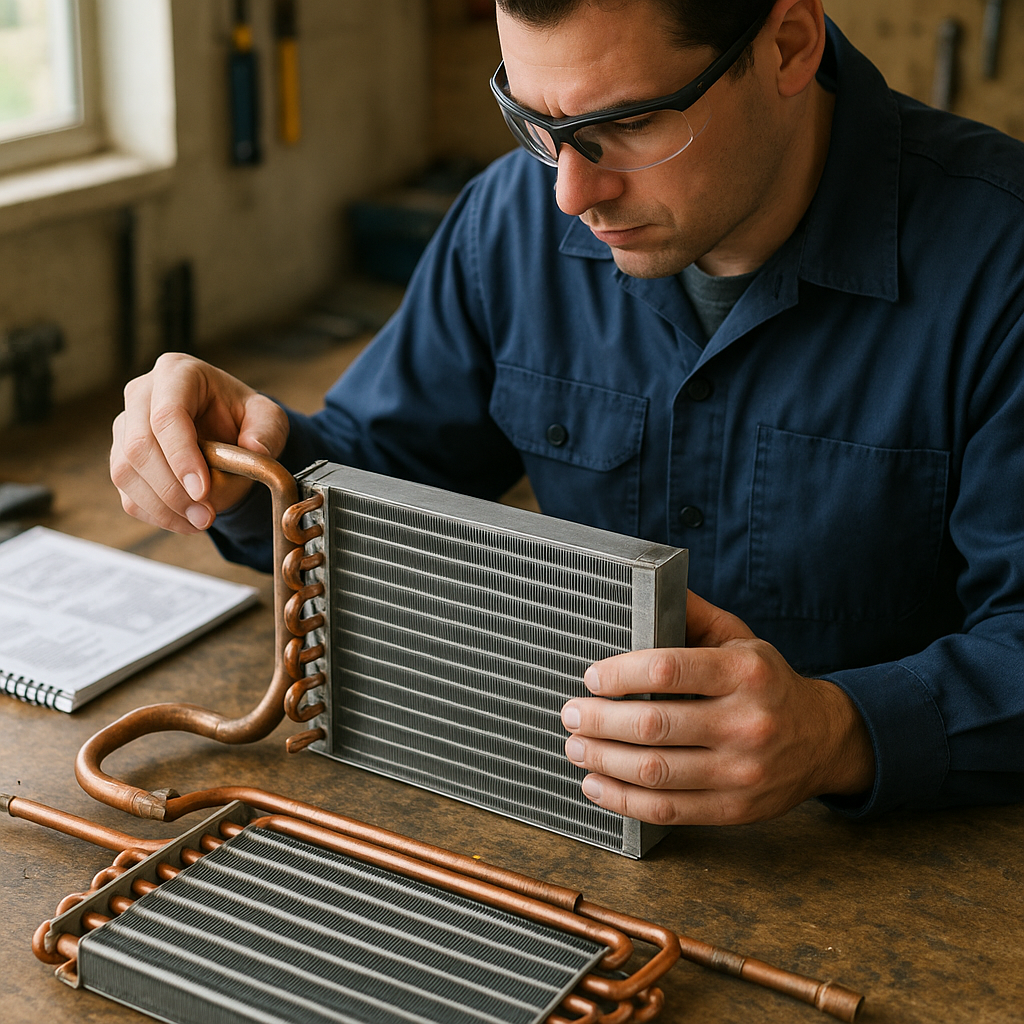
The material composition is the primary driver of an HVAC unit’s scrap value. Units with higher concentrations of copper and aluminum command better prices in the recycling market. Copper tubing and wiring are particularly valuable, with current rates ranging from $3.40 to $3.70 per pound for quality copper. Aluminum components, including radiators and fins, also add substantial value at about $1.85 per pound for clean aluminum-copper coils.
The type of unit affects material content and overall worth. Central air conditioning systems typically contain more valuable metals than window units due to their larger size and extensive copper refrigerant lines. Commercial HVAC systems offer the highest returns, containing substantial amounts of copper coils, aluminum heat exchangers, and steel components, generating between $50 and $200 depending on proper dismantling and sorting.
Market Rate Fluctuations
Daily commodity market fluctuations significantly influence scrap metal pricing. Copper, aluminum, and steel prices change based on global supply and demand conditions, energy costs, and economic factors. These variations can affect an HVAC unit’s value, making timing crucial for maximizing returns.
Current market conditions in industrial recycling reflect ongoing demand for non-ferrous metals. Supply chain disruptions, mining production levels, and international trade policies contribute to price volatility. We monitor these trends to provide accurate valuations reflecting real-time metal commodity prices.
Unit Size And Weight Considerations
Physical dimensions and weight correlate with scrap value potential. Larger commercial units generally contain more recoverable materials than residential systems. A typical window air conditioner weighs between 40 and 90 pounds, while commercial outdoor condenser units can weigh 150 to 250 pounds or more.
Heavier units often suggest substantial metal content, especially in older models made with more robust materials. The increased material volume in larger systems translates to higher total scrap values when appropriately processed and separated.
Condition And Integrity Impact
The condition of an HVAC unit affects its recyclable value. Intact units with undamaged components retain higher scrap values compared to those with missing parts, excessive rust, or damaged coils. Clean, well-maintained systems allow for more efficient material recovery and sorting processes.
Corrosion and damage can contaminate valuable metals, reducing their grade and market value. Units with severely damaged copper coils or aluminum components may receive lower pricing due to the extra processing needed to achieve quality recycled materials.
Local Scrap Yard Policies
Recycling facilities vary in pricing structures and acceptance policies, impacting returns. Some scrap yards specialize in HVAC equipment and offer premium pricing for properly prepared materials. Others may accept complete units but provide lower compensation due to the additional processing needed.
Payment methods, minimum quantity requirements, and transportation arrangements differ between facilities. We collaborate with certified scrap processors who recognize the value of properly sorted HVAC materials and provide transparent pricing based on current market conditions. These partnerships ensure optimal returns while maintaining compliance with environmental regulations and industry standards.
Final Steps To Maximize Your Return
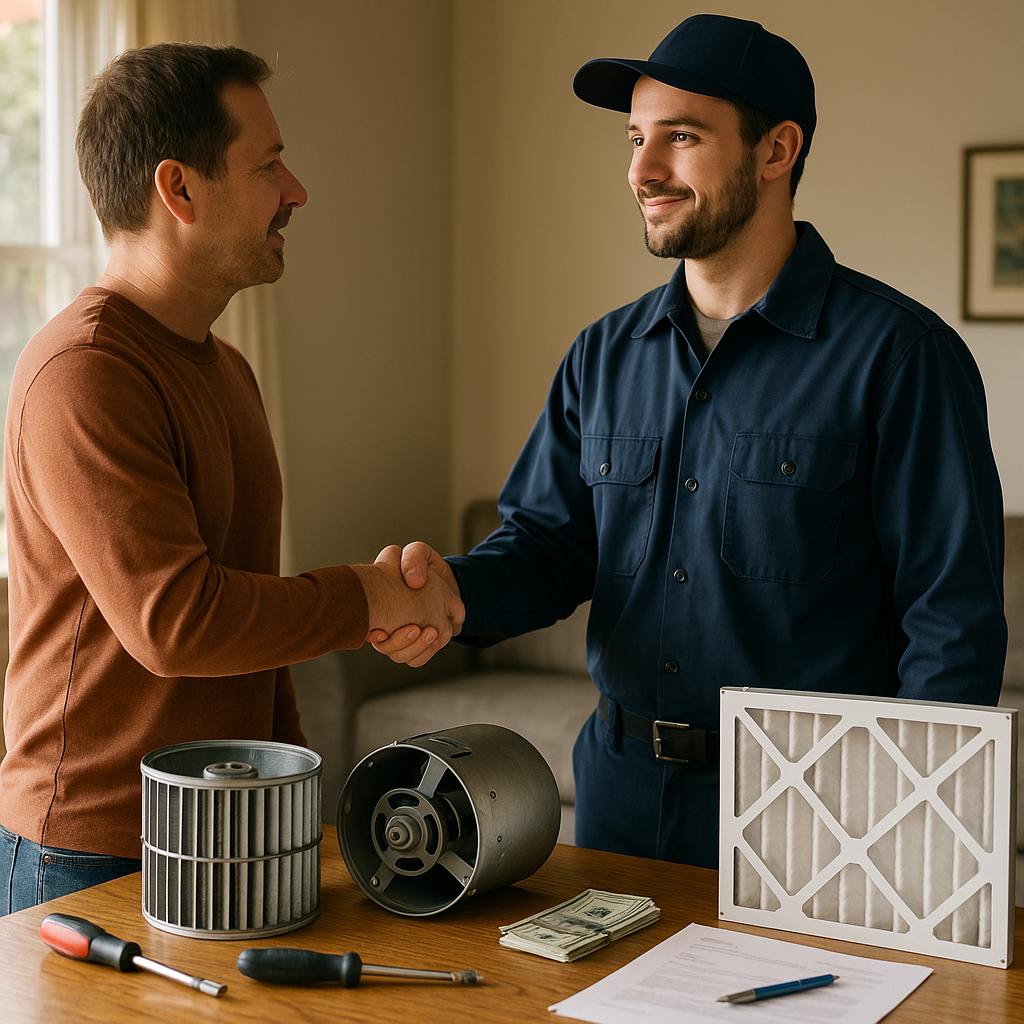
Your old HVAC unit retains value even after it stops working. Understanding the importance of proper and legal disposal, especially refrigerant recovery by certified professionals, helps protect the environment and avoid hefty fines. To maximize your financial return, separate valuable metals like copper, aluminum, and steel. Whether you hire a professional service or take it to a local scrap yard, converting yesterday’s junk can lead to today’s earnings while contributing to a circular economy.
Turn your old HVAC equipment from a disposal burden into a profitable opportunity by teaming up with experienced recycling professionals who understand both regulatory compliance and material recovery. Contact Okon Recycling at 214-717-4083 for comprehensive HVAC recycling services that maximize your returns while supporting sustainable disposal practices.
Send Us a Message
Questions about what we do? Interested in commercial services? Let us know below and a member of our team will get back to you.