5901 Botham Jean Blvd, Dallas, TX 75215
Why Is Sorting Ferrous vs Non-Ferrous Metals Crucial for Getting Better Prices?
April 1, 2026Properly sorting your scrap metal can increase your returns by up to 40% compared to selling mixed materials. This significant price difference occurs because scrap yards pay based on metal type and purity. When materials are correctly separated, recyclers can process them more efficiently and offer better compensation for quality inputs.
The fundamental distinction in scrap metal recycling lies between ferrous and non-ferrous metals. Ferrous metals contain iron as their primary component, making them magnetic when tested with a magnet. Non-ferrous metals lack iron content and will not attract magnets. This basic difference significantly affects their market value.
Non-ferrous metals typically command higher prices than their ferrous counterparts due to their specialized applications and recyclability properties. Materials like copper, aluminum, and brass maintain their valuable characteristics through multiple recycling cycles. Meanwhile, ferrous metals such as steel and cast iron, while abundant and recyclable, generally fetch lower per-pound rates in the global scrap metal recycling market. Understanding this distinction enables sellers to maximize their payout while supporting efficient materials recovery in the recycling industry.
What Are The Basic Techniques For Separating Scrap Metal?
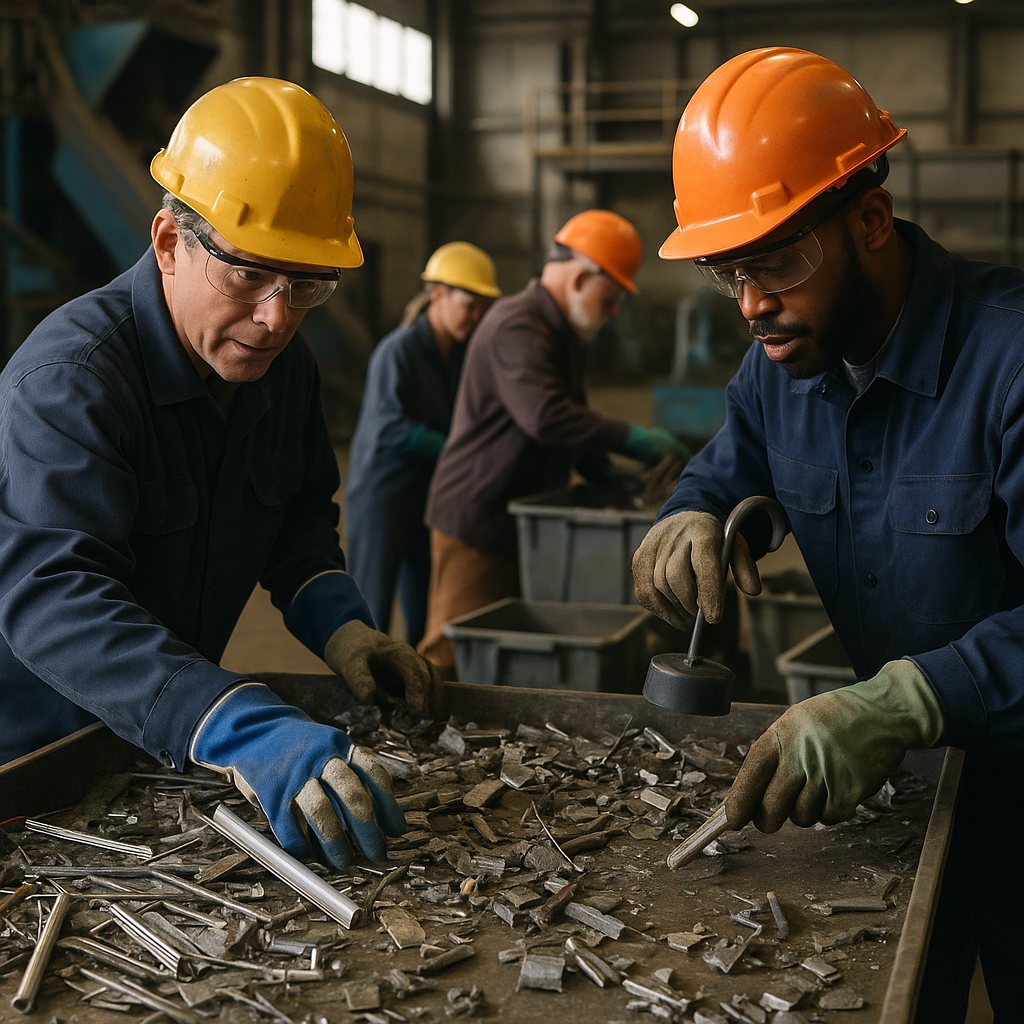
Effective scrap metal separation relies on three fundamental techniques that work together to identify and sort materials accurately. These methods require minimal equipment yet deliver reliable results for both small-scale operations and industrial recycling facilities.
The Magnet Test Method
The magnet test is essential for metal sorting operations. This technique instantly separates ferrous from non-ferrous materials based on magnetic attraction.
To conduct an effective magnet test:
- Use a strong magnet, preferably a neodymium magnet for reliable results
- Hold the magnet near the metal piece without forcing contact
- Observe if the magnet sticks firmly to the material
- Place magnetic metals in ferrous containers and non-magnetic metals in non-ferrous bins
Ferrous metals like steel and cast iron will show strong magnetic attraction, while non-ferrous metals such as copper, aluminum, and brass will not. This test divides materials into two major categories and forms the basis for further identification.
Visual Inspection Techniques
Visual identification allows recyclers to distinguish between different non-ferrous metals using physical characteristics. Color and weight serve as primary indicators for accurate metal identification.
Key visual identification markers include:
- Copper: Reddish-brown color with considerable weight for its size
- Aluminum: Light silver appearance with a notably lightweight feel
- Brass: Golden yellow color with moderate to heavy weight
- Stainless steel: Silver color with dull finish, may show slight magnetic properties
Weight comparison provides further confirmation. For instance, copper feels significantly heavier than aluminum when comparing similar-sized pieces. Lead is surprisingly heavy relative to its dimensions. These physical differences help recyclers make preliminary identifications before applying more definitive tests.
Surface characteristics also reveal important information. Fresh scratches with a metal file can uncover true metal colors beneath surface coatings or oxidation, particularly valuable for painted or weathered materials.
Spark Test For Steel Identification
The spark test uses grinding equipment to identify different steel types and carbon levels. This method produces distinctive spark patterns that indicate specific metal compositions.
Performing a spark test requires:
- Safety equipment including protective eyewear and gloves
- A bench grinder or angle grinder with an appropriate wheel
- Good lighting to observe spark characteristics clearly
- Reference materials for spark pattern comparison
Different metals produce unique spark patterns. Low-carbon steel generates minimal sparks, high-carbon steel creates long, bright spark streams, and cast iron produces short, dense sparks. According to industry testing methods, these patterns help determine carbon content and steel grades with reasonable accuracy.
Experience is crucial for accurately interpreting spark test results. New operators should practice with known materials to develop recognition skills, maintaining consistent grinding pressure and wheel contact for reliable patterns.
Combining Methods For Maximum Accuracy
Professional recycling operations combine these three techniques for comprehensive material identification. Begin with the magnet test to separate ferrous and non-ferrous materials. Apply visual inspection to categorize non-ferrous metals by type. Employ spark testing to identify steel grades and carbon content levels.
This systematic approach ensures accurate sorting and maintains operational efficiency. Each method validates the others, reducing identification errors and maximizing material recovery rates. Proper technique application leads to higher purity levels in sorted materials and improved recycling returns.
How Can You Maximize Value After The Initial Sort?
Maximizing scrap metal value requires strategic refinement beyond basic ferrous and non-ferrous separation. The key is understanding that recycling facilities pay premium prices for materials sorted by specific type and grade. This additional effort can increase returns by 20-40% compared to mixed scrap materials.
Sort Non-Ferrous Metals By Specific Categories
Non-ferrous metals command higher prices when separated into distinct categories rather than grouped together. Copper should be isolated from brass, and both should be kept separate from aluminum. Each metal type has different market values and processing requirements.
Copper typically offers the highest returns among common non-ferrous metals. Its distinctive reddish-brown color makes identification straightforward. Brass exhibits a yellowish or golden hue and feels heavier than aluminum. Aluminum appears silvery-white with a lighter weight compared to other metals.
Stainless steel presents a unique case within non-ferrous sorting. While it contains iron, many grades have low magnetic properties. Visual inspection combined with weight assessment helps distinguish it from regular steel.
Separate Materials By Grade Within Each Category
Grade separation within metal categories significantly impacts pricing. Properly sorted non-ferrous metals can increase recycling returns by 20-40% compared to mixed scrap. #1 Bare Bright Copper represents the highest grade, commanding 10-30% more per pound than #2 copper.
#1 copper includes clean, uncoated wire with no attachments and minimal contaminants. It must be at least 96% pure. #2 copper includes materials with paint, solder, or some attachments but remains valuable.
Aluminum alloys require similar grade distinctions. Clean aluminum extrusions fetch higher prices than cast aluminum from engine parts. Aluminum with steel attachments falls into a lower-paying category.
Remove Contaminants And Non-Metal Attachments
Contamination removal directly affects material classification and pricing. Clean scrap metal refers to materials free from oil, grease, paint, excessive corrosion, or non-metal attachments. This cleaning process can increase value by 30-50%, especially for high-value metals like copper.
Copper wire stripping demonstrates the value of removing contaminants. Stripping insulation from copper wire transforms it from insulated wire pricing to bare copper pricing. Use wire strippers for smaller gauge wire and utility knives for larger bundles. The time investment typically justifies the return.
Remove plastic handles from tools, rubber hoses from metal fittings, and steel screws from non-ferrous materials. Even partial cleanup can move materials into higher-paying categories. Basic tools like wire cutters, pliers, and screwdrivers speed up this process.
Organize Sorted Material In Labeled Systems
Organizational systems prevent accidental mixing and ensure material purity. Use sturdy bins for heavier metals like copper and brass, while lightweight containers work well for aluminum. Label each container clearly to specify metal type and grade.
Labeled bins serve multiple purposes beyond organization. They demonstrate material knowledge to recycling facility staff and expedite the evaluation process. Clear labeling also prevents cross-contamination during transport and storage.
Bundle similar materials when possible and maintain rough weight estimates. Neatly sorted and bundled scrap receives faster processing and more accurate pricing. This efficiency benefits both the recycler and the processing facility.
Conclusion: Smart Sorting Is Profitable And Sustainable
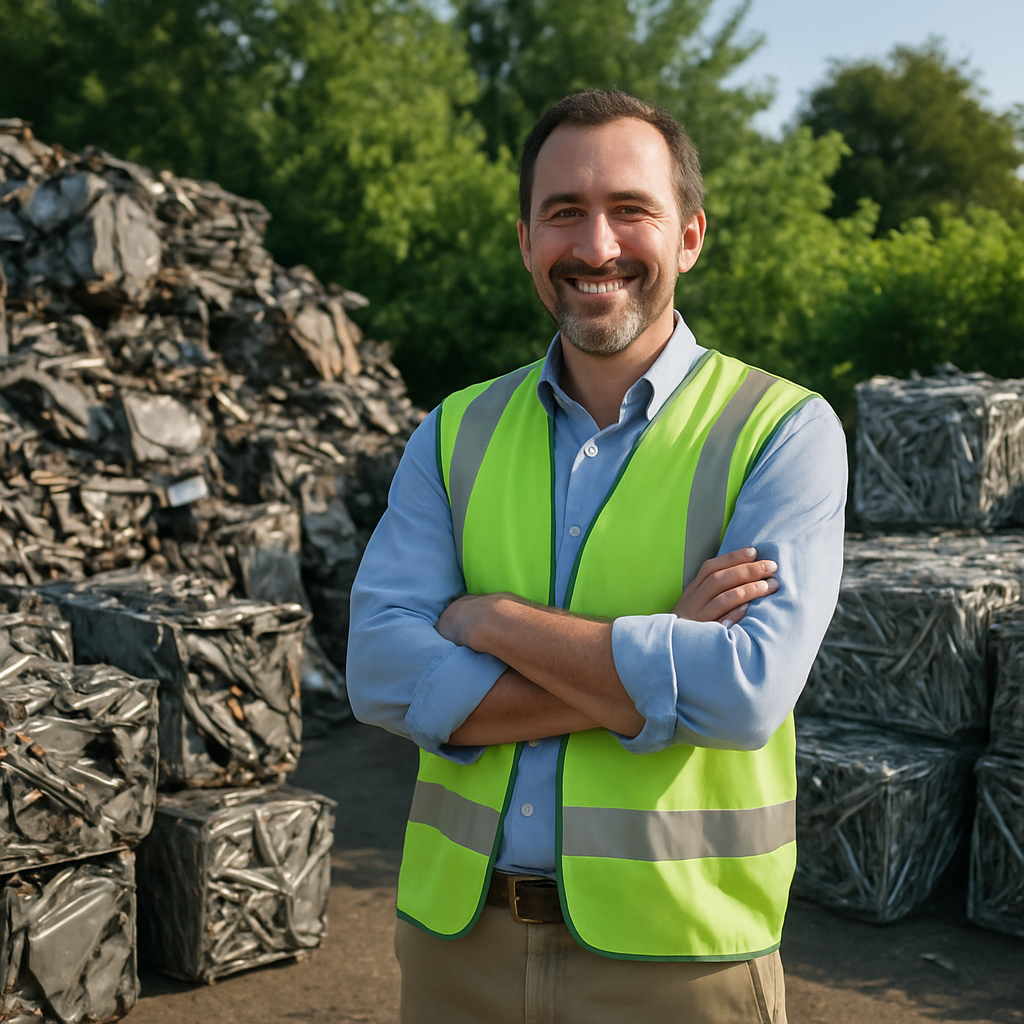
Properly sorting ferrous and non-ferrous metals is a crucial strategy that directly impacts your profit. By using straightforward tools like a magnet and organizing your scrap by type and grade, you can ensure the highest possible payout. This preparation not only benefits your finances but also supports a more efficient recycling process and a healthier planet.
The financial benefits are evident. Sorted scrap metal can increase returns by 20-40% compared to mixed materials. Besides higher earnings, your organized approach contributes to environmental sustainability by reducing energy consumption and conserving natural resources. Ready to maximize your scrap metal profits while supporting responsible recycling practices? Contact Okon Recycling at 214-717-4083 for expert guidance and competitive scrap yard prices.
Send Us a Message
Questions about what we do? Interested in commercial services? Let us know below and a member of our team will get back to you.