5901 Botham Jean Blvd, Dallas, TX 75215
What Is the Best Method to Sort Ferrous vs Non-Ferrous Metals for Higher Value?
April 1, 2026Effective scrap metal sorting can increase your recycling returns by up to 30% over mixed materials. This improvement results from separating ferrous metals from non-ferrous metals using systematic techniques. The process involves basic tools, organizing materials into dedicated containers, and removing contaminants that reduce value.
Ferrous metals contain iron and adhere to magnets. These include steel, cast iron, and wrought iron, commonly found in construction materials and appliances. Non-ferrous metals, lacking iron content, do not respond to magnets. Copper, aluminum, brass, and zinc fall into this category and typically command higher prices per pound due to their specialized applications and corrosion resistance.
Recyclers offer premium prices for pre-sorted, clean metals because they require less processing time and energy. Mixed scrap forces recycling facilities to invest additional resources in separation, reducing the price they can offer. Understanding the differences between metal types and implementing proper sorting techniques transforms scrap metal collection from basic waste removal into a profitable venture that supports the circular economy.
How Do You Distinguish Between Ferrous And Non-Ferrous Metals?
The magnet test is a fundamental sorting method in metal recycling. This straightforward technique separates metals based on their iron content, creating a clear division between two categories. It requires only a strong magnet and takes seconds to perform, making it an essential first step in any metal sorting process.
Performing The Basic Magnet Test
Start with a strong magnet, such as a neodymium magnet or even a refrigerator magnet for basic sorting. Place the magnet directly against the metal surface you want to test. Observe whether the magnet sticks firmly to the material or shows no attraction.
The magnetic response offers immediate classification. If the magnet sticks firmly, the metal contains iron and is classified as ferrous. If the magnet shows no attraction or pulls away easily, it is identified as non-ferrous.
Understanding The Results
Ferrous metals contain iron as their primary component, which gives them magnetic properties. Steel, cast iron, and most automotive parts are part of this category. These materials typically appear darker and may show signs of rust or corrosion over time.
Non-ferrous metals lack iron content and remain unaffected by magnetic fields. Aluminum, copper, brass, and precious metals belong to this group. These materials often maintain their luster better and resist rust formation.
Value Implications Of Proper Sorting
Non-ferrous metals command significantly higher prices at recycling facilities due to their advantageous properties and market demand. Copper, aluminum, and brass can be worth 20-40% more than mixed scrap when properly sorted. This price differential makes the magnet test crucial for maximizing recycling returns.
The separation process allows recyclers to direct materials to the appropriate processing streams. Ferrous metals typically require different handling and processing equipment than non-ferrous materials. Proper initial sorting reduces contamination and improves the quality of recycled products.
What Tools Are Essential For Preparing Scrap Metal?

Successful scrap metal preparation requires specific tools that enhance both safety and profitability. These essential implements transform raw metal waste into valuable recyclable materials through proper sorting and cleaning processes.
The core of any scrap metal operation begins with these essential tools. Each serves a distinct purpose in maximizing material value while protecting workers from common hazards.
Strong Magnet For Initial Sorting
A powerful magnet is a critical tool for scrap metal sorting. This simple device instantly separates ferrous metals containing iron from non-ferrous metals that typically command higher prices.
A neodymium magnet provides superior performance compared to standard refrigerator magnets. These rare earth magnets cost approximately $10-15 online but deliver more accurate results when testing metal composition.
The magnet test follows a straightforward process. When metal adheres to the magnet, it indicates ferrous material like steel or iron. Non-magnetic metals such as copper, aluminum, and brass typically fetch better prices at recycling facilities.
Essential Safety Equipment
Personal protective equipment protects workers from the sharp edges and contaminants common in scrap metal handling. Safety glasses shield eyes from metal fragments and debris that can cause serious injuries during sorting and preparation.
Cut-resistant gloves provide essential hand protection against razor-sharp metal edges. Level 4 or 5 protection gloves offer optimal defense while maintaining dexterity for detailed sorting work.
Steel-toed boots complete the basic safety ensemble. These protect feet from falling objects and provide stable footing when handling heavy metal pieces.
Sorting Containers And Organization
Clearly labeled sorting bins maintain organization and prevent valuable metals from becoming contaminated. Dedicated containers for each metal type streamline the recycling process and maximize returns.
Sturdy plastic bins, buckets, or cardboard boxes work effectively for most home operations. The key lies in using containers that won’t tear during transport and can accommodate the weight of metal materials.
Proper labeling prevents costly mixing errors. When different metals combine in a single container, recycling facilities often pay based on the least valuable metal in the batch, significantly reducing potential profits.
Wire Strippers And Hand Tools
Wire strippers prove invaluable for processing insulated copper wire, one of the most lucrative scrap materials. Removing insulation from copper wire can increase its value by 30-50% compared to insulated wire.
Basic hand tools including screwdrivers, pliers, and wire cutters facilitate the dismantling of complex items. These tools separate different metal types from appliances, electronics, and machinery for individual processing.
A small metal file assists with identification when visual assessment proves difficult. Filing away surface coatings reveals the underlying metal color, helping distinguish between similar-looking materials like brass and bronze.
Maximizing Value Through Proper Preparation
Investment in proper tools directly correlates with increased financial returns. Removing non-metal contaminants like plastic, rubber, and insulation can boost scrap value by 30-50% according to industry data from established recycling operations.
Clean, well-sorted materials command premium prices because they reduce processing costs for recycling facilities. This preparation work transforms ordinary household waste into valuable recyclable commodities that support both environmental sustainability and personal income.
How Do You Identify And Grade Valuable Non-Ferrous Metals?
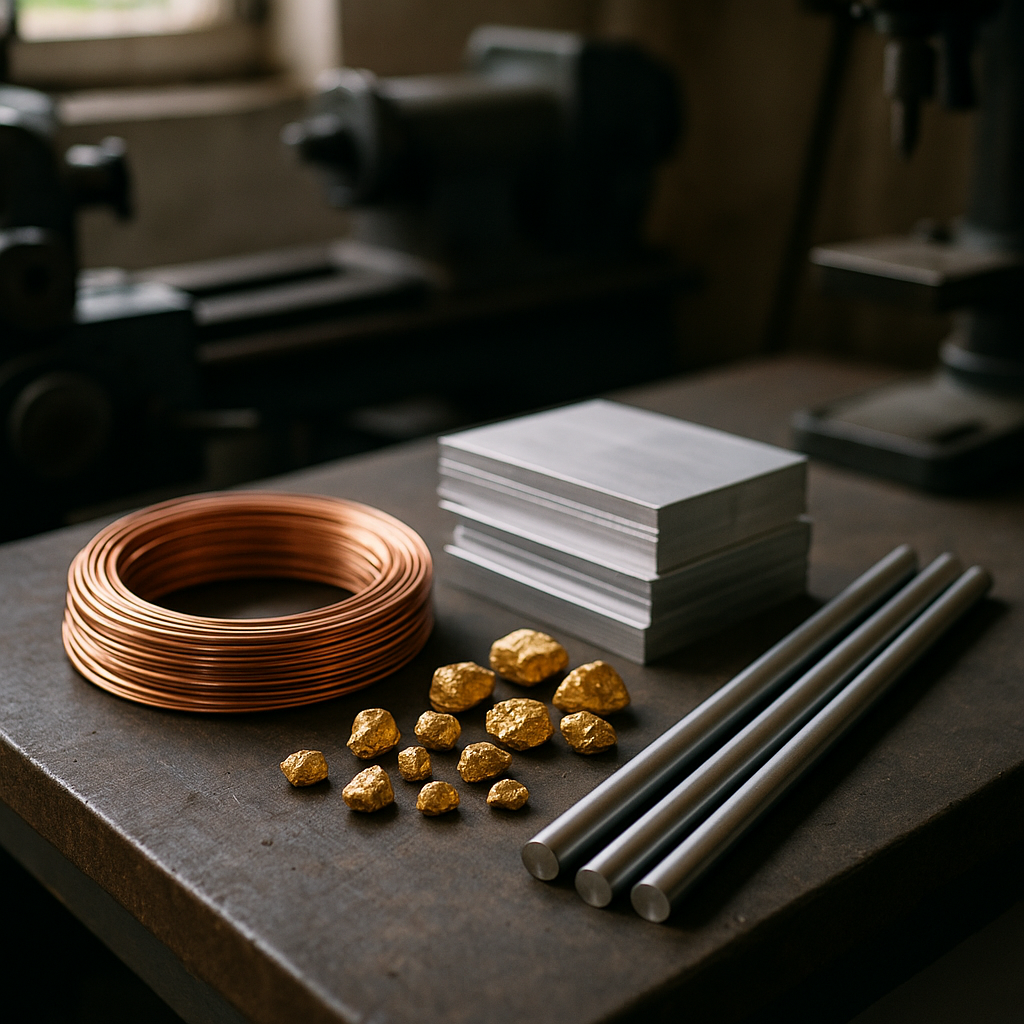
Visual identification lays the groundwork for effective non-ferrous metal sorting. Each metal type exhibits unique traits that enable accurate recognition without specialized tools. Copper has a reddish-brown hue that intensifies when scratched with a file, revealing fresh metal beneath surface oxidation. Aluminum is silvery-white with a dull finish and is noticeably lightweight compared to other metals of similar size. Brass is distinguished by its yellowish-gold color, setting it apart from both copper and aluminum.
Weight is another reliable identification method. Copper feels moderately heavy, whereas aluminum’s lightweight nature makes it easily recognizable. Brass is substantially heavier than aluminum, yet lighter than copper in terms of density. Lead is distinctly heavy for its size and appears bluish-gray, darkening when exposed to air.
Understanding Metal Grade Classifications
Sorting non-ferrous metals by grade beyond basic identification considerably enhances their market value. Each category of metal contains several grades based on purity, contamination, and physical condition. These distinctions directly impact processing costs for recycling facilities and end-user manufacturers.
Copper grading adheres to established industry standards reflecting material purity. #1 Bare Bright Copper is the highest grade, consisting of clean, uncoated copper wire with bright, shiny surfaces, commanding premium pricing due to minimal processing before remelting. #1 Copper includes materials with at least 96% purity and minimal contamination; #2 Copper comprises items with paint, solder, or other attachments reducing purity.
The price differential between copper grades is substantial. According to industry data, #1 copper typically achieves 10-30% higher prices per pound than #2 copper. This significant value difference motivates experienced recyclers to practice thorough sorting, understanding that meticulous preparation leads to increased profits.
Aluminum Grade Variations
Aluminum grading is focused on contamination levels and alloy types. Clean aluminum extrusions, often found in window frames and structural components, represent the highest-value aluminum grade due to minimal attachments and consistent alloy composition, which simplify recycling.
Cast aluminum, typically sourced from engine parts and automotive components, commands different pricing due to its alloy composition and potential contamination. Aluminum cans form a separate category with standardized pricing, while dirty aluminum containing paint, plastic attachments, or steel fasteners receives reduced compensation.
| Metal Type | Grade | Description | Value Impact |
|---|---|---|---|
| Copper | #1 Bare Bright | Clean, uncoated, shiny wire; no oxidation or insulation. | Premium / Highest |
| Copper | #1 Copper | Clean tubing/wire/sheet; min 96% purity. | High |
| Copper | #2 Copper | Oxidized, painted, or soldered; ~94-96% purity. | Moderate (~10-30% less than #1) |
| Aluminum | Clean Extrusion | Window frames/structural pieces; no iron/plastic. | High |
| Aluminum | Cast | Engine blocks, molded parts. | Moderate |
| Aluminum | Dirty/Irony | Contains steel, plastic, or paint attachments. | Low (Requires processing) |
Maximizing Value Through Detailed Sorting
Systematic grading can boost recycling returns by 15-20% compared to basic metal type separation. This is achieved by reducing cross-contamination and minimizing processing requirements at recycling facilities. Clean materials need less energy and fewer chemicals for reprocessing, making them more valuable to end users.
Contamination removal is crucial in grade determination. Stripping insulation from copper wire upgrades it from lower-grade mixed materials to premium bare bright copper. Similarly, removing plastic casings, steel attachments, and paint coatings enhances aluminum and brass materials to higher-value grades.
Special attention is needed for electronic scrap during the grading process. Circuit boards contain various non-ferrous metals, including copper traces, aluminum components, and precious metal plating. Separating these components from plastic housings and steel brackets significantly increases their individual values. Motherboards and telecommunications equipment often have higher concentrations of valuable metals compared to typical consumer electronics.
What Are The Key Financial And Environmental Benefits Of Sorting?

Properly sorting scrap metal offers substantial financial benefits that directly impact profits. Sorted copper can earn up to 50% more than unsorted materials, while sorted aluminum commands around a 40% higher price. These significant value increases occur because recyclers offer premium rates for sorted materials, which lower their processing costs and minimize contamination risks.
The economic benefits extend beyond individual sales, fostering more efficient supply chains. Pre-sorted materials allow recycling facilities to process faster and with less energy. This efficiency translates to lower operational costs, which recyclers pass back to suppliers through higher purchase prices. Clean, sorted materials also decrease the risk of entire loads being rejected due to contamination.
Environmental benefits from effective sorting are equally compelling, especially in energy conservation. Recycling aluminum through proper sorting uses 95% less energy than creating new aluminum from raw materials. This significant energy reduction is due to eliminated mining, ore processing, and smelting operations typical of virgin metal production.
Sorting maximizes resource preservation by maintaining materials’ highest recycling potential. Uncontaminated metals through proper sorting can be recycled repeatedly without degrading in quality. This supports the circular economy by keeping valuable resources in use rather than requiring constant extraction of raw materials from the earth.
| Benefit Category | Unsorted / Mixed Scrap | Properly Sorted Scrap |
|---|---|---|
| Payout Value | Base Rate (Lowest Common Denominator) | Premium Rate (+20% to +50%) |
| Processing Efficiency | Low (Requires heavy machine separation) | High (Direct to melting/refining) |
| Energy Savings (Al) | Reduced due to processing needs | 95% energy reduction vs virgin ore |
| Emissions Impact | Moderate reduction | High reduction (e.g., 9 tons CO2 saved per ton of Al) |
| Pollution Reduction | Varied | Steel: 86% less air pollution, 76% less water pollution |
The greenhouse gas emissions reduction from effective sorting is a measurable environmental impact. Recycling one ton of properly sorted aluminum prevents up to nine tons of carbon emissions compared to primary production. Similarly, sorted steel recycling results in 86% less air pollution and 76% less water pollution compared to virgin steel production.
Conclusion: Maximize Your Payout With Proper Sorting
The most effective method to differentiate between ferrous and non-ferrous metals for higher value is straightforward: start with a magnet, separate by type, remove contaminants, and grade your metals. This systematic approach not only boosts your payout by 20-40% but also promotes a more efficient and environmentally friendly recycling process. By implementing these expert tips, you can transform your scrap pile from a mix of materials into a lucrative source of cash.
Effective sorting turns scrap management from guesswork into a profitable strategy within the recycling industry. Understanding market value differences between metal types and applying proper separation techniques means every load becomes an opportunity to maximize scrap payout.
For professional guidance on converting your scrap into cash with proper sorting methods, contact Okon Recycling at 214-717-4083 for your recycling needs.
Send Us a Message
Questions about what we do? Interested in commercial services? Let us know below and a member of our team will get back to you.