5901 Botham Jean Blvd, Dallas, TX 75215
What is the Process to Recycle Stainless Steel Safely from a Food Plant Shutdown?
April 1, 2026Food processing facilities house millions of dollars in valuable stainless steel equipment. When these plants reach the end of their operational life, the challenge lies in extracting this material while maintaining strict safety and sanitation standards. Unlike standard industrial recycling, stainless steel recycling from food plant shutdown operations requires specialized knowledge of food-grade regulations and decontamination procedures.
The process begins with careful plant decommissioning that prioritizes both worker safety and regulatory compliance. Food facilities pose unique recycling challenges because every surface that contacted food products must be properly cleaned and certified before materials can enter the recycling stream. USDA compliance requirements dictate specific protocols for handling food-grade stainless steel, from initial dismantling to final scrap metal processing.
What Does The Initial Plant Decommissioning Phase Involve?
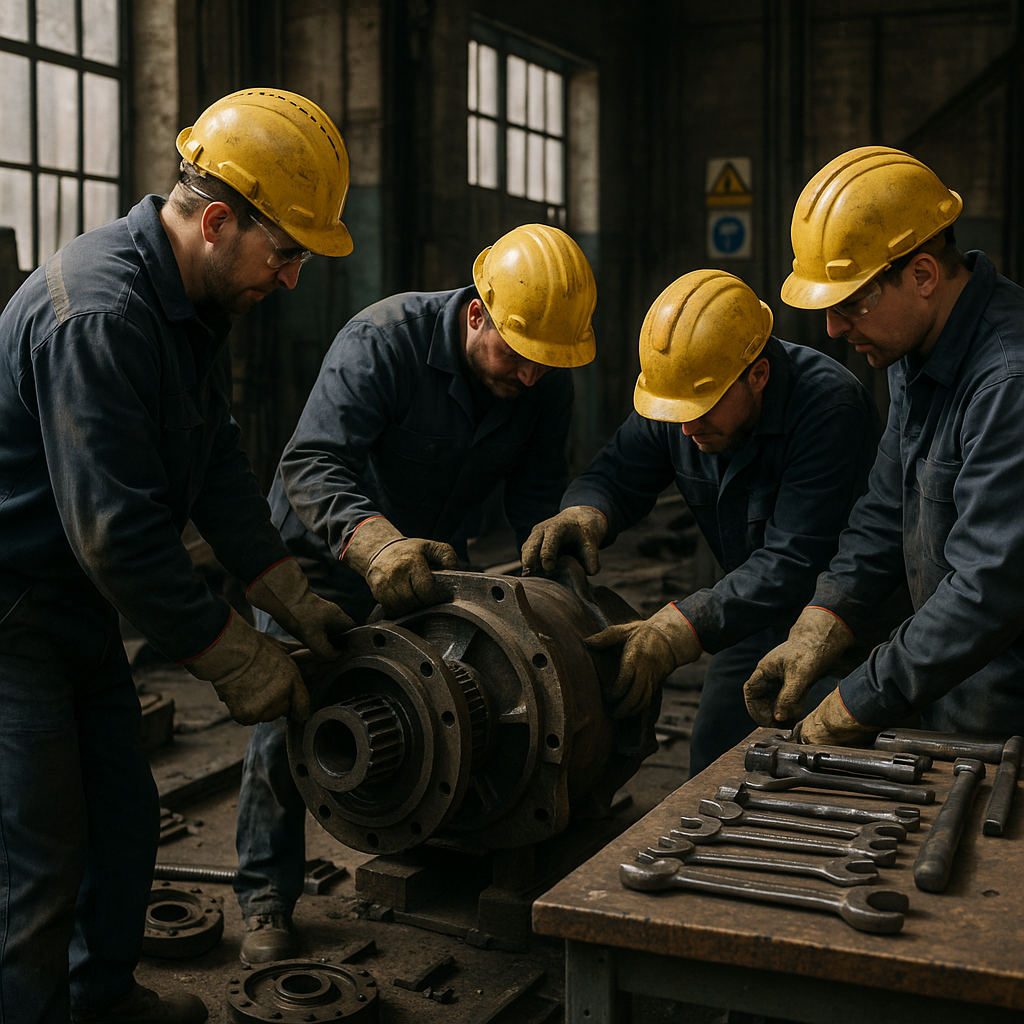
The initial decommissioning phase is critical in any food plant closure project. This phase requires systematic planning and precise execution to ensure compliance with food safety regulations while maximizing asset recovery opportunities. The process involves coordinated shutdown procedures that protect both personnel and valuable equipment during the dismantling operation.
Food plant decommissioning begins with a comprehensive site assessment and hazard identification. We evaluate processing systems, from inventory management protocols to contamination risks specific to food-grade facilities. This assessment establishes the safety parameters needed for each subsequent dismantling activity.
Systematic Shutdown Of Processing Areas
Washdown rooms and processing lines require specialized shutdown procedures that differ significantly from standard industrial facilities. These areas must undergo thorough decontamination before dismantling can begin safely. The shutdown process includes isolating all utilities, draining processing equipment, and implementing lockout procedures to prevent accidental system activation.
Clean-in-place (CIP) systems present unique challenges during the initial phase. These systems contain residual cleaning chemicals and require thorough purging before equipment removal. We coordinate with facility operators to ensure all CIP loops are properly neutralized and drained according to established protocols.
Refrigerant Recovery And Ammonia Loop Management
Ammonia refrigeration systems demand the highest level of safety expertise during decommissioning. We implement specialized procedures to safely purge and recover ammonia from cooling loops while maintaining system pressure integrity. This process requires certified technicians who understand both environmental regulations and worker safety requirements.
The refrigerant recovery process follows EPA guidelines for proper handling and disposal. Ammonia recovery not only ensures regulatory compliance but also offers significant material value that can offset decommissioning costs. Our teams coordinate with licensed refrigerant handlers to maximize recovery rates while maintaining safety standards.
Heavy Equipment Removal And Rigging Operations
Vertical mixers, automation systems, and packaging machines require specialized rigging services for safe removal. These assets often represent substantial salvage value, making careful handling essential for successful asset recovery programs. Rigging operations must account for the unique constraints of food processing facilities, including sanitary design requirements and space limitations.
Stainless steel equipment receives particular attention during removal operations. The precision required to preserve equipment integrity directly impacts its resale value and potential for redeployment. We utilize specialized lifting equipment and protective materials to prevent damage during dismantling and transportation phases.
Documentation plays a crucial role throughout the initial phase. Each piece of removed equipment requires detailed records, including condition assessments, serial numbers, and operational specifications. This documentation supports asset valuation and facilitates equipment remarketing or recycling classification decisions.
How Is The Stainless Steel Scrap Prepared For Recycling?
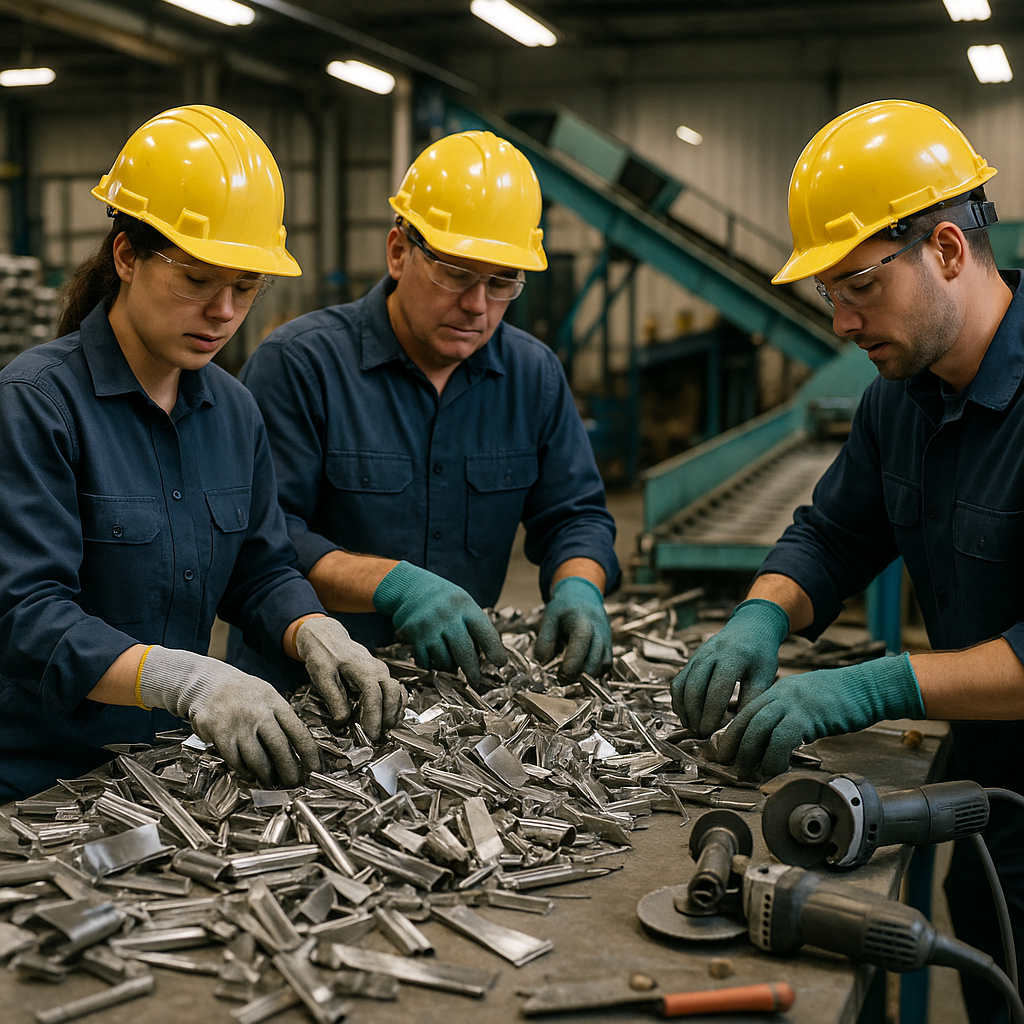
Preparing stainless steel scrap begins with systematic collection and transport from diverse sources such as industrial facilities, construction sites, and manufacturing operations. This stage requires careful handling to prevent contamination and preserve material integrity. Effective transport logistics are crucial, as improperly handled scrap can sustain damage that hampers downstream processing efficiency.
The collection process is distinct from other metals due to the unique properties of stainless steel. Workers must identify genuine stainless steel items through visual inspection and basic testing methods. Since stainless steel must contain at least 10.5% chromium to be classified as stainless, proper identification ensures valuable materials are not mixed with lower-grade metals.
Sorting And Metal Detection Processes
Sorting is critical because it directly impacts the final product quality. Unlike regular steel, stainless steel is non-magnetic due to its chromium and nickel content, requiring advanced separation techniques beyond simple magnetic separation used for ferrous metals.
Metal detectors are the primary tool for identifying stainless steel within mixed scrap streams. These devices distinguish between different metal types based on electrical conductivity and magnetic permeability. Advanced facilities often use optical sorting systems and X-ray technology for more precise separation. Accurate sorting at this stage prevents costly contamination issues during melting.
Material handlers also perform visual sorting to separate different grades of stainless steel. Grades 304, 316, and 430 have distinct appearances and properties recognizable by trained personnel. This grade-specific sorting ensures recyclers meet the precise alloy specifications required by manufacturers.
Contamination Removal And Cleaning
Cleaning processes eliminate contaminants that accumulate on stainless steel scrap during its service life. Food residue, oils, paints, adhesives, and other materials must be thoroughly removed before processing. These contaminants can cause quality issues in recycled products and create safety hazards during high-temperature melting.
The cleaning method varies by contamination type and severity. Light surface contaminants may only require basic washing with industrial degreasers, whereas heavily contaminated items might need more aggressive methods like chemical stripping, sandblasting, or steam cleaning. Some facilities use specialized systems that combine mechanical scrubbing with heated cleaning solutions.
| Contaminant Type | Source in Food Plants | Required Cleaning Method |
|---|---|---|
| Organic Residue | Food particles, fats, oils | High-pressure steam cleaning / Hot water wash |
| Chemical Agents | Sanitizers, CIP fluids, refrigerants | Neutralization & specialized drainage |
| Adhesives/Labels | Packaging labels, safety stickers | Chemical stripping / Abrasive removal |
| Non-Metallic Parts | Rubber gaskets, plastic insulation | Manual disassembly / Mechanical separation |
Proper cleaning also involves removing non-metallic components attached to stainless steel items. Rubber gaskets, plastic fittings, and fabric insulation must be stripped away manually or through mechanical separation to prevent impurities during melting.
Size Reduction And Material Pretreatment
Breaking and cutting operations transform large items into manageable sizes for efficient melting. Gas torch cutting and plasma torch cutting are common methods for size reduction. These thermal processes are suitable for thick sections that mechanical methods cannot effectively manage.
Gas torch cutting uses oxygen and acetylene flames to slice stainless steel components, ideal for structural items like beams, pipes, and tanks. Plasma torch cutting employs an electrically conductive gas to transfer energy to the material, offering greater precision and speed for complex shapes and thinner materials.
Shredding operations use powerful mechanical equipment to fragment stainless steel into uniform pieces. Industrial shredders with rotating hammers or cutting wheels break down items like appliances, automotive parts, and smaller components. The resulting fragments, measuring one to six inches, create optimal feed material for furnace operations.
Baling compresses stainless steel scrap into dense, uniform packages. Hydraulic balers apply tremendous pressure to compress loose scrap into compact bales, reducing transportation costs and improving furnace charging efficiency. Baled material also stores more efficiently at recycling facilities and steel mills.
What Are The Key Safety Hazards And Control Measures During Recycling?
Metal scrap recycling operations present various safety and health hazards that require comprehensive risk management strategies. Workers face immediate physical dangers and long-term chemical exposure risks throughout different processing stages.
Physical Safety Hazards
Physical hazards pose the most immediate threats to worker safety in recycling facilities. Flying materials during cutting and shredding can cause severe eye injuries, lacerations, or puncture wounds to exposed skin.
Exposed moving parts on machinery create amputation and crushing hazards for operators and nearby workers. Equipment such as hydraulic shears, balers, and conveyor systems have pinch points and rotating components that can trap body parts. OSHA data shows that mechanical equipment accidents frequently result in severe injuries, including amputations, fractures, and crushing injuries.
Fire hazards arise during torch cutting operations when sparks and hot metal particles ignite combustible materials. Gas torch cutting presents additional risks from compressed gas cylinders, which can explode if exposed to excessive heat or physical damage. Torch operations also generate intense heat and bright light that can cause burns and eye damage without proper protection.
Noise hazards are pervasive throughout recycling facilities. Heavy machinery, metal cutting, and material handling equipment often generate sound levels exceeding 90 decibels. Prolonged exposure to these noise levels can result in permanent hearing loss and other auditory complications.
Chemical Exposure Hazards
Chemical hazards in metal recycling primarily arise from hot processes that generate metal fumes and dust. Melting operations produce airborne particles containing toxic metals, including lead, cadmium, mercury, and hexavalent chromium. These substances can cause both acute and chronic health effects, impacting the respiratory, cardiovascular, and nervous systems.
Metal fumes become particularly dangerous during furnace operations and torch cutting of certain alloys. Lead exposure, commonly encountered when processing batteries and painted materials, can damage the kidneys, brain, and reproductive systems. Cadmium exposure from battery recycling and metal coatings can cause pulmonary edema and long-term respiratory damage.
Dust particles generated during breaking, shredding, and cutting operations create inhalation hazards. These particles can contain various toxic metals and may become airborne, spreading contamination beyond immediate work areas. Chemical processes used for metal separation and cleaning introduce additional hazardous substances that require specialized handling procedures.
Engineering Controls
Engineering controls form the primary line of defense against recycling hazards. Machine guarding systems prevent worker contact with moving parts through physical barriers, emergency stops, and interlock systems. Modern equipment incorporates sensors that automatically shut down machinery when workers approach dangerous zones.
Ventilation systems control airborne contaminants by capturing metal fumes and dust at their source. Local exhaust ventilation near furnaces, cutting stations, and processing equipment prevents toxic substances from dispersing throughout the workplace. General ventilation systems provide air circulation to dilute remaining contaminants to acceptable levels.
Fire suppression systems and explosion controls protect against combustion hazards. Facilities install automatic suppression mechanisms that activate when sensors detect flames or excessive heat. Some advanced systems inject water or inert gases to suppress explosions in dust-generating equipment like shredders.
Personal Protective Equipment Requirements
Personal protective equipment serves as the final barrier against workplace hazards when engineering controls cannot eliminate all risks. Respiratory protection is essential for workers exposed to metal fumes and dust. Employers must provide appropriate respirators and conduct fit testing to ensure proper protection levels.
Eye and face protection includes safety glasses with side shields for routine operations and full-face shields during cutting and grinding tasks. Protective eyewear must resist impact from flying metal fragments and provide appropriate filtration for welding and torch cutting.
Hand protection requires cut-resistant gloves for handling sharp materials and chemical-resistant gloves for hazardous substances. Heat-resistant gloves protect workers during torch cutting and hot material handling. Steel-toed boots with puncture-resistant soles guard against falling objects and sharp debris.
Hearing protection is mandatory in areas where noise levels exceed 85 decibels. Workers must use earplugs, earmuffs, or other protective devices during extended exposure to loud machinery operations. Hard hats provide essential protection in areas with overhead work or moving equipment.
What Are The Final Stages Of The Stainless Steel Recycling Loop?
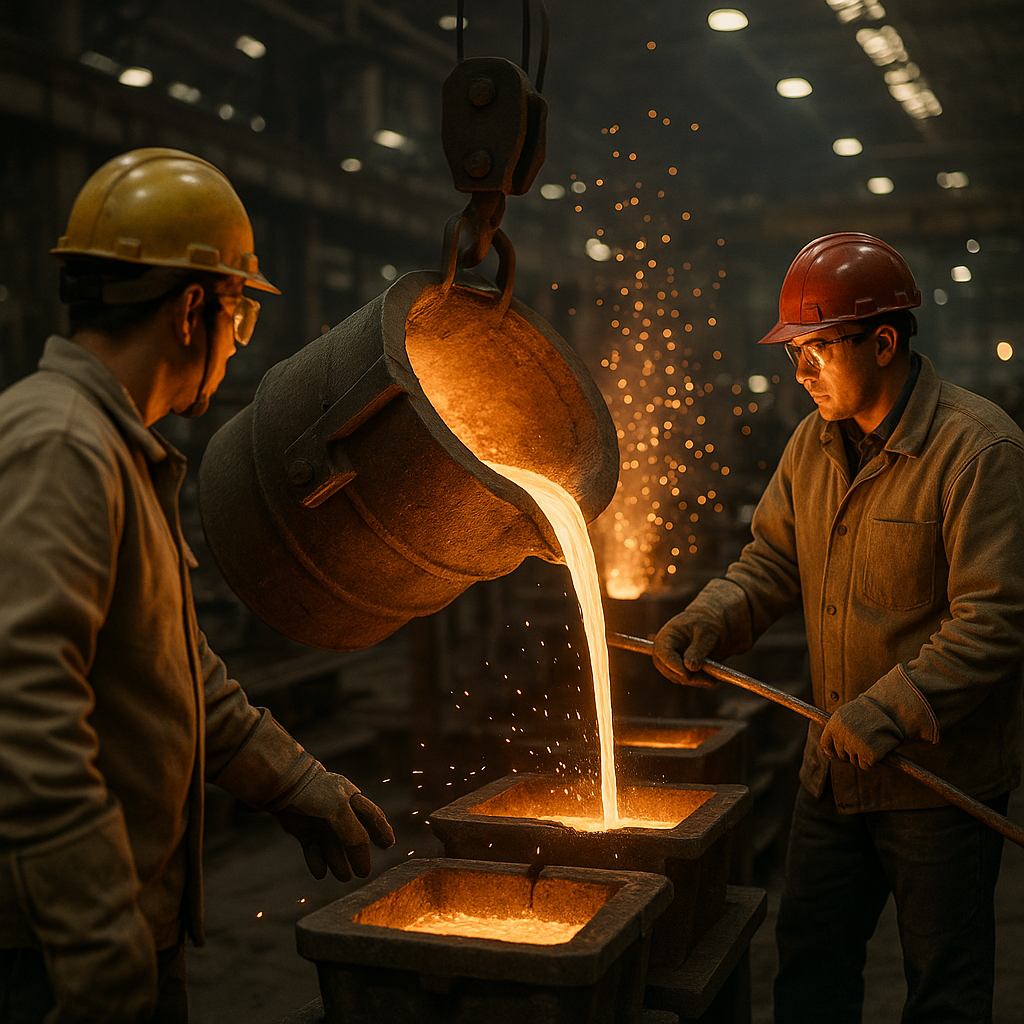
The melting stage begins once cleaned and shredded stainless steel scrap enters high-temperature furnaces. Electric arc furnaces are typically used for remelting post-consumer steel scrap due to their efficiency with recycled materials. During this process, temperatures are high enough to completely liquefy the metal while burning off any remaining contaminants from earlier cleaning stages.
Refining occurs simultaneously with melting to ensure the final product meets quality standards. The molten steel undergoes composition adjustment where elements like chromium and nickel are added or balanced to achieve the correct grade specifications. This refining process removes impurities while maintaining the essential properties that make stainless steel valuable for various applications.
The furnaces used in this remelting process are specifically designed for handling scrap materials. Because recycled stainless steel already contains most required alloying elements, fewer new raw materials need to be added compared to producing steel from virgin ore. This efficiency makes the recycling loop both economically and environmentally advantageous.
Casting and forming represent the final transformation stages where molten steel becomes new products. The refined metal is cast into slabs, billets, or other intermediate forms depending on the intended end use. These forms are then rolled, shaped, and fabricated into consumer goods, construction materials, or industrial components.
The completed recycling process delivers new stainless steel products that maintain the same quality and performance characteristics as those made from primary raw materials. Once these products reach the end of their useful life, they return to the collection phase, creating a true circular process. This continuous loop shows how stainless steel can be recycled infinitely without quality degradation, supporting sustainable manufacturing practices across industries.
Conclusion: A Compliant And Safe Path To Steel Recovery
Recycling stainless steel from a food plant requires a specialized and systematic approach that prioritizes safety and regulatory compliance. From decommissioning and asset recovery to final melting and refining, each step must be managed carefully to protect workers, prevent contamination, and maximize material recovery. The process requires adherence to stringent OSHA standards, food safety protocols, and environmental regulations while supporting the circular economy through responsible material recovery. Safe steel recovery involves not only extracting valuable metals but also comprehensive planning, proper equipment, trained personnel, and meticulous attention to worker safety and compliant procedures.
Partnering with experienced professionals ensures the process is managed efficiently, safely, and in compliance with all food-grade and occupational safety standards. Managing stainless steel recycling from food processing facilities demands expertise that balances value recovery with regulatory compliance and worker protection.
For your next stainless steel recycling project, contact Okon Recycling at 214-717-4083 to ensure your materials are handled with the specialized care and compliance expertise these complex projects require.
Send Us a Message
Questions about what we do? Interested in commercial services? Let us know below and a member of our team will get back to you.