5901 Botham Jean Blvd, Dallas, TX 75215
How Can You Effectively Get Rid of Large Amounts of Waste?
February 5, 2026Large amounts of waste can accumulate more rapidly than organizations often expect. Whether from construction projects, office relocations, or seasonal operations, these volumes present immediate disposal challenges. A systematic framework, which has guided waste management professionals for decades, offers a solution.
The waste hierarchy offers a structured method to manage substantial waste by prioritizing five levels. This framework ranks options from prevention at the top to disposal at the bottom, with each level providing strategies to handle large waste volumes, minimize environmental impact, and maximize cost savings.
Implementing waste hierarchy principles often leads organizations to significant disposal cost reductions and improved regulatory compliance. This systematic approach transforms overwhelming waste situations into manageable processes. By focusing on waste reduction, reuse, and recycling, businesses can efficiently manage substantial volumes, support sustainability goals, and reduce their environmental footprint.
What Are the First Steps to Minimize Waste Production?
Source reduction is the most effective waste management strategy. By preventing waste generation at its origin, organizations can significantly reduce disposal costs and environmental impact. This approach requires systematic changes to purchasing decisions and operational practices.
Modify Purchasing Habits
Bulk purchasing reduces packaging waste considerably. Organizations can decrease their waste stream by 30% by choosing suppliers who offer bulk options. This strategy is particularly effective for office supplies, cleaning materials, and food service operations.
Package-conscious procurement decisions create immediate results. Choose vendors who use minimal packaging or recyclable materials. Fresh produce, bulk dry goods, and concentrated cleaning products generate less waste than heavily packaged alternatives. Organizations save money while reducing their environmental footprint through these purchasing modifications.
Implement Operational Changes
Setting printers to default to double-sided printing cuts paper consumption by half. This simple adjustment requires minimal staff training but delivers measurable waste reduction. Digital document management systems further reduce paper dependency across departments.
Energy-efficient practices support waste reduction efforts. Clean air filters improve equipment efficiency and extend operational life. Regular maintenance prevents premature equipment replacement and reduces disposal needs. According to the U.S. Environmental Protection Agency, proper equipment maintenance can reduce waste generation by up to 10 percent annually.
Extend Product Lifecycles Through Reuse
Furniture repair and refurbishment programs keep functional items in circulation. Staff break rooms benefit from using reusable mugs instead of disposable cups. These changes reduce recurring supply costs while supporting sustainability goals.
Repurposing materials within operations creates additional value. Old clothing transforms into cleaning rags. Cardboard boxes serve as storage containers. Glass containers are effective for bulk food storage in cafeterias and break rooms.
Establish Donation Programs
Systematic donation processes divert usable materials from waste streams. Food service operations can partner with local food banks to redirect surplus inventory. Office furniture, electronics, and supplies find new purposes through community organizations and schools.
Employee donation drives create engagement opportunities while reducing disposal volumes. Clothing, books, and household items gain extended life through charitable partnerships. These programs demonstrate corporate responsibility while achieving measurable waste reduction targets.
Which Methods Work Best for Waste That Can’t Be Avoided?
Recycling is the primary solution for managing unavoidable waste in commercial and municipal settings. The EPA estimates that 75% of waste materials are recyclable, yet only 30% currently enter proper recycling channels. This gap represents untapped potential for resource recovery and landfill diversion.
Common recyclable materials include cardboard, paper, glass containers, beverage cans, food cans, and plastic bottles with caps, as well as various packaging materials. These items can typically be processed through standard curbside collection systems. However, materials like plastic bags, electronics, and textiles require specialized collection programs through dedicated recycling organizations.
Materials that cannot enter standard recycling streams include wood products, light bulbs, contaminated food packaging, windows, mirrors, plastic toys, plastic wrap, Styrofoam, and packing materials. Understanding these limitations helps facilities develop comprehensive waste management strategies. Proper identification prevents contamination that can compromise entire recycling batches.
Composting offers an optimal solution for organic waste management when materials cannot be recycled. Food scraps, yard trimmings, leaves, and untreated wood chips can be transformed into valuable soil amendments through controlled decomposition processes. Multiple composting methods exist, from small-scale vermicomposting systems to large-scale windrow operations.
The composting process requires specific carbon-to-nitrogen ratios, typically three parts brown materials like dry leaves to one part green materials like food scraps. Proper moisture content, oxygen flow, and temperature control ensure efficient decomposition while preventing odors and pest issues. These conditions support beneficial microorganisms that break down organic matter into nutrient-rich compost.
Effective waste segregation forms the foundation of successful recycling and composting programs. Clean separation at the source prevents cross-contamination between waste streams and ensures materials meet processing facility standards. Training staff and implementing clear sorting protocols maximize diversion rates while reducing processing costs.
Both recycling and composting offer significant environmental benefits compared to landfill disposal. Recycling conserves natural resources and reduces the energy consumption required for manufacturing new products from raw materials. Composting diverts organic matter from landfills, preventing methane emissions that contribute to greenhouse gas production.
We implement comprehensive sorting systems that address both recyclable and compostable materials to maximize resource recovery. Strategic bin placement, clear signage, and staff training ensure proper segregation throughout facilities. These systematic approaches help organizations meet sustainability goals while reducing disposal costs and environmental impact.
Are There Technologies for Managing Bulky or Non-Recyclable Waste?
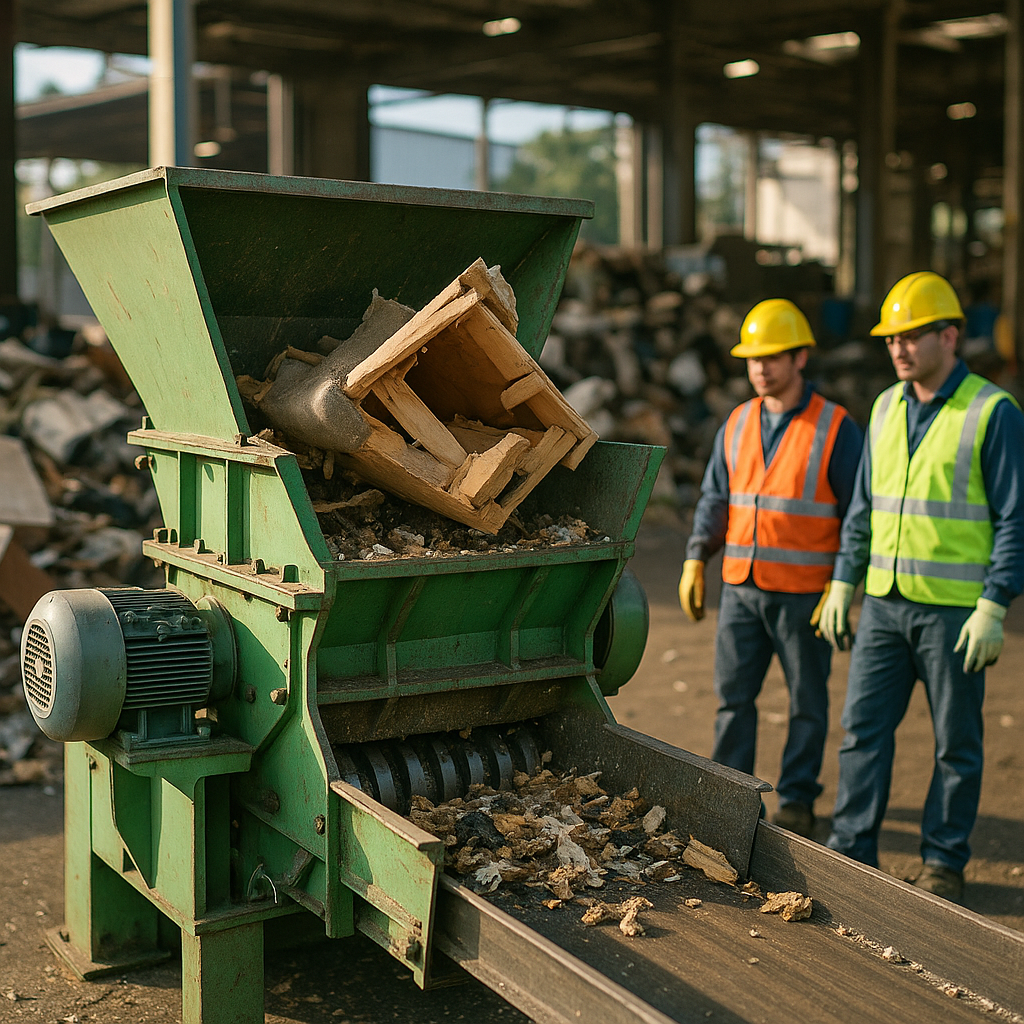
Industrial shredders are highly effective for processing bulky waste materials that traditional recycling equipment cannot handle. These powerful machines break down large items, such as appliances, furniture, mattresses, and even automotive parts, into manageable pieces. The shredding process significantly reduces volume, enhancing transportation and processing efficiency for waste management operations.
Modern shredding systems use low-speed, high-torque technology to handle mixed materials in a single pass. The equipment separates ferrous and non-ferrous metals during processing, allowing recovery of valuable materials that might otherwise end up in landfills. This automated sorting transforms waste into recoverable resources.
Waste-to-energy technologies offer sustainable alternatives for materials that cannot be recycled through conventional methods. Incineration systems burn municipal solid waste and refuse-derived fuel at temperatures between 750 and 1100°C, generating steam to power electricity turbines. These facilities can process diverse waste streams while producing considerable renewable energy for local communities.
The controlled combustion in modern incineration plants includes advanced emission control systems meeting stringent environmental standards. These facilities typically reduce waste volume by 70 to 90 percent, significantly lessening the burden on regional landfills. The electricity generated can power thousands of households, creating a circular approach where waste becomes a valuable energy resource.
Anaerobic digestion offers another approach for managing organic waste materials that resist traditional recycling. In this biological process, specialized microorganisms break down food waste, organic municipal solid waste, and other biodegradable materials in oxygen-free environments, producing biogas primarily composed of methane.
The biogas produced through anaerobic digestion serves as a renewable energy source for heating systems and electricity generation. The remaining digestate can be processed into soil conditioners or low-calorific refuse-derived fuel, ensuring virtually no part of the original waste stream goes unused. This technology benefits municipalities managing large volumes of organic waste from residential and commercial sources.
These advanced waste management technologies provide comprehensive solutions for challenging waste streams. Industrial shredders prepare materials for further processing, while waste-to-energy systems convert non-recyclable materials into valuable energy. The integration of these technologies enables waste management operations to divert significant material quantities from landfills, generate renewable energy, and recover valuable resources.
How Can Organizations Implement a Successful Waste Management Plan?
Conduct a Comprehensive Waste Assessment
Organizations must begin with a thorough waste audit to understand their current waste streams. This systematic review examines the types and quantities of materials being discarded across different departments and locations. The assessment reveals contamination patterns, identifies high-volume waste producers, and uncovers missed recycling opportunities.
During the data collection phase, teams should record waste types, measure quantities, and document sources over a defined period. This baseline data becomes the foundation for setting realistic reduction targets and designing targeted interventions. Many local governments and waste management companies offer free waste audit services to assist businesses in getting started.
Establish a Dedicated Green Team
Successful waste management requires a committed team to drive implementation and maintain momentum. Organizations should either expand an existing sustainability team or create a new group specifically focused on waste reduction activities. The green team needs strong management endorsement to secure resources and authority for program changes.
Effective teams include representatives from different departments, locations, and operational areas. This broad representation ensures diverse perspectives and helps identify improvement opportunities across the entire organization. The EPA recommends recruiting team members who can offer creative problem-solving techniques and varied operational insights.
Set Clear Goals and Track Progress
Organizations must establish specific, measurable waste reduction goals based on their assessment findings. These targets should address the most significant waste streams and contamination issues identified during the audit phase. Short-term goals might focus on improving sorting accuracy, while long-term objectives could target overall waste volume reduction.
Regular tracking and reporting keep teams accountable and demonstrate progress to stakeholders. Organizations can use tools like waste logs, weighing systems, and digital tracking platforms to monitor their performance. Monthly or quarterly reviews help teams adjust strategies and celebrate achievements along the way.
Engage Employees Through Education and Communication
Employee participation determines the success of any waste management program. Organizations must provide clear, consistent training that explains sorting procedures, recycling guidelines, and the importance of waste reduction efforts. Regular workshops and refresher sessions help reinforce proper behaviors and address common questions.
Strategic placement of clear signage near waste stations eliminates confusion and reduces contamination. Visual guides with pictures showing exactly what belongs in each bin make sorting decisions straightforward for all employees. Consistent messaging across all communications reinforces the organization’s commitment to environmental responsibility.
Ongoing engagement maintains program momentum through recognition programs, progress updates, and regular feedback opportunities. Organizations should celebrate milestones, share success stories, and encourage employee suggestions for continuous improvement. This sustained communication builds lasting habits and creates a culture of environmental stewardship throughout the workplace.
Conclusion: A Strategic Approach to Waste Disposal
Effectively managing large amounts of waste requires a strategic and hierarchical approach. By prioritizing source reduction and reuse, followed by comprehensive recycling, composting, and waste-to-energy recovery, organizations can significantly reduce environmental impacts while achieving cost savings. The waste management hierarchy offers a proven framework that transforms waste from a liability into a resource opportunity. Implementing a formal waste management strategy based on thorough waste audits ensures continuous improvement and guides operations toward a more sustainable, circular economy model.
Strategic waste disposal calls for expertise and reliable partnerships to maximize resource conservation and cost reduction. Contact Okon Recycling at 214-717-4083 for comprehensive recycling solutions that align with your sustainability goals and regulatory requirements.
Send Us a Message
Questions about what we do? Interested in commercial services? Let us know below and a member of our team will get back to you.