5901 Botham Jean Blvd, Dallas, TX 75215
How Much Is 1 lb of Iron Worth? Pricing Explained
April 1, 2026The question of iron pricing reveals a complex marketplace reality: the value of one pound of iron is not fixed. It varies significantly depending on whether you are dealing with scrap iron, which tends to be less valuable, or purchasing new cast iron, which is priced much higher. In 2026, as the global steel industry shifts toward decarbonization, the demand for high-quality ferrous scrap has created a more dynamic pricing environment than ever before.
Scrap iron prices typically range from $0.03 to $0.15 per pound, depending on the grade and market conditions. New cast iron products, however, can cost several dollars per pound. The price is influenced by market conditions, the type of iron, and its form. For industrial generators, understanding the difference between “shredder feed” and “prepared iron” is often the key to doubling their revenue per load.
Understanding these price variations is crucial for anyone involved in scrap metal recycling, construction, or manufacturing. Ferrous metals like iron are subject to commodity markets that fluctuate based on global supply and demand, making accurate pricing essential for profitable transactions.
What Is the Price of Scrap Iron Per Pound?
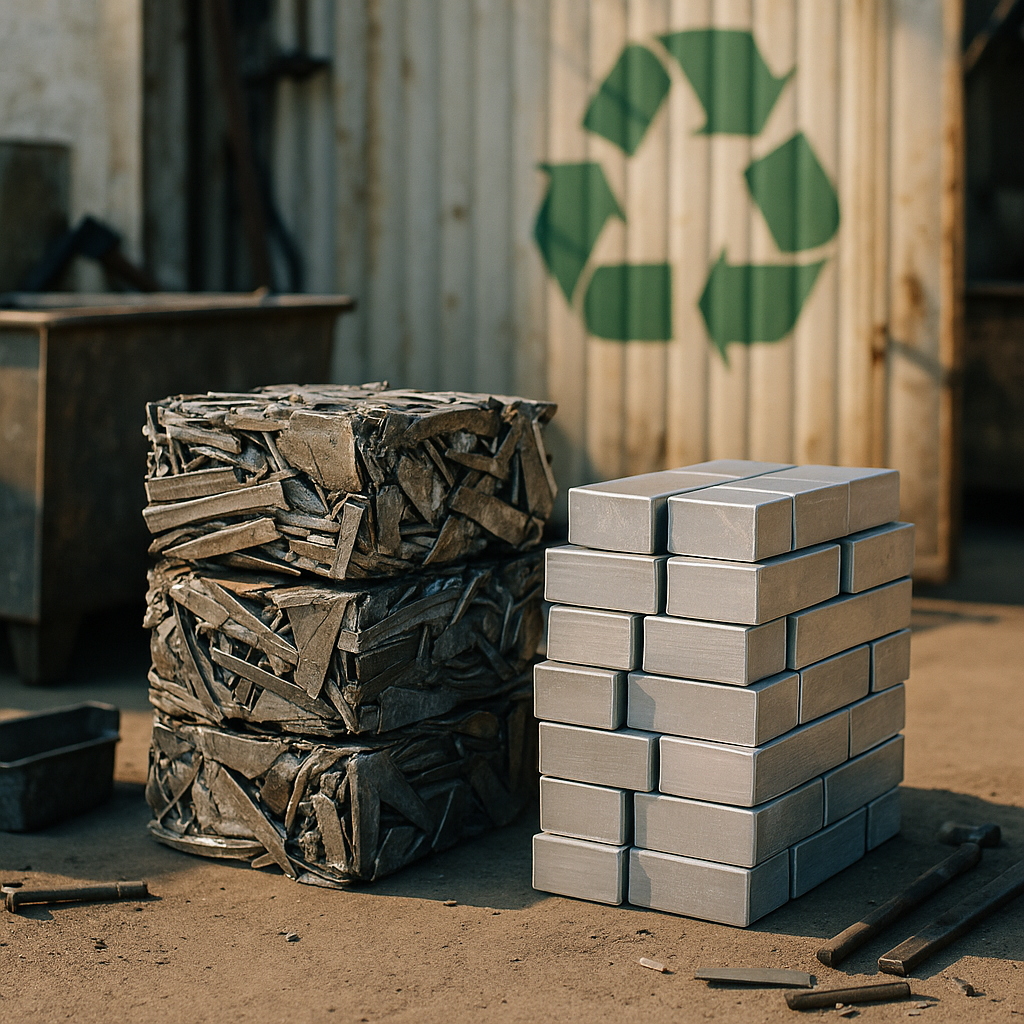
Scrap iron prices per pound vary significantly based on material grade and market conditions. Currently, light iron (often called “shred”) trades at approximately $0.03 to $0.04 per pound, while heavy cast iron ranges from $0.06 to $0.08 per pound. These prices reflect the differing processing requirements and end-use applications of each iron type.
Cast iron scrap typically receives premium pricing due to its higher carbon content and specific metallurgical properties. Scrap yards often pay a premium for clean cast iron materials, including automotive components like brake rotors and engine blocks (often referred to as “Auto Cast”). Light iron, which includes thinner gauge materials like appliances and sheet metal, generally trades at the lower end of the pricing spectrum because it must be shredded to separate it from plastics and other contaminants.
Gross tons vs. net tons
Volume considerations significantly impact per-pound pricing in the ferrous scrap market. Unlike copper or aluminum, which are priced by the pound, iron is often quoted by the ton. It is vital to understand the difference between a “Net Ton” (2,000 lbs) and a “Gross Ton” (2,240 lbs), which is the standard unit for international steel trading. If a yard quotes you $140 per ton, clarifying which ton they use can change your payout by over 10 percent.
Market fluctuations affect scrap iron prices daily, driven by steel mill demand and global commodity trends. Metal recycling facilities adjust pricing based on regional steel production schedules and inventory levels. Prepared iron materials that meet specific size requirements (usually 3 feet by 18 inches) often command premium rates compared to oversized “unprepared” scrap that requires torch-cutting.
The Science of Ferrous Identification: Spark and Break Tests
Distinguishing between cast iron and standard steel is a critical skill for any scrapper or industrial manager. While both are iron-based, their chemical composition differs, leading to different behaviors in the furnace and different values at the scale. In 2026, professional recyclers use two primary field tests to grade these metals accurately.
The spark test
The “Spark Test” is a reliable method for identifying ferrous metals using a standard bench grinder. When the metal touches the grinding wheel, the friction creates sparks that reveal the carbon content.
- Cast Iron: Produces short, bushy sparks that start directly at the grinding wheel. They are often dark red to straw-colored and have very little “forking” or explosions at the end of the stream.
- Mild Steel: Produces long, white or yellow streamers that travel far from the wheel before forking into a “starburst” pattern.
This visual difference occurs because cast iron has a high carbon content (usually 2 to 4 percent), while mild steel has a low carbon content (less than 0.3 percent). Understanding this difference ensures you don’t accidentally mix high-value cast iron into a low-value steel pile.
The break test
Because cast iron is brittle, it behaves differently under stress than steel. If you strike a piece of cast iron with a sledgehammer, it will typically crack or snap cleanly. Steel, which is malleable, will bend or dent under the same force. This “breakability” is actually a virtue in recycling; cast iron is easy to break down into furnace-ready sizes, whereas steel often requires expensive shearing or torching.
What Other Factors Affect the Price of Cast Iron?
Beyond material composition and production methods, several other factors significantly influence the price of cast iron per pound. Understanding these variables helps facilities make informed decisions about their waste management strategies and material recovery programs.
Unit weight and handling costs
The individual weight of cast iron pieces directly affects their per-pound cost. Pieces weighing less than one pound typically cost more per pound to process due to increased handling requirements. Small components generate more “fines” (waste dust) and require more labor to sort. Conversely, extremely heavy pieces (over 500 lbs) may be penalized if they are too large for the foundry’s furnace, requiring the recycler to incur the cost of breaking them down.
Casting complexity and “Sand” contamination
The internal structure of cast iron components plays a crucial role in pricing. Complex castings, such as engine blocks or pump housings, often contain internal “sand cores” used during the original molding process. If a casting is not properly cleaned, this residual sand is considered contamination. A recycler cannot melt sand; it becomes slag in the furnace. Therefore, “clean” cast iron commands a much higher price than “dirty” cast iron that still contains non-metallic molding debris.
Surface coating and galvanization
Surface treatments significantly impact the processing costs. Standard paint is usually acceptable, but specialized coatings like zinc galvanizing or thick epoxy present issues. Zinc turns into a gas at relatively low temperatures, which can clog the air filtration systems of a steel mill. Consequently, galvanized iron is often downgraded. Recognizing and separating galvanized material from clean iron is one of the easiest ways to protect the value of your scrap load.
Machining and processing workload
The form of the iron matters. “Borings and turnings”—the shavings produced by a machine shop—are worth significantly less than solid cast iron. This is because the high surface area of the shavings leads to rapid oxidation (rust) and material loss during melting. Furthermore, these shavings are often soaked in cutting fluids, which must be drained or centrifuged out before recycling. Solid, heavy iron requires less processing and therefore fetches a higher price.
The Role of Iron in the 2026 Green Steel Revolution
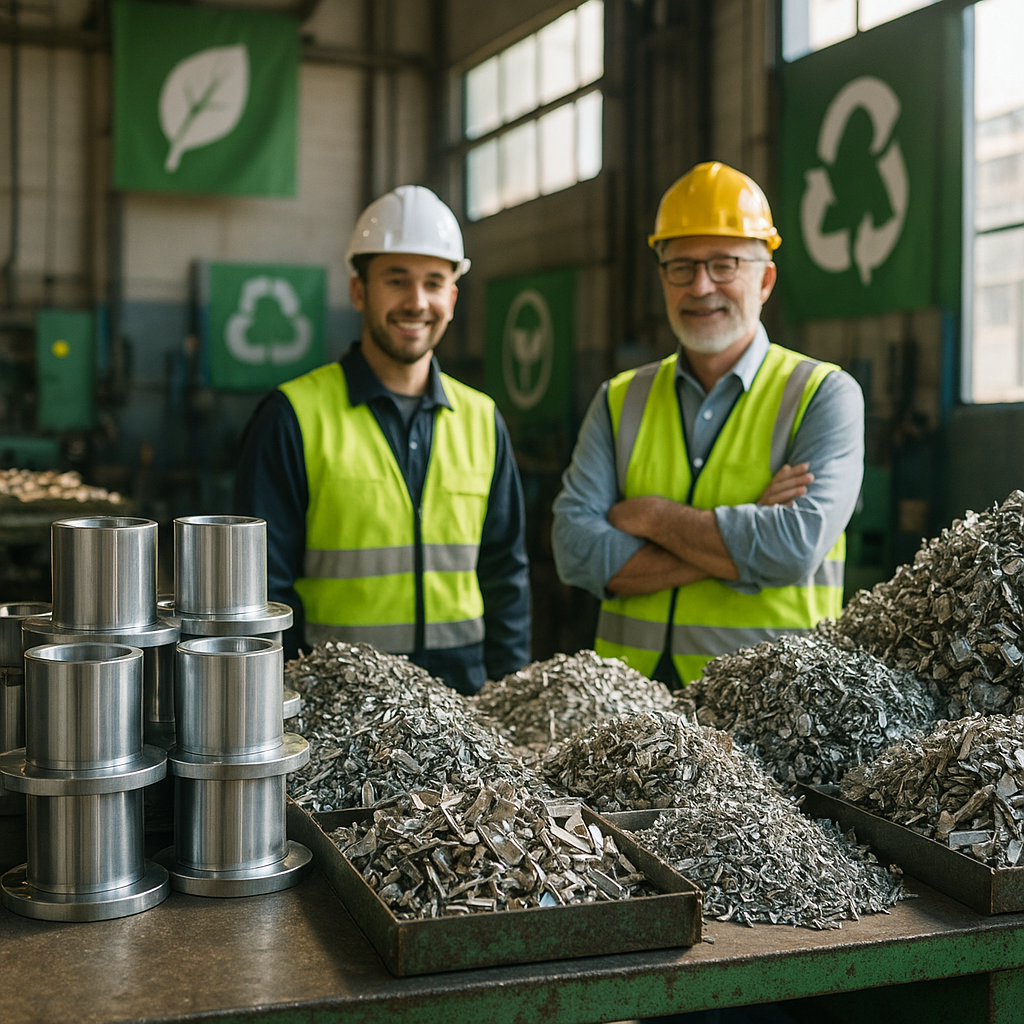
As we navigate 2026, the demand for scrap iron is being reshaped by the global transition to “Green Steel.” The traditional method of making steel involves blast furnaces that consume massive amounts of coal and iron ore. The modern, sustainable alternative is the Electric Arc Furnace (EAF).
Electric arc furnaces (EAF) and scrap demand
EAFs do not create steel from raw rocks; they recycle existing steel using high-powered electric arcs. This process reduces carbon emissions by approximately 75 percent compared to traditional methods. However, EAFs rely almost exclusively on scrap metal as their feedstock. This has turned scrap iron from a waste product into a critical strategic resource. In Texas, where renewable wind energy powers many EAF mills, the demand for local scrap iron is robust, creating a price floor that protects sellers even when global markets dip.
Infrastructure and domestic resilience
The push to rebuild American infrastructure has further tightened the supply of ferrous scrap. New bridges, highways, and wind turbines require massive amounts of steel rebar and beams. By recycling iron domestically, the US reduces its dependence on imported steel. For a business in Dallas or Fort Worth, this means that the iron you recycle is likely staying in the local economy, being melted down and reformed into the materials building the next generation of Texas infrastructure.
Conclusion: Understanding the Value of Iron
The value of iron varies significantly depending on its form and condition. Scrap iron generally sells for $0.03 to $0.08 per pound at current market rates, while newly manufactured cast iron components can command much higher prices based on their complexity. This substantial price difference reflects the processing requirements, quality standards, and market demand for each type of iron material.
Recognizing these price variations enables businesses to make informed decisions regarding their metal recovery strategies. Market rates fluctuate daily due to global supply chains, manufacturing demand, and commodity trading patterns. For accurate grading, transparent weighing, and competitive pricing of your iron and steel materials, contact Okon Recycling at 214-717-4083 to discuss your specific recycling needs.
Send Us a Message
Questions about what we do? Interested in commercial services? Let us know below and a member of our team will get back to you.