5901 Botham Jean Blvd, Dallas, TX 75215
What Is the Highest Paying Scrap Metal Right Now?
April 1, 2026Copper is the leading choice in scrap metal values today. In early 2026, current prices for premium grades have surged well past $4 per pound, making it highly lucrative for waste management operations. This strong performance has positioned copper prominently in materials recovery discussions within the recycling industry, as global markets react to unprecedented demand.
Bare Bright Copper Wire and #1 Copper Tubing offer the highest returns among non-ferrous metals. These high-grade materials benefit from outstanding electrical conductivity and purity standards demanded by the manufacturing sectors. Copper spot prices on the London Metal Exchange (LME) have hovered near record highs, driven by supply constraints and the explosive growth of artificial intelligence infrastructure.
While aluminum and brass show solid gains, copper’s price index demonstrates the strongest upward momentum. Construction activity and renewable energy infrastructure projects continue to drive demand. Supply chain disruptions and limited scrap flows have created favorable conditions for recycling operations handling copper materials, turning local scrap yards into critical nodes in the global supply chain.
Which Grades of Copper Offer the Best Prices?

Bare Bright Copper Wire commands the highest prices in the scrap metal market. This premium grade typically fetches between $4.30 and $4.60 per pound due to its exceptional purity and minimal processing requirements. The material consists of clean, stripped copper wire with no insulation, paint, or corrosion that could reduce its value. Recyclers prize this material because it requires virtually no additional processing before being sold to mills.
#1 vs. #2 Copper: Understanding the difference
#1 Copper Tubing and Bus Bar represent the second tier of valuable copper grades. These materials command strong prices, typically trading just 10 to 20 cents below Bare Bright. This category includes clean copper pipes, electrical bus bars, and similar solid copper items without significant contamination. Unlike wire that requires stripping, these materials come ready for recycling with minimal preparation.
#2 Copper Tubing occupies the next price tier. This grade includes copper materials with minor contamination such as solder joints, paint, or slight corrosion. While still highly valuable, the additional processing required to “clean” these materials results in a lower price point. The price differential reflects processing costs; recyclers must account for the time and resources needed to remove contaminants and restore the material to mill-ready condition.
Red brass and copper alloys
Red Brass emerges as a valuable copper alloy, commanding consistent prices. This alloy typically contains 85 percent copper and 15 percent zinc, creating a distinctive reddish color. Common sources include plumbing fittings, valves, and decorative hardware. Red Brass offers excellent corrosion resistance and machinability, making it highly sought after in marine applications and precision manufacturing. These specialized uses maintain consistent demand even during broader market fluctuations.
The 2026 Copper Supply Crunch: AI and Green Energy
To understand why copper prices remain so high in 2026, one must look at the macro-economic drivers. We are currently in the midst of a “supercycle” driven by two massive industrial shifts: the transition to renewable energy and the expansion of Artificial Intelligence (AI).
The “Electrification of Everything”
Electric vehicles (EVs) require approximately four times as much copper as traditional internal combustion engine vehicles. As EV adoption accelerates, the automotive sector’s hunger for copper has skyrocketed. Simultaneously, the global grid is being upgraded to support renewable energy sources like wind and solar, both of which are copper-intensive. A single offshore wind turbine can contain up to 8 tons of copper. This structural increase in demand has outpaced the mining industry’s ability to supply new metal, putting a premium on recycled material.
Data centers and the AI boom
In 2026, the rapid construction of hyperscale data centers to support AI models has created a new, urgent source of demand. These facilities require massive amounts of power distribution equipment—bus bars, heavy-gauge cabling, and cooling systems—all of which rely on copper. Because mining new copper takes years to develop, recycled copper from scrap yards has become the “swing supply” that keeps these critical projects moving. For scrappers, this means that the copper wire you recycle is likely destined for the backbone of the next generation digital economy.
Advanced Identification Technology in 2026
In the modern recycling facility, the days of guessing a metal’s value by scratching it with a file are over. Advanced technology has revolutionized how copper and its alloys are identified, ensuring that sellers are paid for the exact metallurgical content of their load.
XRF analysis for precise grading
Handheld X-ray Fluorescence (XRF) analyzers have become standard equipment for professional recyclers. These devices use X-rays to determine the elemental composition of a sample in seconds. This is critical for distinguishing between Red Brass (high value) and Yellow Brass (lower value), or identifying copper-nickel alloys used in industrial piping. Without XRF verification, a seller might be paid a generic “brass” price for a premium high-copper alloy. This technology ensures transparency and fair pricing at the scale.
Automated optical sorting
For large industrial loads, Artificial Intelligence (AI) and robotic sorting systems are increasingly used to separate granulated copper wire from insulation residue. Optical sensors can identify copper granules with near-perfect accuracy, allowing recyclers to produce “chops” (granulated copper) that meet the strict 99.9 percent purity standards required by mills. This efficiency reduces waste and allows facilities to pay better rates for insulated wire, knowing they can recover maximum value from it.
Are Steel and Stainless Steel Prices Also Increasing?
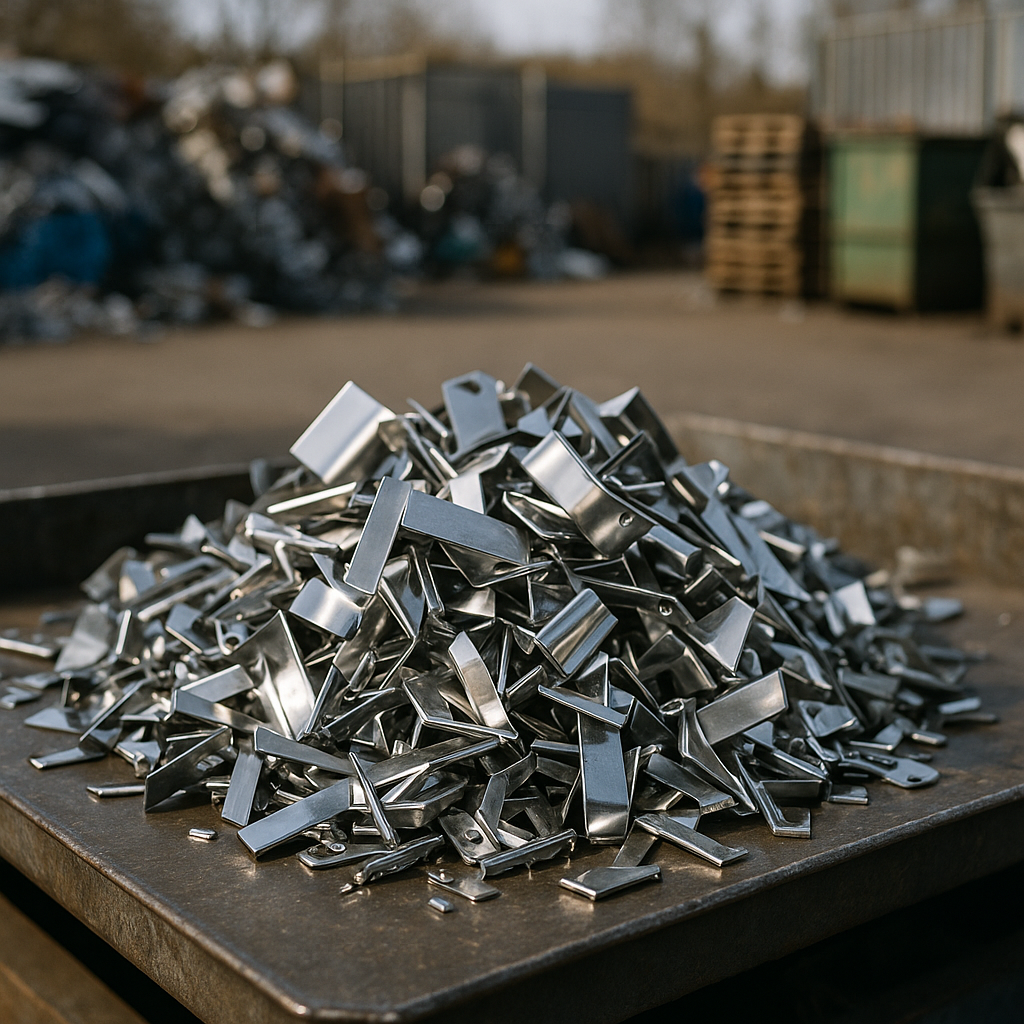
No, the recent price rally has been concentrated primarily in non-ferrous metals. Major steel scrap grades have remained relatively stable while copper and aluminum prices surged throughout 2025 and 2026. This stability reflects the different market dynamics affecting ferrous metal pricing.
Ferrous market stability
#1 Heavy Melting Steel (HMS) and Shredded Auto Scrap have shown minimal price movement over the past several quarters. Structural steel pricing has held steady, serving as a reliable baseline for the industry. This contrasts sharply with the volatility in copper markets, where prices have fluctuated significantly due to supply constraints. While not offering the explosive growth of copper, ferrous scrap provides consistent, predictable revenue streams for large-volume generators.
Stainless steel dynamics
Stainless steel grades like 304 and 316 operate on a different cycle, influenced heavily by the price of nickel. Although nickel prices have seen some volatility, the ferrous base of stainless steel offers more stability against short-term market disruptions. The stainless steel market follows construction seasonality and automotive production schedules, differing significantly from the tech-driven demand for copper.
Why Do Local Scrap Yard Prices Differ From Market Index Prices?
Understanding market index benchmarks
Market indexes provide benchmark averages based on global trading. These numbers reflect theoretical values under ideal conditions—usually for multi-ton contracts delivered directly to a mill. They do not account for the operational reality of a local scrap yard.
Processing and overhead cost factors
Local scrap yards must cover specific overhead costs when setting their “scale price.” Facility rent, heavy equipment maintenance, labor wages, and environmental insurance vary significantly by location. Furthermore, processing requirements influence pricing; a yard must pay to sort, clean, baler, and transport the material to a refinery. The spread between the index price and the yard price covers these essential services.
Material quality and volume considerations
The quality of scrap materials significantly affects local pricing compared to benchmark averages. Clean, well-sorted metals command premium prices, while mixed loads receive lower offers to account for the labor of sorting. Volume also plays a crucial role; large industrial accounts that deliver thousands of pounds at a time often negotiate better rates than walk-in customers due to economies of scale in processing.
Broker spreads and logistics
Most local scrap yards sell their processed materials to larger brokers who consolidate shipments for export or domestic mills. The broker’s commission represents another cost layer between the global market price and the local yard price. Additionally, logistics play a huge role; yards located far from ports or rail heads face higher freight costs, which can depress the local purchase price compared to yards in major transportation hubs like Houston or Dallas.
Conclusion: How to Maximize Your Scrap Metal Profits
Maximizing profits from scrap metal requires strategic timing and focusing on high-demand materials. Copper is the undisputed leader in today’s market, with prices reaching significant highs due to the 2026 supply crunch caused by AI and green energy infrastructure. Savvy sellers monitor daily price reports to capitalize on these favorable conditions, particularly for high-grade Bare Bright and #1 Copper.
Success in scrap metal trading depends on preparation and market awareness. By using advanced identification technology like XRF analyzers and understanding the difference between street prices and index prices, you can ensure you are getting fair value. Concentrate collection efforts on copper-rich materials, strictly separate your grades to avoid downgrading, and time your sales during market peaks. For expert guidance on maximizing your scrap metal returns and securing competitive pricing in North Texas, contact Okon Recycling at 214-717-4083.
Send Us a Message
Questions about what we do? Interested in commercial services? Let us know below and a member of our team will get back to you.