5901 Botham Jean Blvd, Dallas, TX 75215
Setup a Scrap Metal Pickup for Efficiency
April 1, 2026Construction sites generate approximately 40% of all solid waste, with metal components being a significant part of this volume. Projects often leave behind valuable materials like steel beams, copper wiring, aluminum siding, and brass fittings, which typically end up in costly landfill disposal. In early 2026, as North Texas leads the nation in industrial redevelopment, savvy construction managers understand that effective scrap metal management can turn this waste into a source of revenue while enhancing operational efficiency.
Establishing an effective scrap metal pickup system involves understanding your specific waste streams and organizing collection processes. Most construction sites produce both ferrous metals like steel and iron, and non-ferrous metals such as copper, aluminum, and brass. These materials have different market values and require separate handling to maximize recycling returns. By treating scrap as an asset rather than debris, contractors can offset disposal fees and improve their project’s overall sustainability rating.
The setup process consists of three main elements: conducting a waste assessment to identify metal types and volumes, establishing proper collection and storage systems, and partnering with qualified recycling services for regular pickups. This structured approach prevents material accumulation, lowers disposal costs, and creates steady revenue opportunities throughout the project lifecycle. In a market where material costs are volatile, reclaiming every pound of scrap is a critical financial strategy.
What Should I Assess Before Scheduling a Pickup?
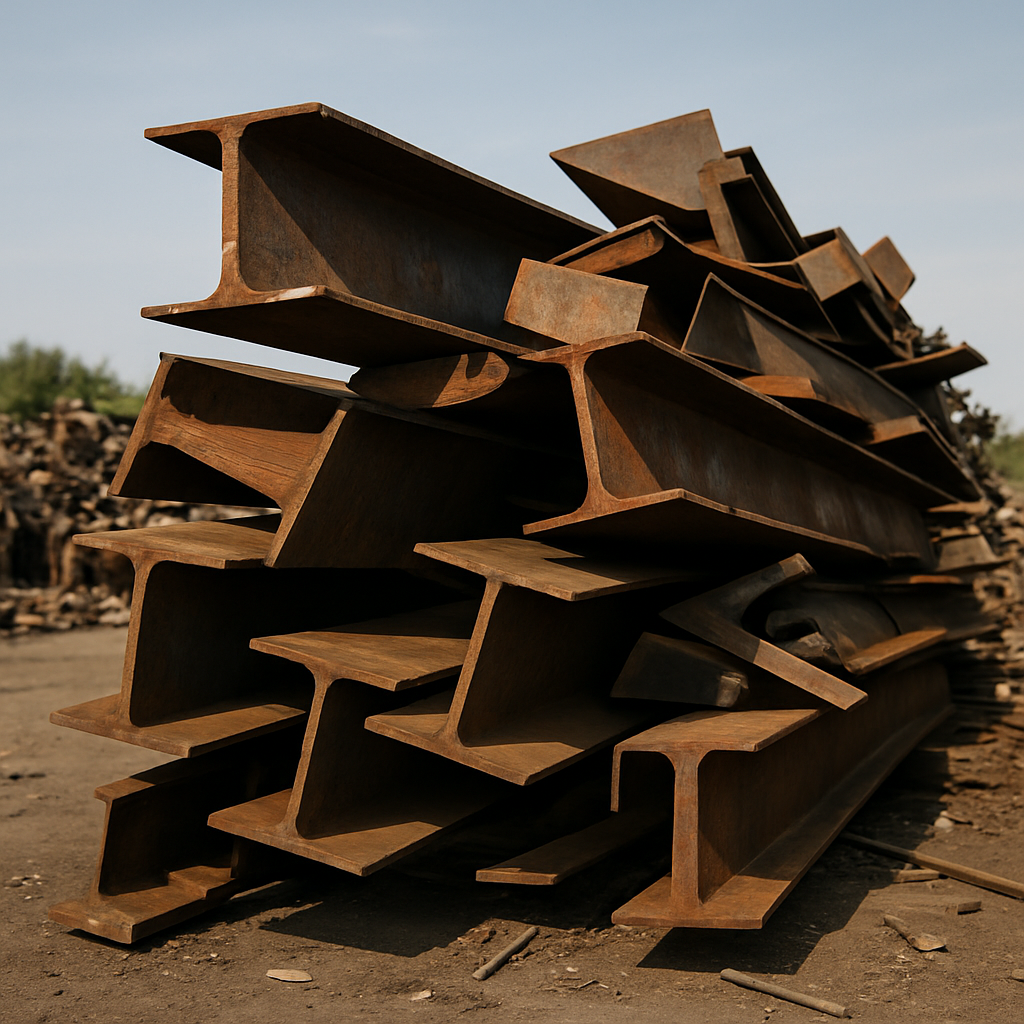
Proper assessment is crucial for an efficient scrap metal pickup program. Without accurately evaluating your facility’s output, you risk relying on reactive collection schedules that increase costs and create operational inefficiencies. A systematic approach to assessment ensures optimal container placement and pickup frequency, reducing the risk of overflowing bins that can stall heavy machinery operations.
The assessment process involves four critical areas that determine your recycling program’s success. Each area provides essential data that recycling partners use to design customized collection schedules. This upfront evaluation prevents storage issues and maximizes material recovery value, especially for high-value alloys found in modern HVAC and electrical systems.
Metal type identification
Different operations generate varied scrap profiles that require specific handling approaches. Manufacturing facilities usually produce consistent metal types, while construction sites generate varying materials depending on project phases. For instance, the framing phase generates high volumes of structural steel, while the finishing phase produces high-value copper and brass scrap from electrical and plumbing installs.
Focus your metal type assessment on these key areas:
- Primary metals generated (aluminum, steel, copper, brass).
- Ferrous vs. non-ferrous metal ratios.
- Specialty alloys or high-performance materials.
- Contaminated or mixed metal streams.
According to industry specialists, proper material classification at this stage can increase recovered value by up to 35% through enhanced sorting accuracy. Distinguishing between “clean” and “dirty” scrap before the recycler arrives ensures you receive the highest possible payout.
Volume estimation and production cycles
Accurate volume assessment prevents inefficiencies linked to irregular pickup schedules. Facilities that underestimate their output often face storage overflow, which can lead to OSHA safety violations. Document your typical production volumes over several weeks to identify consistent patterns. Track average weekly scrap generation and peak production periods—such as during a major demolition phase—to ensure your recycling partner provides enough containers to handle the surge.
Storage space and container requirements
Available storage space directly influences container selection and pickup frequency. Insufficient storage leads to workplace hazards, while excessive space allocation reduces operational efficiency on a crowded job site. Strategic container placement is crucial; research shows that employees typically will not travel more than 20 feet to dispose of scrap materials properly. Beyond this distance, materials often end up in general waste streams, resulting in lost revenue for the project.
Advanced Metallurgical Verification: Precision Grading in 2026
In the 2026 construction market, the difference between “stainless steel” and “nickel-alloy” can represent thousands of dollars in revenue. Professional recycling centers now utilize laboratory-grade technology at the job site to ensure contractors are paid for the exact chemical composition of their scrap.
XRF and LIBS alloy verification
To provide guaranteed pricing, professional recyclers utilize handheld X-ray fluorescence (XRF) and Laser-Induced Breakdown Spectroscopy (LIBS) technology. These devices provide an instant chemical breakdown of a metal sample. For a construction site, this means distinguishing between different series of aluminum or identifying the molybdenum content in high-grade steel. This precision ensures that high-value materials are not “downgraded” to lower-priced scrap categories, directly increasing the contractor’s net revenue.
The importance of alloy separation at the source
Large-scale projects often uncover specialized alloys in HVAC systems, industrial piping, and high-performance glass frames. By using sensor-based identification, professional recyclers can identify copper-nickel alloys or titanium components on-site. Educating on-site crews to separate these high-value items based on XRF readings is one of the most effective ways to maximize the financial return on a demolition or renovation project.
Navigating New 2026 Texas Environmental Mandates
Operating a high-tonnage construction site in 2026 involves navigating a complex web of environmental and safety regulations. A professional recycling partnership acts as a shield against the legal and administrative risks associated with material handling.
Cradle-to-grave liability and TCEQ reporting
The Texas Commission on Environmental Quality (TCEQ) mandates that industrial generators are responsible for their waste from “cradle to grave.” If scrap metal is improperly landfilled or processed at an uncertified facility, the original contractor can be held liable for remediation costs. Partnering with a professional recycler who provides digital “Certificates of Recycling” ensures that your business meets the notification requirements for industrial waste, shielding you from potential fines and environmental liability.
ESG compliance and sustainability reporting
In 2026, major developers are required to provide detailed material traceability as part of their Environmental, Social, and Governance (ESG) disclosures. Professional recycling centers now offer digital tracking of every load, providing data on the exact tonnage of steel, aluminum, and copper diverted from landfills. This transparency allows contractors to prove their commitment to the circular economy, enhancing their brand value and satisfying the requirements of institutional investors who prioritize sustainable supply chains.
How Can I Arrange an Efficient Pickup Schedule?
Efficient scheduling is crucial for successful waste management operations. A well-designed pickup schedule helps reduce costs, minimize workflow disruptions, and ensure consistent material recovery. The key is to balance predictable recurring pickups with flexible on-demand service options that adapt to your operational needs as the project evolves.
Establishing recurring pickups based on production patterns
Production peaks drive effective scheduling strategies. We analyze your waste generation patterns to determine when your operations produce the highest volumes of recyclable materials. Regular scheduling also allows better route optimization and resource allocation. When pickups occur at predictable intervals, we can efficiently coordinate multiple stops, reducing transportation costs and environmental impact. Many facilities find weekly recurring pickups offer the right balance between convenience and cost-effectiveness.
Implementing flexible on-demand service options
On-demand service capabilities address unexpected volume spikes and urgent material removal needs. Flexibility is essential when project timelines change or equipment removals cause sudden waste accumulation. Modern on-demand pickup systems use automated dispatch technology to respond quickly to service requests. This technology matches available vehicles with pickup locations in real-time to minimize response times. Most facilities benefit from a combination of recurring service and digital “on-call” options.
Utilizing digital systems for streamlined operations
Online booking platforms and mobile apps simplify the scheduling process while providing upfront pricing transparency. These systems allow you to schedule pickups at your convenience, view real-time bin availability, and receive immediate confirmation. Integration capabilities connect these tools with your existing workflow management software, reducing manual data entry and improving coordination across departments. This transparency builds trust and allows for better financial planning throughout the project lifecycle.
What Should I Expect from a Recycling Partner?
A successful recycling program hinges on establishing a robust partnership with a trusted recycler who understands your operational needs and sustainability objectives. The right partner operates as an extension of your environmental team, delivering dependable service while helping you meet complex compliance requirements and optimize your waste stream performance.
When evaluating potential recycling partners, prioritize companies that demonstrate operational excellence through consistent service, transparent reporting, and comprehensive compliance support. These core competencies distinguish reliable long-term partners from basic scrap haulers who might compromise your program’s efficiency or regulatory standing.
Reliable service and quality assurance
Your recycling partner should offer dependable container delivery and rotation services that fit your facility’s schedule. This involves timely placement of suitable container types—from small hoppers to 40-yard roll-offs—based on your waste stream analysis. Professional recycling companies maintain well-kept vehicle fleets and employ trained personnel who adhere to proper loading and securing protocols, ensuring safety on your job site.
Transparent reporting and market-based pricing
Comprehensive reporting capabilities differentiate professional recycling partners from basic waste haulers. Your partner should provide detailed reports including material weights, composition analysis, and processing outcomes for each collection. Furthermore, professional partners offer pricing models tied to published market indexes rather than arbitrary fees. This formula-based pricing ensures fair compensation reflecting actual commodity values and processing costs, protecting you from market volatility.
Compliance and certifications
Your recycling partner should maintain current industry certifications such as R2 (Responsible Recycling) or ISO 14001 for environmental management systems. These certifications demonstrate their commitment to proper material handling and processing standards. Quality partners also offer training materials and contamination reduction guidance to improve your internal recycling capabilities and maximize the value of your scrap.
Conclusion: Turn Your Scrap Metal into a Valuable Asset

Arranging a scrap metal pickup for your construction site is an effective way to reduce waste, increase revenue, and operate more sustainably. By assessing your needs, selecting the right containers, establishing a reliable schedule, and partnering with a trusted recycler, a recycling program can seamlessly integrate into your business as a profitable extension. This approach transforms waste disposal into asset recovery, enhancing both business efficiency and environmental responsibility.
A well-managed scrap metal program offers significant recycling program benefits beyond mere cleanup. When you are prepared to convert your construction site’s scrap metal into a valuable revenue stream while furthering your sustainability objectives in 2026, contact Okon Recycling at 214-717-4083.
Send Us a Message
Questions about what we do? Interested in commercial services? Let us know below and a member of our team will get back to you.