5901 Botham Jean Blvd, Dallas, TX 75215
Scheduled vs. On-Demand Metal Recycling Services
April 1, 2026Manufacturing operations generate substantial scrap metal daily. Steel cutoffs pile up on factory floors, and aluminum shavings accumulate near production lines. Without proper removal systems, this valuable material becomes a costly liability that consumes workspace and creates safety hazards. In early 2026, as North Texas manufacturers embrace lean production models, the strategic management of these materials has evolved from a simple disposal task into a vital component of facility logistics.
The choice between scheduled pickups and on-demand containers directly impacts operational efficiency and material recovery rates. Scheduled services provide regular container swaps and predictable removal timing for consistent waste streams, while on-demand options offer flexible pickup timing and temporary staging solutions for variable production cycles. For many high-volume facilities, a hybrid approach ensures that no square foot of the production floor is wasted on overflow debris.
Each approach serves different operational needs and material types. Understanding how these services handle ferrous and non-ferrous metals, space requirements, and labor demands helps manufacturers select the most effective industrial recycling solution. The right choice maximizes material recovery while minimizing disruption to core production activities, ensuring that scrap metal contributes to the bottom line rather than detracting from it.
What Are Scheduled Pickups and Who Are They For?
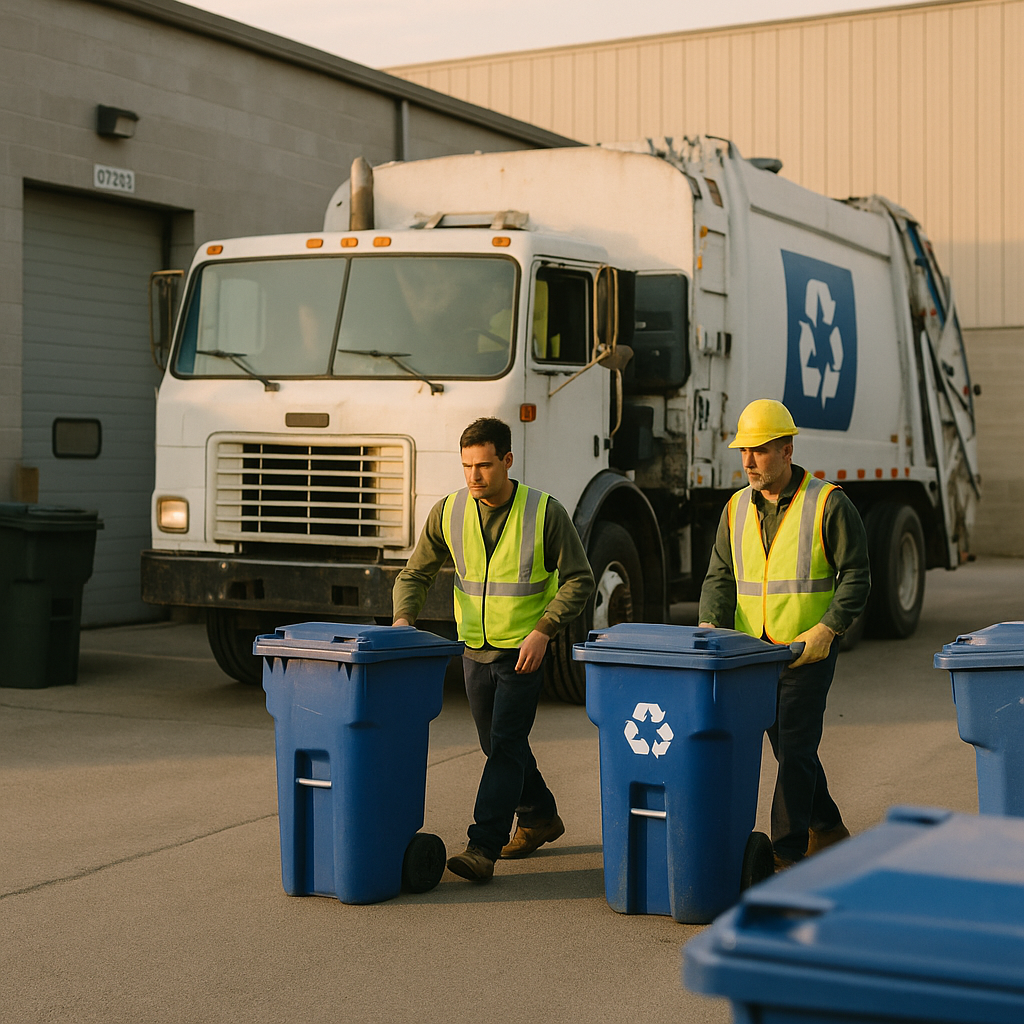
Scheduled pickups offer a systematic approach to metal waste collection, focusing on consistency and reliability. We establish predefined collection routes and schedules based on your facility’s waste generation patterns. This service operates under a commercial service agreement, ensuring regular scrap metal removal without the need for individual requests or administrative overhead.
This process involves placing suitable containers at your site—ranging from small hoppers to large roll-offs—and collecting them according to a specified schedule. We monitor your waste generation to optimize pickup frequency, which could mean daily collections for 24/7 high-volume operations or bi-weekly service for moderate generators. This “just-in-time” logistics model prevents bottle-necks on the shipping dock and keeps the facility in constant motion.
Predictability for high-volume manufacturing
Manufacturing facilities benefit notably from scheduled pickups due to their consistent metal waste production. Fabrication shops generating steady streams of steel shavings, aluminum cuttings, and other byproducts find this service crucial for maintaining clean workspaces. Machine shops with ongoing contracts for aerospace or automotive parts particularly appreciate the predictability this service offers, as it allows them to integrate scrap removal into their master production schedule.
Maintenance and long-term construction projects
Maintenance facilities across industries represent another key user group for scheduled services. These operations produce scrap metal from equipment repairs, part replacements, and facility updates. Similarly, construction companies working on multi-year projects use scheduled pickups to manage structural steel waste. This approach prevents accumulation that could lead to OSHA safety violations or workflow disruptions. The service scales with project phases, adjusting to varying waste volumes throughout the construction timeline.
Steady streams of automotive and heavy equipment scrap
Automotive repair hubs and heavy equipment maintenance operations also depend on scheduled collections. They generate steady volumes of metal waste from brake rotors, engine parts, and structural components. Regular pickups ensure compliance with local waste management regulations while maintaining operational efficiency. The ideal candidates for scheduled pickups generate hundreds or thousands of pounds of scrap metal monthly, making regular collection an operational necessity.
Advanced Sorting Technology and Purity in 2026
The industrial recycling landscape has undergone a technological revolution to meet the precision requirements of 2026 manufacturing. Professional recycling partners now utilize science-driven methods to ensure that every pound of high-performance alloy is identified and priced correctly at the point of collection.
XRF and LIBS alloy verification
Modern recycling facilities utilize handheld X-ray fluorescence (XRF) and Laser-Induced Breakdown Spectroscopy (LIBS) to provide instant chemical breakdowns of metal samples. For a North Texas manufacturer producing aerospace or defense components, this technology is vital. It allows the recycler to distinguish between different series of aluminum or nickel alloys that appear identical to the naked eye. This precision ensures that high-value materials are not “downgraded” to lower-priced scrap categories, directly increasing the manufacturer’s revenue and providing a verifiable audit trail for corporate finance teams.
AI-driven optical sorting at scale
Automation has reached the sorting floor, where AI-powered robotic arms and optical sensors can separate commingled metals with nearly 100 percent accuracy. These systems can identify aluminum, copper, and brass at high speeds, removing human error from the sorting process. For facilities generating mixed metal turnings or complex electronic scrap, this technology ensures that every ounce of recoverable material is captured. This high-purity output is essential for the production of “Green Steel” and other sustainably made metals that are in high demand in the 2026 market.
Navigating 2026 ESG Compliance and Sustainability Reporting
As we move through 2026, Environmental, Social, and Governance (ESG) reporting has become a standard requirement for major industrial players. Managing scrap metal is no longer just a physical task; it is a data-driven process that impacts a company’s sustainability rating.
The “Cradle-to-Cradle” documentation trail
Professional recycling partners now provide detailed digital reporting that tracks material from the factory floor to the final smelter. This documentation is essential for Scope 3 emissions reporting, as using recycled aluminum or steel significantly lowers a manufacturer’s carbon footprint compared to using virgin ore. In 2026, companies that can prove their scrap metal was 100 percent diverted from landfills gain a competitive advantage when bidding on government and international contracts.
Hazardous material containment and environmental insurance
Industrial scrap often comes into contact with cutting fluids, oils, or refrigerants. Under current Texas environmental laws, manufacturers have “cradle-to-grave” responsibility for these substances. Working with a recycler that carries comprehensive environmental insurance and provides certified fluid-capture services is critical. A professional partner ensures that all residual oils are managed according to TCEQ standards, protecting the manufacturer from the massive fines associated with groundwater contamination or improper hazardous waste disposal.
How Do On-Demand Containers and Pickups Work?
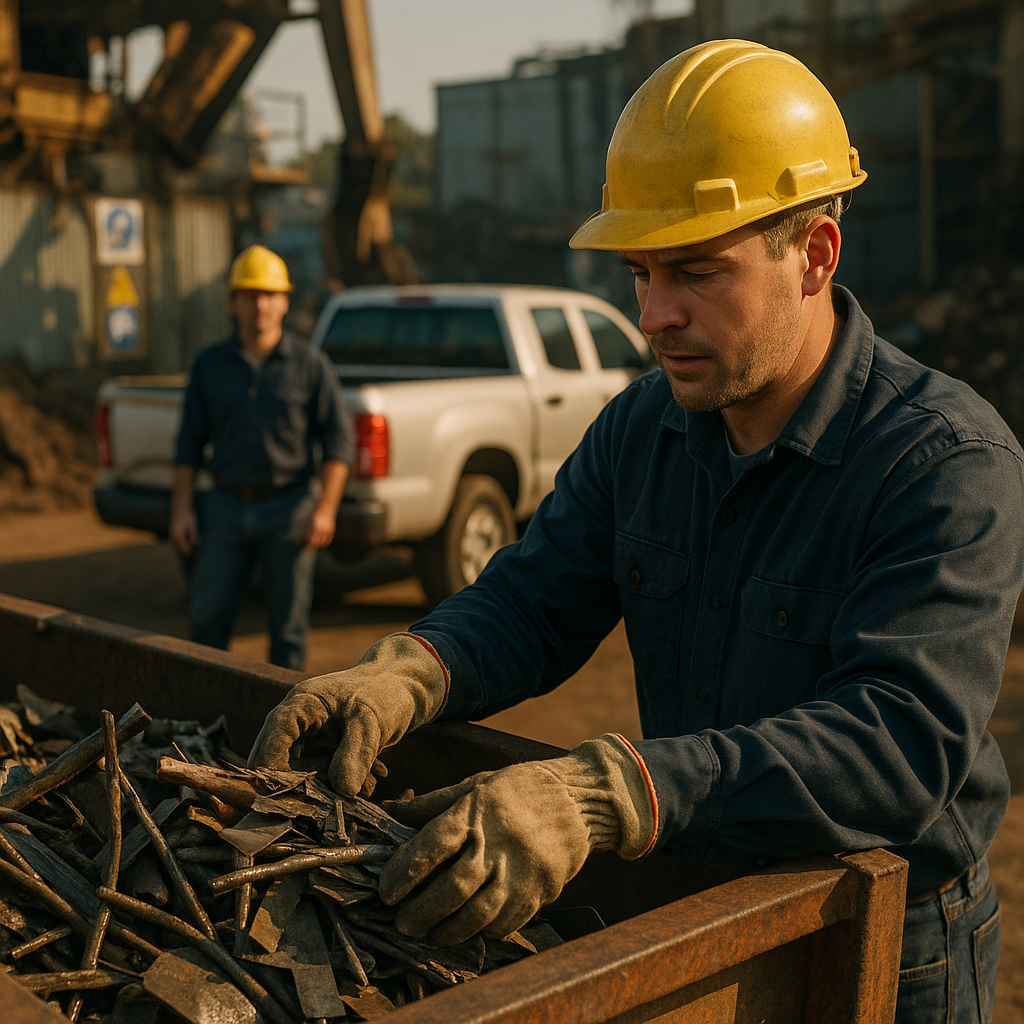
On-demand scrap metal services operate on a flexible model tailored to your project’s specific timeline and material volumes. Unlike fixed container rentals with rigid terms, these services adapt to your actual needs without imposing predetermined schedules or unnecessary commitments. This is the preferred choice for facilities undergoing seasonal changes or one-time upgrades.
A key component of on-demand operations is the roll-off bin service. Industrial containers are delivered directly to your site as needed, allowing you to fill them at your own pace without adhering to daily pickup schedules. The process starts simply: you contact the service provider when there’s enough scrap metal to warrant a pickup. A crew arrives with the necessary equipment, evaluates materials on-site, and handles all loading and removal tasks in one visit.
Container delivery and precise placement
Roll-off containers come in various sizes—from 10-yard hoppers for heavy steel plate to 40-yard containers for lighter aluminum siding—to suit different requirements. Crane truck services place these containers precisely where they are needed, often right at the point of generation to eliminate the need for secondary material handling across your facility. This placement is planned around your operational flow, existing equipment, and site constraints.
Demolition, machinery upgrades, and cleanups
Demolition projects produce substantial scrap volumes in compressed timeframes. On-demand services efficiently handle these surges without requiring permanent container footprints during normal operations. Oversized machinery also poses challenges that standard bins cannot meet. Mobile recycling crews come equipped to handle heavy industrial components, structural steel, and equipment beyond typical container dimensions. One-time cleanup situations—such as facility renovations, equipment upgrades, or property clearances—rely on this model to manage temporary scrap spikes without ongoing costs.
Which Service Is More Efficient for Manufacturing Operations?
Manufacturing efficiency relies on aligning your scrap management plan with actual production patterns. Scheduled pickups are ideal for facilities generating consistent volumes of metal waste, while on-demand containers are better suited for variable production cycles or project-based operations. The decision often hinges on the cost-benefit analysis of space versus logistics fees.
Scheduled pickup services offer predictable cost structures, aiding manufacturing operations in effective budgeting. These services help prevent container overflows, which can pose safety hazards and cause workspace congestion. Manufacturing facilities typically see a 10 to 15 percent improvement in usable workspace efficiency after implementing strategic collection points. Regular pickups also reduce the risk of downtime caused by overflowing containers.
On-demand container services offer operational flexibility for facilities with irregular scrap generation. Project-based manufacturers or those with seasonal production cycles find this model adapts better to their workflow. However, on-demand pricing may be slightly higher per haul due to the reactive nature of the logistics. Manufacturing operations should evaluate the “total cost of ownership”—including labor, space utilization, and safety—rather than just the haul rate.
How Can Manufacturers Optimize Their Scrap Metal Recycling Strategy?
Smart manufacturers understand that scrap metal management is more than just waste disposal. A strategic approach transforms what many consider overhead costs into measurable revenue streams through careful evaluation and systematic optimization of the scrap cycle.
Site audits reveal hidden metallurgical value
A comprehensive site audit forms the foundation for maximizing scrap metal returns. We conduct thorough facility assessments to identify every source of ferrous and non-ferrous materials across your production floor. The audit process examines metal waste generation patterns from cutting operations, machining processes, and equipment maintenance. Our specialists document the types and volumes of materials like steel offcuts, aluminum shavings, and copper wire remnants.
Value analysis during the audit reveals market pricing for each metal category. Proper scrap metal audits can identify materials that lose up to 40 percent of their worth due to improper storage, mixing, or contamination. Storage recommendations from the audit optimize material preservation, suggesting container placement to prevent rust and ensure that different alloys remain segregated for maximum payout.
Commercial accounts and reporting streamline accounting
Dedicated commercial accounts transform scrap transactions from administrative burdens into streamlined business processes. These accounts provide consistent pickup schedules that align with your production cycles. Itemized reporting removes guesswork from scrap revenue tracking, delivering detailed documentation showing material types, weights, and pricing for each transaction. Consolidated payments simplify accounting procedures, combining all scrap sales into regular, predictable payments that integrate seamlessly with your existing financial systems and ERP software.
Conclusion: Selecting the Right Metal Recycling Partner
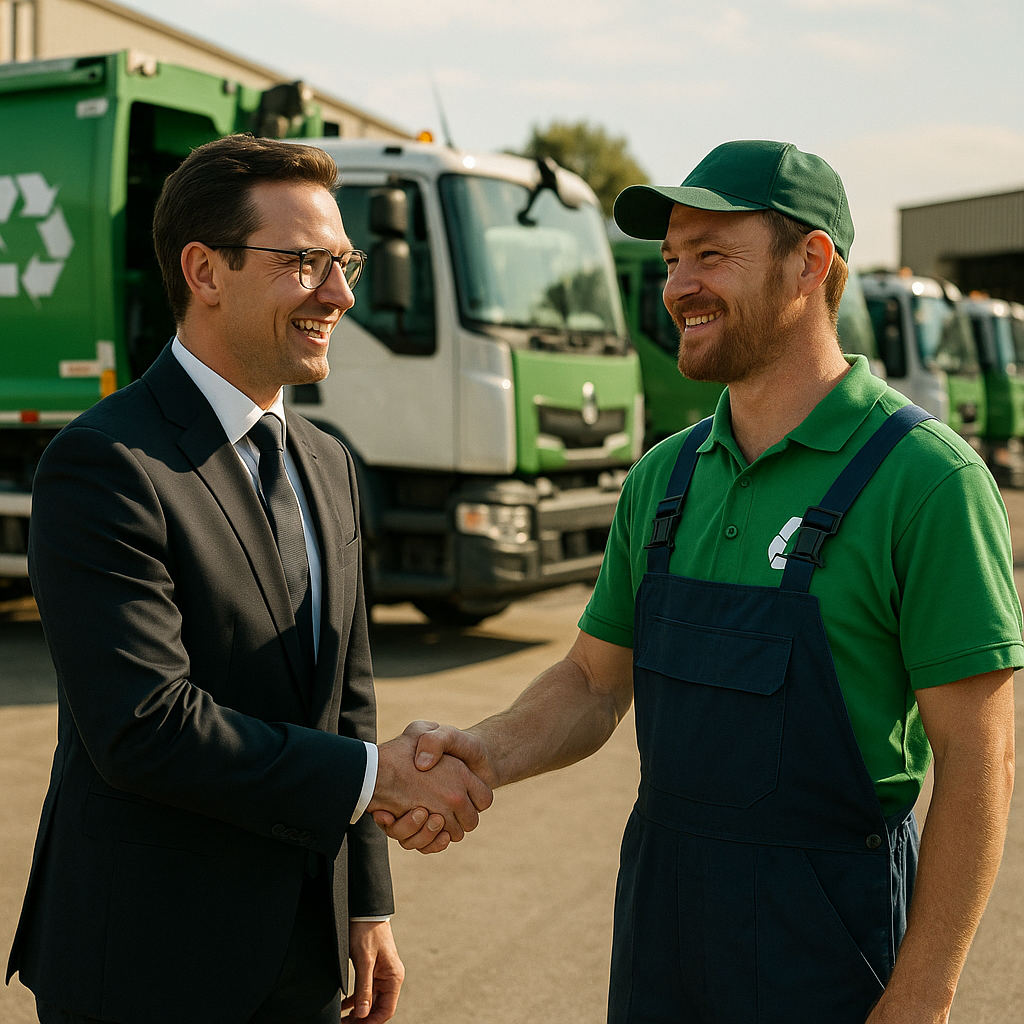
Your choice between scheduled pickups and on-demand containers should match your manufacturing workflow, scrap volume, and project needs. Scheduled service ensures reliability and predictable material management for consistent output, while on-demand containers offer flexibility for projects with fluctuating scrap generation. Effective recycling partners recognize that no single approach suits every operation and provide both options within comprehensive scrap management programs.
Leading recycling partners in 2026 extend beyond basic collection to perform detailed site audits and create custom solutions aligned with your operational patterns and environmental goals. These partnerships enhance sustainability initiatives through optimized material recovery, maximizing the circular economy benefits of your scrap materials while ensuring compliance with state and federal laws. To develop a tailored scrap management program that supports your operational efficiency and environmental objectives, contact Okon Recycling at 214-717-4083.
Send Us a Message
Questions about what we do? Interested in commercial services? Let us know below and a member of our team will get back to you.