5901 Botham Jean Blvd, Dallas, TX 75215
Industrial Steel Recycling in Houston: Services & Solutions
February 4, 2026Houston serves as Texas’s primary hub for industrial steel recycling, with professional facilities processing millions of pounds of scrap metal annually for commercial and industrial clients. The city’s strategic location near major manufacturing centers and energy facilities creates an ideal environment for extensive materials recovery operations. This concentration of expertise supports the region’s circular economy by transforming industrial waste into valuable raw materials for the next generation of Texas manufacturing.
Specialized industrial recyclers in the Houston area serve key sectors, including manufacturing, energy production, and heavy industry, with customized solutions that emphasize operational efficiency and regulatory compliance. In 2026, as North American industrial reshoring continues to gain momentum, these services have moved beyond basic collection to include advanced digital tracking systems and comprehensive reporting for environmental, social, and governance (ESG) documentation. This ensures that every ton of scrap steel is traceable and accounted for in corporate sustainability reports.
What Core Services Do Houston’s Industrial Recyclers Provide?

Industrial recycling facilities in Houston offer comprehensive waste management solutions tailored for large-scale operations. These services extend beyond basic material collection by providing end-to-end solutions that transform complex waste streams into valuable resources, aiding companies in achieving high-performance sustainability goals.
Transportation and logistics are fundamental to industrial recycling services. Most facilities offer various container options, including roll-off containers, flatbed trailers, and end-dump trailers designed for high-volume processing. This transportation infrastructure ensures efficient material movement from generation points to processing facilities without interrupting daily production workflows.
Customized program development
Professional recyclers start each client relationship with a comprehensive on-site facility assessment. These evaluations identify waste streams, quantify material volumes, and assess operational workflows. The assessment helps develop customized recycling programs tailored to specific industrial processes and regulatory requirements, such as those found in the petrochemical or aerospace sectors.
Program customization addresses the unique challenges each facility faces. Some operations mainly produce metal waste, requiring specialized scrap metal pickup services. Others generate mixed waste streams that need advanced sorting capabilities. Leading recyclers design collection schedules, container placement, and processing protocols based on actual operational needs rather than a one-size-fits-all approach.
Advanced processing and sorting solutions
Modern industrial recyclers use sophisticated processing equipment to manage diverse material streams. Balers compress cardboard and plastic materials for efficient transportation, while compactors reduce waste volumes before processing. Advanced sorting systems automatically separate different material types, increasing recovery rates and reducing contamination. Many facilities also offer specialized services for challenging materials, such as plastic film recovery using optical sorters and vacuum systems to capture materials traditionally deemed difficult to recycle.
Technology integration and ESG reporting
Technology-enabled tracking systems provide real-time visibility into recycling operations by monitoring material flows and diversion rates. In 2026, advanced facilities integrate weighing systems with digital platforms for accurate sustainability reporting data. ESG reporting capabilities help companies thoroughly document their environmental impact, quantifying recycled materials by type and diversion rates. This documentation supports corporate sustainability initiatives and ensures compliance with tightening federal and state regulations.
The 2026 Reshoring Boom: Driving Houston’s Scrap Demand
As we navigate 2026, the Houston industrial market is experiencing a transformative shift driven by reshoring—bringing manufacturing operations back to the United States. This surge in local production has fundamentally changed the demand for recycled industrial steel and high-performance alloys.
Powering “Smart Factories” and AI infrastructure
Major global technology giants have announced massive AI server manufacturing plants and supercomputer facilities slated for the Houston area. These Smart Factories integrate robotics and IoT sensors to produce advanced digital infrastructure. The construction and maintenance of these facilities require thousands of tons of structural steel. By recycling local production scrap, Houston manufacturers feed the raw materials needed for these new builds, creating a self-sustaining regional supply chain that is less vulnerable to international trade volatility.
Supporting the “Green Steel” initiative
The global push for Green Steel—steel produced with a significantly lower carbon footprint—has made high-quality scrap more valuable than ever. Most modern steel production in Texas now utilizes electric arc furnaces (EAFs), which can use nearly 100 percent scrap metal as feedstock. For Houston businesses, this means that their steel waste is now a primary raw material in the quest for carbon neutrality. Every ton of recycled steel used saves approximately 2,500 pounds of iron ore and 1,400 pounds of coal, making industrial recycling a critical pillar of environmental compliance in 2026.
Certified Destruction for High-Tech and Defense Sectors
For Houston’s high-tech manufacturing, aerospace, and defense sectors, recycling is as much about security as it is about material recovery. In 2026, certified destruction services have become a mandatory requirement for businesses dealing with proprietary designs or sensitive equipment.
Protecting intellectual property and brand integrity
Aerospace and defense contractors often possess retired equipment, prototypes, or defective parts that contain proprietary technology. Standard recycling does not guarantee that these items are rendered unusable. Certified destruction provides verifiable documentation that sensitive materials have been properly destroyed. This process creates a documented audit trail, offering verification that materials can no longer be accessed or reconstructed. This level of security is vital for maintaining brand integrity and preventing unauthorized product circulation.
FAA and ITAR compliance standards
For businesses dealing with aerospace components, adherence to FAA (Federal Aviation Administration) and ITAR (International Traffic in Arms Regulations) is paramount. Professional recycling facilities in Houston offer witnessed destruction—either in person or via secure digital feeds—to ensure that all components are handled according to federal security mandates. Providing a verifiable “Certificate of Destruction” is a standard legal requirement in 2026 for these high-stakes industries, ensuring that your organization remains fully compliant while still recovering the metallurgical value of the base metals.
Which Types of Metals Are Commonly Accepted for Recycling?
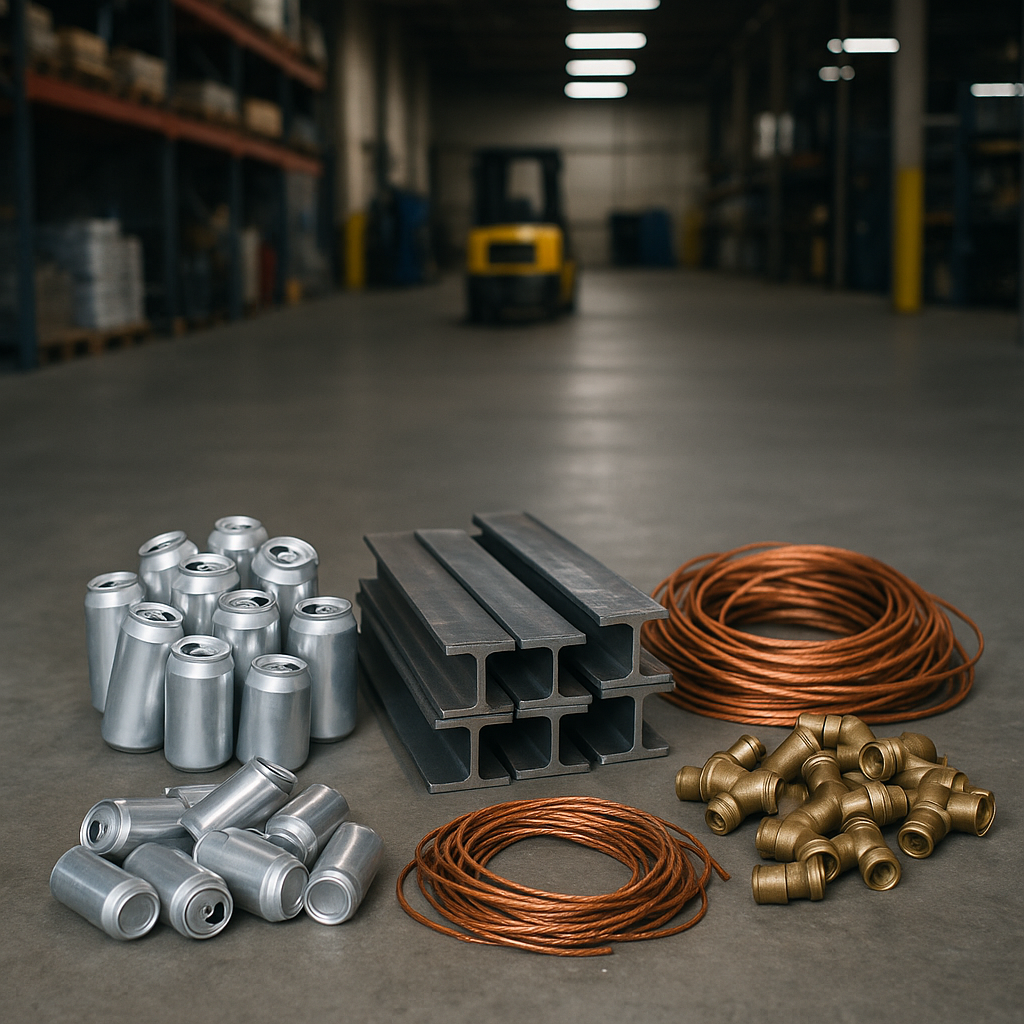
Houston’s metal recycling facilities process a wide range of materials from industrial and commercial sources. Knowing which metals qualify for recycling helps businesses enhance their waste management programs and increase recovery value.
Ferrous metals and steel products
Ferrous metals are central to most recycling operations in Houston. These magnetic materials include iron and various steel alloys commonly found in construction debris, automotive components, and manufacturing equipment. Steel recycling operations readily accept structural beams, rebar, and machinery frames. Stainless steel is particularly valuable due to its high nickel and chromium content, appearing frequently in petrochemical infrastructure throughout Houston’s energy sector.
Non-ferrous metals and high-value alloys
Non-ferrous metals command premium prices at Houston recycling facilities due to their unique properties and wide-ranging industrial applications. Aluminum and copper are among the most profitable materials available. Copper recycling generates substantial revenue due to the metal’s superior electrical conductivity—bare bright copper achieves the highest market prices in 2026. Lead, zinc, and specialized nickel alloys like Inconel and Hastelloy also command premium pricing due to their applications in extreme temperature environments common throughout Houston’s energy corridor.
Prohibited materials and safety restrictions
Several material categories cannot enter standard metal recycling streams due to environmental regulations and safety concerns. Hazardous waste materials require specialized disposal through EPA-certified facilities and cannot be processed alongside standard scrap. Flammable materials and sealed containers, such as unopened propane tanks or aerosol containers, require specialized handling. Items containing asbestos, radioactive substances, or polychlorinated biphenyls (PCBs) also demand strict disposal procedures outside conventional recycling channels to protect worker safety and the local ecosystem.
Which Houston Industries Benefit Most from Metal Recycling?
Energy sector companies are Houston’s largest consumers of metal recycling services. Oil and gas operations generate significant scrap from pipeline maintenance, equipment upgrades, and facility decommissioning. These companies rely on dependable recycling partners to manage their extensive metal infrastructure while ensuring compliance with state environmental laws.
Manufacturing facilities also depend heavily on these services to handle production waste. Machine shops produce substantial quantities of steel shavings, aluminum turnings, and brass chips. Similarly, the construction and demolition sector routinely generates structural steel beams, rebar, and copper piping from teardown projects. Recycling helps these contractors convert disposal costs into revenue opportunities, significantly offsetting total project expenses.
The transportation and utility sectors use specialized recycling for railcar components and grid modernization projects. According to the Houston-Galveston Area Council economic impact report, recycling-dependent industries contribute nearly $546 million in total industrial output to the region, highlighting the sector’s vital role in the local economy.
Conclusion: Maximizing Value Through Strategic Recycling
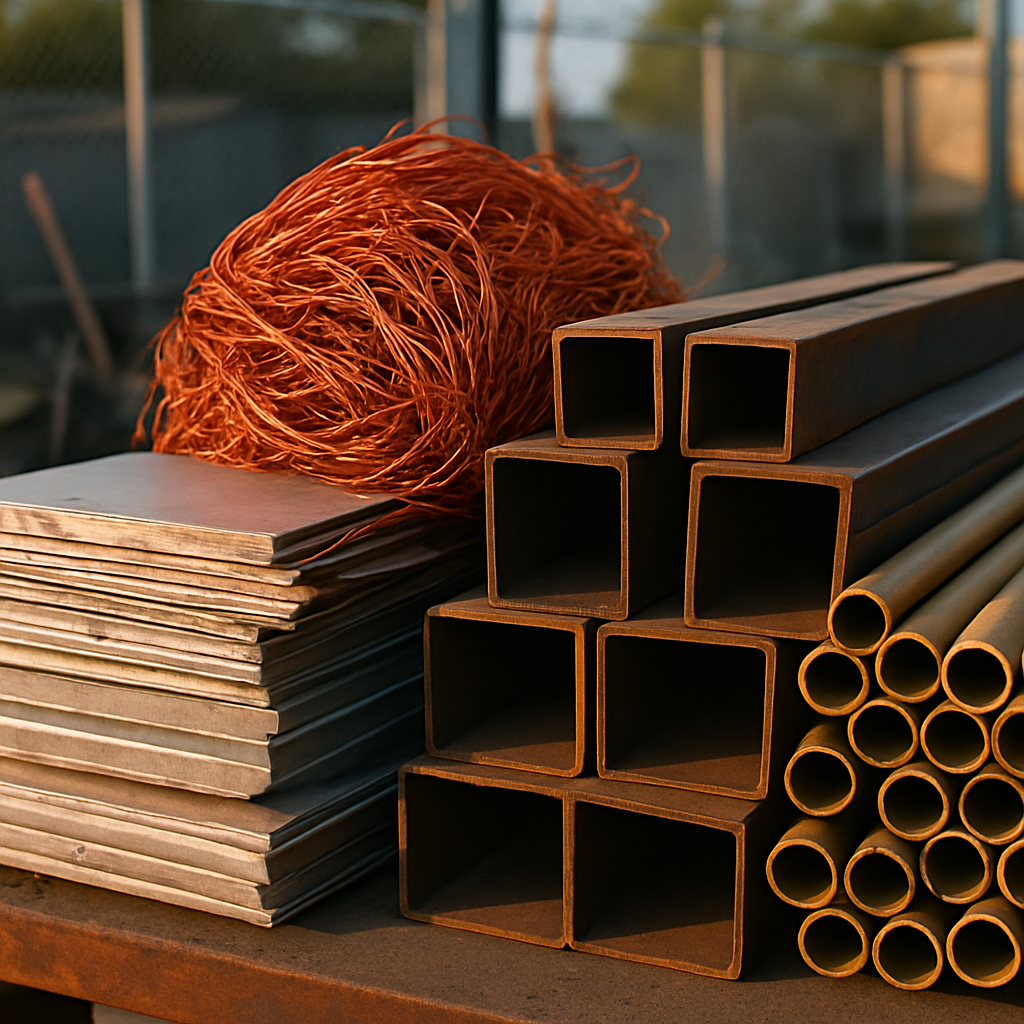
Partnering with a professional for industrial steel recycling in Houston enables businesses to efficiently manage their scrap metal while supporting the circular economy. By choosing an experienced recycler that offers transparent pricing, reliable logistics, and customized programs, companies can enhance their sustainability efforts and create significant value from materials that would otherwise be waste.
The strategic advantage of professional recycling partnerships goes beyond simple waste disposal. In 2026, these relationships transform metal waste into predictable revenue streams, reduce operational overhead, and ensure ironclad environmental compliance. For professional recycling solutions that maximize your material value and meet all 2026 industrial standards, contact Okon Recycling at 214-717-4083.
Send Us a Message
Questions about what we do? Interested in commercial services? Let us know below and a member of our team will get back to you.