5901 Botham Jean Blvd, Dallas, TX 75215
Your Guide to Industrial Copper Recycling in Dallas, TX
April 1, 2026Copper scrap is among the most valuable materials found in industrial waste streams. For businesses in Dallas, TX, effective copper recycling transforms discarded wiring, plumbing fixtures, and electronic components into significant revenue opportunities. In early 2026, as global demand for raw materials surges to support the expansion of AI data centers and renewable energy grids, these materials have evolved from simple waste into critical strategic assets. Facility managers are often surprised by the financial returns from recycling, having previously perceived these materials as burdensome disposal costs.
Dallas hosts several established recycling facilities specializing in non-ferrous metals and commercial recycling operations. These industrial-scale companies have served the North Texas sector for decades, developing expertise in scrap metal management that benefits both large manufacturing operations and smaller commercial enterprises. Their facilities accept various copper materials, including electrical wiring, high-performance HVAC components, and telecommunications equipment. By partnering with a local, professional recycler, Dallas businesses can capitalize on a volatile but historically strong commodities market.
What Copper Materials Are Accepted by Dallas Recyclers?
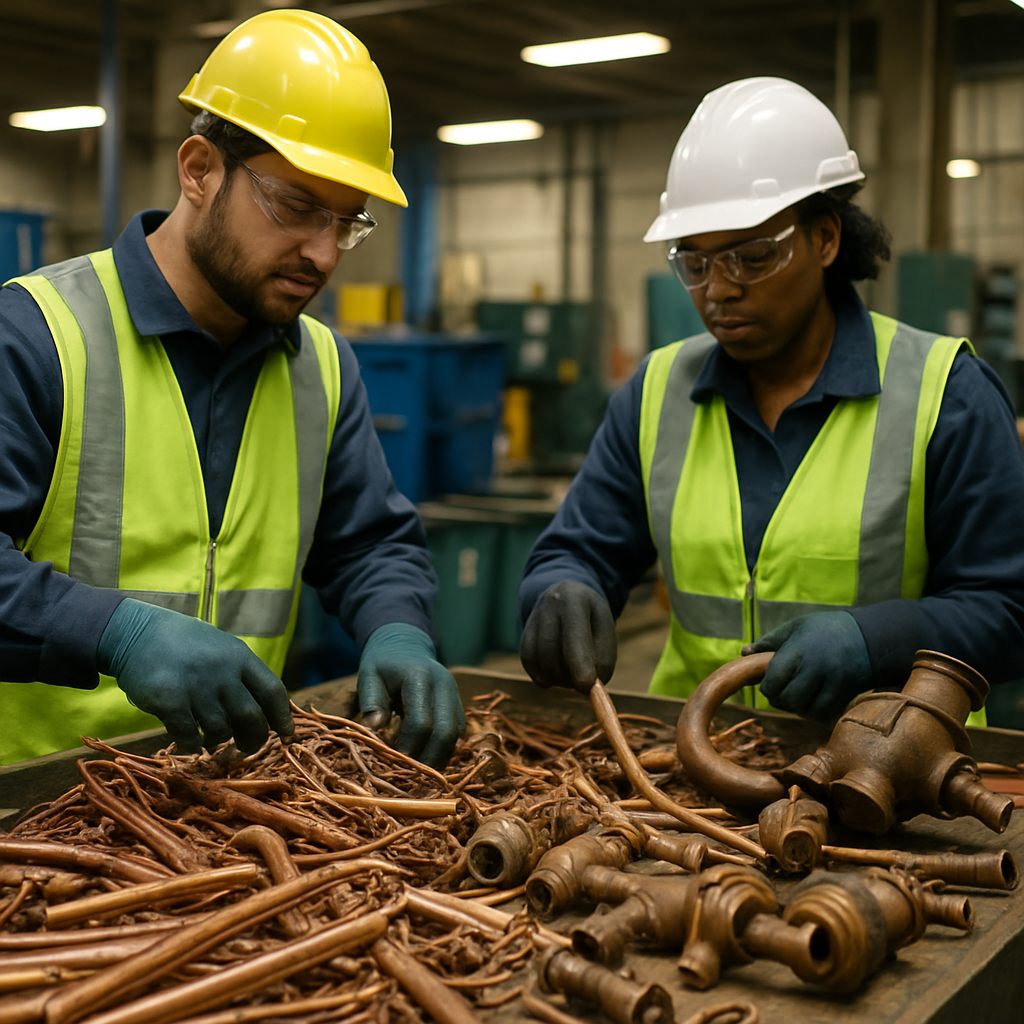
Dallas recycling facilities accept a wide range of copper materials and non-ferrous metals from commercial and industrial clients. Major recycling centers across the metropolitan area process various grades of copper scrap, each with specific quality standards and pricing structures. These facilities serve clients including manufacturing plants, construction companies, electrical contractors, and government agencies, providing a critical service that bridges the gap between demolition and new manufacturing.
The most commonly accepted copper materials include all standard grades recognized by industry standards. Professional facilities process Bare Bright Copper, No. 1 Copper, and No. 2 Copper based on purity and condition. In 2026, high-purity copper is in particularly high demand due to its role in high-efficiency electrical applications. Insulated copper wire is another significant category, with facilities accepting both high-recovery wire, containing 50 percent or more copper content, and lower-yield communications wire.
Grades of industrial copper
To maximize the value of a scrap load, it is vital to understand the grading system. Bare Bright Copper is the most sought-after grade, consisting of clean, stripped wire that is at least 16 gauge in thickness. No. 1 Copper includes clean piping and bus bars free of solder or paint, while No. 2 Copper includes oxidized or soldered materials. Proper segregation of these grades before delivery ensures that the generator receives the highest possible payout, as mixing grades often results in the entire load being priced at the lowest common denominator.
Brass and other copper alloys
Brass materials attract significant attention from Dallas recyclers due to their copper content and market value. Red brass and yellow brass are the primary categories accepted, with red brass typically commanding higher prices because of its greater copper percentage (often 85 percent or more). Brass radiators from automotive and HVAC systems are commonly processed, including both clean brass radiators and “irony” radiators that contain steel components. Specialized brass items such as fittings, valves, and decorative components also undergo sorting and grading to determine their exact metallurgical value.
Additional non-ferrous metals
Dallas recycling centers process numerous non-ferrous metals alongside copper materials. Aluminum is a major category, including siding, wheels, cast components, and aluminum cans. Stainless steel, particularly 304 and 316 grades, is widely accepted for its industrial demand. Other commonly accepted non-ferrous metals include lead-acid batteries, clean lead materials, and premium metals like titanium or nickel-based alloys. Electronic scrap containing copper traces is also processed at specialized facilities equipped for high-tech recovery.
Advanced Metallurgical Verification: Precision Grading in 2026
The copper recycling industry has undergone a technological revolution as we enter 2026. Professional recycling facilities now utilize laboratory-grade technology at the scale to ensure that industrial generators are paid for the exact chemical composition of their scrap materials.
XRF and LIBS technology
To provide guaranteed pricing, modern recyclers utilize handheld X-ray fluorescence (XRF) and Laser-Induced Breakdown Spectroscopy (LIBS) technology. These devices provide an instant chemical breakdown of a metal sample. For a Dallas manufacturing facility, this means distinguishing between standard copper and specialized alloys like copper-nickel or beryllium-copper. This precision ensures that high-value materials are not “downgraded” to lower-priced scrap categories, directly increasing the customer’s net revenue and providing a verifiable audit trail for corporate stakeholders.
AI-driven optical sorting at scale
For high-volume industrial accounts, Artificial Intelligence (AI) and robotic sorting systems have automated the separation of commingled metals. Optical sensors can distinguish between copper, brass, and aluminum at high speeds, removing human error from the sorting process. This technology allows recycling facilities to produce “furnace-ready” packages for domestic mills, which commands a higher price that is passed on to the generator. In 2026, the speed and accuracy of these systems are essential for maintaining the rapid turnaround times required by the North Texas industrial sector.
Navigating the 2026 Industrial Landscape: AI and Grid Demand
The role of copper in 2026 is defined by two massive industrial shifts: the transition to renewable energy and the expansion of Artificial Intelligence (AI) infrastructure. These drivers have created a “super-cycle” for copper that benefits Dallas-based recyclers and their industrial clients.
The “AI Super-Cycle” for copper
Hyperscale data centers being built across North Texas require massive amounts of copper for power distribution, bus bars, and cooling systems. A typical AI-ready data center consumes several times more copper than a traditional facility. This has created a structural supply deficit, meaning that recycled copper is no longer just “scrap”—it is a critical feedstock for the next generation of computing. Businesses generating copper waste from data center upgrades or construction are positioned to receive premium payouts as secondary supply becomes increasingly vital to complete these projects on time.
Texas SB 1646 and regulatory compliance
In response to the strategic importance of copper, the State of Texas has implemented stricter regulations regarding its trade. As of late 2025, laws like SB 1646 have increased the documentation requirements for selling “regulated materials.” Professional recyclers manage this “Notice of Intent” (NOI) reporting on behalf of their clients, ensuring that every transaction is documented according to Texas Department of Public Safety (DPS) standards. This compliance protects Dallas businesses from the legal liabilities associated with improper waste handling and ensures that they are contributing to a transparent, ethical supply chain.
What Are the Key Services and Benefits for Industrial Clients?
Core collection and transport services
Industrial recycling companies in Dallas offer comprehensive pickup solutions tailored for large-scale operations. Roll-off containers are central to industrial waste management, handling substantial volumes of scrap metal and other recyclables. These containers relieve businesses from transporting materials, reducing both operational burdens and transportation costs. Some providers now use advanced IoT sensors to monitor container fill-levels, ensuring that pickups are scheduled exactly when needed, which optimizes logistics and reduces the carbon footprint of the hauling process.
Transport services feature specialized vehicles for different material types. Flatbed trailers accommodate oversized industrial equipment, while enclosed containers protect sensitive electronics from weather exposure. This comprehensive approach ensures proper handling from the point of generation to final smelting, providing a “cradle-to-cradle” solution that satisfies the rigorous requirements of modern supply chain managers.
Environmental sustainability and ESG reporting
Industrial recycling significantly contributes to environmental protection by diverting thousands of tons of material from North Texas landfills. The circular economy model reduces the need for energy-intensive mining; recycling copper, for example, uses 85 percent less energy than producing it from ore. In 2026, professional recyclers provide detailed Environmental, Social, and Governance (ESG) reports that allow businesses to quantify their carbon offsets and energy savings. This data is essential for Dallas manufacturers who must prove their sustainability credentials to global customers and regulatory agencies.
Economic and business advantages
Industrial recycling generates direct revenue streams, turning waste disposal costs into significant profit centers. Scrap metals yield payments based on real-time market rates, which can offset the costs of new machinery or facility upgrades. Cost reduction also extends to decreased landfill tipping fees and lower insurance premiums through cleaner, OSHA-compliant worksites. Regular pickup services eliminate the need for internal waste management labor, allowing staff to focus on core production activities while the recycler manages the logistics of asset recovery.
Choosing a Reliable Dallas Copper Recycler
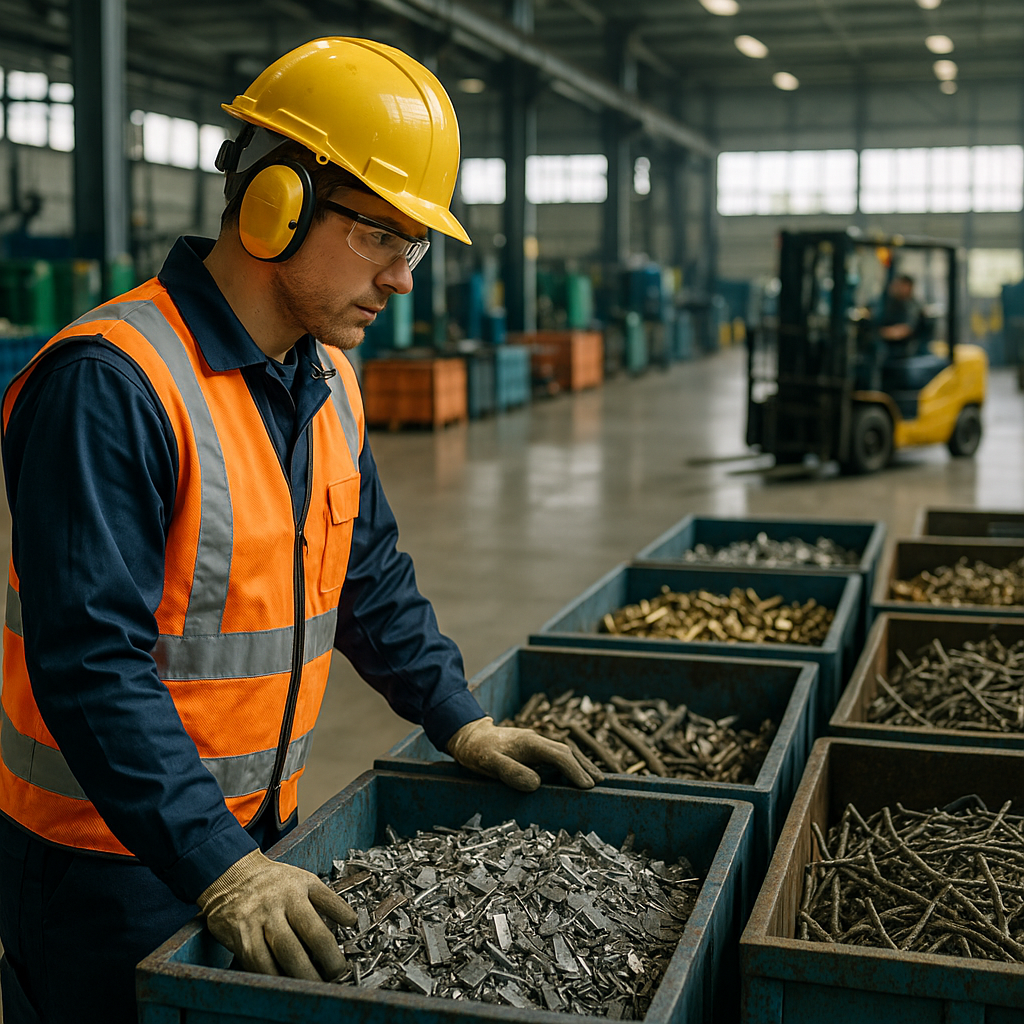
Choosing the right partner for industrial copper recycling in Dallas provides significant advantages for businesses focused on profitability and environmental responsibility. Dallas offers numerous certified facilities that combine competitive prices with dependable pickup services, ensuring a seamless process that maximizes scrap metal revenue. A responsible recycler provides accurate weighing on state-certified scales, follows all environmental regulations, and maintains transparent pricing structures tied to global indices.
The recycling program you select should offer comprehensive services from collection to processing, supported by proper licensing and environmental insurance. For North Texas businesses ready to turn their copper scrap into a measurable financial gain while promoting sustainable practices, contact Okon Recycling at 214-717-4083 for expert guidance on your industrial material recovery needs.
Send Us a Message
Questions about what we do? Interested in commercial services? Let us know below and a member of our team will get back to you.