5901 Botham Jean Blvd, Dallas, TX 75215
Industrial Magnet Disposal and Recycling in Fort Worth
January 19, 2026Industrial magnets present unique disposal challenges often overlooked by businesses until compliance deadlines loom. These powerful components, especially rare-earth NdFeB magnets, contain materials needing specialized handling. Fort Worth generates significant volumes of magnetic waste from aerospace manufacturing, defense contractors, and electronics facilities.
Two primary pathways exist for industrial magnet disposal in the region. Traditional hazardous waste management treats magnets as regulated materials, necessitating proper documentation and disposal. Advanced recycling approaches aim to recover and remanufacture materials, capturing valuable rare-earth elements. This ensures that finite resources like neodymium and dysprosium are returned to the manufacturing cycle rather than being lost in a landfill.
Fort Worth acts as a strategic hub for both disposal methods. The city hosts numerous licensed hazardous waste disposal facilities and emerging magnet manufacturing operations supporting circular supply chain initiatives. This dual infrastructure offers businesses compliance options aligned with operational needs and sustainability goals.
Which Companies Provide Hazardous and Industrial Waste Disposal Services?

Fort Worth is home to established companies specializing in hazardous and industrial waste disposal services. These providers manage complex waste streams while ensuring regulatory compliance across various industries, from medical imaging to heavy manufacturing.
Leading hazardous waste management firms in the region operate fully permitted treatment, storage, and disposal facilities across Texas. These providers typically accept over 500 RCRA waste codes, including universal wastes and e-waste materials. Their environmental experts handle both hazardous and non-hazardous waste streams, providing “cradle-to-grave” documentation that protects businesses from liability.
Professional waste disposal services in Texas offer nearly 30 years of industry experience, serving clients ranging from single-location machine shops to multi-state manufacturing operations. These firms maintain transparent pricing structures and flexible service plans for various industry sectors, including emergency response and scheduled pickup services.
Waste Stream Management Capabilities
Texas-based disposal companies manage diverse waste categories from industrial and commercial facilities. Common waste streams include chemical waste, spent solvents, and contaminated materials that require specialized handling protocols.
Major waste types handled by regional providers include:
- Ignitable and flammable liquids, solids, and sludges
- Corrosive and reactive materials
- Used solvents and cleaning solutions
- Lab pack materials and expired chemicals
- Acids, caustics, and toxic metals
- Contaminated soils and industrial sludges
- Plating solutions and metal-containing waste
- Scrap metal and electronic waste
Service Scope and Industry Coverage
Disposal companies serve multiple industry sectors throughout the Fort Worth metropolitan area. Many collaborate directly with municipal environmental departments for emergency chemical spill response and property cleanup services. This ensures that hazardous magnetic waste is never accidentally introduced into the standard municipal trash stream.
Target industries include manufacturing facilities, hospitals and healthcare centers, universities and research laboratories, and municipal government operations. Construction and demolition contractors also rely on these services for managing contaminated materials and hazardous debris during facility retrofits.
Professional firms highlight their capability to handle projects of any size, from single 55-gallon drums to large-scale facility cleanouts. They provide DOT-compliant containers and can supply appropriate packaging when client containers do not meet transportation requirements for magnetic shielding.
Regulatory Compliance and Documentation
Fort Worth waste disposal companies strictly adhere to federal and state regulations. They ensure compliance with the Texas Commission on Environmental Quality (TCEQ), EPA, and Department of Transportation (DOT) standards throughout the disposal process.
These providers offer comprehensive services that include waste characterization, proper packaging, transportation manifesting, and final disposal documentation. Many companies pre-print required shipping documents and labels to streamline the pickup process. For magnets, this often involves certifying that the magnetic field strength at the exterior of the shipping container meets safety standards.
The Hidden Risks: Why Industrial Magnets Require Specialized Disposal
While often viewed as simple metal components, industrial magnets—specifically those used in MRI machines, wind turbines, and industrial motors—carry physical and environmental risks that standard scrap does not. Understanding these risks is the first step toward a compliant disposal plan.
Physical Hazards During Transport and Handling
The magnetic force of industrial-grade neodymium magnets can be deceptively powerful. Large magnets can exert thousands of pounds of force over a distance, leading to severe crushing or pinching injuries if handled improperly. If two powerful magnets are allowed to snap together, they can shatter on impact, creating razor-sharp fragments that act as projectiles. This makes traditional dumpster disposal dangerous for waste-hauling personnel.
Environmental and Chemical Concerns
Rare-earth magnets often contain coatings made of nickel, copper, or epoxy to prevent corrosion. When crushed or left to degrade in a landfill, these coatings and the internal materials can leach into the soil. Furthermore, the mining of “virgin” rare-earth elements is an environmentally destructive process. By failing to recycle, businesses contribute to a cycle of land degradation and toxic tailings production in overseas mining operations. Recycling provides a “green” alternative that preserves Texas groundwater and reduces global mining demand.
Establishing a Compliant Magnet Disposal Protocol for Your Facility
For Fort Worth businesses, establishing a formal protocol for magnet disposal is not just a safety measure; it is a regulatory requirement. Following a structured approach ensures that your facility remains compliant with TCEQ and DOT standards.
Step 1: Classification and Inventory
The first step is identifying the type and strength of the magnets in your inventory. Are they Alnico, Ferrite, or Rare-Earth (Neodymium/Samarium Cobalt)? High-strength rare-earth magnets require more stringent transport protocols. Create a log that identifies the source of the magnet (e.g., “MRI Unit 4” or “Aerospace Motor Batch 2026”) to ensure proper cradle-to-grave tracking.
Step 2: Thermal Demagnetization or Shielding
To safely transport magnets, they must either be demagnetized or shielded. Thermal demagnetization involves heating the magnet above its “Curie temperature”—the point at which it loses its magnetic properties. For neodymium, this is approximately 320°C (608°F). If demagnetization is not feasible on-site, magnets must be placed in steel-lined containers. The steel acts as a magnetic shield, neutralizing the field so the container does not stick to the side of a truck or interfere with sensitive aircraft electronics during flight.
Step 3: Partnering with a Certified Recycler
Finally, ensure that your disposal partner is a licensed recycler with specific expertise in rare-earth elements. A general scrap yard may not have the technology to recover the neodymium or dysprosium within the magnet, resulting in the material being sold as low-grade iron scrap. Partnering with a specialized recycler ensures that the high-value materials are properly recovered, often resulting in a better financial return for your business.
Conclusion: A Hub for Both Magnet Disposal and Sustainable Recycling
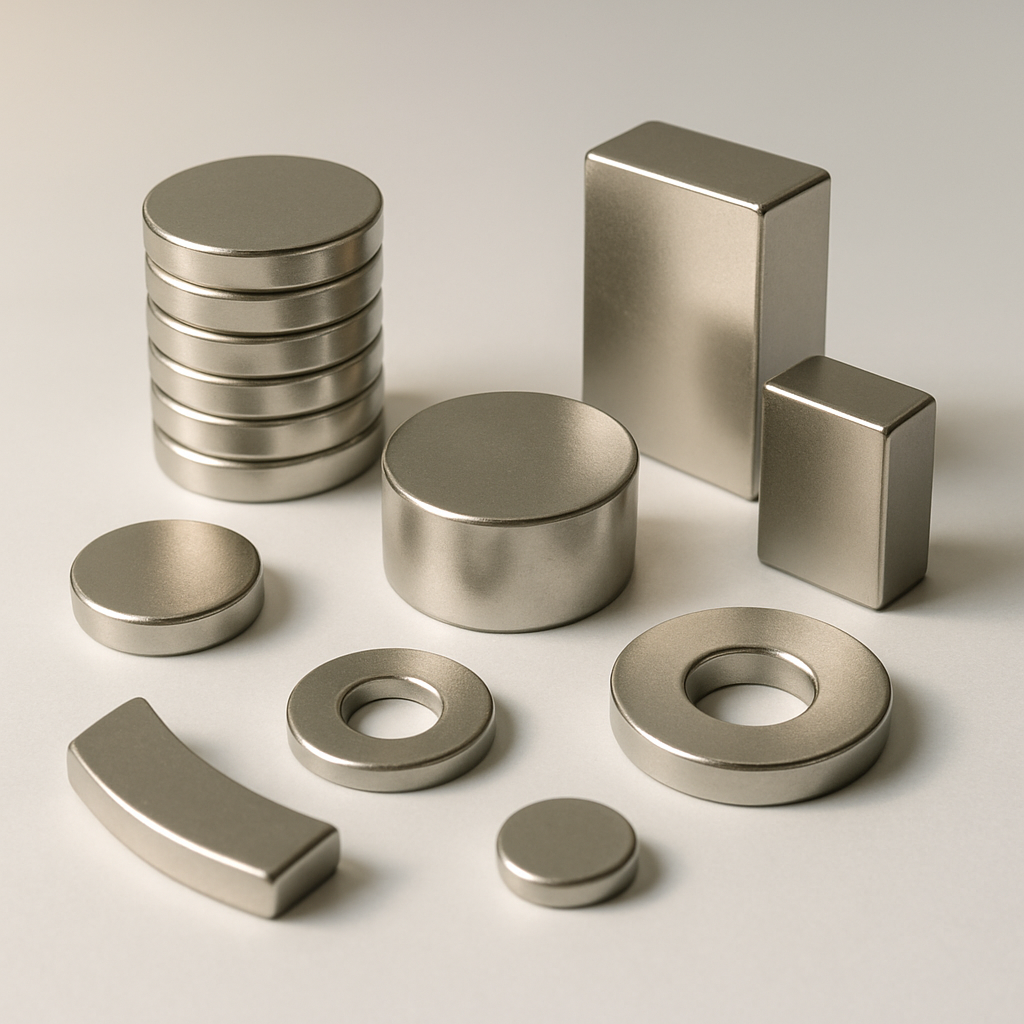
Fort Worth offers a comprehensive ecosystem for managing industrial magnets, providing businesses with choices between compliant hazardous waste disposal and sustainable recycling solutions. The region pairs established waste management practices with innovative facilities like the flagship rare-earth magnet recycling operations.
Whether companies need to dispose of regulated materials through specialized hazardous waste services or contribute to a circular supply chain for rare-earth materials, Texas has specialized partners to meet diverse needs. Businesses should evaluate their magnet materials to determine the best path forward.
For expert guidance on industrial magnet management and recycling solutions that ensure both regulatory compliance and environmental responsibility, contact Okon Recycling at 214-717-4083.
Send Us a Message
Questions about what we do? Interested in commercial services? Let us know below and a member of our team will get back to you.