5901 Botham Jean Blvd, Dallas, TX 75215
What Is On-Site Metal Recycling in Dallas?
January 19, 2026Scrap metal accumulates faster than most Dallas businesses expect. Obsolete inventory, worn equipment, and production waste can quickly consume valuable floor space while tying up capital in materials that seem worthless. This common challenge affects manufacturing facilities, warehouses, and commercial properties throughout the North Texas region.
On-site metal recycling in Dallas turns this problem into an opportunity. This service brings recycling professionals directly to your facility to process scrap metal and obsolete inventory on-site. Instead of having to transport heavy materials to distant recycling centers, mobile recycling equipment manages the entire scrap metal processing operation at your location.
This approach creates dual benefits for Texas businesses: effective facility cleanup and immediate material recovery. Companies can reclaim usable space while generating revenue from materials previously seen as waste. Mobile recycling teams handle everything from initial assessment to final processing, transforming accumulated commercial scrap into a streamlined operation that enhances both operational efficiency and sustainability goals.
How Does the On-Site Recycling Process Work?
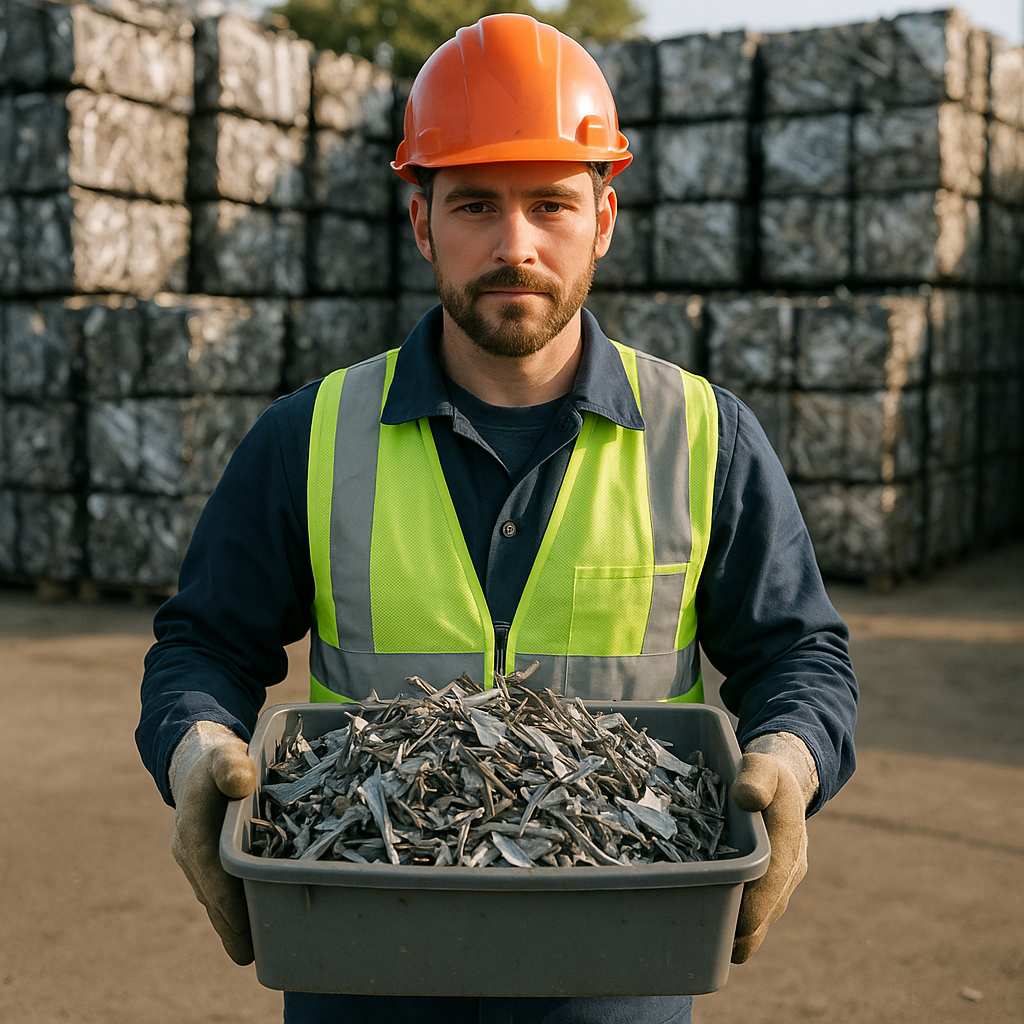
On-site recycling transforms traditional scrap management by bringing professional processing capabilities directly to your facility. Mobile recycling teams arrive with specialized equipment and expertise to handle materials where they are generated, eliminating the logistical burden of transporting scrap to distant processing centers.
Initial Assessment and Inventory Management
The process begins with a comprehensive site evaluation conducted by a recycling team. Specialists assess the types and volumes of materials at your location. This inventory management phase ensures accurate planning for equipment needs and processing timelines, which is critical for maintaining your facility’s daily workflow.
During the assessment, experts identify separation requirements for different material types. Ferrous and non-ferrous metals require different handling approaches to maintain their market value. The team also evaluates site access and safety considerations for deploying heavy mobile equipment safely within your yard or warehouse.
On-Site Scrap Metal Grading
Professional grading occurs directly at your facility to ensure accurate material valuation. Trained specialists evaluate metals based on type, grade, and contamination levels. This on-site scrap metal grading process eliminates guesswork and provides transparent pricing based on the actual quality of the materials recovered.
For commercial customers with high-value materials like copper or aluminum, precise grading maximizes financial returns. Clean separation and proper classification ensure materials meet mill specifications for optimal processing. This on-site evaluation saves significant time compared to traditional off-site assessments where loads are often downgraded due to mixed contents.
Mobile Processing and Cleanup Operations
Mobile recycling equipment processes materials directly at your location using industrial-grade machinery. Sorting technology separates ferrous metals using magnetic systems, while non-ferrous materials are categorized through advanced separation techniques. Portable shredding and baling equipment reduce material size for efficient transportation and processing.
The cleanup process runs parallel to material processing to maintain site safety and organization. Teams coordinate with your operations to minimize disruption while maintaining productivity. Container services provide organized collection points for different material categories, ensuring the area remains tidy throughout the project.
Documentation accompanies all on-site processing activities. Weight tickets and material classifications provide accurate records for accounting and compliance. Local recycling programs benefit from detailed tracking that supports corporate sustainability reporting requirements.
What Are the Key Benefits for Your Business?
On-site metal recycling revolutionizes how Dallas businesses handle their scrap materials by eliminating the hassles of coordinating multiple pickups and dealing with uncertain pricing structures.
The financial benefits are immediate. Companies can generate revenue from materials that would otherwise incur disposal costs. Non-ferrous metals like copper and aluminum fetch premium market rates, while ferrous materials provide consistent value streams that help offset operational expenses.
Direct Cost Reduction and Revenue Generation
By strategically diverting metal, businesses can cut down on rising landfill tipping fees, turning what was once an expense into profit through on-site processing. According to the Texas Commission on Environmental Quality’s Recycling Market Development Plan, recycling contributes billions to the state economy. Your business can participate in this economic activity while reducing waste management costs.
With professional on-site services, accurate pricing becomes routine. Advanced material analysis ensures that every pound receives proper valuation, maximizing returns on scrap investments. This transparency is vital for large-scale industrial projects where small variations in grade can lead to thousands of dollars in difference.
Workspace Optimization and Safety Enhancement
Job site organization improves significantly with systematic scrap removal. Construction and industrial sites maintain cleaner, more professional appearances when metal waste is kept out of active work areas. Proper material handling reduces safety hazards like sharp metal edges, heavy debris, and scattered components. Clean sites lower accident potential and improve employee productivity.
Space recovery offers immediate operational benefits. Facilities can reclaim valuable square footage previously occupied by stored scrap materials, supporting expanded operations or improved workflow efficiency. In the fast-growing Dallas market, floor space is a premium asset that should not be wasted on obsolete equipment.
Sustainability and Compliance Advantages
Environmental stewardship becomes tangible through documented recycling activities, allowing companies to demonstrate their sustainability commitments to stakeholders, customers, and regulatory agencies. Metal recycling offers significant energy conservation benefits. Processing recycled materials requires much less energy than manufacturing from raw ores, reducing carbon footprints.
Professional documentation streamlines regulatory compliance. Detailed reporting supports Environmental, Social, and Governance (ESG) requirements while ensuring proper waste classification according to Texas standards.
What Equipment and Container Services Are Available?
Dallas recyclers operate comprehensive fleets of heavy-duty vehicles tailored to diverse waste management needs across construction and industrial sites. These fleets typically include specialized trucks with hydraulic lift systems, roll-off trucks capable of handling containers up to 40 yards, and mobile recycling machinery to process materials on-site. This mobile equipment enables recyclers to bring processing capabilities directly to project locations, reducing transportation costs and improving efficiency for large-scale operations.
Standard and Specialized Roll-Off Dumpsters
Roll-off dumpster services are central to container offerings in the Dallas area. Standard container sizes include 20-yard, 30-yard, and 40-yard options. These containers meet various load capacities and project requirements, from small renovation jobs to large demolition projects needing multiple container rotations. The open-top design of roll-off containers allows for the easy loading of bulky construction debris and heavy scrap materials.
Specialized container services extend beyond standard roll-offs to include scrap boxes specifically designed for high-density metal collection. These containers feature reinforced construction to handle the weight and sharp edges of heavy steel. Delivery and pickup services operate on flexible schedules, with responses often occurring within 24 hours for urgent project needs.
Transportation and Specialty Handling Equipment
Transportation equipment includes flatbeds and lowboys for oversized or unusually shaped materials that cannot fit in standard containers. Commercial recycling operations often use end-dump trailers and van trailers for different material types and project specifications. The combination of container variety and specialized transportation equipment ensures recyclers can accommodate projects ranging from small commercial cleanouts to major infrastructure work throughout the Dallas metropolitan area.
Maximizing Recovery: Strategies for Industrial Scrap Efficiency
To truly turn a scrap pile into a profit center, Dallas businesses should adopt a “source-separation” strategy. This approach involves sorting metals at the point of generation rather than waiting until the end of a project. When metals are commingled, the value of the entire load is often reduced to that of the lowest-value material present.
Implementing a Source-Separation System
The most effective way to maximize scrap revenue is to use dedicated containers for specific metals such as aluminum, stainless steel, and copper. Using color-coded bins or clearly labeled stations near production lines helps employees correctly dispose of offcuts and shavings. This prevents cross-contamination, which is the leading cause of material downgrading at processing centers.
For example, clean copper wire—stripped of its insulation—can command nearly double the price of insulated copper. By preparing the material on-site during the decommissioning phase, a facility can significantly increase its return on investment. Mobile recycling teams can assist in this process by providing the necessary tools and training for your staff to identify and separate high-value alloys.
Using Technology for Material Tracking
Modern industrial recycling involves more than just hauling away metal; it requires data. Utilizing digital tracking systems allows facility managers to monitor the volume of scrap generated per production cycle. This data helps identify inefficiencies in the manufacturing process where material waste could be reduced. Furthermore, having a digital record of all weight tickets and grading reports simplifies the auditing process for ESG reporting and tax purposes.
Safety and Legal Compliance for Metal Recycling in Texas
Operating a recycling program in Texas requires strict adherence to state regulations. The Texas Department of Public Safety (DPS) regulates metal recycling entities (MREs) under the Texas Occupations Code. For businesses, this means that every scrap transaction must be documented with specific identifying information to prevent the trade of stolen materials.
Adhering to Texas DPS Regulations
Professional recycling partners ensure that all on-site activities comply with the “Texas Metals Program.” This includes maintaining real-time electronic records of transactions and verifying the identities of those providing the material. By working with a licensed recycler, your business is protected from the legal risks associated with improper material handling or unauthorized scrap sales. Accurate record-keeping also ensures that your business stays in compliance with local Dallas ordinances regarding the storage of industrial materials.
Workplace Safety During Mobile Processing
On-site processing involves heavy machinery, including hydraulic shears, balers, and forklifts. Maintaining a “controlled zone” around the mobile equipment is essential for protecting your employees. Professional mobile teams establish safety perimeters and provide their own trained operators, reducing the liability for the host facility. Regular safety audits and the use of Personal Protective Equipment (PPE) are mandatory components of a reputable on-site recycling operation, ensuring that your facility cleanup doesn’t lead to workplace accidents.
Conclusion: Streamlining Your Scrap Management in Dallas
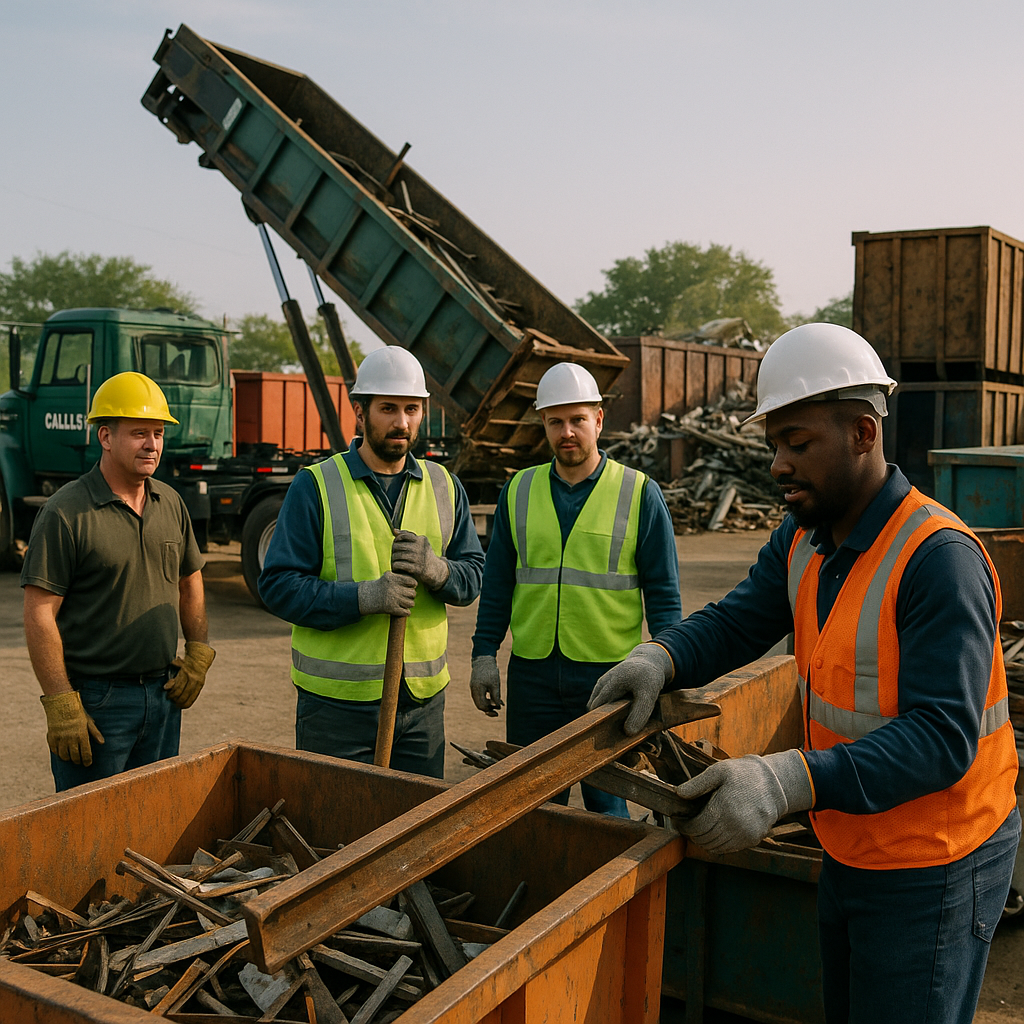
On-site recycling solutions offer Dallas businesses an efficient method for managing industrial scrap, providing significant value through revenue generation and space optimization. Services such as mobile processing, on-site grading, and flexible container options eliminate the logistical challenges of traditional scrap handling. These comprehensive recycling services in Texas enable companies to transform waste streams into profit centers while supporting sustainable practices that reduce both environmental impact and operational costs.
Partnering with an experienced recycling provider can streamline your scrap management process, ensuring maximum value recovery from industrial scrap materials. Whether your business deals with steel, aluminum, copper, or mixed metals, professional on-site processing offers transparent pricing and convenient service tailored to your needs.
Contact Okon Recycling at 214-717-4083 to learn how our on-site metal recycling solutions can optimize your scrap management and support your sustainability goals.
Send Us a Message
Questions about what we do? Interested in commercial services? Let us know below and a member of our team will get back to you.