5901 Botham Jean Blvd, Dallas, TX 75215
Manage Construction Scrap in Round Rock: Everything You Need to Know
January 20, 2026Construction projects generate significant amounts of waste materials that can overwhelm job sites if not properly managed. Round Rock’s rapid growth, with a 33 percent population increase since 2010, has intensified construction activity in both residential and commercial sectors. This boom poses notable waste management challenges for contractors and property developers throughout Central Texas.
Managing construction debris in Round Rock for projects such as home renovations, commercial developments, or demolitions involves using reliable hauling services or renting roll-off dumpsters. These services handle heavy materials like metal, concrete, wood, and drywall, maintaining clean and safe work environments. Professional waste management keeps projects on schedule and ensures compliance with Texas environmental regulations.
Effective construction debris removal requires more than just hauling. It involves strategic planning for material sorting, recycling opportunities, and proper disposal methods. The right approach can transform waste management from a costly burden into a streamlined process that supports project efficiency and sustainability goals.
What Types of Materials Are Accepted for Removal?
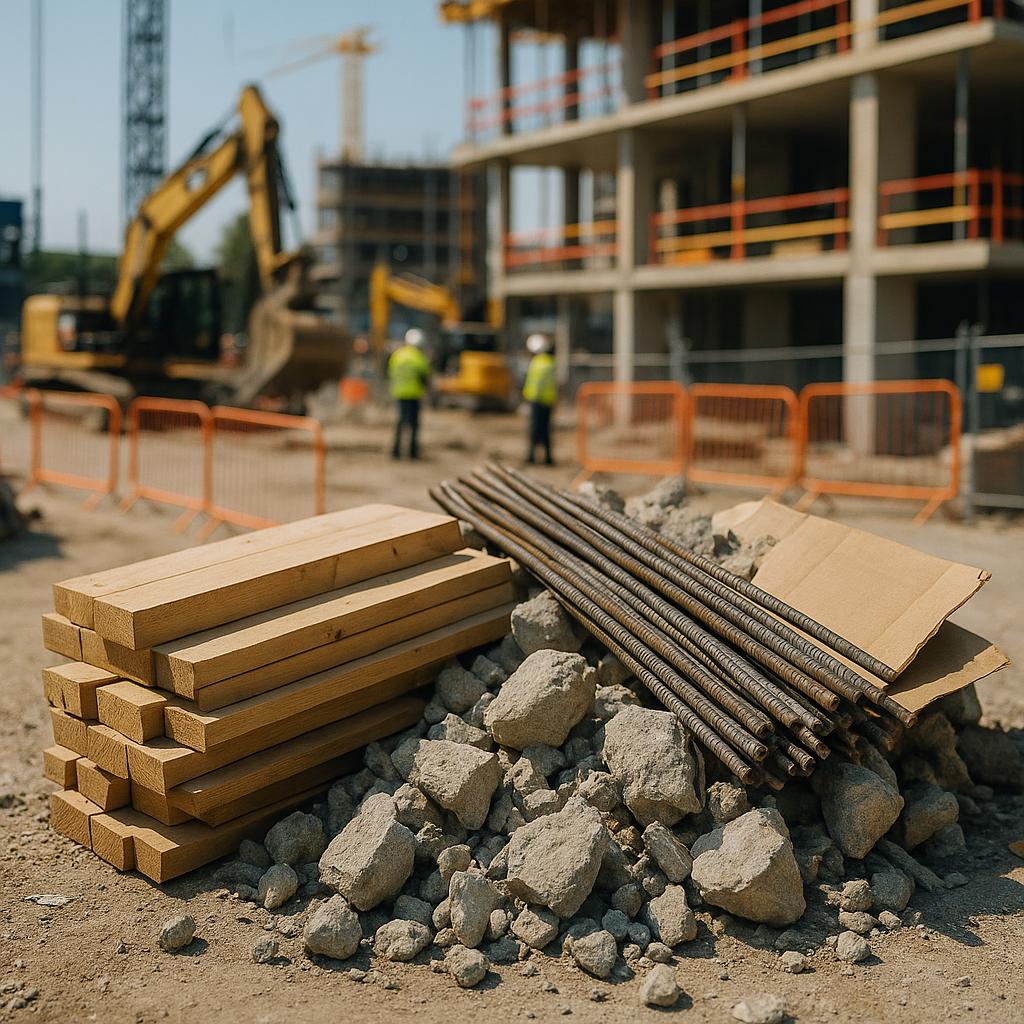
Services in the Round Rock area can haul away all types of construction and demolition waste. Materials recovery facilities accept both heavy structural components and lighter building supplies. Professional removal companies handle everything from residential renovation debris to large-scale commercial demolition projects.
Heavy Construction Materials
Concrete removal is one of the most frequent requests for demolition waste services. Broken concrete slabs, foundation pieces, and concrete blocks require specialized equipment for safe handling. Brick removal follows similar protocols due to the substantial weight involved and the need for heavy-duty transport vehicles.
Scrap metal collection includes steel beams, rebar, aluminum siding, and copper pipes. These materials have significant recycling value and often generate revenue for waste management operations. Metal sorting at specialized facilities ensures maximum material recovery rates, allowing metals to be processed for reuse in new manufacturing.
Common Building Components
Drywall disposal requires careful handling to prevent dust contamination during transport. Damaged or removed drywall sheets can be processed through specialized recycling programs when separated correctly. Wood and lumber from framing, flooring, and structural elements represent another major category of accepted waste.
Roofing materials, including asphalt shingles, metal panels, and underlayment, require proper disposal methods. Many roofing components contain recyclable materials that can be processed into new road materials or metal products. Pipes and wiring from electrical and plumbing systems also qualify for professional removal services.
Specialized Demolition Waste
Flooring materials such as tile, carpet, and hardwood can be collected during renovation projects. Insulation removal requires expertise due to potential health concerns with older materials. Packaging waste from new construction supplies, such as pallets and plastic wrap, also accumulates quickly on job sites and is accepted for hauling.
Texas providers must comply with state regulations for proper licensing and waste transport manifests. This ensures all collected materials reach appropriate disposal or recycling facilities. Professional services understand local requirements and maintain proper documentation throughout the removal process.
Are There Eco-Friendly Disposal Options for Construction Scrap?
Construction waste recycling has become a key element of responsible disposal practices. The industry now offers comprehensive programs to divert materials from landfills, focusing on recovering valuable resources while adhering to strict environmental guidelines.
Modern recycling facilities process multiple material streams from construction projects, with each type requiring specific handling procedures to maximize recovery rates. The approach varies significantly depending on material composition and contamination levels.
Metal Recycling Programs
Scrap metal recycling is one of the most established eco-friendly disposal options. Copper wiring, steel beams, and aluminum components hold high value in secondary markets. Professional facilities sort these materials using advanced techniques to ensure purity.
Construction sites generate substantial quantities of ferrous and non-ferrous metals. Pipes, electrical conduits, and structural steel are highly recyclable. The process begins with proper segregation at the source to prevent contamination from non-metallic debris.
Recycling centers use advanced sorting technology to separate mixed metal loads, ensuring maximum material recovery while maintaining quality standards. Clean separation increases the value of recovered metals and reduces processing costs for the contractor.
Concrete and Masonry Repurposing
Concrete recycling transforms broken slabs and demolished structures into valuable aggregate. Crushing equipment reduces large pieces into specific size gradations, which serve as the base for new construction projects, such as roads or parking lots.
Brick and masonry materials follow similar processing paths. Clean brick is often reused in landscaping applications, while crushed masonry provides excellent drainage material for various construction uses. This reduces the need for virgin mining of stone and gravel.
Environmental Compliance Standards
Responsible disposal operations must navigate complex environmental regulations. Facilities maintain permits for air quality, water discharge, and waste handling activities. Regular monitoring ensures compliance with federal and state requirements, protecting the Central Texas ecosystem.
Documentation is crucial in demonstrating environmental stewardship. Chain of custody records track materials from collection through final disposition, building trust with clients and regulatory agencies. This is particularly important for projects seeking LEED certification or other green building credits.
Advanced Techniques in Job Site Material Separation
To maximize the efficiency of construction debris removal, many Round Rock contractors are moving toward on-site source separation. This involves designating specific areas or containers for different types of waste as they are generated, rather than throwing everything into a single “commingled” bin.
Optimizing the Sorting Workflow
By placing dedicated bins for scrap metal, clean wood, and concrete near the point of generation, teams can reduce the time spent on back-end sorting. This not only lowers the tipping fees at the recycling center but also ensures that high-value materials, such as copper and aluminum, are not contaminated by drywall dust or organic waste. Effective sorting starts with clear signage and employee training, turning waste management into a routine part of the construction cycle.
The Role of Mobile Processing
On larger demolition sites in Round Rock, mobile processing units—such as portable concrete crushers or wood chippers—can be deployed. This allows materials to be repurposed immediately on-site as backfill or landscaping mulch, eliminating the need for transportation entirely. When on-site processing is not possible, using a professional hauling partner with a “recycling-first” policy ensures that the maximum percentage of your debris avoids the landfill.
Legal and Safety Obligations for Debris Management
Construction debris removal in Texas is governed by strict safety and environmental laws. Contractors must be aware of their liabilities from the moment waste is generated until its final disposal, a concept known as “cradle-to-grave” responsibility.
Navigating TCEQ and OSHA Requirements
The Texas Commission on Environmental Quality (TCEQ) requires that construction and demolition waste be transported to authorized sites. Failure to use a licensed hauler can result in significant fines for the property owner or contractor. Furthermore, the Occupational Safety and Health Administration (OSHA) mandates that job sites remain clear of “combustible scrap and debris” to prevent fire hazards and tripping accidents. Professional removal services help mitigate these risks by providing timely pickups that keep the site compliant with both environmental and safety standards.
Documentation for Compliance and LEED Credits
For many modern developments, documenting the volume of recycled material is a requirement for project completion. Professional waste management services provide weight tickets and diversion reports that prove what percentage of the waste was recycled versus landfilled. This documentation is essential for projects aiming for Leadership in Energy and Environmental Design (LEED) certification, which provides tax incentives and increases property value in the competitive Round Rock real estate market.
Who Can Benefit from These Construction Waste Services?
Homeowners and DIY Remodelers
Residential property owners undertaking renovation projects generate substantial amounts of construction debris. Kitchen remodels, bathroom updates, and flooring replacements create waste streams that exceed typical household garbage capacity. Debris removal services provide the necessary volume for removal while maintaining project timelines.
DIY remodelers particularly benefit from flexible rental periods. These projects often extend beyond initial estimates due to unforeseen complications. Professional services provide the logistical support needed to keep residential streets clear of debris piles, maintaining neighborhood aesthetics and safety.
General Contractors and Construction Companies
Professional contractors manage multiple waste streams across various project phases. Foundation work generates concrete and excavation debris, framing produces wood scraps, and finishing work creates drywall and fixture waste. Coordinated debris removal keeps job sites organized and maintains daily productivity for the crew.
Construction companies benefit from recurring pickup schedules for active job sites. Regular debris hauling prevents accumulation that could create safety hazards or impede work progress. Many waste management providers offer customized pickup frequencies based on the specific intensity of the construction phase.
Roofing and Demolition Crews
Roofing projects create concentrated volumes of heavy debris in short timeframes. Shingle removal generates several tons of material that requires immediate disposal. Similarly, demolition operations produce the highest volumes of waste in the shortest timeframes, requiring large-capacity containers with rapid exchange capabilities.
Conclusion: Choosing the Right Scrap Removal Solution

Effectively managing construction scrap in Round Rock depends on the scale of the project. Hauling services are ideal for smaller renovations where convenience is key, while roll-off dumpster rentals offer cost-effective solutions for major demolitions and extended projects. Both options support responsible disposal, particularly when providers are committed to construction waste management and scrap metal recycling.
Prioritizing eco-friendly options that recycle materials like metal and concrete ensures clean, safe, and efficient job sites throughout Central Texas. For comprehensive recycling solutions that meet your construction waste management needs, contact Okon Recycling at 214-717-4083.
Send Us a Message
Questions about what we do? Interested in commercial services? Let us know below and a member of our team will get back to you.