5901 Botham Jean Blvd, Dallas, TX 75215
Plant Metal Recycling in Richardson: A Beginner’s Guide
January 20, 2026Disposing of large amounts of scrap metal is a consistent challenge for Richardson businesses and residents. Outdated equipment, appliances, and industrial materials can accumulate quickly, making efficient disposal methods essential for maintaining clean operations and ensuring environmental compliance. In a rapidly growing hub like Richardson, Texas, the volume of metal waste from office renovations, tech manufacturing, and residential upgrades requires a proactive management strategy.
Richardson provides several recycling solutions to address these disposal needs. Professional scrap metal buyers offer competitive prices for ferrous and non-ferrous metal materials sourced from industrial operations. Commercial appliance removal services manage large-scale equipment disposal with specialized transportation and processing capabilities, ensuring that bulky items do not become a logistical bottleneck for local firms.
These recycling options cater to different market segments in North Texas. Residential scrap metal collection focuses on household items and smaller quantities, while industrial scrap processing targets manufacturing facilities and construction sites that require bulk material handling. Each service type offers specific advantages based on material volume, metal composition, and operational needs, allowing Richardson organizations to align their waste management with their sustainability goals.
What Types of Scrap Metal Can You Recycle?
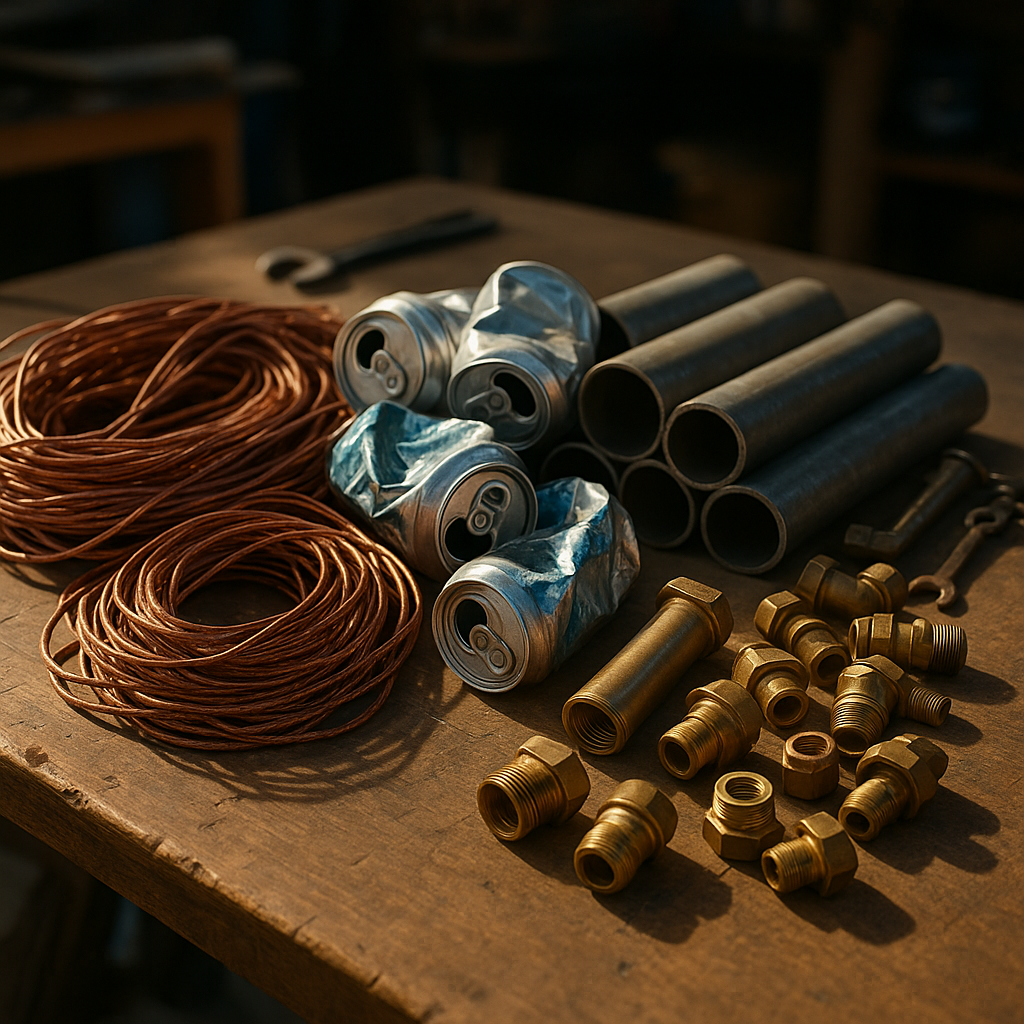
Metal recycling services accept a wide range of ferrous and non-ferrous metals, along with items containing metal from residential, commercial, and industrial sources. Understanding these categories helps maximize recovery rates and ensures proper sorting protocols are followed at the job site.
Ferrous metals
Ferrous metals contain iron and are magnetic, making them easily identifiable during the sorting process. Steel is the most commonly recycled ferrous metal in Richardson, found in construction materials, automotive parts, and heavy appliances. Cast iron, another ferrous material, is frequently recovered from older plumbing fixtures, cookware, and industrial machinery parts.
Carbon steel and alloy steel variations are prevalent in manufacturing equipment and structural applications. These materials are highly valued because they maintain their structural integrity through multiple recycling cycles. In the United States, steel recycling volumes reached 4.5 million metric tons in recent years, highlighting the massive scale of ferrous metal recovery operations that support the domestic construction industry.
Non-ferrous metals
Non-ferrous metals lack iron content and do not respond to magnetic attraction, often requiring specialized sorting equipment like eddy current separators. Aluminum is a major non-ferrous recycling contributor in Richardson, commonly found in window frames, automotive components, and siding. Copper is exceptionally valued for its electrical conductivity and is a primary focus for contractors during building teardowns.
Brass, a copper and zinc alloy, is found in plumbing fixtures, door hardware, and industrial valves. Lead can be recovered from batteries and certain types of radiation shielding. Stainless steel, although it contains iron, is often categorized with non-ferrous metals in a recycling context because it is frequently non-magnetic and commands a higher price point due to its nickel and chromium content.
Appliance recycling
Large appliances offer a wealth of recoverable metals in both ferrous and non-ferrous categories. Refrigerators and freezers have steel shells, aluminum components, and copper tubing from refrigeration systems. Washers and dryers provide significant steel content, as well as copper wiring and aluminum parts in the motor assemblies.
Dishwashers contain valuable stainless steel components and copper elements in their electronic controls. Air conditioning units—prevalent in the Texas heat—offer aluminum condensers, copper refrigerant lines, and steel housing. Professional handling is required to extract refrigerants and separate these different metal types effectively before they reach the furnace.
Automotive and electronic components
Vehicle parts are a primary source of recyclable metals in the Richardson area. Wheels and rims typically contain aluminum alloys, while engine blocks provide cast iron or aluminum. Radiators are a consistent source of aluminum and copper materials for the secondary market.
Scrap electronics, or e-waste, contain precious and base metals within circuit boards and wiring. Computer wires offer high-grade copper content, while electronic housings provide steel and aluminum. Battery recycling focuses on lead-acid automotive batteries, which currently exceed recycling rates of 99 percent in the United States.
What Are the Service Models for Metal Recycling in Richardson?
Richardson offers two distinct service models for metal recycling, each serving different operational needs. Scrap metal removal focuses on convenience and site clearing, while scrap metal buying services provide financial returns for high-value industrial materials.
Convenience-based removal services
Scrap metal removal services prioritize speed and the clearing of workspace. These providers offer pickup and hauling for residential and commercial customers who may not have the equipment to transport heavy items themselves. This service is ideal for property cleanouts, office move-outs, or renovation projects where the immediate removal of debris is more important than the financial payout. Having a professional team handle the heavy lifting ensures that the site remains safe and that the metal is diverted from the local landfill.
Industrial scrap buying and asset recovery
Scrap metal buyer services focus on purchasing valuable materials at competitive market prices. This model is best for significant quantities of higher-value metals like copper, aluminum, or stainless steel. Industrial scrap metals command better prices due to their volume and purity, making this approach financially beneficial for Richardson manufacturing firms and contractors who generate a regular stream of metal waste.
The choice between removal and selling depends on material value and quantity. Industrial operations typically benefit from established buyer relationships that include on-site container services, while residential customers may prefer the simplicity of a one-time removal for an old appliance or a pile of fencing. Commercial managers often use a hybrid approach, selling high-value production scrap while utilizing removal services for general facility maintenance waste.
Optimizing the Value of Industrial Metal Scrap
For Richardson businesses, treating scrap metal as an asset rather than waste is the key to maximizing revenue. Implementing a “source-separation” strategy at the facility level can significantly increase the payout per pound and streamline the recycling process.
Source separation and grading
When different types of metal are mixed in a single bin, the entire load is often graded at the price of the least valuable material. For example, if high-value copper wiring is mixed with heavy steel scrap, the recycler may pay the “iron” rate for the entire container. By providing separate, clearly labeled bins for specific metals—such as “Clean Aluminum,” “Stainless Steel,” and “Bare Bright Copper”—businesses can ensure they receive the maximum market value for each material type.
Processing and de-manufacturing on-site
The “cleanliness” of the scrap also dictates its price. Metal that is free of plastic, wood, or rubber attachments is considered “prepared” and fetches a premium. While recycling centers can process “unprepared” scrap, Richardson businesses that have the labor to perform basic de-manufacturing—such as removing brass fittings from copper pipes or stripping insulation from large gauge wire—will see a higher return on their recycling efforts. Professional buyers can provide guidance on which processing steps are most cost-effective for your specific waste stream.
Safety and Compliance in Commercial Metal Disposal
Handling and transporting large volumes of metal involves physical risks and regulatory obligations. Richardson businesses must adhere to state and local guidelines to ensure their recycling program is both safe and legally compliant.
Texas “Cash for Scrap” laws and documentation
To deter the trade of stolen materials, Texas has strict regulations regarding the purchase of certain metals, such as copper and regulated alloys. Scrap buyers must document the identity of the seller and, in many cases, issue payment via check or a non-transferable card rather than cash. Richardson businesses should ensure their recycling partner is fully licensed and maintains digital records of every transaction. This documentation is also vital for corporate audits and proving that the organization is meeting its environmental social and governance (ESG) reporting requirements.
Physical safety on the job site
Scrap metal can be heavy, sharp, and awkward to move. Improper loading of containers can lead to workplace injuries or accidents during transport. It is essential to use the correct material handling equipment, such as forklifts or specialized bins, to move scrap within a facility. When utilizing on-site container services, Richardson managers should ensure the bins are placed on a level, accessible surface that allows for safe loading without obstructing emergency exits or fire lanes.
Why Is Recycling Scrap Metal Environmentally Important?
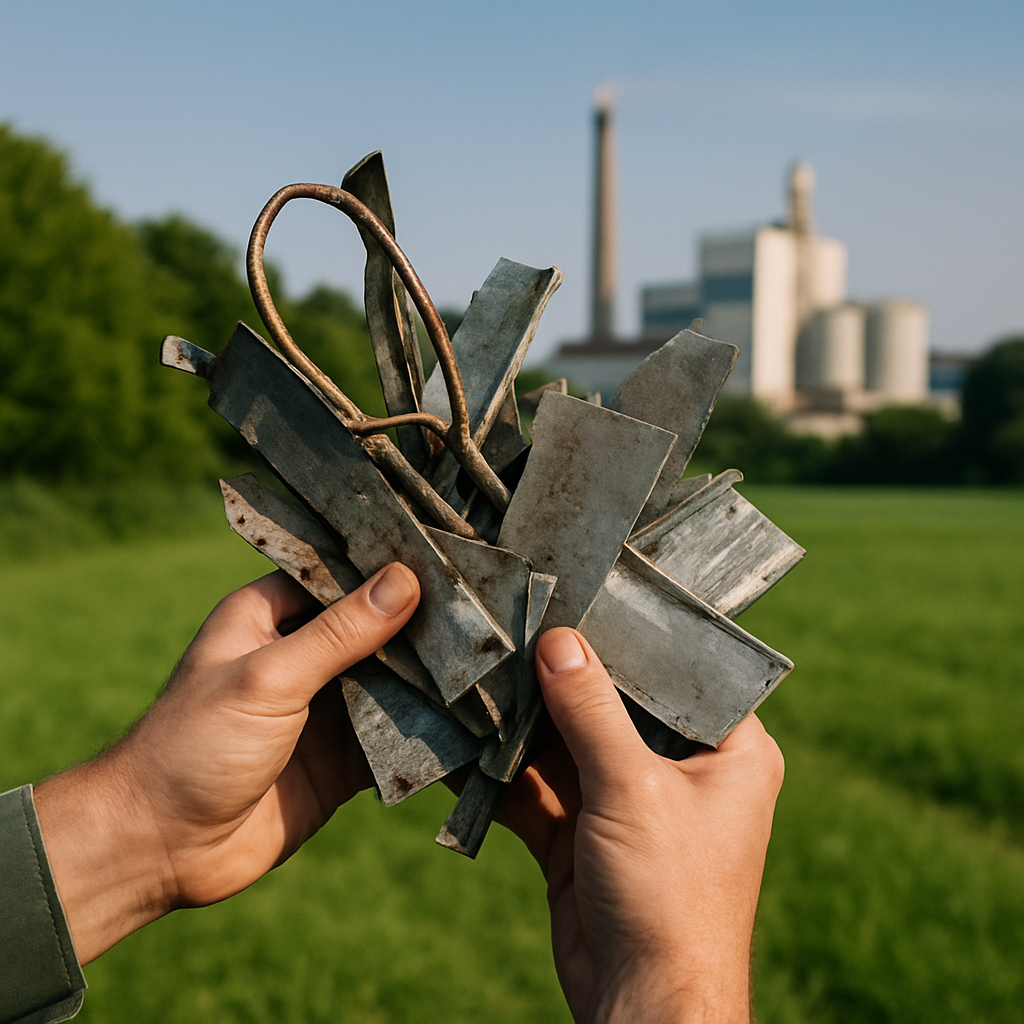
Metal recycling is one of the most impactful environmental practices for waste management professionals today. This process significantly reduces the strain on natural ecosystems by eliminating the need for extensive mining operations that extract raw ores from the earth.
Traditional metal production requires vast amounts of virgin materials. Iron ore, coal, and limestone must be extracted through energy-intensive mining that damages landscapes and depletes finite resources. By recycling existing metals in Richardson, we preserve these valuable raw ores for future generations while protecting fragile ecosystems from industrial disruption.
Energy savings from metal recycling provide substantial environmental benefits. Recycling aluminum uses 95 percent less energy compared to producing new aluminum from raw materials, while steel recycling saves up to 60 percent in energy consumption. These significant reductions directly result in lower greenhouse gas emissions and reduced pressure on regional power generation systems.
The climate impact of choosing recycled metals over virgin production is noteworthy. Recycling one ton of steel prevents the release of up to 2,000 pounds of carbon dioxide into the atmosphere. For aluminum, the benefits are even more remarkable, with recycling one ton preventing up to nine tons of carbon emissions. This makes metal recycling a cornerstone of the global effort to combat climate change.
Landfills in North Texas face increasing pressure from metal waste that can take centuries to decompose. Unlike organic materials, metals remain unchanged for hundreds of years, consuming valuable space and potentially leaching harmful substances into the soil. Systematic recycling programs help divert this persistent waste from overburdened disposal sites, ensuring that Richardson’s land remains productive and uncontaminated.
The infinitely recyclable nature of metals makes them ideal for the circular economy. Steel maintains its structural integrity through countless recycling cycles, earning its distinction as the most recycled material on the planet. Copper and aluminum similarly retain their essential properties regardless of how many times they are repurposed, creating a sustainable loop of material use.
Conclusion: Choosing Your Richardson Metal Recycling Solution
Whether you are clearing out unwanted appliances from a residential property or disposing of high-volume industrial scrap from a manufacturing facility, Richardson offers flexible metal recycling solutions. For a variety of mixed items, a professional removal service may be the most efficient path to a clean site. For businesses with valuable production scrap, an industrial metal buyer provides the financial return and logistics support needed to optimize the waste stream.
Residents and businesses in Richardson have access to reliable recycling options that cater to various needs while protecting the local environment. For comprehensive scrap metal recycling services tailored to your specific requirements, contact Okon Recycling at 214-717-4083 to learn how we can help you turn your scrap into a resource.
Send Us a Message
Questions about what we do? Interested in commercial services? Let us know below and a member of our team will get back to you.