5901 Botham Jean Blvd, Dallas, TX 75215
What Makes Copper So Valuable in the Global Market?
January 6, 2026Often called “red gold,” copper is one of the most valuable and sought-after metals in recycling and commodities markets worldwide. This nickname reflects more than just its distinctive color. Copper’s extraordinary value stems from its essential role as the backbone of modern civilization, powering everything from electrical grids to renewable energy systems.
As the third most widely used metal globally, copper’s value is complex and fluctuates as a dynamic financial instrument. Its worth responds to industrial demand surges, global supply constraints and its critical function as a traded commodity on major exchanges like the London Metal Exchange. The copper market operates as both an industrial commodity and an economic indicator, with prices shifting alongside market volatility and geopolitical tensions.
From electrical wiring in data centers to components in electric vehicles, copper’s price serves as a barometer of global economic health. When copper prices rise, it often signals strong industrial activity and economic growth. Conversely, price drops can indicate potential economic slowdowns. This relationship has earned copper another nickname: “Doctor Copper,” for its ability to gauge the health of the world economy through its price movements.
How Does Grade and Purity Impact the Value of Scrap Copper?
Copper grade and purity are key determinants of scrap metal value in the recycling market. The classification system creates clear hierarchies, directly affecting pricing. Higher purity levels are more valuable because they require less processing to restore to industrial use. Professional recycling facilities use these standard grades to ensure fair and transparent transactions.
Bare Bright Copper
Bare Bright Copper is the highest standard of scrap copper materials. This grade consists of 99 percent pure copper wire that is uncoated and unalloyed. The material must be completely free of insulation, oxidation and foreign substances. Recycling facilities highly value this grade because it can be remelted with minimal processing. Current market rates for Bare Bright Copper typically reflect the highest end of the commodity scale.
Number 1 Copper (#1 Copper)
Number 1 Copper is next in the value hierarchy. This classification includes clean copper tubing, wire and bus bars without paint, solder or coating contamination. The material maintains high purity levels while allowing for slight surface oxidation. Processing facilities readily accept #1 Copper because it requires minimal cleaning before reprocessing.
Number 2 Copper (#2 Copper)
Number 2 Copper contains various contaminants that reduce its processing efficiency. Solder joints, paint residues and corrosion lower the material’s immediate value for recycling operations. These contaminants require additional processing steps before the copper can be used in manufacturing. The presence of foreign materials typically reduces the per-pound payout compared to #1 grades.
| Copper Grade | Purity Level | Physical Characteristics | Relative Value |
|---|---|---|---|
| Bare Bright | 99%+ | Shiny, uncoated wire; no tarnish | Highest (Premium) |
| #1 Copper | 96-99% | Clean pipe/tubing; no solder or paint | High (Standard) |
| #2 Copper | 94-96% | Tarnished pipe; solder joints present | Moderate |
| Insulated Wire | Varies | Copper wire with plastic/rubber coating | Varies by recovery % |
Insulated Copper Wire and Alloys
Insulated copper wire presents unique valuation challenges. The copper content percentage determines its overall value. Thick industrial cables with minimal insulation retain more value than household wiring with heavy plastic coating. Processing insulated wire requires specialized equipment to separate copper from non-metallic components. Copper alloys, including brass and bronze, command lower prices due to diluted copper content; however, they remain a significant revenue source for industrial facilities.
The Role of Industrial Technology in Copper Recovery
To maximize the efficiency of the circular economy, professional recycling facilities utilize advanced technology to process copper scrap. These industrial processes ensure that even low-grade materials are transformed into high-purity commodities suitable for the global market.
Automated Wire Granulation
For large volumes of insulated copper wire, manual stripping is impractical. Industrial granulation systems use a series of shredders and magnetic separators to reduce the wire to small “chops.” Through air-density separation, the heavy copper granules are separated from the lighter plastic “fluff.” This process allows for the recovery of nearly 100 percent of the copper content in a cost-effective manner, providing a high-volume solution for demolition contractors and utility companies.
XRF Analysis for Alloy Identification
When dealing with industrial machinery or aerospace components, it is not always easy to tell pure copper apart from high-performance alloys. Handheld X-Ray Fluorescence (XRF) analyzers allow recycling technicians to instantly determine the chemical composition of a metal. This ensures that high-purity copper is not “down-graded” into a cheaper alloy category, protecting the revenue of the scrap generator.
Optical Sorting and Purity Control
Advanced facilities now employ optical sorting technology that can identify and separate copper from other non-ferrous metals like aluminum or stainless steel in real-time. By utilizing high-speed cameras and air jets, these systems achieve purity levels that manual sorting simply cannot match. This high-purity output is essential for supplying the “Green Copper” market, which is in high demand for the manufacturing of electric vehicle motors and solar inverters.
Why Is Recycled Copper an Important Part of Its Value?
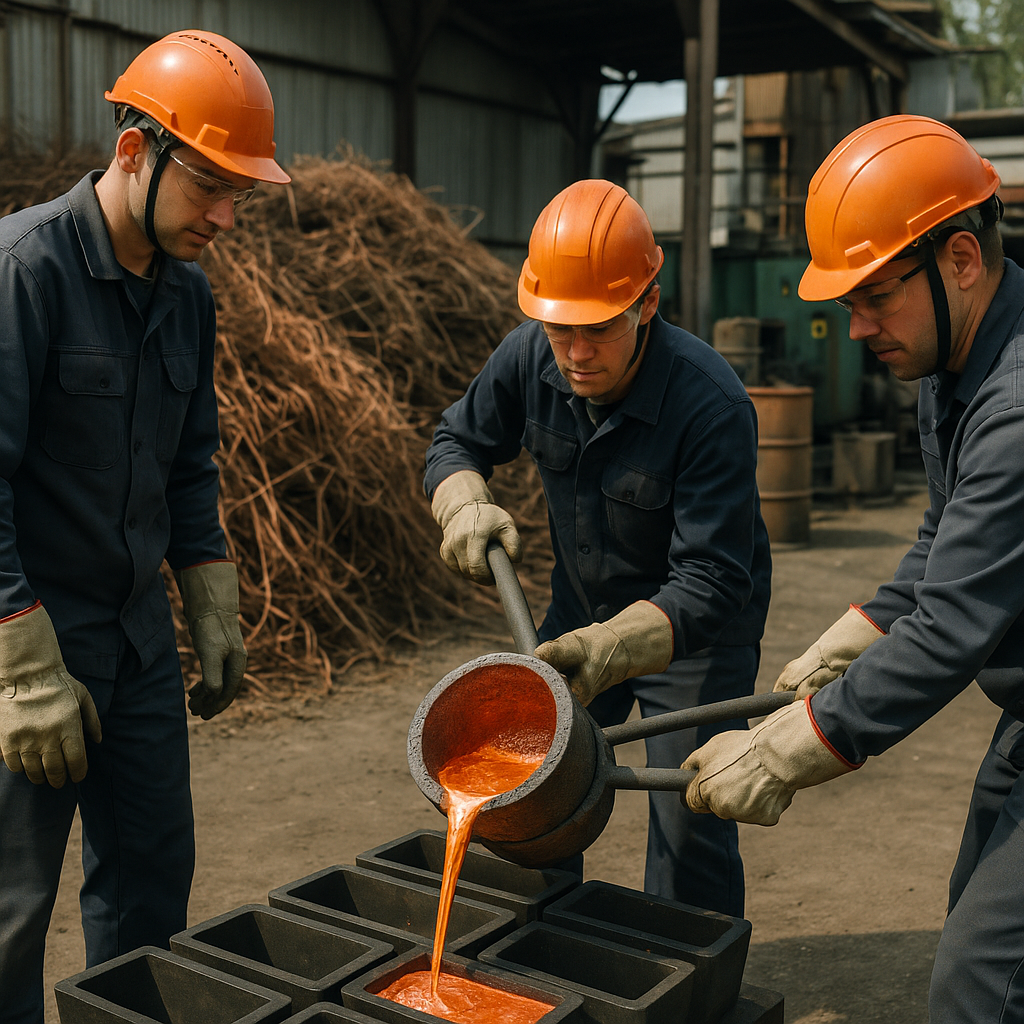
Recycled copper offers exceptional energy efficiency compared to primary production. Processing recycled copper uses up to 85 percent less energy than extracting copper from raw ore. This significant reduction translates to cost savings for manufacturers and immense environmental benefits for communities worldwide.
The recyclability of copper distinguishes it in the metals market. Unlike many materials that degrade during processing, copper retains its properties regardless of how many times it is recycled. Consequently, recycled copper performs identically to newly mined copper in terms of electrical conductivity, corrosion resistance and mechanical strength.
An estimated 75 percent of all copper ever mined remains in use today, forming society’s “urban mine.” This vast stock of recoverable copper represents about 33 years of current mine production. Accessing this existing supply helps stabilize copper markets and reduces reliance on volatile mining operations facing declining ore grades and extended development timelines.
Copper’s Role in the Energy Transition
Recycled copper is crucial in addressing growing global demand driven by clean energy technologies and electrification initiatives. Projections indicate a potential copper shortfall of 6.4 million tons by 2031, making recycled materials increasingly valuable. Wind turbines, solar installations and electric vehicles require significantly more copper than their fossil-fuel counterparts. Recycling helps bridge the gap between rising demand and limited mining capacity.
The environmental benefits of copper recycling go beyond energy savings to include significant reductions in carbon emissions. Mining involves extensive transportation, processing and refining that generate greenhouse gas emissions. Recycling avoids these energy-intensive steps while keeping valuable materials out of landfills where they offer no economic or environmental benefit.
Understanding Copper Market Indicators for Industrial Sellers
For industrial facilities generating consistent copper scrap, understanding why the price moves is essential for strategic planning. Because copper is a global commodity, its price is influenced by macroeconomic trends that can be monitored to optimize selling windows.
The Impact of China and Emerging Markets
As the world’s largest consumer of copper, China’s industrial output directly dictates global price levels. When Chinese infrastructure projects increase, the demand for copper rises, often driving up scrap prices in the United States. Industrial managers should monitor global manufacturing indices (PMIs) as an early warning for potential price shifts.
The “Doctor Copper” Indicator
Historically, copper prices have been so closely tied to industrial growth that economists use the metal to predict the health of the global economy. A “bullish” copper market typically precedes a period of economic expansion. Conversely, if copper prices begin to slide, it often suggests a cooling of the construction and manufacturing sectors. Facilities can use this data to decide whether to sell their accumulated scrap immediately or hold inventory for a stronger market.
Supply Disruptions and Geopolitics
Copper mining is concentrated in specific regions, such as Chile and Peru. Political instability, labor strikes or environmental regulations in these countries can cause immediate supply shocks. When primary production slows down, the importance of recycled copper increases, often leading to a smaller “spread” between the price of newly mined ore and the price paid for high-quality scrap.
What Are the Best Ways to Maximize Profits From Scrap Copper?
Sort Copper by Grade for Premium Pricing
Proper sorting significantly impacts the return from copper scrap. Scrap yards offer vastly different rates based on copper grade, with the highest quality fetching premium prices. Bare Bright copper is the most valuable grade, achieving 99 percent purity. #1 copper ranks as the second-highest grade, while #2 copper contains tarnished or weathered pieces with minor contaminants. According to industry data, proper grading can increase returns by 10 to 30 percent compared to mixed loads.
Clean and Prepare Materials for Higher Values
Removing contaminants greatly influences copper scrap value. Clean copper commands significantly higher prices than contaminated materials. Wire brushes and sandpaper efficiently remove surface paint and oxidation, potentially upgrading #2 copper to #1 grade. For copper pipes, detaching any attached valves or non-copper fittings before transport is crucial. Mixed metals reduce the overall value and may lead to a lower classification.
Strip Insulated Wire for Maximum Returns
Stripping insulated wire is one of the most effective ways to increase scrap value. Removing insulation can raise wire value by 30 to 50 percent compared to unstripped materials. Wire strippers are efficient for smaller gauges, while larger industrial facilities may find that investing in mechanical stripping equipment pays off quickly through increased returns. Always avoid burning wire insulation, as this practice is environmentally hazardous and damages the copper quality.
Monitor Market Timing for Optimal Sales
Copper futures provide valuable insights for timing scrap sales. Monitoring these markets helps identify peak pricing periods. Global economic conditions significantly impact copper prices, with spring often bringing higher prices as construction activity increases. Tracking local pricing helps identify the best facilities for specific grades. Establishing relationships with a professional recycling partner allows for more predictable revenue and better long-term logistics planning.
Conclusion: Copper’s Enduring and Multifaceted Value
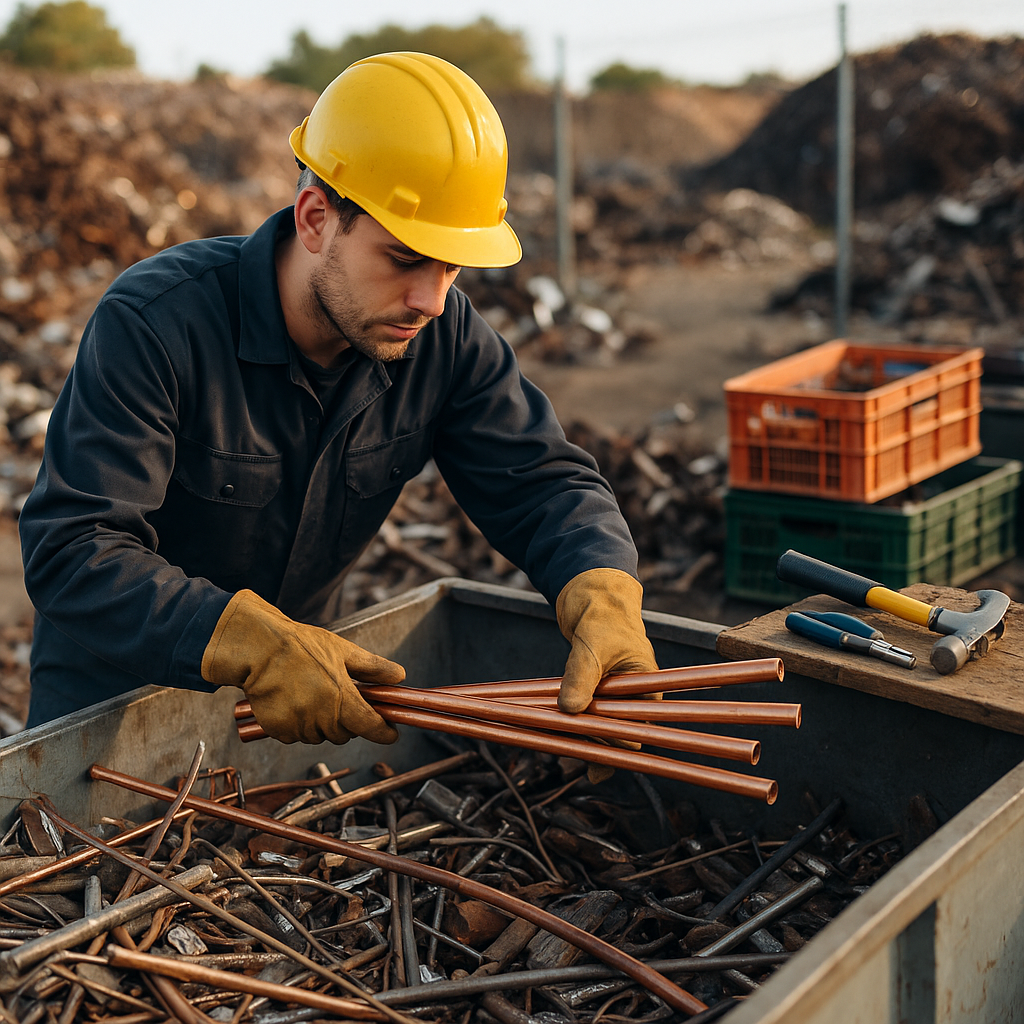
The significance of copper extends beyond its market price. This essential metal is vital to modern infrastructure, drives the global energy transition and offers excellent sustainability benefits through recycling. From electrical systems needing superior conductivity to renewable energy installations requiring increased copper content, industrial demand consistently grows while supply constraints intensify.
The recycling sector plays a key role in meeting this demand, with recycled copper requiring 85 percent less energy than primary production and reducing greenhouse gas emissions by up to 65 percent. Whether managing industrial copper waste, planning facility upgrades or developing sustainability strategies, understanding copper’s multifaceted value is crucial for informed decision-making.
For professional copper recycling services that maximize value recovery and sustainability impact, contact Okon Recycling at 214-717-4083.
Send Us a Message
Questions about what we do? Interested in commercial services? Let us know below and a member of our team will get back to you.