5901 Botham Jean Blvd, Dallas, TX 75215

What Are Scrap Lifting Magnets and Where Can You Sell Them?
January 6, 2026Every day, millions of tons of ferrous materials are processed at recycling facilities worldwide. The backbone of these operations relies on powerful scrap lifting magnets that handle everything from delicate steel plates to massive scrap iron chunks. These electromagnetic workhorses are crucial for ensuring recycling operations run smoothly, avoiding costly delays and preventing workplace injuries.
Scrap lifting magnets, also known as magnetic lifters or electromagnets, are essential in industries like recycling, metalworking and construction for safely and efficiently moving ferrous materials. These powerful industrial magnets come in various configurations, including circular lifting magnets, rectangular designs and specialized models built for high-volume scrap handling. They are commonly used in scrap yards, foundries, slag reclamation facilities and steel warehouses to enhance productivity during metal processing.
What Types of Scrap Handling Electromagnets Are in Demand?
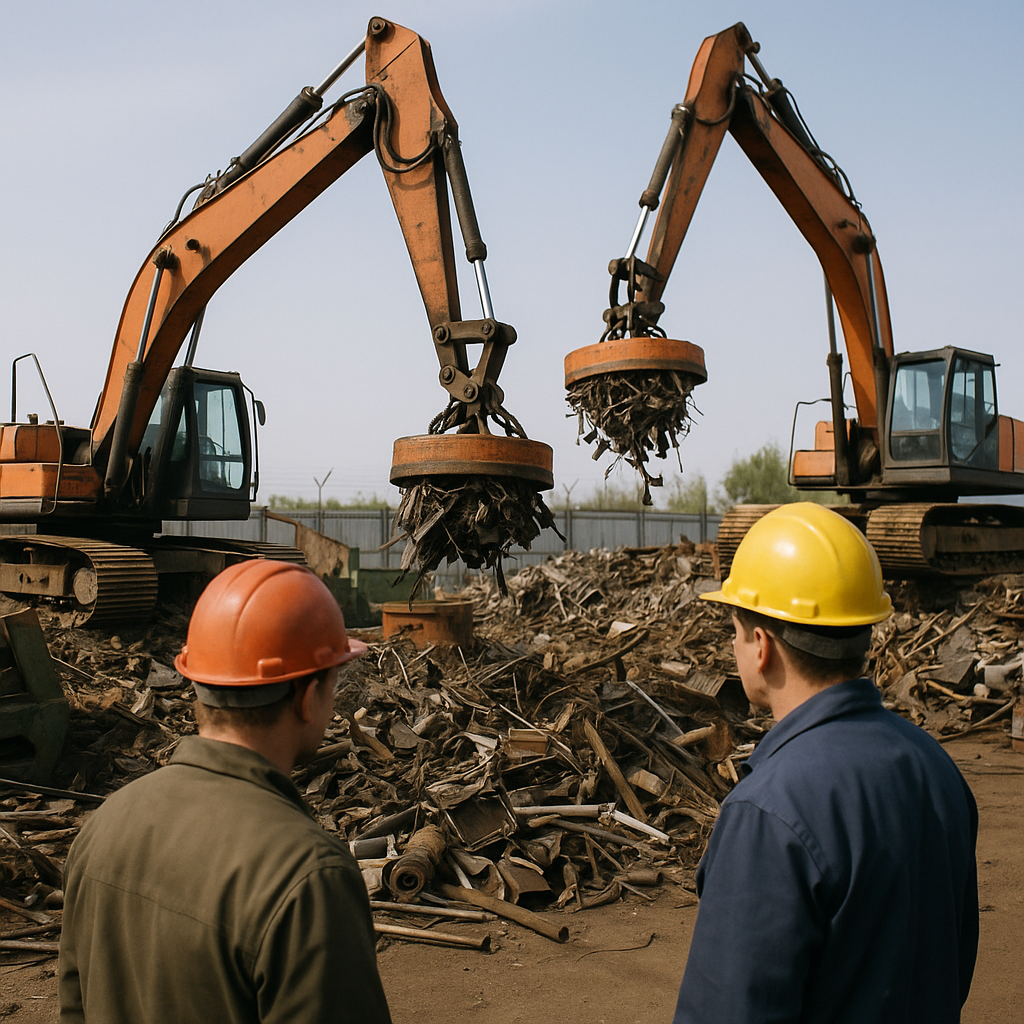
The scrap handling market requires a range of electromagnetic solutions to meet diverse operational needs across recycling facilities, demolition sites and steel processing plants. These magnets have evolved to tackle specific challenges in heavy scrap metal processing, rail car cleaning and mobile applications where traditional power sources may be limited.
Standard Circular and Rectangular Electromagnets
Circular electromagnets are the most common type for general scrap handling. They feature deep field designs with aluminum or copper coil windings that provide strong magnetic fields for lifting mixed ferrous materials. The circular shape offers balanced lifting power across the entire magnetic surface, making it ideal for bulk scrap piles.
Rectangular scrap magnets excel in confined spaces or specific loading scenarios where round magnets are less effective. These units feature multiple bumper perimeter plates and durable manganese steel bottom plates for enhanced longevity. The rectangular design optimizes scrap charging capabilities, making them ideal for rail car cleaning and loading operations involving sheet steel and structural beams.
Mobile and Battery-Powered Systems
Battery-powered electromagnets operating on 12-volt or 24-volt systems are increasingly popular for demolition. These portable units eliminate the need for separate generators, allowing for immediate deployment. The self-contained design enables operators to work in remote locations without traditional power infrastructure, significantly reducing operational complexity compared to generator-powered alternatives.
Electropermanent and Hydraulic Technology
Electropermanent magnets combine the controllability of electromagnets with the energy efficiency of permanent magnets. These systems use a brief electrical pulse to activate the unit, maintaining holding power without continuous electricity. This technology is particularly valuable in applications requiring extended holding periods, as it mitigates the risk of dropped loads during a power failure.
Hydraulic scrap magnets offer an innovative solution for excavator-mounted applications. These systems connect directly to the excavator’s hydraulic circuit, removing the need for an external electrical generator. A single hydraulic magnet can be quickly transferred between various machines, maximizing equipment utilization across different job sites.
What Key Specifications Should Sellers and Buyers Emphasize?
Power requirements form the foundation of any industrial magnet assessment. Most scrap magnets operate on 230 volts DC, but some lighter models function on lower voltages for smaller applications. Clearly stating voltage requirements and current draw (amperage) is vital for ensuring compatibility with existing power rectifiers and generators.
Duty cycle specifications directly impact operational efficiency. Standard industrial magnets typically offer a 75% duty cycle, indicating they can operate for 75 percent of a given time period without overheating. For continuous operations, specialized models with a 100 percent duty cycle are available to prevent performance drops during long shifts.
Coil Material and Construction
The coil winding material significantly affects performance and pricing. Aluminum-wound coils are lighter and more cost-effective for many scrap handling tasks. Copper-wound coils provide superior conductivity and heat dissipation but come at a higher price point. Understanding the capacity-to-weight ratio is essential for crane capacity planning and ensuring safe lifting limits are never exceeded.
Lifting capacity varies dramatically based on material type. For instance, pig iron capacities often exceed heavy melt steel ratings because the flat surfaces of pig iron allow for better magnetic contact. Steel turnings typically show lower lifting numbers due to the “air gaps” between irregular shapes, which reduce the effective magnetic pull. Providing data for multiple scrap types helps facility managers match the right magnet to their specific material stream.
Industrial Maintenance: Extending the Lifespan of Scrap Magnets
To ensure the long-term performance and safety of scrap electromagnets, routine maintenance is essential. These high-demand tools operate in rugged environments, often exposed to vibration, extreme temperatures, moisture and abrasive metal debris. Proactive upkeep minimizes downtime and extends the equipment’s service life.
Daily and Weekly Inspection Checklist
Operators should conduct visual inspections before each shift. This includes checking for wear on power cables, inspecting the surface for cracks or deformation and ensuring that lifting chains and shackles are secure. Any signs of overheating, corrosion or fluid ingress in terminal boxes should prompt immediate servicing. Key areas to monitor include:
- The Bottom Plate: Inspect daily for cracks or dents in the manganese steel plate, which protects the internal coils from physical impact.
- Electrical Leads: Check for frayed wires or loose connections that could cause intermittent power loss or hazardous electrical arcing.
- Terminal Box Sealing: Ensure gaskets are intact to prevent moisture from entering the coil housing, which can cause internal shorts.
Environmental Protection and Storage
Moisture is a primary enemy of industrial magnets. Water can corrode internal components and degrade insulation, leading to catastrophic failure. When not in use, magnets should be stored in a dry, elevated location to prevent moisture condensation. High heat is equally detrimental; storing magnets in areas with long-term “triple-digit” temperatures can permanently demagnetize the equipment and cause coil insulation to become brittle.
Professional Recertification
Lifting chains and structural components should be inspected and certified annually by qualified personnel to comply with industrial safety standards. Periodically testing the coil’s insulation resistance can reveal early signs of degradation before a failure occurs during a lift. For hydraulic magnets, regular inspection of oil levels and hose conditions is necessary to prevent leaks that could lead to environmental penalties.
Safety Protocols for Magnetic Lifting Operations
Safety is the most critical consideration when using powerful industrial magnets. If the electrical connection is lost due to a broken wire or generator failure, an electromagnet immediately loses its magnetic properties, causing the load to drop. Operators and ground crews must follow strict safety protocols to mitigate these risks.
Operating Zones and Personnel Conduct
The primary rule of magnet safety is to never stand or walk under a suspended load. Scrapyards should establish “exclusion zones” where only the machine operator is permitted during active lifting. Clear signage and warning labels must be placed on and around the magnet to alert personnel of the strong magnetic field. Key protocols include:
- Stay out of the “swing path” of the crane or excavator.
- Maintain a safe distance of at least 18 inches for individuals with medical implants like pacemakers.
- Keep sensitive electronic devices, such as smartphones and hard drives, away from the magnet to prevent data loss.
Load Management and Surface Condition
The effectiveness of a magnet falls rapidly as the “air gap” between the magnet face and the load increases. Surface contamination such as thick rust, dirt, ice or paint can significantly reduce lifting capacity. Operators should ensure the magnet face is as clean as possible before each pick. Furthermore, never exceed 33 percent of the rated capacity for unsafe or irregular loads to account for potential shifting during transport.
ASME and OSHA Compliance
Industrial lifting magnets must comply with standards set by the American Society of Mechanical Engineers (ASME B30.20) and OSHA. These regulations mandate that magnets be clearly marked with their Safe Working Load (SWL) and that dated records of repairs and inspections be maintained. Using equipment without legible capacity tags is a violation of safety standards and poses a significant risk to facility operations.
Which Brands Are Most Common in the Used Magnet Market?
Brand recognition plays a crucial role in the secondary marketplace for lifting magnets. Established industrial manufacturers are prioritized because they offer better reliability, standardized parts and higher resale values. In the used market, buyers typically look for names with a long-standing history in heavy industry.
Leading manufacturers of circular and rectangular scrap magnets often incorporate cast steel shells and reinforced insulation to withstand the rigors of foundries and steel mills. These brands have built substantial reputations over decades for quality construction and long-term performance. Specialized models from these companies are frequently featured in industrial marketplaces due to their deep field designs and durable manganese steel components.
Other prominent manufacturers focus on specialized niches, such as hydraulic-integrated magnets or electropermanent systems. Buyers searching for used equipment typically prioritize these trusted names because they are easier to service and have proven track records in demanding waste processing environments. Clearly documenting the manufacturer and model in any sale description significantly improves the visibility of the equipment to qualified industrial purchasers.
Conclusion: Successfully Selling and Buying Industrial Electromagnets

Effectively managing or selling your scrap lifting magnets requires a strategic approach focused on technical accuracy and safety documentation. Start by documenting essential specifications including magnet type, voltage requirements, duty cycle ratings and verified lifting capacity. For buyers, prioritizing well-maintained equipment from reputable manufacturers ensures operational continuity and worker safety.
The increasing demand for sustainable material handling creates a vibrant secondary market for industrial electromagnets. By following rigorous maintenance schedules and adhering to OSHA safety guidelines, facilities can maximize the lifespan of their assets while supporting efficient resource recovery. For businesses seeking expert guidance on recycling solutions or optimizing their material recovery operations, contact Okon Recycling at 214-717-4083.
Send Us a Message
Questions about what we do? Interested in commercial services? Let us know below and a member of our team will get back to you.