5901 Botham Jean Blvd, Dallas, TX 75215
What Determines the Scrap Value of Aluminum Gutters?
January 7, 2026Old aluminum gutters sitting in your yard or warehouse aren’t just taking up space; they represent a valuable commodity that can generate cash returns when recycled properly. Understanding what drives their scrap value helps property managers, construction contractors and facility operators make informed decisions about metal recovery efforts in 2026.
The scrap value of aluminum gutters fluctuates based on several factors. Market conditions heavily influence pricing, with current industrial rates reflecting the global demand for secondary aluminum. Manufacturing demand, energy costs and global economic trends form the basis for these price movements within the metal recycling industry.
Material quality is equally important in determining final payout values. Clean aluminum gutters free from paint, steel attachments and other contaminants command premium prices at professional scrap yards. These non-ferrous metals maintain their recyclable properties indefinitely, making them consistently sought-after materials in the circular economy. However, gutters with mixed materials or significant contamination receive lower compensation due to the additional processing required to reach furnace-ready purity.
What Are the Current Prices for Scrap Aluminum Gutters?
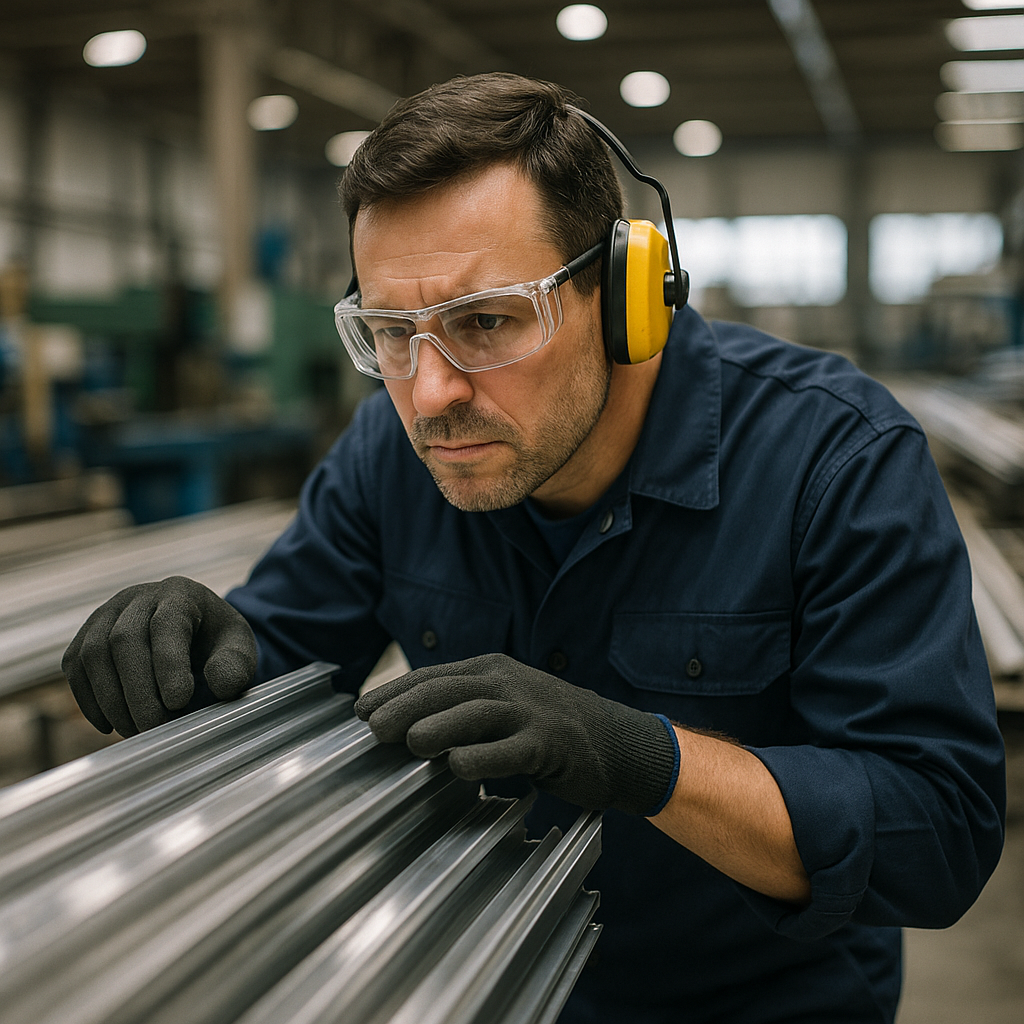
Scrap aluminum gutter prices vary significantly across different regions and buyers. The general price range for aluminum scrap is often dictated by the London Metal Exchange (LME) and local market demand. Recent market data indicates that high-quality aluminum siding and gutters command competitive prices at professional scrap yards nationwide.
In early 2026, the national average for clean, sorted scrap aluminum has remained stable, providing a reliable baseline for industrial planning. However, specific yards offer different rates based on their on-site processing capabilities and access to secondary smelters. Choosing a recycler with advanced sorting technology often results in a higher payout for the seller.
The condition and preparation of aluminum gutters significantly impact the final price received. Clean gutters free from steel attachments, dirt and other contaminants receive top-tier pricing. Professional facilities emphasize that aluminum siding and gutters must be separated from steel components and foam insulation to qualify for these premium rates. Contaminated materials typically receive reduced rates, sometimes dropping to nearly half the price for “irony” loads—those with steel screws or brackets still attached.
Geographic location also plays a critical role. Urban areas with multiple competing scrap yards generally offer better rates due to lower transportation costs to processing hubs. Rural locations may see slightly lower prices because of additional shipping expenses. Market timing is another factor; the peak construction season in the spring and summer often drives higher demand and better rates for building materials like gutters and siding.
| Alloy Grade | Common Item | Industrial Payout Level |
|---|---|---|
| 6063 Clean | Premium Extrusions | Highest (Premium) |
| 3003/3105 Clean | Standard Gutters/Siding | High (Standard) |
| MLC (Mixed Low Copper) | Clips and Sheet Metal | Moderate |
| Irony/Dirty Aluminum | Gutters with screws/caulk | Lowest |
Advanced Metallurgy: Identifying Alloy Grades in Rainware
To maximize the financial return on your scrap, it is essential to understand the specific aluminum alloys used in the manufacturing of gutters and siding. In the industrial world, not all aluminum is the same series, and identifying higher-value grades can significantly boost your bottom line.
Understanding the 3000 vs. 6000 Series
Most residential aluminum gutters are made from the 3000 series aluminum alloys, primarily 3003 or 3105. These are manganese-alloyed metals prized for their flexibility and corrosion resistance. While valuable, they typically trade as “Old Sheet” or “Siding” scrap. However, industrial and premium commercial gutter systems may use 6063 aluminum extrusions for downspouts and structural hangers. 6063 contains magnesium and silicon, which makes it stronger and more valuable than standard sheet aluminum.
The Role of XRF Technology in Scrap Grading
Modern, professional recycling facilities utilize X-ray Fluorescence (XRF) technology to instantly identify the specific alloy of a piece of scrap. While a manual sorter might classify all gutters as generic “aluminum,” an XRF analyzer can detect if you have a load of higher-value 6000-series material. This scientific approach ensures that industrial sellers receive the true market value of their specific alloy, preventing the “downgrading” of premium materials.
Managing Sealants and Thermal Breaks
Commercial gutter systems often incorporate thermal breaks—plastic or rubber strips that reduce heat transfer. In the eyes of a recycler, these are contaminants. If these components are not removed, the material will be graded as “dirty.” High-volume scrap generators often use mechanical shears to strip these thermal breaks on-site, allowing them to sell the remaining aluminum as a clean, premium extrusion grade rather than mixed breakage.
Which Factors Influence Scrap Aluminum Prices?
Scrap aluminum pricing operates within a complex system where various factors interact to determine your final payout. Unlike fixed commodities, aluminum scrap values fluctuate based on both controllable preparation factors and broader market forces. Understanding these drivers helps you maximize returns and time your material disposals strategically.
Material Purity and Contamination
Purity is the most critical factor determining scrap aluminum value. Clean, uncontaminated aluminum commands premium prices because it requires minimal processing before being melted down for new products. Contamination significantly reduces value and processing efficiency.
Common contaminants that decrease value include iron attachments (screws, nails), plastic components, rubber seals and heavy paint coatings. Steel screws or brackets left on aluminum frames can reduce your payout by 20 to 40 percent compared to clean material. Even small amounts of mixed metals require additional sorting, leading to lower classification and lower pricing tiers.
Market Demand from Key Industries
Manufacturing demand from major aluminum-consuming sectors drives pricing fluctuations. The automotive industry is a significant demand source, using recycled aluminum for lightweight vehicle components and engine parts. Construction activity also heavily influences pricing through the demand for structural components, window frames and roofing materials.
Transportation and Regional Cost Factors
Transportation costs significantly influence regional pricing due to the metal’s weight-to-value ratio. Areas with numerous processing facilities typically offer more competitive rates through reduced shipping expenses. Furthermore, energy costs affect both scrap processing and primary aluminum production. Aluminum smelting requires substantial electricity, making energy prices a key factor. When energy costs spike, recycled aluminum becomes even more valuable compared to newly produced metal, potentially boosting scrap prices.
The 2026 Sustainability Gap: Why Recycled Aluminum Is in High Demand
As we move through 2026, the push for “Green Aluminum” has reached a fever pitch. International manufacturing standards now prioritize recycled content to meet carbon-reduction goals. This has created a massive supply gap that benefits those who recycle industrial rainware.
The 95 Percent Energy Rule
Creating “virgin” aluminum from bauxite ore is one of the most energy-intensive industrial processes on Earth. It requires mining, chemical refining (the Bayer process) and immense electrical input (the Hall-Héroult process). In contrast, recycling aluminum gutters requires only 5 percent of the energy needed for primary production. This 95 percent energy saving is the fundamental economic reason why aluminum maintains such high scrap value—it is far cheaper and faster for a mill to melt your old gutters than to mine new ore.
Meeting ESG and LEED Requirements
For large construction and demolition firms, recycling aluminum gutters is no longer just about the cash payout; it is about data. Professional recyclers now provide material recovery reports that quantify the amount of CO2 diverted from the atmosphere. One ton of recycled aluminum saves approximately nine tons of CO2 emissions. This data is essential for companies pursuing LEED certification or ESG (Environmental, Social and Governance) reporting, turning a waste stream into a verifiable sustainability asset.
The Circular Economy Loop
Aluminum is infinitely recyclable. The aluminum molecules in a gutter removed from a warehouse today are identical to those in the original ingot and will remain so in their next life as a car frame or a new building panel. This “perfect” circularity is why aluminum remains the cornerstone of the industrial circular economy in 2026. By choosing a professional recycling partner, you ensure that your materials stay in a closed loop, reducing the environmental footprint of the entire Texas manufacturing sector.
Where Can You Sell Scrap Aluminum Gutters?
To successfully sell your materials, you need to understand the various types of facilities that purchase these metals. The main outlets are professional scrap yards and metal recycling centers. Each option has unique benefits depending on your specific logistics and volume needs.
Industrial scrap yards focus on buying large volumes and often offer the most competitive prices for aluminum gutters due to their direct connections with smelters. We suggest reaching out to professional recyclers in your area to compare current daily rates, as market volatility can cause shifts from one week to the next.
Metal recycling centers specialize in processing various materials and often provide transparent, index-linked pricing structures. Many of these facilities offer container or pickup services for larger quantities, which can especially benefit roofing contractors or facility managers handling multiple replacement projects. When choosing a facility, prioritize those that ensure accurate weighing on certified scales and offer comprehensive environmental compliance documentation.
How Can You Maximize Your Payout?
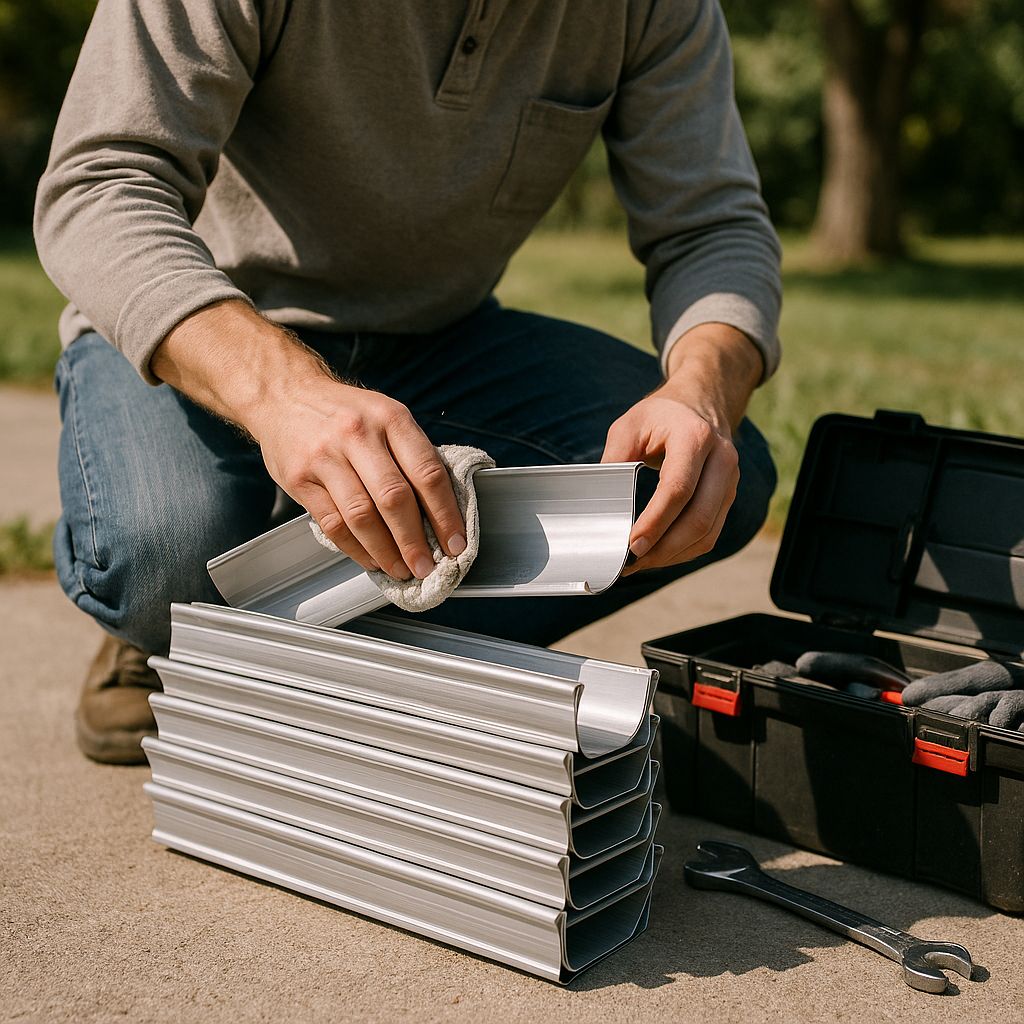
Proper preparation significantly impacts the value you receive. Sorting your aluminum by type and grade can increase returns by 15 to 40 percent compared to selling mixed materials. Clean, uncontaminated aluminum consistently commands the highest prices.
Removing all non-aluminum attachments is essential. Screws, plastic brackets, steel hangers and rubber seals must be separated before arrival. These contaminants lower the grade classification and reduce the price per pound because they add weight that the recycler cannot use and must laboriously remove.
Actionable Steps to Increase Value
- Magnet Test: Use a magnet to identify steel hangers or screws. If the magnet sticks, it must be removed.
- Clean Separation: Separate downspouts, elbows and gutter runs into distinct piles.
- Reduce Volume: Cut long gutter sections into manageable four to five-foot lengths. This helps with transportation and allows the recycler to process the material more efficiently.
- Remove Debris: Ensure gutters are free of leaves, dirt and heavy sealants.
Timing and Market Considerations
Monitor aluminum scrap prices through professional industry portals before selling. Building a relationship with a high-volume buyer helps secure competitive rates over the long term. If you are a contractor with regular material flow, ask about industrial container services that can be placed on-site to streamline your logistics and keep your job site organized.
Conclusion: Turning Old Gutters into Cash
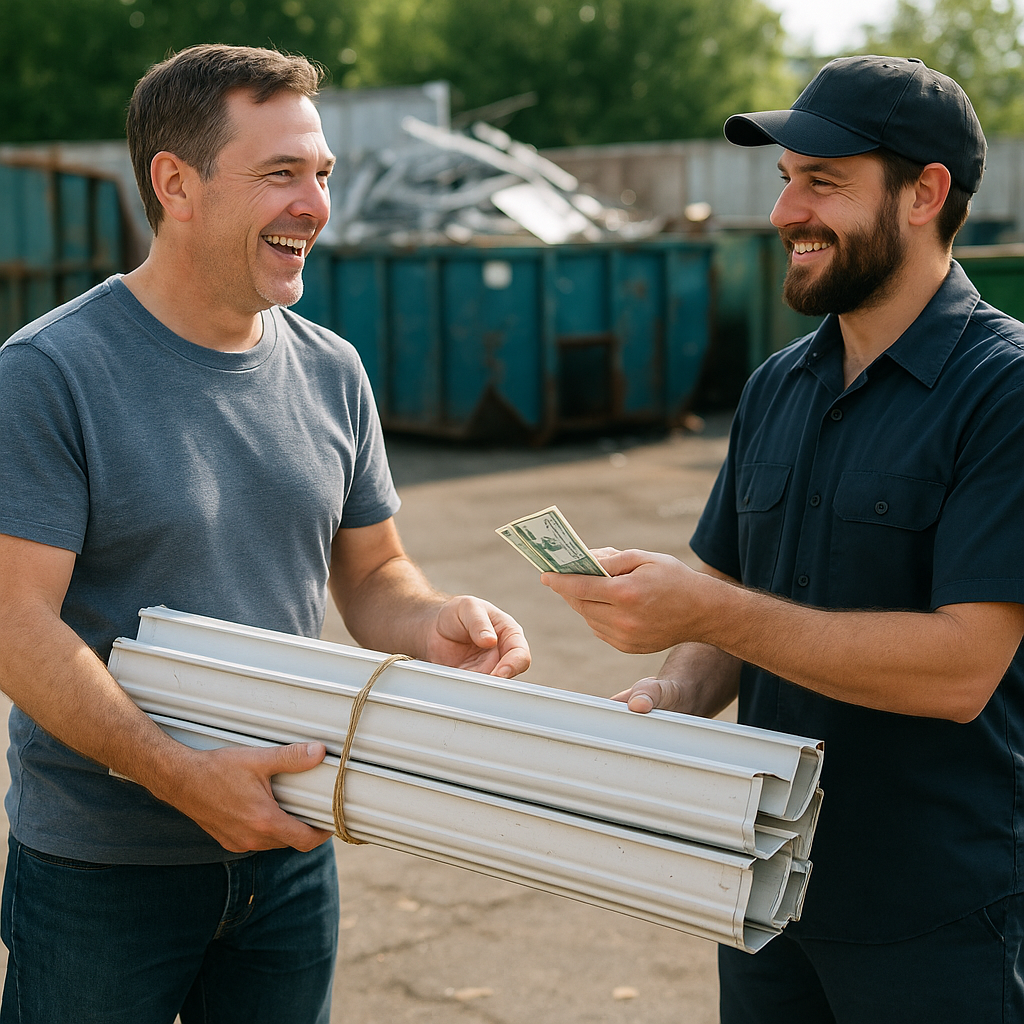
Recycling old aluminum gutters offers a practical way to earn money while contributing to the circular economy. The scrap value can vary based on market prices, cleanliness and regional demand. By cleaning and sorting your material and choosing an industrial-scale buyer, you can maximize your payout. Removing steel attachments and non-metallic debris transforms “waste” into premium-grade material that commands top market rates.
Success in metal recycling requires preparation, timing and choosing the right partner. Clean aluminum gutters remain one of the most reliable sources of non-ferrous scrap revenue. Whether you are a contractor with a consistent material stream or a property manager overseeing a large renovation, understanding these dynamics ensures you get the best price for your materials.
For professional scrap metal recycling services, contact Okon Recycling at 214-717-4083.
Send Us a Message
Questions about what we do? Interested in commercial services? Let us know below and a member of our team will get back to you.