5901 Botham Jean Blvd, Dallas, TX 75215
What Options Are Available for Reliable Recycling in Texas?
January 8, 2026Reliable recycling options are available for both residential curbside programs and commercial waste stream management. Professional processing facilities handle materials such as paper, cardboard, plastic, glass and aluminum through advanced recovery systems. These operations process thousands of tons daily using mechanical, manual and electronic sorting technologies. Industrial recycling programs further extend to specialized materials, including ferrous and non-ferrous metals, batteries, electronics and construction debris.
The economic and environmental benefits of these recycling solutions make them attractive for municipalities and businesses alike. Companies can often reduce operational costs while meeting sustainability compliance requirements. Many programs offer rebate systems based on material volumes, creating financial incentives alongside environmental stewardship. This dual approach supports both immediate cost savings and long-term resource conservation goals across Texas communities.
What Types of Recycling Services Can You Find Across Texas?
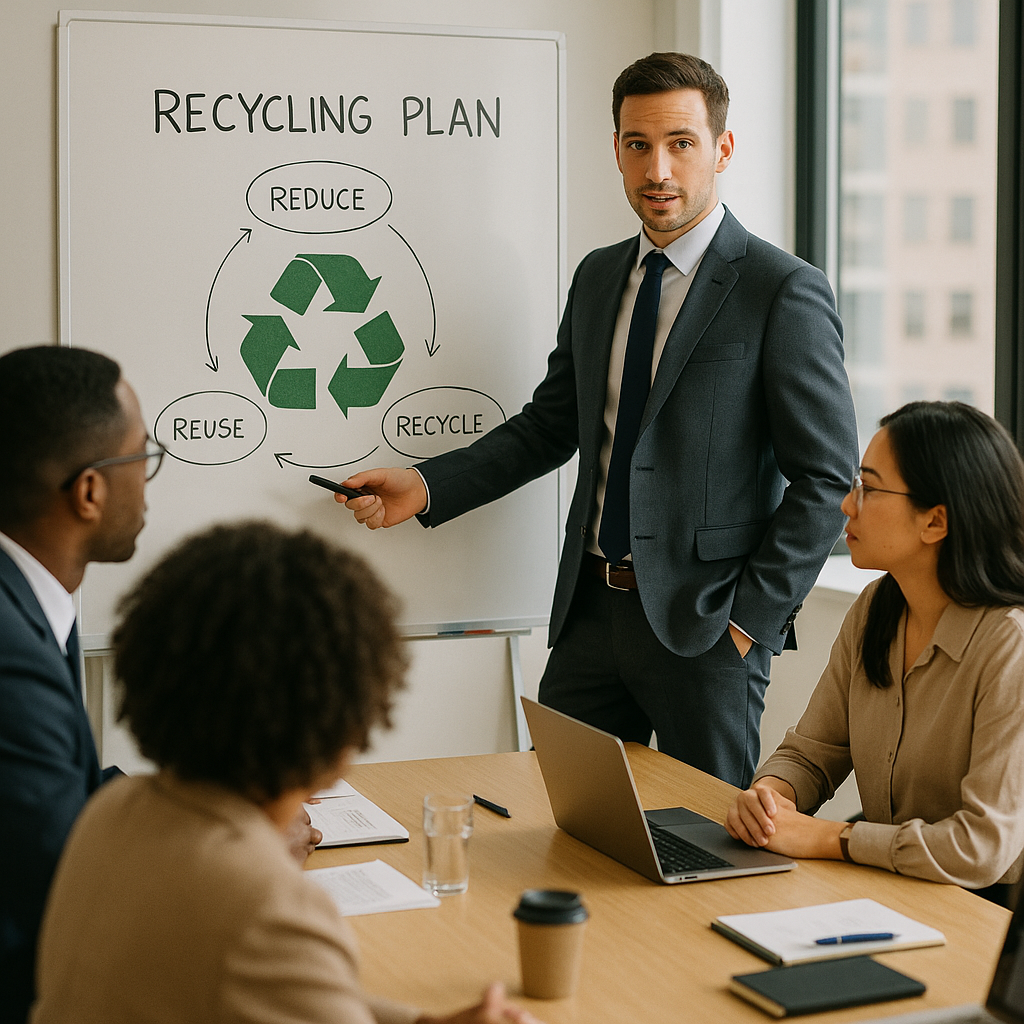
Texas offers a range of recycling services tailored to meet the diverse needs of commercial, residential and specialized sectors. These services vary from large-scale industrial solutions to convenient drop-off locations for individuals, providing a closed-loop system for the state’s most valuable materials.
Commercial and Industrial Recycling Services
Commercial recycling providers focus on businesses, manufacturing facilities and large institutions that generate substantial waste volumes. Professional partners create customized programs for paper, cardboard and scrap metal recycling. These services include roll-off containers for large quantities and forklift-handled bins for indoor use.
Commercial programs often offer scheduled pickups tailored to business operations. Industrial clients can access specialized equipment such as waste compactors and integrated collection systems. Many providers conduct comprehensive waste assessments to help companies develop personalized waste diversion plans and achieve aggressive sustainability goals. In North Texas, these B2B solutions are essential for high-volume manufacturers looking to monetize their scrap streams.
Residential and Municipal Programs
Most major Texas cities have established curbside recycling programs for households. Systems like single-stream recycling allow all materials to go into one bin for sorting at processing facilities, eliminating the need for residents to separate items. Cities frequently provide large blue carts for weekly collection. These programs typically accept glass bottles, aluminum cans, plastic bottles, cardboard and paper products.
Specialized and Electronic Waste Recovery
Texas recyclers handle specific waste streams that require specialized processing. Tire disposal services manage scrap tires, ensuring they are processed into new products like rubber mulch or playground surfaces. Electronic waste recycling has also gained importance as technology advances. Facilities employ special handling procedures to manage potentially hazardous materials in circuitry and batteries safely, protecting the Texas landscape from heavy metal contamination.
The 2026 Circular Economy Shift: Waste as a Resource
As of early 2026, the industrial sector in Texas has undergone a fundamental shift toward the circular economy model. Rather than the traditional “take-make-dispose” linear approach, businesses are increasingly viewing their waste streams as raw material feedstock for future production.
Advanced Recycling and Chemical Recovery
New innovations in 2026 include advanced chemical recycling, such as pyrolysis, which allows for the recovery of high-quality polymers from plastics that were previously considered non-recyclable. Major industrial hubs along the Gulf Coast have invested hundreds of millions of dollars to expand these facilities, allowing Texas to lead the nation in diverting complex plastics from landfills. This technology breaks down materials into their molecular building blocks, ensuring they can be used to create virgin-quality products indefinitely.
Zero-Waste Strategies for Texas Manufacturers
Industrial facilities are now adopting “Zero Waste to Landfill” certifications. This involves redesigning manufacturing processes to eliminate waste at the source and partnering with professional recyclers to ensure 100 percent of remaining byproducts are repurposed. For a manufacturing plant in Dallas or Houston, this doesn’t just improve brand reputation—it provides a measurable ROI by reducing disposal fees and generating revenue from secondary commodity sales.
Which Materials Are Commonly Accepted for Recycling?

Texas recycling facilities process several primary material categories through automated sorting systems. These materials have established end markets and can be efficiently separated at material recovery facilities (MRFs) across the state.
Paper and Cardboard Logistics
Paper products are the most widely accepted recyclable materials. Newspapers, magazines, office paper and junk mail separate easily during processing. Cardboard must be flattened to avoid jamming equipment. In 2026, the demand for recycled fiber remains high due to the continued growth of e-commerce and the need for sustainable packaging.
Metal and Glass Recovery
Ferrous and non-ferrous metals have high market values and are universally accepted. Aluminum cans, one of the most valuable materials, can return to store shelves within 60 days of collection. Steel and tin food cans are processed alongside aluminum in most facilities. Labels do not require removal as they burn off during the smelting process. Clear and colored glass jars are crushed into small pieces called cullet, which serves as a vital raw material for new glass manufacturing.
| Material Category | Accepted Items | Industrial Payout Level |
|---|---|---|
| Non-Ferrous Metal | Aluminum, Copper, Brass | Highest (Premium) |
| Ferrous Metal | Steel, Iron, Structural Beam | High (Volume-based) |
| Paper/Cardboard | OCC, Magazines, Office Paper | Moderate |
| Plastics | #1, #2, #5 Containers | Moderate / Stable |
Preparation Standards and Common Rejections
All materials must be empty, clean and dry. Food residue attracts pests and can contaminate entire loads. Certain materials, known as “tanglers,” cause significant operational problems. Garden hoses, plastic bags and flexible films wrap around sorting machinery, requiring manual removal and potentially shutting down processing lines. Hazardous materials like paint cans and chemical containers also pose safety risks and must be managed through specialized hazardous waste programs.
Industrial Waste Auditing: Identifying Hidden Revenue Streams
For large-scale Texas businesses, a standard recycling bin is often insufficient. Professional recycling partners now offer industrial waste stream audits—a systematic process to identify, categorize and quantify a facility’s waste output to maximize resource recovery.
The Audit Process for Large Facilities
A comprehensive audit begins with an on-site walk-through to map out waste generation points. Technicians analyze current disposal methods and identify materials that are being landfilled but hold significant commodity value. This often includes high-performance alloys, specialized plastics or bulk fiber. By segregating these materials at the source, a facility can transform a “trash expense” into a “scrap revenue” line item.
Compliance with TCEQ Regulations
The Texas Commission on Environmental Quality (TCEQ) requires certain businesses to document their waste disposal practices. A professional audit provides the necessary documentation to demonstrate compliance during state inspections. In 2026, regulatory scrutiny regarding hazardous and universal waste—including batteries, lamps and pesticides—has increased. A formal waste management plan resulting from an audit ensures that your facility remains in good standing and avoids costly environmental penalties.
Maximizing ROI Through Material Segregation
The primary goal of an audit is to improve the “purity” of the facility’s scrap. When metals are mixed, they are often graded at the lowest common denominator price. By implementing source-segregation bins for aluminum, stainless steel and copper, businesses can secure premium payouts. Professional recyclers provide the customized container solutions and logistics needed to maintain this organization without disrupting the daily manufacturing workflow.
Your Guide to Responsible Recycling in Texas
Choosing a reliable recycling partner in Texas is essential for both environmental sustainability and economic growth. Whether you are a business in need of a custom scrap metal program or a resident using a single-stream curbside service, there are eco-friendly solutions available. By understanding what materials are accepted and partnering with a trusted facility, you contribute to a multi-billion-dollar industry that protects the Texas landscape.
Texas recycling services provide comprehensive waste reduction solutions that support both the state’s economy and environmental goals. From single-stream processing serving over one million households to specialized industrial programs, responsible recycling partners help businesses and municipalities meet compliance requirements while reducing operational costs.
For your industrial recycling and scrap metal needs, contact Okon Recycling at 214-717-4083.
Send Us a Message
Questions about what we do? Interested in commercial services? Let us know below and a member of our team will get back to you.