5901 Botham Jean Blvd, Dallas, TX 75215

How Expensive Is Steel in 2026? Global Market Price Trends
January 9, 2026Steel prices today reflect a complex market shaped by global supply chains and fluctuating industrial demand. Recent U.S. market data indicates Hot-Rolled Coil steel trading at competitive levels, while Cold Rolled Steel maintains a premium due to higher processing requirements. In international markets, steel rebar futures highlight the regional variations that characterize this essential commodity, driven by infrastructure growth in emerging economies.
These steel market prices represent more than just commodity pricing. Production costs, trade policies and manufacturing capacity all influence what mills charge for different steel grades. The pricing landscape has experienced significant volatility in early 2026, with market intelligence revealing substantial fluctuations as global economic conditions shift and industrial sectors pivot toward sustainable feedstocks.
Understanding current steel expenses requires examining multiple factors beyond base pricing. Transportation costs, processing requirements and market demand cycles all contribute to the final cost structure. For organizations managing materials recovery and waste processing operations, these price dynamics directly impact operational planning and resource allocation decisions. As the circular economy matures, the role of recycled steel in stabilizing these costs has become a primary focus for major manufacturers.
What Components Contribute to the Cost of Steel Production?
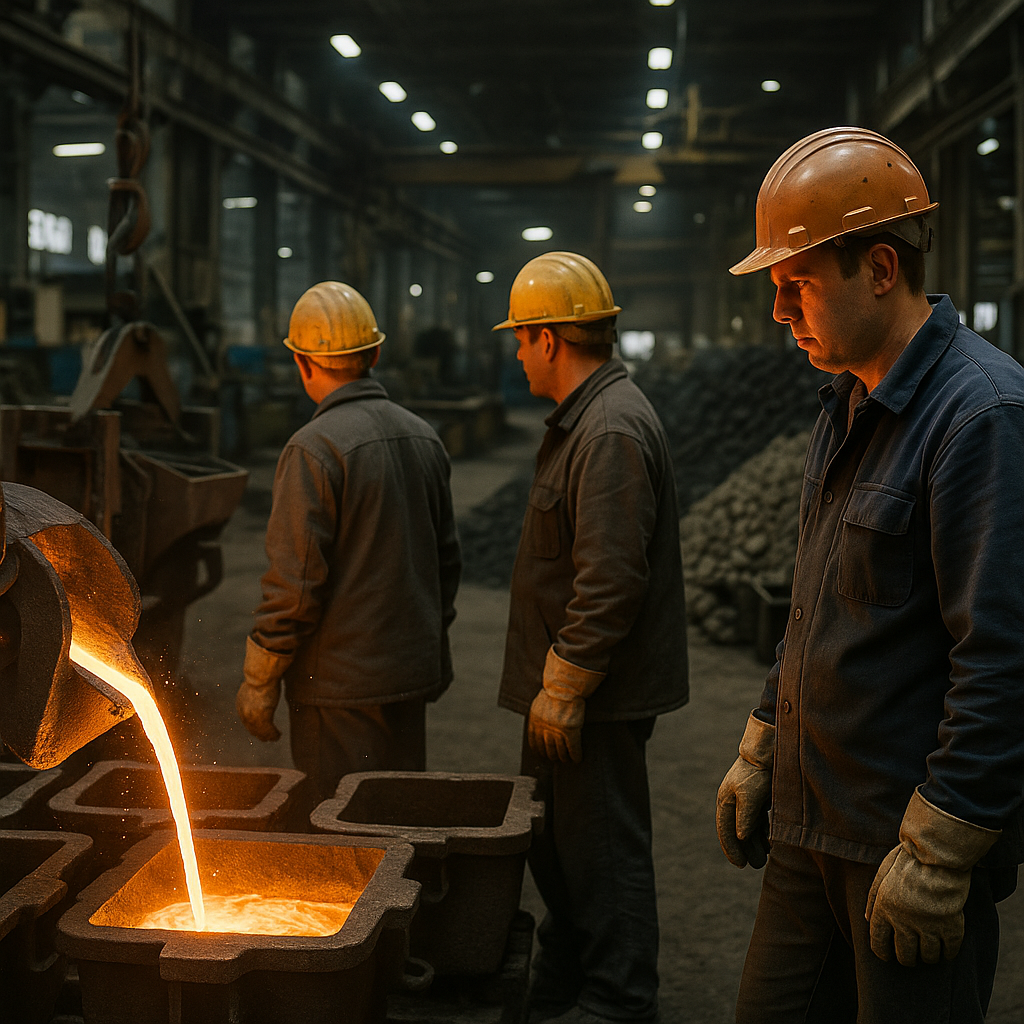
The costs of steel production are primarily influenced by four key components that determine the economic viability of manufacturing operations. Raw materials are the main cost driver, followed by energy expenses, labor charges and other operational costs, which vary depending on production methods and geographic regions.
Raw Materials as the Major Expense
Raw materials account for the largest portion of expenses in steel manufacturing, making up 56 percent to 71 percent of total costs, depending on the production route and location. In blast furnace and basic oxygen furnace (BF-BOF) operations, iron ore is the primary input, with its cost affected by global supply dynamics and transportation expenses. In these traditional mills, coking coal is another significant raw material expense, acting as both a fuel source and reducing agent.
In Electric Arc Furnace (EAF) operations, scrap metal serves as the main raw material cost, representing up to 72 percent of total expenses. The availability and quality of scrap metal are critical to EAF production, especially in regions like North Texas with established recycling infrastructure. EAF mills are increasingly favored in 2026 because they can utilize 100 percent recycled scrap, bypassing the volatile costs of iron ore and coal mining.
Regional Variations in Energy Costs
Energy costs are the second-largest component in steel production but vary widely across production methods and locations. Countries with high electricity costs, such as Germany and Japan, face energy expenses that make up a quarter of total EAF production costs. Regional energy pricing policies and access to renewable energy sources can offer significant advantages. Industrial hubs with subsidized rates or abundant natural gas resources often maintain lower overall production costs, providing a competitive edge in the global market.
Labor and Supporting Operational Costs
Labor costs vary dramatically between developed and developing countries. In the United States and Germany, labor typically accounts for 3 percent to 5 percent of total expenses. Developing nations may maintain labor costs below 2 percent. However, EAF operations generally require less labor than traditional blast furnaces due to higher automation and simpler operational flows. Additional expenses include overhead, consumables like electrodes and refractories, and environmental compliance, which is becoming a larger share of the budget in early 2026.
The 2026 “Green Steel” Transition: Decarbonization and Costs
In 2026, the industrial steel market is undergoing its most significant transformation since the invention of the Bessemer process. The push for “Green Steel”—steel produced with minimal carbon emissions—is fundamentally altering the cost structure of the industry.
The Rise of Hydrogen-Based Production
Traditional mills are increasingly exploring Direct Reduced Iron (DRI) technology fueled by green hydrogen rather than coking coal. While this technology significantly reduces CO2 emissions, the current cost of producing green hydrogen creates a “green premium” on the final product. Industrial buyers are now balancing the higher price of green steel against their own corporate ESG (Environmental, Social and Governance) mandates. As hydrogen infrastructure expands in Texas, the cost of this transition is expected to stabilize over the next decade.
Carbon Border Adjustments and Trade
International trade policies, such as the European Union’s Carbon Border Adjustment Mechanism (CBAM), are now impacting global steel prices. These policies place a tariff on steel imported from regions with lower environmental standards. This makes domestically recycled steel in the United States even more valuable, as it carries a much lower carbon footprint than imported virgin steel. For Texas businesses, partnering with a local recycler ensures their materials stay within a low-carbon, compliant supply chain.
Metallurgical Benefits of Secondary Steel Recovery
Recycling steel is not just an environmental choice; it is a metallurgical advantage. Steel is one of the few materials that can be recycled infinitely without any loss of structural integrity. In early 2026, high-tech manufacturing increasingly relies on the consistent properties of recycled feedstock.
Consistency and Purity Control
Unlike primary production, which must deal with the inherent impurities found in iron ore, recycled steel comes from known alloys. When industrial scrap is properly segregated—separating structural beams from machine shop turnings—the resulting melt is highly predictable. Professional recycling facilities now utilize handheld X-ray Fluorescence (XRF) analyzers to verify the chemistry of every load, ensuring that high-value alloys like manganese steel or stainless steel are not diluted. This precision allows mills to produce high-performance aerospace and automotive components with fewer chemical adjustments during the melting phase.
The Energy Gap: 75 Percent Savings
The physics of steelmaking favor the recycler. Melting scrap steel in an Electric Arc Furnace requires 75 percent less energy than refining iron ore in a blast furnace. This energy gap is the primary reason why scrap steel maintains its value even during market downturns. In 2026, with energy prices remaining volatile, the energy “stored” within scrap metal represents a massive cost-saving opportunity for the entire industrial supply chain. For every ton of steel recycled, we save 2,500 pounds of iron ore, 1,400 pounds of coal and 120 pounds of limestone.
How Do Steel Prices and Production Costs Differ Globally?
Global steel production costs vary significantly across countries, impacting the competitiveness of regional industries. The differences in production expenses can reach hundreds of dollars per tonne. These variations are mainly due to differences in raw material access, energy prices and labor costs.
Russia and India historically have had lower steel production costs among major producers due to abundant domestic iron ore reserves and lower labor expenses. However, geopolitical shifts in 2025 and 2026 have disrupted these traditional cost advantages, leading to increased reliance on domestic production in Western markets.
Advanced economies in Japan, Germany and Italy face significantly higher production costs, with expenses often surpassing $800 per tonne. These nations deal with expensive energy and a greater reliance on imported raw materials. In the United States, cost variation exists even within the country; facilities in regions with low electricity rates and high scrap availability, such as Texas, often outperform older mills in the Rust Belt. Disparities in China can reach $230 per tonne between their most and least competitive plants, largely based on their proximity to major ports and the age of their technology.
| Region | Primary Method | Energy Source | Relative Cost Index |
|---|---|---|---|
| USA (Texas) | EAF (Recycled) | Mixed / Renewables | Moderate (Competitive) |
| Germany | BF-BOF / DRI | Natural Gas / Hydrogen | High (Green Premium) |
| India | BF-BOF | Domestic Coal | Low |
| China | Mixed | Coal / Grid | Variable |
Raw materials remain the dominant cost component across all regions, accounting for up to 72 percent of total expenses. This dominance explains why industrial sectors are moving toward “urban mining”—treating the scrap generated by demolition and manufacturing as a high-grade ore deposit that is more stable and cost-effective than newly mined minerals.
Conclusion: Navigating the 2026 Steel Market
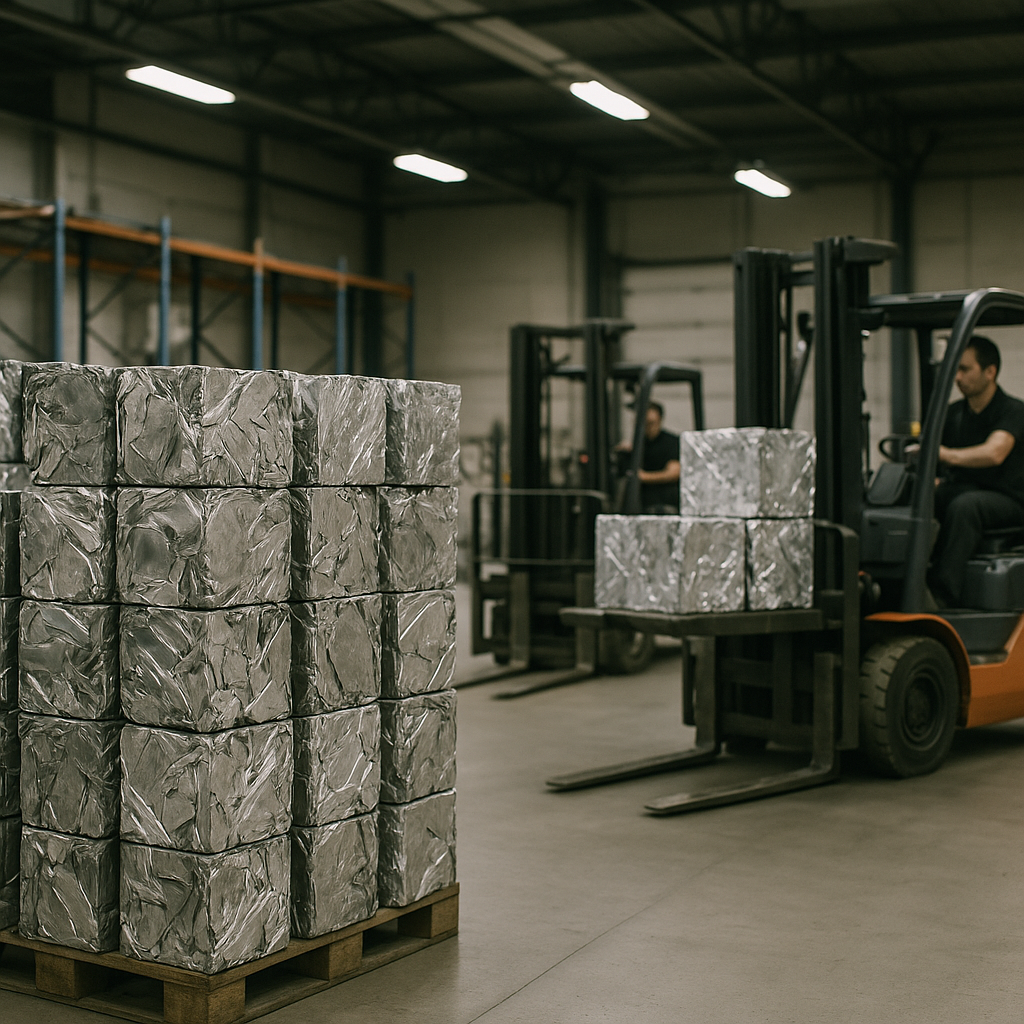
Determining steel costs involves understanding multiple interconnected factors that drive market volatility. Production expenses, primarily raw material costs like iron ore and scrap metal, form the foundation of steel pricing. In 2026, energy costs and the transition to green technologies have added layers of complexity that affect pricing across different regions. Trade policies and decarbonization mandates further influence market dynamics, while demand in the construction and renewable energy sectors keeps prices in constant flux.
Effectively navigating the steel market requires staying informed about these core market drivers and their evolving impacts on pricing trends. Whether managing large-scale procurement or planning industrial recycling operations, understanding commodity trading patterns provides the insight needed for strategic decision-making. For comprehensive recycling solutions that help manage material costs effectively and support your circular economy goals, contact Okon Recycling at 214-717-4083.
Would you like me to help you schedule a scrap audit for your facility to determine how a more effective steel segregation plan could increase your material revenue in this shifting market?
Send Us a Message
Questions about what we do? Interested in commercial services? Let us know below and a member of our team will get back to you.