5901 Botham Jean Blvd, Dallas, TX 75215
Financial Value of Recycling Aluminum Cans: Prices & Trends
January 10, 2026Recycling aluminum cans provides immediate financial returns while supporting environmental sustainability. Each discarded soda, beer or juice container represents potential income and helps reduce landfill waste. This dual benefit makes aluminum can collection attractive for individuals and businesses seeking additional revenue streams in 2026.
Current market data shows aluminum cans trading at approximately $0.55 to $0.65 per pound in the Texas region, with significant regional variations across the United States. It takes about 32 empty aluminum cans to equal one pound of material, meaning each can has an average scrap value of around 1.8 to 2 cents. This figure fluctuates daily based on local market conditions and professional recycling facility pricing policies.
The financial value of aluminum packaging extends beyond basic scrap pricing. States with bottle deposit laws offer substantially higher returns, with some containers worth up to 15 cents each in redemption value. Professional facilities adjust pricing based on material cleanliness, quantity and processing requirements. Understanding these variables helps maximize returns from recycling efforts while contributing to the circular economy of this infinitely recyclable metal.
What Are the Current Scrap Prices for Aluminum Cans?
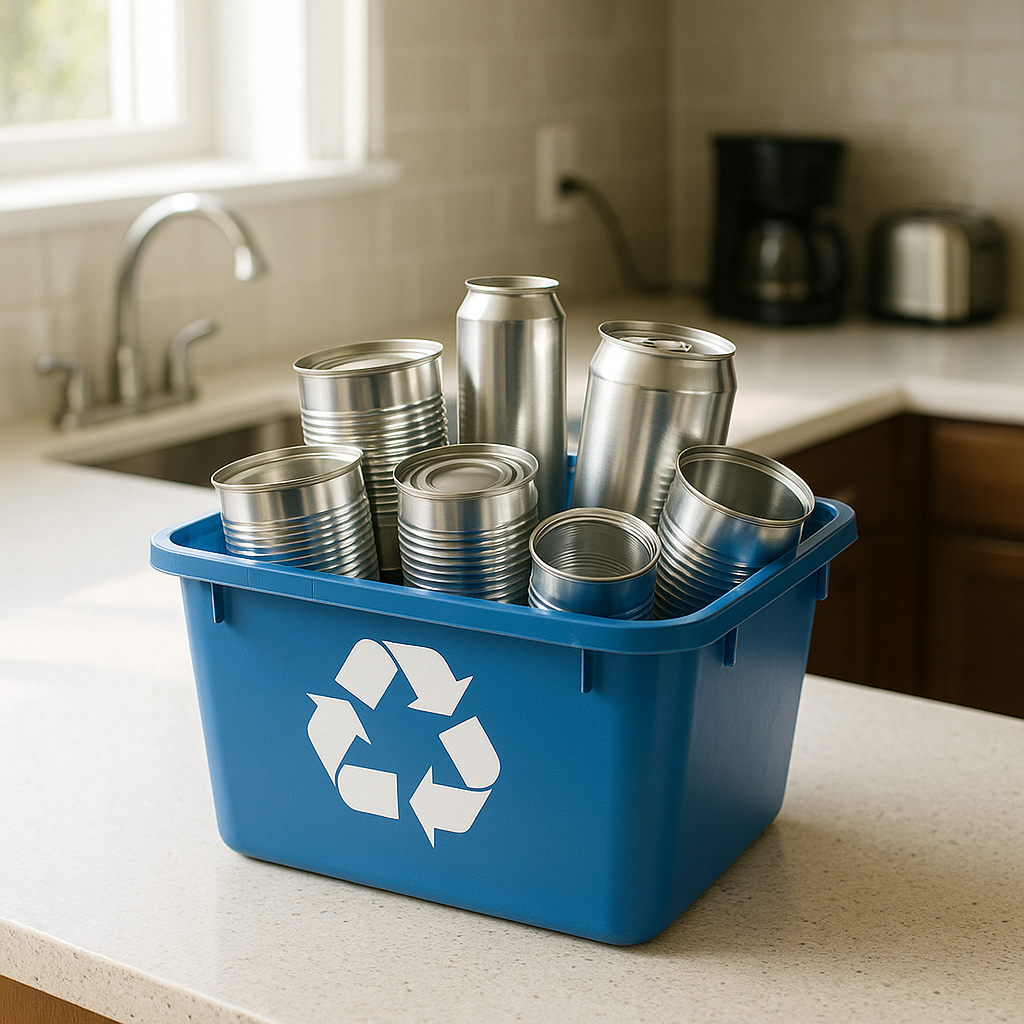
Current aluminum can prices fluctuate significantly. In early 2026, the Texas market has seen a baseline price of approximately $0.55 per pound for Used Beverage Cans (UBC), representing a stable recovery from previous years. This serves as the benchmark most professional recycling centers use when purchasing aluminum beverage containers from the public.
Price ranges vary considerably depending on location and industrial demand. Some markets see lows of around $0.35 per pound, while premium industrial hubs can reach $0.75 per pound. These variations reflect local supply and demand dynamics, transportation costs and the processing capabilities of different facilities. For example, a facility with advanced baling and sorting technology can often offer a higher price than a smaller collection point.
Many facilities implement tiered pricing structures based on volume. Industrial accounts or community collection drives often unlock premium rates—sometimes as high as $0.70 per pound—specifically for pure beverage cans due to their consistent alloy composition and high recovery rate. Market volatility affects these numbers daily; factors such as global aluminum commodity prices, energy costs and manufacturing demand create ongoing shifts. The London Metal Exchange (LME) pricing serves as the primary global indicator, with scrap aluminum values typically following primary aluminum market trends.
The Mechanics of Energy Savings: Why Every Can Matters
To understand why recyclers are willing to pay for old cans, one must understand the “Energy Bank” concept. Aluminum is unique because it requires an immense amount of energy to produce initially, but very little to recycle.
The 95 Percent Energy Gap
Producing primary aluminum from bauxite ore is one of the most energy-intensive industrial processes on Earth. It requires mining, chemical refining and a massive amount of electricity for electrolysis. In contrast, recycling aluminum saves 95 percent of the energy required for primary production. This energy gap is so significant that recycling a single aluminum can saves enough electricity to power a 60-watt light bulb for more than four hours or a television for three hours.
Reducing the Carbon Footprint
Because secondary production (recycling) bypasses the carbon-heavy mining and smelting phases, it reduces greenhouse gas emissions by up to 95 percent. In 2026, as corporations strive to meet ESG (Environmental, Social and Governance) goals, the demand for recycled aluminum has surged. Recycling one ton of aluminum prevents approximately 10 tons of CO2 emissions from entering the atmosphere. For industrial facilities, this data is often used to offset their own carbon reporting, making every bale of recycled cans a valuable environmental asset.
How Does the Value of Aluminum Cans Vary by State?
Regional market conditions create substantial price variations that directly impact the economics of recycling programs. California leads the nation with combined CRV (California Redemption Value) and scrap pricing that can push returns well above $1.65 per pound, while states without deposit laws rely entirely on commodity scrap values.
Redemption vs. Scrap Value
State deposit programs create the most dramatic price variations. California’s comprehensive container redemption system supports higher per-pound values because it includes a government-mandated 5 to 10-cent deposit. In contrast, Texas is a non-deposit state, meaning the price paid is purely based on the current market value of the metal as a commodity. Kentucky and Utah typically show mid-range scrap pricing reflecting regional industrial demand.
| State / Region | Payout Type | Estimated Return (Per Lb) |
|---|---|---|
| California | Scrap + CRV | $1.65 – $1.80 |
| Texas (North/Dallas) | Commodity Scrap | $0.55 – $0.70 |
| New York | Scrap + Deposit | $1.50 – $1.60 |
| Florida | Commodity Scrap | $0.45 – $0.58 |
Processing infrastructure availability also affects value. States with established material recovery facilities (MRFs) can offer more competitive rates due to reduced transportation requirements. Differences in price per pound directly impact program revenue potential for municipalities and waste management partners. Understanding local market conditions helps optimize materials recovery operations for maximum economic benefit.
The 2026 Texas Metal Theft Laws: Protecting Infrastructure
As of late 2025 and early 2026, Texas has implemented stricter regulations regarding metal transactions to deter theft and protect critical infrastructure. While these laws focus heavily on copper and brass, they also apply to the bulk sale of aluminum materials.
Senate Bill 1646 and Regulated Materials
Texas Senate Bill 1646 has enhanced criminal penalties for the unauthorized possession and sale of certain metals. For professional recyclers, this means stricter documentation requirements. Sellers of bulk aluminum—specifically wire or industrial scrap—must provide a valid government-issued photo ID. Many facilities now utilize digital reporting systems that link directly to the Department of Public Safety (DPS) to ensure that the materials being recycled are from legitimate sources. This protects the integrity of the recycling industry and ensures that community programs remain safe and legal.
Record Keeping and Cash Restrictions
Texas law also mandates that metal recycling entities maintain detailed records of all transactions. For certain “regulated” materials, there may be limits on cash payouts, with larger amounts requiring payment by check or electronic transfer. This transparency ensures that high-volume sellers are properly documented for tax and compliance purposes. When choosing a recycler, look for a “Registered Metal Recycling Entity” to ensure your transaction follows all current Texas statutes.
What Are the Best Ways to Maximize Your Earnings?
Proper Preparation and Rinsing
Thorough preparation is the first step toward a premium payout. Professional facilities require cans to be fully emptied. Sugary residues from soda or energy drinks can attract pests and create sticky “sludge” in processing machinery. Rinsing cans with water and letting them air dry prevents contamination and ensures you are paid for the weight of the metal, not liquid trapped inside.
Crushing for Logistics Efficiency
Crushing aluminum cans significantly enhances earnings potential by boosting transport efficiency. A crushed can occupies roughly one-tenth the space of an uncrushed one. This allows you to transport much more weight in a single trip, saving on fuel and time. While most facilities accept both, always confirm if your local yard has a preference for “baled” vs. “loose” material.
Material Separation
Separation is vital. Pure aluminum beverage cans fetch the highest prices. Ensure your load does not contain steel pet food cans, soup containers or aluminum foil, which are often classified as lower-grade “breakage” or “old sheet” aluminum. A simple magnet test can verify your material; magnets will stick to steel cans but not to aluminum.
The Volume-Based Advantage
Larger quantities unlock better pricing tiers. Professional recycling centers often offer higher rates for loads exceeding 100 pounds. Accumulating cans over several months or partnering with local businesses—such as restaurants or office buildings—can help you reach these profitable thresholds more quickly.
Conclusion: Start Cashing In on Your Aluminum Cans
Recycling aluminum cans is a simple way to benefit both your budget and the planet. Although prices change based on market trends and location, you can increase your payout by properly preparing your materials. In early 2026, aluminum can prices in the Texas market remain a reliable source of revenue for those who sort and clean their scrap effectively.
The environmental benefits add even more value. Each can recycled saves enough energy to power a television for three hours, and the material can be back on a store shelf as a new container in as little as 60 days. Whether you are a business managing a large waste stream or an individual collector, professional recycling services ensure you receive the maximum market value for your efforts.
Ready to start your aluminum recycling program? Contact Okon Recycling at 214-717-4083 for expert guidance and competitive payouts.
Send Us a Message
Questions about what we do? Interested in commercial services? Let us know below and a member of our team will get back to you.