5901 Botham Jean Blvd, Dallas, TX 75215
Solar Construction Waste Management Plan: A Complete Guide
December 26, 2025The United States installed 19 gigawatts of solar capacity in 2021 and must reach 60 gigawatts annually by 2030 to meet federal decarbonization goals. This rapid growth triggers significant construction activity across numerous photovoltaic projects. A growing challenge that many solar developers often overlook until it becomes costly is managing the substantial waste generated during installation phases in 2025.
A solar construction waste management plan is a structured document outlining procedures for minimizing, recycling and properly managing waste during the building phase of a photovoltaic project. Its primary goals are to establish proper waste handling protocols and implement recycling efforts to reduce the volume of materials sent to landfills, ensuring compliance with local, state and federal regulations. This plan covers both non-hazardous materials, such as packaging and scrap metal, and hazardous substances like fuels and cleaning solvents.
Solar construction generates various waste streams that need specialized handling approaches. Damaged modules from shipping or installation breakage present electronic waste concerns. Packaging materials, including wooden crates, cardboard and protective films, accumulate rapidly in large installations. Meanwhile, metal components like aluminum frames and steel racking systems offer significant recycling value when properly sorted and processed according to federal guidelines and photovoltaic waste management regulations.
Who Is Responsible for Managing Waste On-Site?

Solar construction sites need clear accountability structures for effective waste management. Responsibility typically flows from project leadership down to individual workers, with each level playing distinct but interconnected roles in ensuring proper waste handling and environmental compliance.
The construction supervisor has primary oversight responsibility for the entire waste management program. This role includes developing site-specific waste management protocols, conducting worker training sessions on proper procedures and monitoring daily compliance with established standards. Supervisors must also maintain detailed records of waste streams, coordinate with recycling partners and ensure all personnel understand segregation requirements for different material types.
Construction site workers and contractors manage the operational aspects of waste management. Their everyday tasks involve correctly identifying waste materials, placing items in designated containers and following established labeling protocols. Workers must segregate materials by type—separating recyclable metals like aluminum framing from potentially hazardous components such as damaged solar panels containing trace amounts of lead in junction box solder.
Site compliance goes beyond simple disposal practices. Generators must make waste determinations on-site before shipping materials to other locations, especially when panels or components are destined for recycling. This process requires understanding which materials qualify as hazardous waste and ensuring proper handling protocols are followed to avoid massive regulatory fines.
The Role of Waste Monitoring and Documentation
Waste monitoring responsibilities include regular site inspections to verify proper container usage, checking for contamination in recycling streams and documenting waste generation patterns. Workers must report any damaged panels immediately, as these materials require special handling due to potential toxicity concerns. The supervisor coordinates these reports and ensures appropriate disposal channels are used.
Worker training is a crucial component of successful waste management programs. Training sessions should cover material identification, proper lifting techniques for heavy components, container selection for different waste streams and emergency procedures for spills or damaged hazardous materials. Regular refresher training helps maintain compliance standards as project phases change and new materials enter the waste stream.
What Are the Primary Waste Streams in Solar Construction?
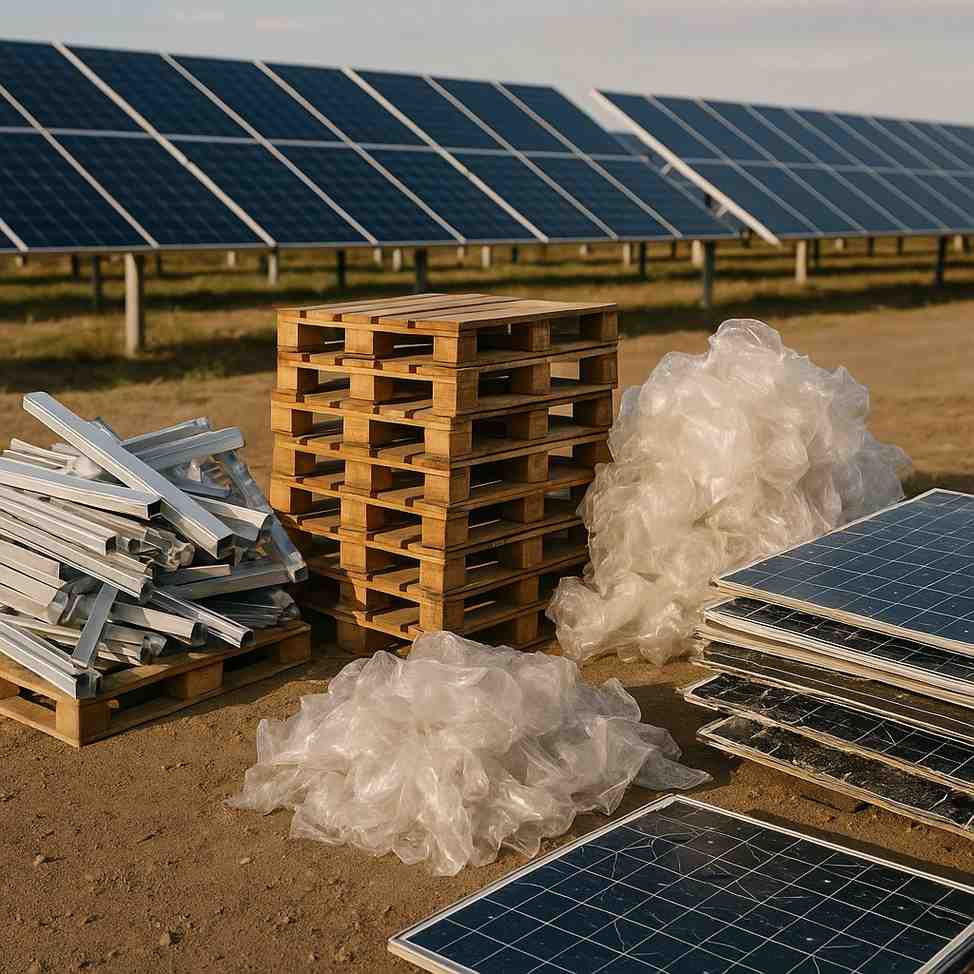
Solar construction projects generate distinct waste categories that require various management approaches. The primary waste streams are classified as non-hazardous and hazardous materials, each needing specific handling protocols to meet regulatory requirements.
Non-Hazardous Waste Streams
Non-hazardous waste makes up the largest volume of materials generated during solar installations. Common materials include wooden pallets for equipment delivery, cardboard packaging from solar panels and components, and scrap metal such as steel and aluminum from mounting systems. Construction crews also produce glass waste from damaged panels, plastic materials from protective coverings and conduit, and concrete waste from foundation work. These materials typically follow standard construction and demolition waste management procedures but offer a high potential for revenue recovery if managed correctly.
Hazardous and Regulated Waste
Hazardous waste streams are generated in smaller quantities but need specialized handling protocols. Paint and coating materials used for equipment protection, along with solvents and cleaning chemicals for panel maintenance, must be managed according to EPA hazardous waste regulations. Used oil from construction equipment and spent batteries from tools and temporary lighting systems require proper collection and disposal. Additionally, damaged photovoltaic modules containing lead or cadmium might be considered hazardous waste and need special management protocols.
Managing the “Logistics of Scale” in Industrial Solar Projects
Utility-scale solar farms often span thousands of acres, creating a logistical challenge for waste management that differs significantly from traditional commercial building sites. As project sites grow, the distance between the “work front” and the centralized waste collection area increases, which can lead to improper disposal if not addressed in the planning phase.
Decentralized Collection Points
On large-scale projects, implementing decentralized “satellite” collection points is essential. Instead of a single massive dumpster at the site entrance, developers should utilize smaller, mobile collection bins that follow the installation crews as they move across the site. These satellite bins should be clearly color-coded for aluminum, steel and cardboard, ensuring that high-value scrap metal is captured at the source before it can be contaminated by general construction debris.
Packaging Management and De-Trashing
One of the most significant sources of waste on a solar site is the “de-trashing” of thousands of photovoltaic modules. Each panel typically arrives with plastic corner protectors, cardboard spacers and plastic wrap. Innovative developers are now working with recycling partners to implement “live loading” of cardboard and plastic, where materials are moved directly from the palette to a specialized compactor. This reduces the wind-blown litter common on open-plain solar sites and significantly reduces the labor costs associated with site cleanup at the end of the project.
The 2025 Regulatory Landscape: Texas and Federal Mandates
As we move through 2025, the regulatory environment for solar construction waste has become significantly more stringent. Both Texas state law and federal EPA guidelines have evolved to address the rising volume of renewable energy waste.
Texas SB 3229 and Mandatory Recycling
In Texas, recent legislative updates emphasize the financial assurance and decommissioning responsibilities of solar developers. Senate Bill 3229 requires solar facilities to provide a comprehensive decommissioning plan that includes the recycling of all “practicable” materials. This means that simply landfilling steel racks or aluminum frames is no longer just an environmental choice; it is increasingly a legal requirement to ensure the landowner is not left with the burden of site remediation. Professional recycling partners like Okon Recycling help developers document their diversion rates to satisfy these state-level mandates.
Universal Waste Status for PV Modules
At the federal level, the EPA has moved toward classifying solar panels as “Universal Waste.” This classification streamlines the handling, storage and transport of panels, making it easier for construction sites to manage broken modules without the burdensome “Full Hazardous Waste” manifesting requirements, provided they are sent to a legitimate recycling facility. This change is designed to encourage recycling over landfilling, but it requires developers to maintain strict records of the number of panels generated and their final destination.
Key Procedures for Waste Management and Recycling
Proper waste management requires systematic procedures to ensure compliance and maximize recycling efficiency. Standardized processes protect the environment while meeting regulatory requirements. Every facility must follow specific steps to handle materials safely and cost-effectively.
Waste Classification and Initial Assessment
The first critical step involves classifying all waste materials as either hazardous or non-hazardous. This classification determines every subsequent handling procedure and disposal method. We evaluate materials based on federal and state regulations to ensure appropriate categorization. Accurate classification prevents costly violations and ensures worker safety. Misclassified materials can contaminate entire waste streams and create liability issues.
Waste Segregation and Storage Systems
Once classified, materials must be segregated into clearly labeled containers. Non-hazardous waste should be separated into distinct categories including recyclables (metal and cardboard), general trash and organic materials. Most successful solar programs aim to recycle at least 75 percent of construction waste. Achieving this target requires strategic placement of labeled containers and employee education programs.
| Material Type | Classification | Storage Requirement | Disposal/Recycling Method |
|---|---|---|---|
| Aluminum Frames | Non-Hazardous | Metal-specific roll-off | High-value recycling |
| Steel Racking | Non-Hazardous | Steel-only dumpster | Industrial scrap recycling |
| Damaged PV Modules | Universal Waste | Crated/Palletized | Specialized PV recycling |
| Cardboard/Pallets | Non-Hazardous | Compactor or Bins | Fiber recycling / Mulching |
| Solvents/Oils | Hazardous | Secondary containment | Certified hazmat disposal |
Hazardous Material Handling Protocols
Hazardous materials demand stricter storage and handling procedures. These materials must be stored in labeled, closed containers with appropriate secondary containment systems to prevent environmental contamination if primary containers fail. Storage duration for hazardous waste cannot exceed 90 days without special permits. We track accumulation dates carefully to ensure compliance with federal regulations. Documentation requirements for hazardous waste include detailed manifests and chain-of-custody records that track materials from generation through final disposal.
Transportation and Disposal Requirements
All waste materials, regardless of classification, must be transported by licensed haulers to approved disposal facilities. Non-hazardous waste typically goes to Class III landfills or recycling facilities depending on material type. Hazardous materials require transportation to specialized treatment, storage and disposal facilities (TSDFs). Regular audits of disposal facilities help verify that waste reaches appropriate destinations and protects developers from long-term CERCLA (Superfund) liability.
Conclusion: Optimizing Your Solar Project’s Environmental Footprint
Successful solar construction waste management in Texas requires a proactive approach that begins long before the first panel is installed. By implementing a structured waste management plan, developers can avoid the hidden costs of landfill fees, regulatory fines and site contamination. Working with an experienced recycling partner ensures that high-value materials like aluminum and steel are captured for revenue, while hazardous components are handled with the necessary legal oversight.
The transition to renewable energy is not truly sustainable if the construction process itself is wasteful. For expert waste management planning and high-yield scrap metal recycling for your next solar project, contact Okon Recycling at 214-717-4083.
Send Us a Message
Questions about what we do? Interested in commercial services? Let us know below and a member of our team will get back to you.