5901 Botham Jean Blvd, Dallas, TX 75215
Your Guide to Metal Recycling in Moore County
December 31, 2025That pile of old copper pipes in your garage could be worth more than you think. Metal recycling in Moore County transforms everyday scrap into valuable income while supporting environmental sustainability across the region.
Professional scrap facilities accept both ferrous metals like iron and steel, as well as non-ferrous metals including copper, aluminum, and brass. Whether you’re a homeowner clearing out old appliances or a contractor with construction debris, industrial-grade recycling services handle projects of every scale. Many premier facilities offer roll-off containers for larger cleanouts and provide comprehensive recycling programs for ongoing commercial needs.
The process is straightforward. You bring your materials to a professional facility, where the staff sorts and weighs your metals before providing immediate payment. This approach allows both individuals and businesses to participate in the circular economy while earning fair compensation for materials that might otherwise end up in landfills.
Understanding Recyclable Metal Categories
Recycling centers accept two main categories of metals: ferrous and non-ferrous materials. Understanding this distinction helps maximize the value of your scrap metal and ensures efficient processing at modern facilities.
Ferrous Metals
Ferrous metals contain iron as their primary component, including steel, cast iron, carbon steel, and wrought iron. Ferrous metals are known for their magnetic properties and high tensile strength, making them ideal for construction and industrial applications.
The high carbon content in most ferrous metals makes them prone to rust and corrosion. However, this does not diminish their recycling value. Steel is the most commonly recycled ferrous metal, with over 70% of domestic steel production coming from recycled materials.
Common ferrous scrap includes automotive parts, appliances, structural beams, and industrial machinery. These materials require melting, purification, and compacting during recycling to remove impurities and restore material integrity.
Non-Ferrous Metals
Non-ferrous metals lack iron content and offer superior resistance to corrosion and rust. This category includes copper, aluminum, brass, bronze, lead, zinc, and stainless steel. These materials command higher market prices due to their durability and specialized applications.
Copper stands out as one of the most valuable non-ferrous metals for recycling. Its excellent conductivity makes it essential for electrical systems, plumbing, and industrial equipment. Aluminum is also highly valuable because it can be recycled repeatedly without losing its properties.
The lightweight nature and corrosion resistance of non-ferrous metals make them particularly valuable in aerospace, electronics, and marine applications. These properties also contribute to their higher scrap prices compared to ferrous materials.
| Metal Category | Key Properties | Common Examples |
|---|---|---|
| Ferrous | Magnetic, high tensile strength, prone to rust. | Steel beams, cast iron pipes, car engines. |
| Non-Ferrous | Non-magnetic, corrosion-resistant, lightweight. | Copper wiring, aluminum cans, brass fittings. |
Metal Evaluation and Pricing
Professional metal evaluation determines accurate pricing for both ferrous and non-ferrous materials. Facilities use magnetic testing to quickly distinguish between categories, as ferrous metals attract magnets while non-ferrous materials do not. Visual inspection, density testing, and chemical analysis help identify specific alloys and grades.
Industrial scrap often contains mixed materials requiring careful sorting and evaluation. Experienced teams can assess material quality, contamination levels, and market conditions to provide competitive pricing. Current commodity market fluctuations directly impact pricing, making regular evaluation essential for maximizing returns on your recyclable metals.
Common Items Accepted for High-Volume Recycling
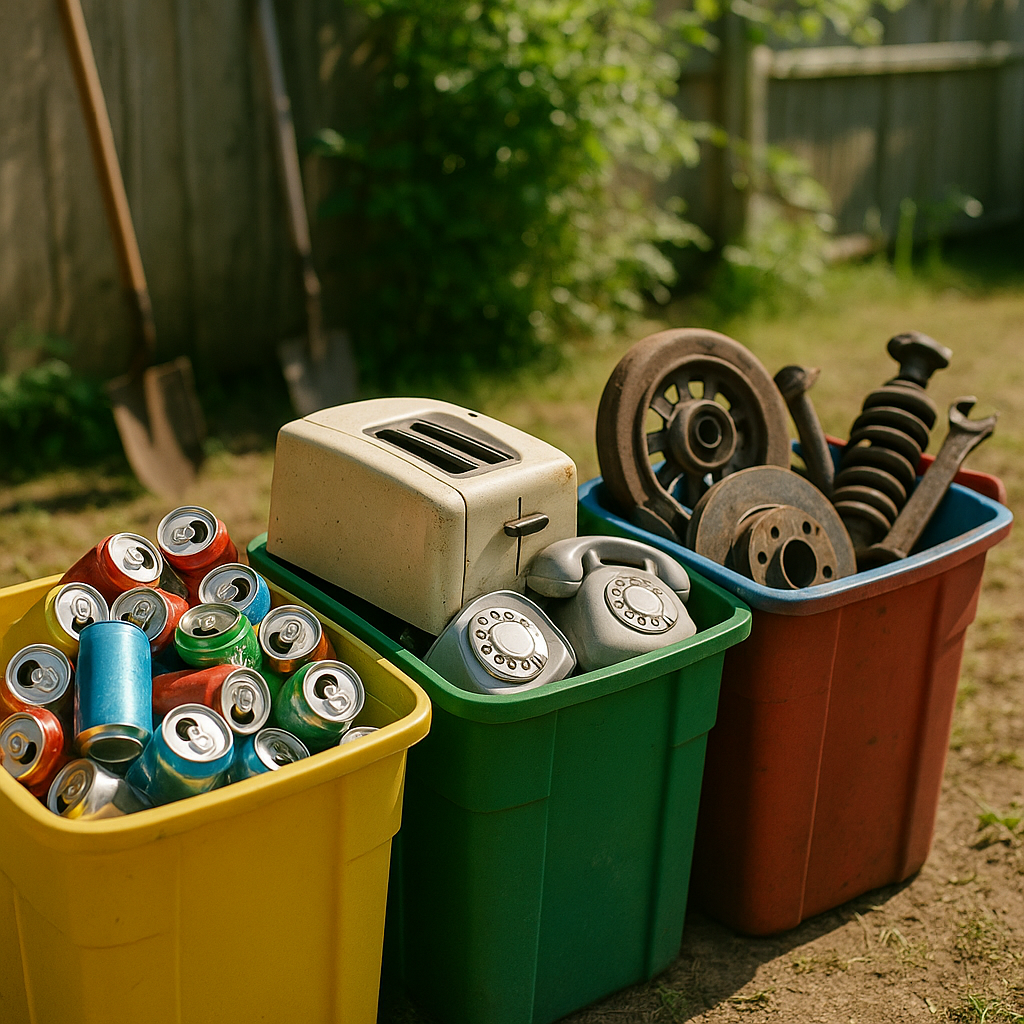
Modern recycling centers accept a diverse range of materials that would otherwise occupy valuable landfill space. Knowing which items can be recycled helps organizations optimize waste diversion efforts and support a sustainable circular economy.
Household Appliances and Large Fixtures
Major household appliances offer significant recycling potential. Washers, dryers, refrigerators, and dishwashers contain valuable metals that can be recovered and reused. These appliances often include steel, aluminum, and copper components that maintain their quality through multiple recycling cycles.
Aluminum lawn furniture, cast iron sinks, and other metal fixtures are also eligible for appliance recycling programs. The steel industry recycles approximately 70 million tons of domestic scrap annually, making steel one of the most successfully recycled materials worldwide.
Vehicle and Automotive Components
Vehicle recycling includes complete automobiles, trucks, and individual parts. Salvaged vehicles provide substantial material recovery opportunities, yielding steel, aluminum, copper, and other valuable metals. Car batteries deserve special attention due to their high recycling success rate.
Lead-acid batteries achieve a remarkable 99% recycling rate according to EPA data. This exceptional performance shows how effective collection systems can lead to near-total material recovery for specific waste streams.
Electronics and E-Scrap
Electronics recycling involves laptops, desktop computers, servers, and components. E-scrap contains precious metals like gold, silver, and platinum, alongside base metals such as copper and aluminum. These materials retain significant value when properly processed.
Electronic devices require specialized handling due to their complex composition. Components that cannot be refurbished are disassembled, and their materials are sorted for use in manufacturing new products. This process supports the increasing demand for recycled content in electronics manufacturing.
Construction and Industrial Materials
Professional demolition services generate substantial quantities of recyclable materials. Construction and demolition waste includes concrete, steel beams, copper wiring, and various metal fixtures. Industrial scrap includes manufacturing byproducts, equipment components, and process materials. Recycled steel requires significantly less energy to process compared to producing new material, reducing both costs and environmental impact for construction companies.
What to Expect During Your Facility Visit
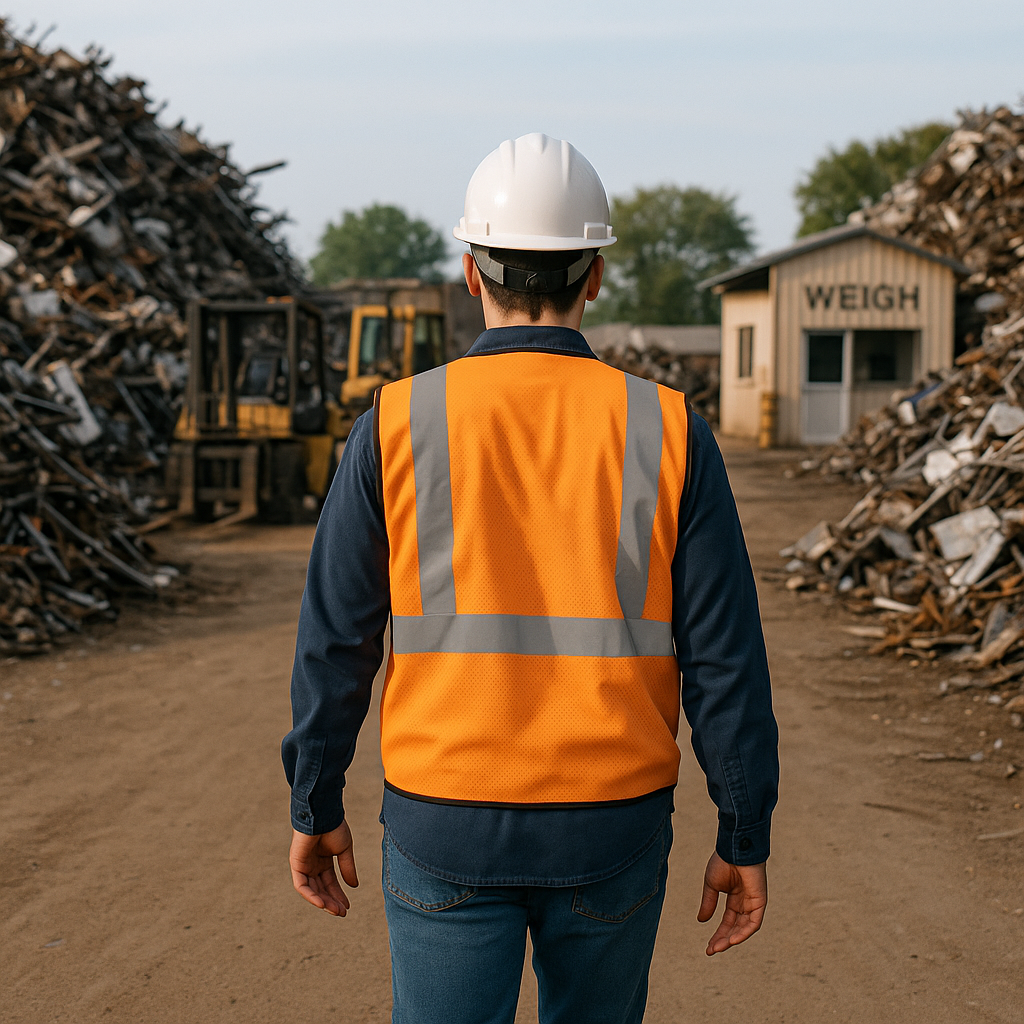
The facility process is designed for efficiency and transparency. Upon arriving, you will notice that the metal recycling workflow is optimized for quick material handling, accurate valuation, and proper documentation.
Your visit typically unfolds in four main steps. First, separate your materials by metal type before arrival to expedite processing. Second, bring a current, valid government-issued picture ID as this documentation is required by law for all transactions. Third, proceed through a weighing station where certified scales determine your material’s exact weight. Fourth, receive payment based on current market prices for your specific commodities.
The weighing process utilizes state-certified scales to measure three distinct weights for accuracy. Your gross weight includes your vehicle and materials, while the tare weight represents your empty vehicle after unloading. The net weight determines your actual scrap metal quantity and forms the basis for payment calculations.
Payment calculations reflect real-time market conditions for each metal type. We verify metal grades during inspection to ensure you receive appropriate compensation for higher-quality materials. Documentation requirements may extend beyond basic identification; many states mandate detailed transaction records to ensure a secure and regulated recycling environment.
The Environmental Impact of Large-Scale Metal Recovery
The environmental benefits of metal recycling extend far beyond reducing the size of local landfills. Industrial recycling serves as a primary method for reducing the global carbon footprint of the manufacturing sector.
Energy Conservation and Emission Reductions
Creating metal products from recycled scrap requires a fraction of the energy needed to produce them from virgin ore. For example, recycling aluminum saves 95% of the energy required for primary production. Similarly, recycling steel reduces energy consumption by approximately 60%. These energy savings translate directly into lower greenhouse gas emissions, making scrap recovery one of the most effective tools in the fight against industrial pollution.
Preserving Natural Resources and Habitats
Every ton of recycled steel prevents the mining of 2,500 pounds of iron ore, 1,400 pounds of coal, and 120 pounds of limestone. By choosing to recycle, industries reduce the demand for new mining operations, which often lead to deforestation, soil erosion, and water contamination. Sustainable recycling ensures that finite natural resources are preserved for future generations while maintaining the supply chains necessary for modern infrastructure.
Maximizing Commercial Returns Through Industrial Recycling Programs
For businesses, contractors, and manufacturers, scrap metal management is a critical component of operational efficiency. A professional recycling partnership can turn a waste stream into a revenue center.
Customized Container and Logistics Solutions
High-volume scrap generators benefit from tailored logistics. Professional facilities provide various container sizes, from small bins for machine shops to large roll-offs for major demolition sites. These solutions ensure that scrap is collected safely and efficiently without interrupting daily operations. Scheduled pickups and real-time weight reporting allow businesses to track their recycling volume and financial returns with precision.
Transparency and Market-Based Pricing
The key to a successful industrial recycling program is transparency. Premier recyclers provide detailed settlements that break down the weight and grade of every load. By providing competitive, market-based pricing, these facilities ensure that commercial partners receive the maximum value for their materials. This financial recovery can be reinvested into business operations, providing a competitive edge in today’s resource-conscious economy.
Conclusion: The Value of Professional Scrap Management

Recycling scrap metal offers substantial benefits for both your bottom line and the environment. The financial rewards are immediate and tangible, as recycling centers provide fair compensation for materials like aluminum, steel, copper, and brass. Beyond the monetary gains, metal recycling contributes to sustainability by conserving natural resources and significantly reducing energy consumption.
Whether you have old appliances, construction materials, or industrial scrap, partnering with an experienced recycling facility ensures proper processing and maximum value recovery. These practices support environmental conservation and the circular economy through responsible waste management.
For professional scrap metal solutions, customized industrial programs, and competitive pricing, contact Okon Recycling at 214-717-4083 for all your recycling needs.
Send Us a Message
Questions about what we do? Interested in commercial services? Let us know below and a member of our team will get back to you.