5901 Botham Jean Blvd, Dallas, TX 75215
What are the Options for Scrap Metal Services in Hutchinson County?
December 31, 2025Finding reliable scrap metal services in Hutchinson County is crucial for individuals and businesses aiming to recycle materials responsibly while maximizing the value of their scrap. According to the Texas Department of Public Safety, registered metal recycling entities serve the region, providing essential local options for processing and demolition needs.
Professional recycling facilities offer waste management solutions for both residential and commercial clients throughout Hutchinson County. These services typically specialize in industrial-grade processing and large-scale demolition services in addition to traditional scrap metal collection.
Access to local metal recycling services helps municipalities and businesses manage their waste streams more effectively while supporting the circular economy. These services reduce landfill burden and create value from materials that would otherwise become waste. Local recycling options also minimize transportation costs and environmental impact compared to hauling materials to distant facilities.
High-Volume Scrap Metal Recycling in Hutchinson County
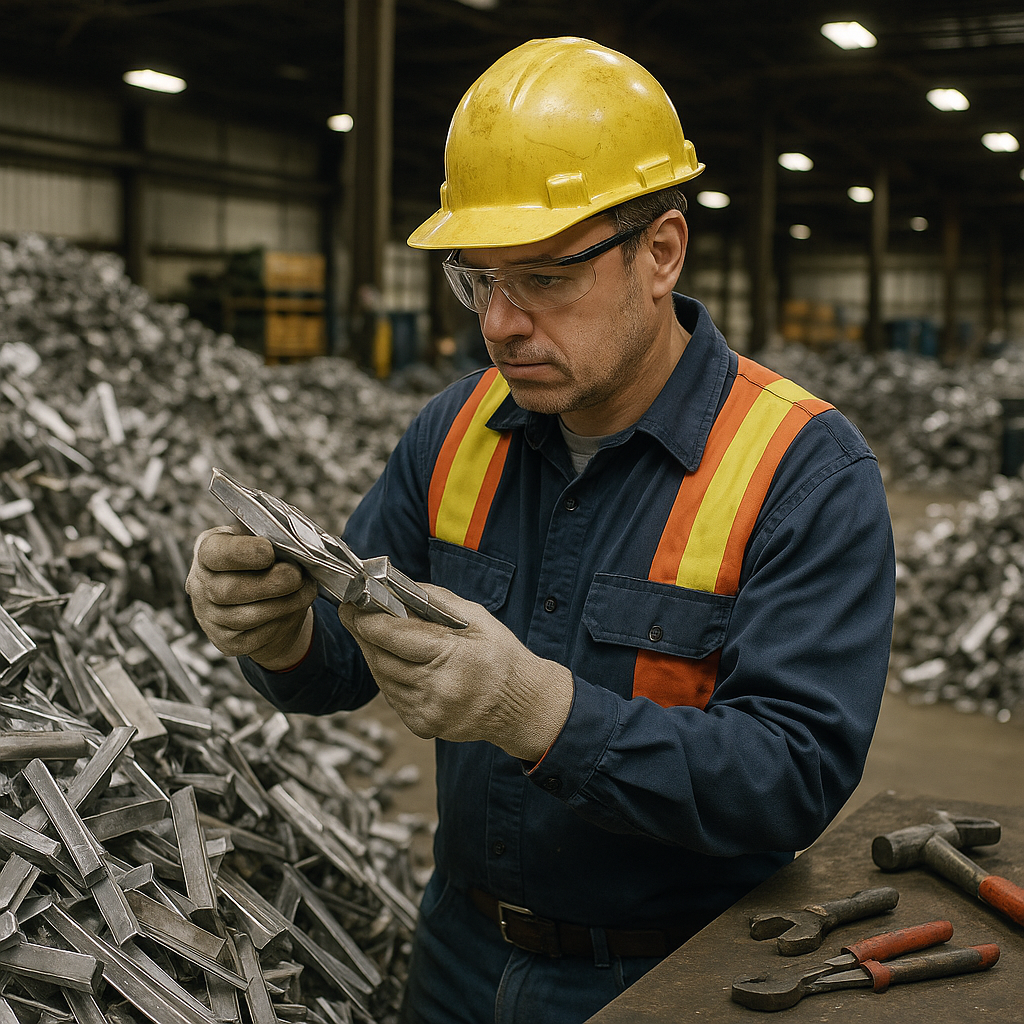
Hutchinson County remains a hub for industrial activity, making efficient scrap metal recovery a priority for local operations. Registered recycling entities in the region provide comprehensive services, including scrap metal processing and heavy demolition, to businesses and residents throughout Borger and the surrounding areas.
Strategic positioning near industrial corridors allows these facilities to serve the greater Hutchinson County area effectively. Modern recycling operations prioritize compliance with state regulations and maintain high service standards for various metal processing needs, ensuring that every ton of material is handled with environmental integrity.
Specialized facilities process both ferrous and non-ferrous metals, accepting materials from automotive parts, construction debris, industrial equipment, and household metal items. Professional demolition services often complement these recycling operations, providing a turnkey solution for projects requiring both structure removal and material recovery.
For businesses looking for a partner with deep expertise in high-volume industrial recycling, Okon Recycling provides the infrastructure and transparency needed to manage complex waste streams. While local options exist for small-scale drop-offs, industrial partners often require the sophisticated logistics and global market reach that a premier recycler provides.
Standard Services at a Professional Scrap Metal Facility
Scrap metal recycling facilities offer a range of services tailored to the needs of municipalities, businesses, and industrial operations. These facilities play a crucial role in the circular economy by converting waste materials into valuable resources. Understanding the full range of available services helps organizations make informed decisions about their metal recycling partnerships.
Metal Purchasing and Processing
Most facilities purchase both ferrous and non-ferrous metals. Ferrous metals include steel, iron, and cast iron materials commonly found in construction debris and automotive applications. Non-ferrous metals such as aluminum, copper, brass, and stainless steel typically command higher market prices due to their superior properties and widespread industrial demand.
Professional facilities use advanced sorting technologies, including magnets, spectrometers, and visual identification systems. These tools ensure accurate material classification and maximize recovery rates. Processing capabilities often include shredding, shearing, and torching services to prepare materials for efficient melting and purification.
Container and Transportation Solutions
Roll-off container services are a key offering for larger projects and ongoing operations. Facilities provide various container sizes, including bins, hoppers, tubs, and specialized containers to match specific project requirements. This service is especially valuable for demolition jobs, construction sites, and industrial accounts with regular scrap generation.
Many facilities offer both scheduled pickup services and flexible drop-off options. Transportation logistics go beyond basic collection, including rail, ocean, and truckload transfers for large-scale operations. These comprehensive logistics solutions streamline the entire recycling process from collection point to final processing.
Specialized Recycling Programs
Electronics recycling has become increasingly important as businesses upgrade technology infrastructure. Facilities equipped to handle electronic waste employ specialized extraction techniques to recover valuable metals from circuit boards, wiring, and components. This service requires certified recycling practices to ensure proper handling of potentially hazardous materials.
Appliance recycling services address the growing volume of discarded refrigerators, washing machines, and other household equipment. These programs often include proper refrigerant recovery and component separation to maximize material recovery. Some facilities also offer railcar dismantling and specialized industrial equipment processing for large-scale operations.
| Ferrous Metal Recycling | Steel, iron, and cast iron from construction debris and automotive applications. |
| Non-Ferrous Metal Recycling | Aluminum, copper, brass, and stainless steel; higher market prices due to superior properties. |
| Container Solutions | Roll-off container services for demolition jobs and construction sites; includes rail and truckload transfers. |
| Electronics Recycling | Recovery of metals from circuit boards and wiring; requires certified handling practices. |
| Appliance Recycling | Refrigerant recovery and component separation for household and industrial equipment. |
| Industrial Management | Customized service packages for manufacturing operations and construction companies. |
Environmental Impact and Economic Benefits of Metal Recycling
The decision to recycle metal extends far beyond simple waste management. It is a cornerstone of environmental conservation and a significant driver of economic stability within the manufacturing sector.
Conserving Natural Resources
Mining for virgin ores is an energy-intensive process that frequently results in habitat destruction and significant carbon emissions. By utilizing recycled scrap metal, the need for new mining operations is drastically reduced. For example, recycling aluminum saves roughly 95% of the energy required to produce the same amount of metal from raw bauxite ore. This massive energy saving contributes directly to a reduction in greenhouse gas emissions.
Economic Incentives for Businesses
For industrial operations, scrap metal is not waste—it is an asset. Establishing a professional recycling program allows businesses to recapture costs and improve their bottom line. High-volume recyclers provide transparent, market-based pricing, ensuring that companies receive fair value for their materials. Furthermore, efficient on-site scrap management reduces disposal fees and streamlines logistics, making the entire operation more lean and profitable.
Maximizing Value Through Proper Material Preparation
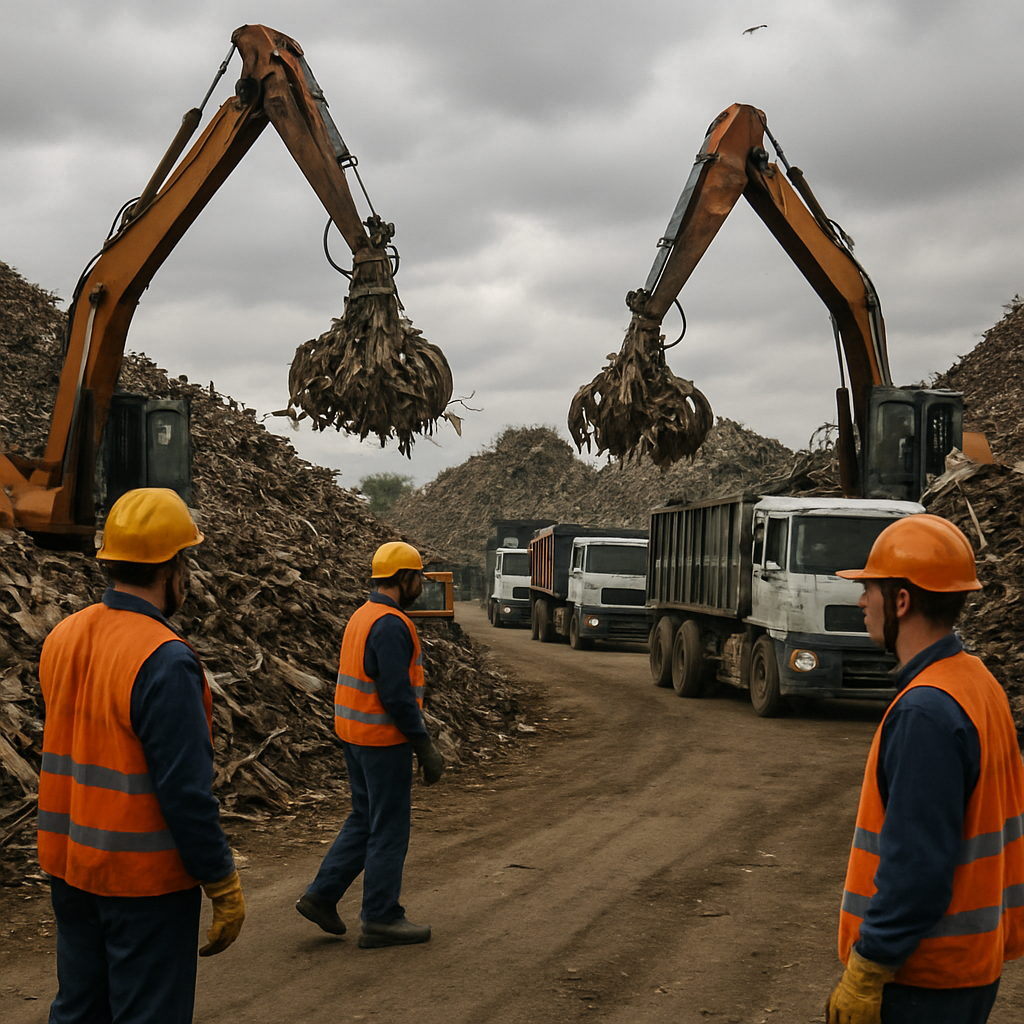
To receive the best return on scrap metal, understanding how to prepare and sort materials is essential. Facilities often offer different price points based on the purity and “cleanliness” of the metal provided.
Sorting Ferrous from Non-Ferrous
The simplest way to increase scrap value is to separate metals by type. A basic magnet test is the most effective tool: if a magnet sticks to the metal, it is ferrous (iron or steel). If it does not, it is likely a more valuable non-ferrous metal like copper or aluminum. Keeping these streams separate prevents “downgrading,” where a load of high-value copper is priced as lower-value mixed scrap because it was contaminated with steel.
Cleaning and Stripping Materials
Material “cleanliness” refers to the absence of non-metal attachments. For instance, “clean” copper tubing that has been stripped of insulation or brass fittings will always command a higher price than “burnt” or insulated wire. Similarly, removing plastic handles, wood, or excessive rubber from metal components can significantly increase the per-pound value. Professional recyclers can provide guidance on which preparation steps are most cost-effective for your specific volume of scrap.
Understanding Market Fluctuations
Metal prices are treated like commodities and fluctuate daily based on global demand, trade policies, and manufacturing needs. Partnering with a large-scale recycler like Okon Recycling ensures access to real-time market data. This transparency allows businesses to time their scrap sales to coincide with market peaks, maximizing the financial recovery of their recycling efforts.
Conclusion: Establishing a Modern Recycling Partnership
Scrap metal recycling provides Hutchinson County residents and businesses with an effective waste management solution while promoting environmental sustainability. By utilizing professional recycling services, community members simplify the disposal process and contribute to resource conservation while reducing landfill waste.
Initiating responsible metal recycling yields lasting benefits for both individual property owners and large-scale industrial operations. For comprehensive recycling solutions, expert guidance on material preparation, and the highest standard of customer service, contact Okon Recycling at 214-717-4083 or visit our contact page today.
Send Us a Message
Questions about what we do? Interested in commercial services? Let us know below and a member of our team will get back to you.