5901 Botham Jean Blvd, Dallas, TX 75215
Why Is Recycling Concrete Mixer Drums a Key Industry Practice?
December 31, 2025Construction sites generate large amounts of concrete waste daily. Traditional disposal methods often direct this valuable material to landfills, wasting resources and overlooking the economic opportunities provided by recycling concrete mixer drums and their contents.
Recycling concrete mixer drums addresses two significant challenges: environmental and economic. As awareness grows, the construction industry is adopting more sustainable practices, with regulations increasingly mandating improved waste management strategies. Concrete recycling offers an attractive alternative to disposal fees and the high costs of virgin materials.
The process involves more than just recovering concrete. Hardened concrete is crushed into aggregate for new construction projects, stationary mixer bodies are repurposed for specialized applications, and replacement mixer drums extend equipment lifecycles. This comprehensive approach fosters a circular economy, transforming construction waste into valuable resources while reducing environmental impact.
Mixer Drum Repurposing for Industrial Applications
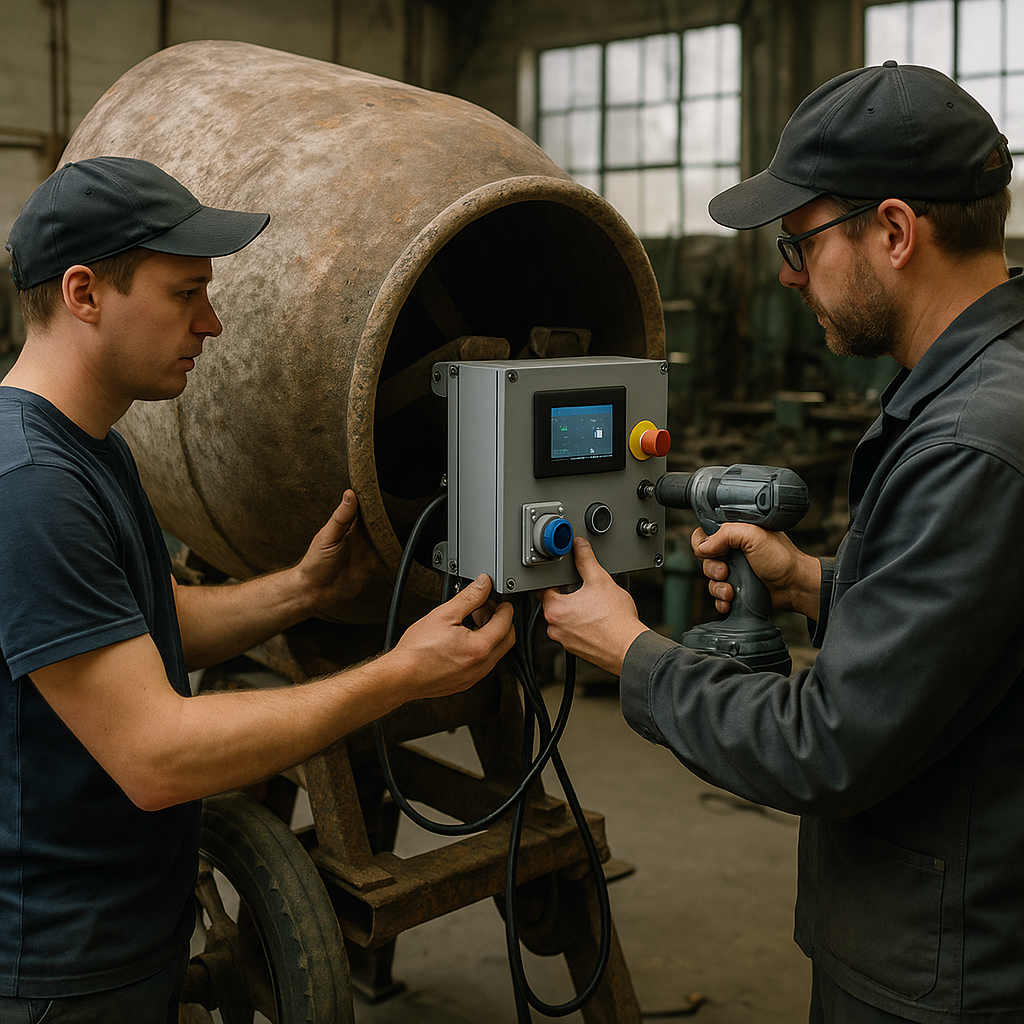
Concrete mixer drums undergo substantial modifications when repurposed for stationary recycling operations. This process involves removing the drum from its original truck chassis and mounting it onto a fixed steel frame designed for continuous operation, transforming it into a dedicated mixing unit rather than a mobile transport vessel.
Mining operations represent a common application for repurposed mixer drums. Underground facilities and quarries often have space constraints that make traditional concrete mixer trucks impractical. A stationary mixer created from a repurposed drum can be positioned in narrow corridors or cramped work areas where wheeled vehicles cannot maneuver effectively.
The technical adaptation involves several key changes. Motor systems replace the original hydraulic drives, ensuring consistent power for extended mixing cycles. Control panels and electrical systems are integrated, allowing operators to manage mixing speed, duration, and discharge timing from a centralized location. Additionally, specialized inlet chutes and discharge mechanisms are installed to accommodate the specific materials processed in recycling operations.
These repurposed units excel in applications requiring consistent material blending over extended periods. Unlike mobile mixers intended for transport and quick discharge, stationary mixer drums can handle continuous feed operations. This capability is particularly valuable in recycling facilities processing crushed concrete, reclaimed asphalt, or other aggregate materials that require thorough mixing with binding agents.
Mixer accessories are crucial in optimizing these repurposed systems. Professional recycling partners supply specialized paddles, baffles, and discharge gates designed specifically for recycling applications. These components ensure proper material flow and mixing efficiency when processing recycled aggregates, which may have different characteristics than fresh concrete ingredients.
The Standard Process for Recycling Hardened Concrete
Initial Material Collection and Preparation
The concrete recycling process begins with collecting concrete debris from demolition projects, which is the primary source of recyclable concrete in waste management. Most concrete arrives at processing facilities already separated from other construction materials, although some sorting may still be necessary.
Before crushing can begin, the concrete must be thoroughly cleaned of all contaminants. Workers remove trash, wood pieces, and paper that may have mixed with the concrete during demolition. This initial cleaning step is crucial for producing high-quality Recycled Concrete Aggregate (RCA) that meets industry standards.
Metal Removal and Separation
The next step involves removing all metal components, particularly rebar, from the concrete debris. Processing facilities use powerful magnets and specialized separation equipment to efficiently extract these metals. The removed rebar and other metals are collected separately for their own recycling processes.
This metal removal step serves two important purposes: it prevents damage to crushing equipment and ensures that the final aggregate product is free from metal contamination, maintaining performance in new applications.
Crushing and Size Reduction
Once cleaned and stripped of metals, the concrete is moved to the crushing stage. Industrial crushing machines break down large concrete pieces into smaller, more manageable sizes. Various crusher types can produce different aggregate sizes depending on the intended use of the material.
The crushing process can occur at dedicated processing facilities or directly at construction sites using portable crushers. On-site crushing reduces transportation costs and environmental impact while providing immediate access to recycled materials. Large portable plants can process up to 600 tons per hour, while smaller units handle up to 150 tons per hour.
Screening and Final Processing
After crushing, the material passes through screening equipment that sorts the aggregate by size. These screens remove fine particles and dirt while separating the aggregate into different size classifications. This sorting process ensures that each grade of Recycled Concrete Aggregate meets specific size requirements for various applications.
The final screening step also removes any remaining particulates through methods like hand-picking and water flotation. This produces clean, graded RCA ready for use in new construction projects. The entire process transforms demolition waste into valuable construction materials, supporting sustainable building practices throughout the industry.
Standard Applications for Recycled Concrete Aggregate
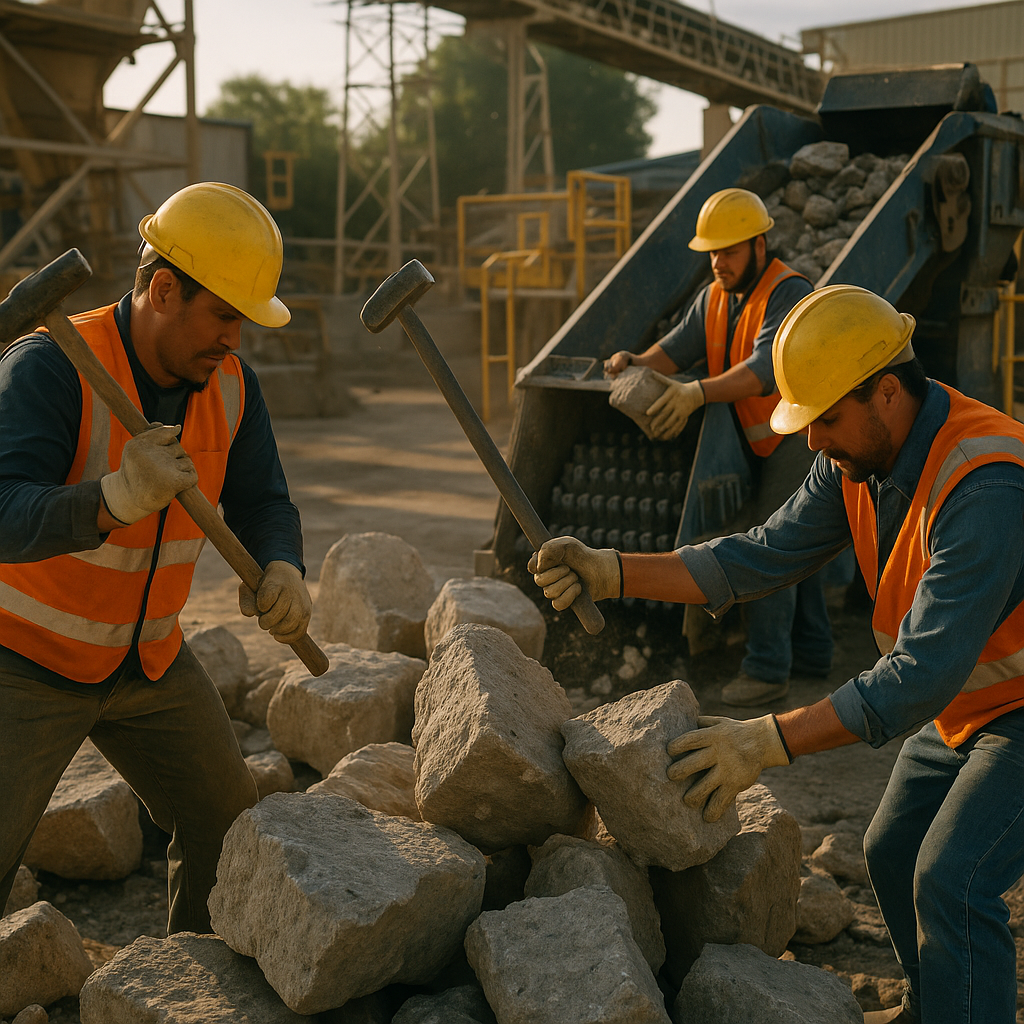
Recycled Concrete Aggregate is versatile across many construction applications. Its proven performance makes it suitable for both structural and non-structural uses in commercial and infrastructure projects.
Transportation Infrastructure
An aggregate base course is one of the most common uses for recycled concrete in roadway construction. State transportation agencies often specify RCA for highway base layers because it provides superior load-bearing capacity compared to many virgin aggregates. The residual cementitious properties in crushed concrete enhance structural performance through natural bonding.
Road construction projects benefit from RCA’s angular particle shape and excellent compaction characteristics. Many regions report that recycled concrete outperforms traditional aggregate base materials due to its self-cementing properties. Pavement applications include shoulders, ramps, and full-depth reconstruction projects that require durable materials.
Ready-Mix Concrete Production
RCA is used in ready-mix concrete as a partial replacement for virgin aggregates. Industry standards typically allow up to 100 percent replacement for coarse RCA in many applications, while fine aggregate replacement is limited to about 30 percent to maintain workability. Proper mixture design and quality control are essential.
Concrete producers incorporate recycled concrete into structural applications such as building foundations, parking structures, and commercial flatwork. Performance data shows that well-designed RCA concrete achieves comparable strength and durability to conventional mixtures when mix adjustments account for the material’s higher absorption characteristics.
| Application Type | Typical RCA Replacement Level |
|---|---|
| Road Sub-Base | 80% – 100% |
| Structural Concrete (Coarse) | 20% – 50% |
| Pipe Bedding | 100% |
| Landscape Retaining Walls | 100% |
Utility and Drainage Applications
Pipe bedding applications use recycled concrete aggregate for underground utility installations. Its gradation and drainage properties make it suitable for supporting water, sewer, and telecommunications infrastructure. Proper specification ensures the aggregate meets requirements for pipe support and long-term stability.
Soil stabilization projects employ RCA to enhance load-bearing capacity in areas with poor subgrade conditions. The material’s self-cementing properties contribute to improved base stability over time. Drainage applications include permeable base layers and stormwater management systems where controlled permeability is essential.
Advanced Management of Concrete Waste in Mixer Drums
Automated Washout Systems
Automated washout systems are a major advancement in managing concrete waste within mixer drums. These technologies eliminate the manual labor traditionally required for drum cleaning while significantly improving efficiency and safety. Modern systems utilize recycled water from the plant in a daily low-pressure washout process.
This automated approach reduces concrete build-up by over 85% in just a few minutes. The system operates with a rotating head that spins inside the drum while it remains stationary, maximizing safety. Multiple pressure nozzles clean both sides of the blades during a precisely timed five-minute power wash cycle, focusing on the rear section for thorough cleaning every time.
High-Pressure Washing and Water Conservation
Advanced concrete truck wash systems use high-pressure nozzles delivering 1,200 PSI water jets to clean mixer drums thoroughly. These systems complete cleaning in 45 to 60 seconds, using approximately 130 liters of water—a significant reduction compared to traditional manual methods that consume 600 to 2,400 liters per cycle.
Water recycling capabilities enhance the environmental benefits of these systems. By utilizing recycled water from concrete plant operations, facilities reduce overall water consumption while maintaining cleaning effectiveness. Reduced water usage also decreases the volume of wastewater requiring treatment and disposal.
Operational and Safety Benefits
Automated drum cleaning technology offers substantial operational improvements beyond waste reduction. The elimination of manual cleaning processes reduces chipping costs by preventing hardened concrete accumulation. Clean interior surfaces result in increased drum capacity, allowing mixers to carry maximum payloads without weight penalties from concrete buildup.
Safety improvements are another critical benefit. Traditional drum cleaning required drivers to exit vehicles in high-traffic areas and climb wet ladders. Automated systems eliminate these hazardous activities by keeping drivers safely in their cabs throughout the cleaning process. The reduced need for dangerous cleaning chemicals further enhances workplace safety.
Quality Control and Testing of Recycled Aggregates
For recycled concrete to be effective in high-stakes construction projects, rigorous testing is required. Quality control ensures that RCA performs predictably under structural loads and environmental stress.
Physical and Mechanical Testing
Engineers subject RCA to various tests, including Los Angeles (LA) Abrasion tests, which measure the aggregate’s resistance to crushing and degradation. Because recycled concrete often contains old mortar attached to the original stone, it may have a higher absorption rate than virgin aggregate. Testing for specific gravity and absorption is essential to adjust the water-cement ratio in new concrete mixtures accurately.
Chemical and Environmental Durability
Environmental testing ensures the recycled material is free from chlorides or sulfates that could lead to rebar corrosion or concrete “cancer” (alkali-silica reaction). By verifying the chemical composition of the demolition waste, recycling facilities can certify that their RCA is safe for use in reinforced concrete structures, extending the lifespan of new infrastructure.
The Economic Value of Industrial Scrap and Metal Recovery
While the concrete itself is a valuable resource, the industrial metals recovered during the recycling process represent a significant secondary revenue stream for construction and demolition firms.
Rebar and Structural Steel Recovery
Demolition concrete is often heavily reinforced with rebar and steel mesh. Professional recycling facilities prioritize the clean extraction of these metals. Once separated by magnetic systems, this scrap steel is processed and sold to steel mills. Recovering these metals doesn’t just lower disposal costs—it provides a direct financial return that can offset the expenses of the demolition project itself.
Managing High-Volume Industrial Scrap
For large-scale construction firms, managing the sheer volume of scrap metal and concrete requires a dedicated partner. Industrial recycling programs provide specialized containers and logistics to handle the weight and scale of concrete-heavy demolition. By centralizing the recovery of both the aggregate and the embedded metals, businesses can achieve a more efficient, profitable, and sustainable job site.
Conclusion: Embracing Sustainable Concrete Practices
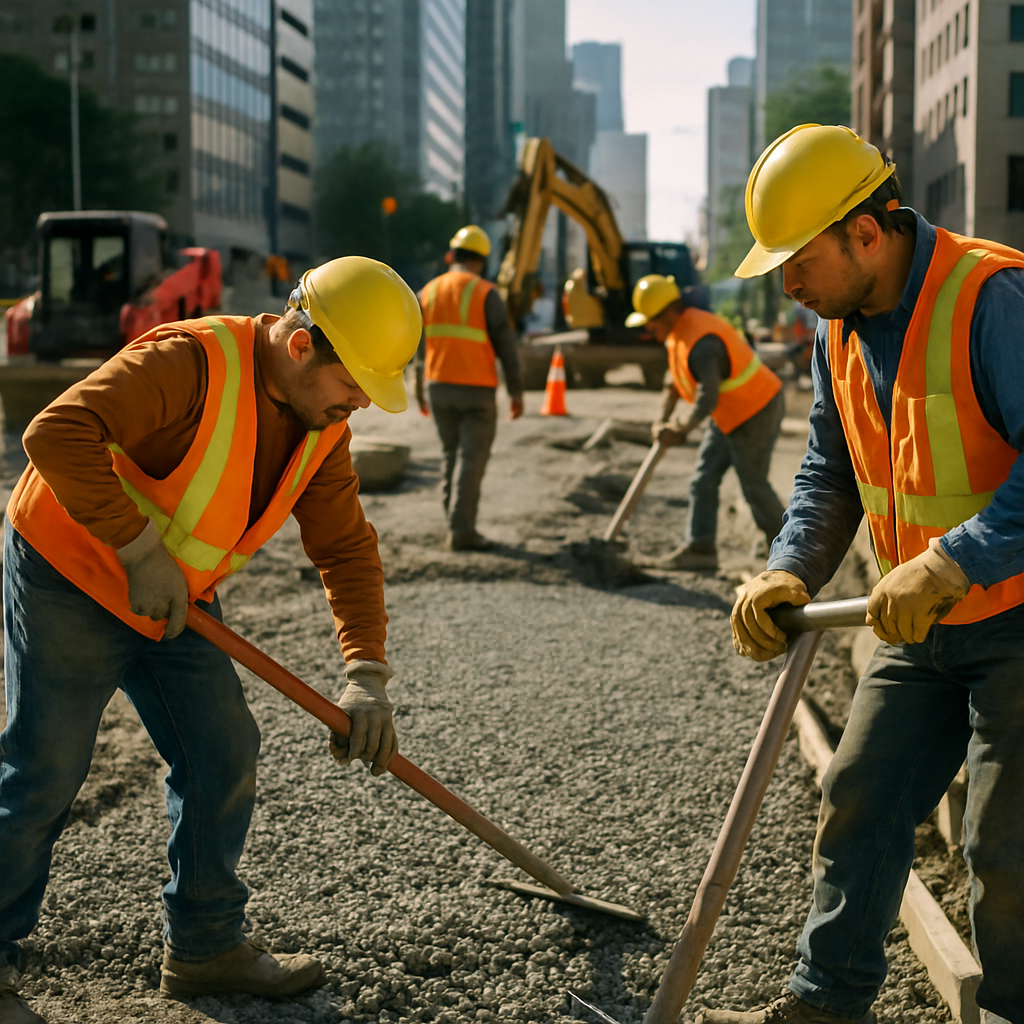
Recycling concrete mixer drums and their contents offers substantial environmental and economic benefits for the construction industry. The process of crushing concrete into reusable aggregate for new projects, repurposing mixer bodies for stationary applications, and implementing automated washout systems marks a fundamental shift toward sustainable operations. These methods significantly reduce construction and demolition waste sent to landfills while conserving natural resources.
The circular economy principles demonstrated through concrete recycling create operational efficiencies that extend beyond immediate cost savings. Companies that adopt these sustainable practices position themselves advantageously as environmental regulations tighten and resource exploitation becomes increasingly costly. Transitioning from traditional disposal methods to comprehensive recycling systems reduces energy consumption and supports long-term industry sustainability.
For organizations ready to implement sustainable concrete practices and maximize their recycling potential, contact Okon Recycling at 214-717-4083.
Send Us a Message
Questions about what we do? Interested in commercial services? Let us know below and a member of our team will get back to you.