5901 Botham Jean Blvd, Dallas, TX 75215
Why Recycling CNC Machining Chips Is a Critical Part of Sustainable Manufacturing
January 10, 2026Each year, CNC machining operations generate millions of tons of metal chips, which are often treated as a disposal burden. These shavings represent a substantial untapped resource. By converting these chips back into usable industrial feedstock, manufacturers can unlock significant value while substantially reducing the environmental impact of precision manufacturing in 2026.
Recycling CNC machining chips is crucial for sustainable manufacturing, conserving natural resources and minimizing energy consumption. Research shows that recycling aluminum uses only about 5 percent of the energy required for primary production, making material recovery from machining chips a powerful tool for green manufacturing. This circular economy approach treats metal chips as valuable raw material, supporting zero-waste CNC operations.
The CNC industry faces increasing pressure to adopt cleaner, more efficient production methods. Modern technologies now incorporate advanced automation and energy-efficient systems to optimize material usage. These innovations, along with professional recycling programs, form comprehensive sustainability strategies. By embracing chip recycling, manufacturers can reduce waste disposal costs, lower their carbon footprint and enhance material recovery efforts.
What Are the Main Economic and Environmental Benefits of Recycling Metal Scraps?
Metal scrap recycling offers considerable environmental advantages, mainly through substantial energy savings. For instance, recycling steel uses about 60 percent less energy than utilizing virgin materials. These energy savings directly reduce greenhouse gas emissions, comparable to removing millions of cars from the roads each year.
Resource Conservation and Water Protection
Another critical environmental benefit is resource conservation. Mining for raw metals damages ecosystems and consumes vast amounts of water and energy. Professional recycling avoids these harmful extraction processes entirely. Metal recycling also conserves water, using up to 40 percent less water than traditional mining and refining operations. This help preserves finite water resources and protects local systems from mining-related contamination.
Economic Advantages of Metal Scrap Recovery
Cost savings drive many organizations to adopt metal scrap recycling programs. These programs reduce expenses associated with purchasing virgin materials and decrease waste disposal fees. Manufacturers benefit from a consistent supply of recycled metals at competitive prices. Recycled materials often cost significantly less than virgin alternatives while maintaining similar quality standards, helping companies lower production costs and improve profit margins.
| Metal Type | Energy Savings | CO2 Reduction | Primary Benefit |
|---|---|---|---|
| Aluminum Chips | 95% | High | 95% Energy Reduction |
| Steel Turnings | 60-74% | Moderate | Conservation of Iron Ore |
| Copper Shavings | 85% | High | Preservation of Grade-A Copper |
| Titanium Swarf | 70% | Very High | Reduction in Processing Costs |
Industrial Best Practices: Managing Coolant and Swarf Segregation
To maximize the payout for CNC chips, industrial facilities must move beyond simple collection. The value of the scrap is determined by its purity and its moisture content. Implementing a structured management system at the source is the single most effective way to increase the ROI of your waste stream.
The Importance of Centrifuging and Briquetting
Machining chips are typically saturated with cutting fluids and coolants. In a professional recycling environment, “wet” chips are worth significantly less than “dry” chips due to the weight of the fluid and the environmental hazards of transportation. High-volume facilities utilize chip centrifuges (wringers) to spin off the coolant, which can then be filtered and reused in the CNC machines. Furthermore, briquetters can compress loose chips into dense pucks, which reduces the surface area (lowering oxidation) and makes the material much more desirable for foundry melting.
Swarf Segregation Protocols
Mixing different alloys is the quickest way to devalue CNC scrap. If 6061 aluminum chips are mixed with 7075 series swarf, the entire load is often graded at the lowest value. Professional facilities implement color-coded bin systems and clear signage at every CNC station. Training employees to maintain alloy integrity ensures that the facility captures the maximum market grade, particularly for high-value aerospace or medical alloys.
How Does Modern CNC Technology Optimize the Chip Recycling Process?
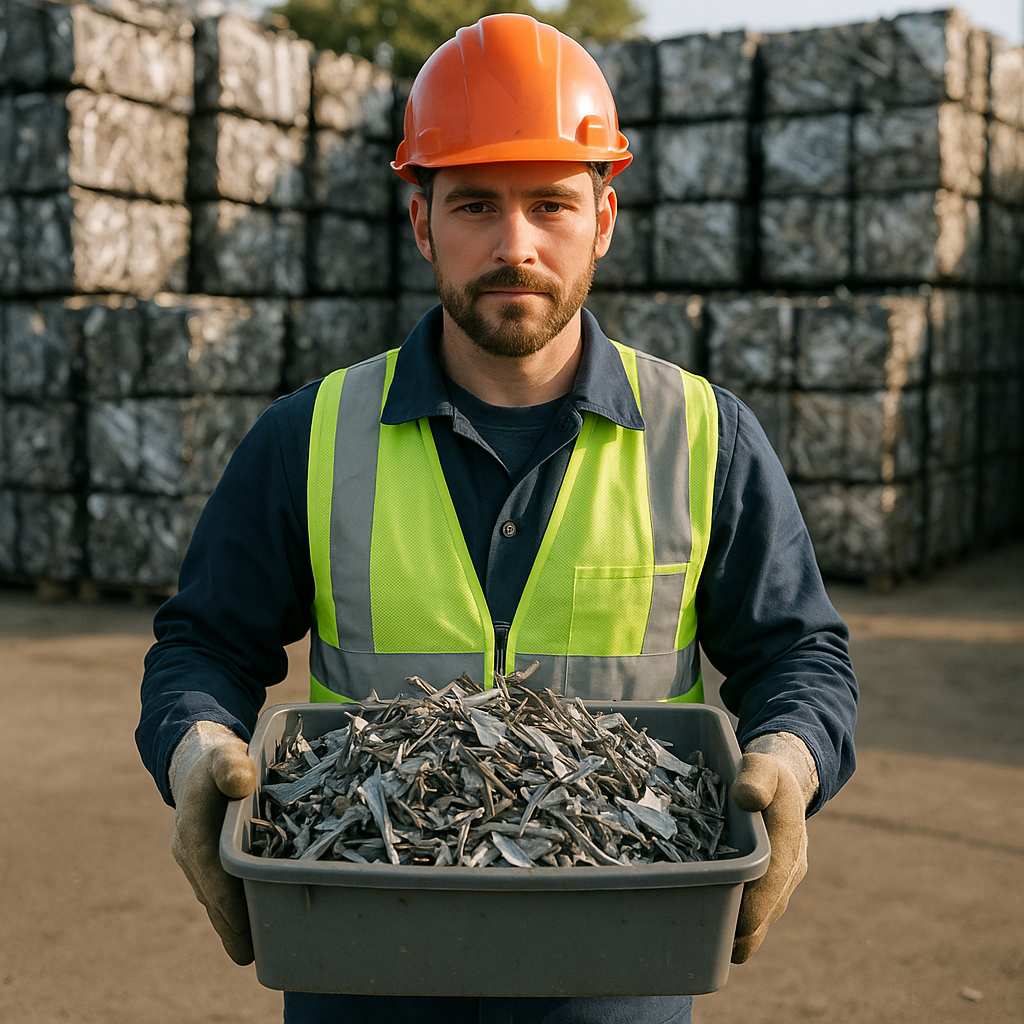
Modern CNC technology enhances metal chip recycling through automation systems that minimize human error. These systems enable the recycling of machining fluids and chips directly within the production cycle, reducing waste while maintaining high recovery rates.
Smart systems continuously monitor cutting forces, temperatures and vibrations during material processing. By making real-time adjustments, they optimize machining conditions automatically, preventing material loss and ensuring maximum recovery from each processing cycle.
Precision Cutting and Material Recovery
Adaptive machining significantly improves chip recycling efficiency by adjusting cutting parameters based on real-time material feedback. Micro-machining techniques achieve exceptional precision, reducing waste by targeting specific material removal patterns. Cryogenic machining controls heat generation to preserve material integrity during processing. By maintaining lower temperatures, it prevents material degradation, ensuring recovered materials retain their structural properties for future manufacturing.
Advanced Software and Digital Twins
CAM software calculates cutting paths that minimize waste while maximizing throughput. Simulation tools enable operators to test processing strategies before handling materials. These virtual tests identify potential waste points and inefficiencies, reducing the material loss typically associated with trial-and-error approaches during setup. Digital simulation tools refine cutting strategies prior to material recycling, ensuring each cycle achieves maximum material recovery with minimal energy use.
Advanced PURIFICATION: Removing Tramp Oils and Fine Particulates
In 2026, the threshold for “clean scrap” has become much higher. Foundries and smelters now demand metal chips that are free from tramp oils and cross-contamination. This section explores how industrial recyclers process machining waste into premium feedstock.
Magnetic and Eddy Current Separation
To ensure purity, modern recovery lines utilize multi-stage separation. High-intensity magnetic drums remove any ferrous “tramp” metal—such as broken drill bits or steel chips—that may have accidentally entered an aluminum stream. For non-ferrous separation, Eddy Current Separators are used to repel aluminum and copper chips away from non-metallic contaminants, ensuring the resulting metal is furnace-ready.
Thermal Degreasing and De-oiling
For chips that cannot be fully cleaned by centrifugal force, thermal de-oiling is used. The chips are passed through a low-temperature rotary kiln that vaporizes the oils without melting the metal. This process is essential for aerospace-grade recycling, where even a small amount of residual carbon from burnt oil can affect the structural integrity of the final alloy melt. By providing this level of purification, recyclers can offer manufacturers a premium “clean chip” rate that far exceeds standard scrap prices.
What Are the Primary Challenges in Recycling CNC Machining Chips?
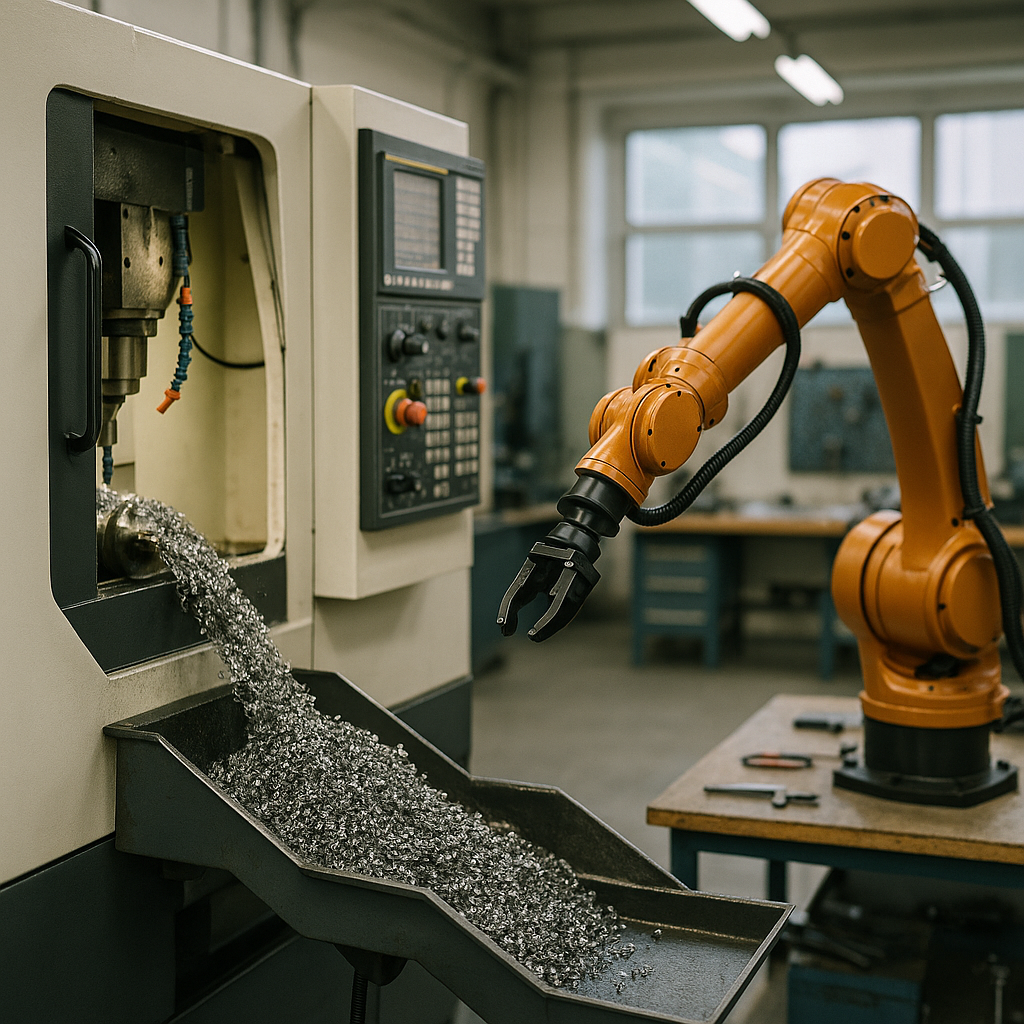
Recycling CNC machining chips presents technical and operational challenges that can affect the quality and efficiency of the recovered materials. These challenges stem from the intricate nature of machining processes and the diverse materials used in modern manufacturing.
Contamination and Alloy Separation
Metal chips often become contaminated as cutting fluids and oils coat their surfaces. Chemical contaminants from machining add further purification challenges that may alter the structure of recycled materials. Furthermore, different alloy compositions complicate recovery. Mixed aluminum grades with varying silicon or copper contents necessitate sophisticated sorting. Current sorting methods struggle to distinguish between similar alloys; manual sorting is prone to errors, and automated systems require frequent calibration to maintain precision.
Impurity and Morphology Challenges
High impurity levels can render recycled materials unsuitable for high-performance applications. Iron contamination from steel tooling poses particular challenges for aluminum recycling. Additionally, oxide layers form naturally on aluminum chip surfaces when exposed to air, interfering with chip bonding in certain recycling processes. Variations in chip shape also complicate processing; continuous spiral chips behave differently than fragmented milling chips, affecting the overall efficiency of the sorting line.
Conclusion: The Future of Sustainable CNC Machining
The transformation of CNC machining chip management marks a significant shift in manufacturing strategy. Once considered a disposal challenge, it has evolved into a competitive advantage through engineering optimization and the adoption of circular systems. Modern manufacturers recognize that zero-waste strategies provide measurable returns by reducing material costs, enhancing operational efficiency and ensuring regulatory compliance.
The integration of automation, advanced sorting technologies and innovative processing techniques creates value streams that support both environmental stewardship and financial performance. Manufacturers seeking to optimize their CNC machining waste streams and implement effective recycling solutions should contact Okon Recycling at 214-717-4083 to discover how our expertise can transform your manufacturing ecosystem into a more efficient and sustainable operation.
Send Us a Message
Questions about what we do? Interested in commercial services? Let us know below and a member of our team will get back to you.