5901 Botham Jean Blvd, Dallas, TX 75215
Industrial Scrap Metal in the Golden Triangle: Aluminum Dynamics and Petrochemical Recovery
December 22, 2025The term “Golden Triangle” can sometimes generate confusion in industrial circles as it refers to multiple regional industrial hubs across the United States. In the recovery sector, Golden Triangle industrial metal recovery specifically involves operations in Mississippi and Southeast Texas.
This form of material recovery represents a concentrated network of scrap metal processing facilities and waste management services within these key areas. Local industrial groups promote business development in Southeast Texas, while recovery specialists in Columbus, Mississippi, handle the reclamation of ferrous and nonferrous materials. These operations support manufacturing plants, demolition contractors, and municipal waste management programs.
This regional approach to metal recovery creates significant economic value while furthering environmental sustainability goals. Private sector investment has enhanced local capabilities, with Mississippi hosting numerous registered scrap metal dealers processing everything from automotive components to industrial machinery. Southeast Texas operations complement these by serving petrochemical facilities and shipping infrastructure. Together, these regions are vital to America’s circular economy framework.
Metal Recovery Operations in the Mississippi Golden Triangle
Advanced Processing Infrastructure
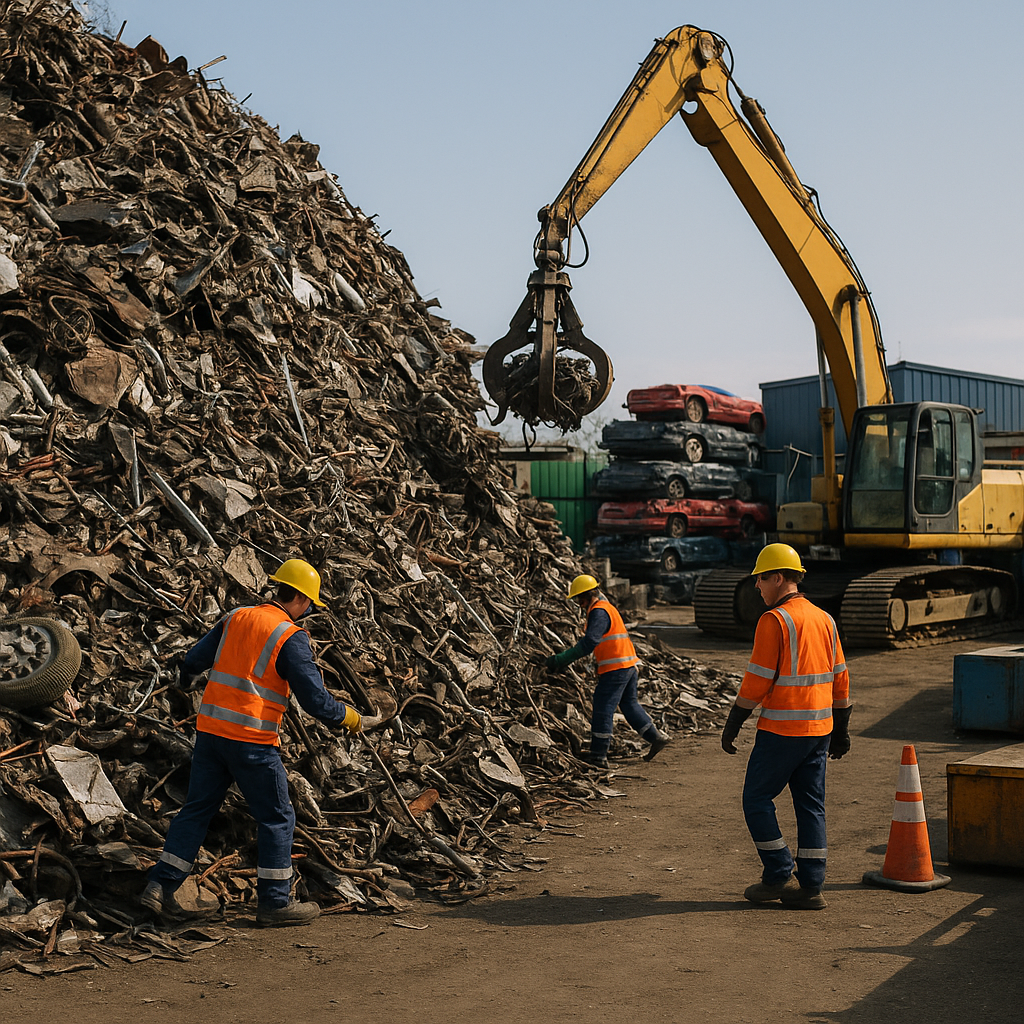
The Mississippi Golden Triangle has emerged as a pivotal center for advanced metal recovery and processing. Significant private sector investments in Columbus have established a robust automated metal processing infrastructure capable of handling up to 250,000 tons of aluminum annually.
Sophisticated recovery operations in the region utilize massive processing facilities to transform raw scrap into automotive components, industrial sheets, and slit coils. Advanced automation technology allows these facilities to accelerate growth in North American automotive and industrial segments.
Integrated Material Management Systems
The region benefits from an integrated approach to metal management, creating closed-loop systems where materials flow seamlessly from production to processing. This minimizes transportation waste and supports energy-efficient, CO2-reduced manufacturing. Local registered scrap metal dealers complement these large-scale operations by handling community-level metal collection and preliminary sorting before materials move to major processing centers.
Strategic Investment and Future Growth
The area’s shift from agriculture to advanced manufacturing illustrates how strategic investment can reshape local recovery capabilities. Recent facility expansions include plans for laser-blanking technology and advanced fabrication services to meet increasing market demand through 2026 and beyond.
Industrial Services in the Southeast Texas Golden Triangle

Business Development and Networking Infrastructure
Professional industrial networking groups serve as the backbone for Southeast Texas operations, connecting industry experts and refinery executives through business development initiatives. These connections enable companies to identify project leads and stay informed about upcoming developments throughout Greater Southeast Texas.
Specialized Environmental and Industrial Services
Specialized industrial services shape the region’s operations, with facilities in Port Arthur focusing on wastewater recovery and industrial equipment cleaning. These services support the complex needs of petrochemical and refining operations. The region’s industrial infrastructure demands specialized maintenance and environmental compliance solutions.
Comprehensive Contractor Services
Major industrial contractors offer comprehensive services across Beaumont, Port Arthur, and Orange. These facilities provide maintenance services, turnkey turnarounds, and construction solutions for refineries and LNG facilities. Specialized services include precision welding, pipe fabrication, NDE inspections, and scaffolding to support large-scale petrochemical operations.
Regional Specialization and Industry Focus
The region’s industrial services prioritize business development and project coordination. A diverse ecosystem of specialty contractors supports ExxonMobil, BASF, Motiva Enterprises, and others. This network contrasts with Mississippi’s metal processing focus, as Southeast Texas emphasizes networking infrastructure and specialized environmental services for the petrochemical sector.
Strategic Advantages of Golden Triangle Operations
The Golden Triangle regions offer unique competitive advantages that make them attractive locations for industrial recovery and processing operations. Understanding these strategic benefits helps explain why companies continue investing heavily in these areas.
Geographic and Logistical Benefits
Both Golden Triangle regions benefit from exceptional transportation infrastructure that facilitates efficient material movement. The Mississippi Golden Triangle provides direct access to major rail lines, interstate highways, and the Tennessee-Tombigbee Waterway, enabling cost-effective shipment of processed materials to manufacturing centers across the Southeast and Midwest.
Southeast Texas offers unparalleled access to Gulf Coast shipping channels and deep-water ports. This proximity to international shipping lanes allows facilities to import raw materials and export finished products efficiently. The region’s extensive pipeline network supports petrochemical operations while rail and highway systems connect inland processing facilities to coastal distribution points.
Workforce Development and Skilled Labor
Local educational institutions and technical colleges in both regions have developed specialized training programs addressing industry needs. Mississippi’s community colleges offer certifications in industrial maintenance, welding, and automated systems operation. These programs create pipelines of qualified workers familiar with modern recovery technologies and safety protocols.
Southeast Texas boasts a mature workforce with decades of experience in heavy industry and petrochemical operations. This experienced labor pool understands the unique demands of hazardous material handling, process safety management, and environmental compliance. Continuing education programs ensure workers maintain current certifications and adapt to evolving industry standards.
Regulatory Environment and Business Climate
Both states offer business-friendly regulatory environments that balance environmental protection with industrial development. Mississippi’s streamlined permitting processes and economic incentives attract companies seeking to expand or establish new recovery operations. State and local governments actively support industrial projects through tax incentives, infrastructure improvements, and workforce development programs.
Texas maintains a reputation for pragmatic regulation that allows industry flexibility while ensuring environmental compliance. The state’s established frameworks for managing industrial waste, emissions, and safety create predictable operating environments. This regulatory clarity helps companies plan long-term investments with confidence about future compliance requirements.
Energy Infrastructure and Utility Access
Energy-intensive recovery operations require reliable, affordable power supplies. The Mississippi Golden Triangle benefits from diverse energy sources including natural gas, nuclear, and renewable generation. Competitive electricity rates make the region attractive for operations requiring significant processing capacity.
Southeast Texas enjoys some of the nation’s lowest industrial electricity rates due to proximity to natural gas production and extensive power generation capacity. Access to process steam, compressed air, and other utilities from neighboring petrochemical facilities creates operational synergies. Some recovery operations integrate directly with refinery utility systems, reducing infrastructure investment requirements.
Technology and Innovation in Metal Recovery
Modern recovery operations in the Golden Triangle regions increasingly incorporate advanced technologies that improve efficiency, safety, and environmental performance. These innovations transform traditional scrap processing into sophisticated manufacturing operations.
Automated Sorting and Processing Systems
Optical sorting technology uses sensors and cameras to identify material types at high speeds, separating mixed scrap streams with unprecedented accuracy. These systems recognize different metal alloys, plastic types, and contaminants, enabling precise material segregation that maximizes value recovery. Automated systems process materials faster than manual sorting while reducing worker exposure to potentially hazardous substances.
Robotic material handling systems manage heavy, awkward items that present safety risks in manual operations. Programmable robots equipped with specialized grippers move materials between processing stages, load and unload equipment, and stack finished products. These automation investments improve workplace safety while increasing processing throughput and consistency.
Advanced Metallurgical Processing
Modern melting and refining technologies allow recovery facilities to produce high-purity metals meeting stringent automotive and aerospace specifications. Induction furnaces and plasma arc systems precisely control temperatures and atmospheres, producing consistent alloy compositions from variable scrap inputs. This processing capability transforms low-value mixed scrap into premium products commanding higher market prices.
Spectrometric analysis equipment provides real-time material composition data, enabling operators to adjust processing parameters dynamically. Handheld and stationary analyzers identify alloy grades, detect contaminants, and verify final product specifications. This analytical capability ensures quality control throughout processing operations while preventing valuable materials from being misclassified.
Environmental Control Technologies
Advanced air pollution control systems capture particulate matter, metal fumes, and volatile organic compounds before they reach the atmosphere. Baghouse filters, electrostatic precipitators, and scrubber systems remove pollutants from exhaust streams, ensuring compliance with air quality standards. Many facilities incorporate heat recovery systems that capture waste heat from furnaces and use it to pre-heat incoming materials or generate process steam.
Water treatment technologies manage process water and stormwater runoff, preventing contamination of local waterways. Closed-loop water systems recycle cooling water and process fluids, minimizing freshwater consumption and wastewater discharge. Oil-water separators, settling basins, and filtration systems remove contaminants before water returns to the environment or enters municipal treatment systems.
Data Analytics and Process Optimization
Digital systems track materials from receipt through final shipment, creating transparency throughout recovery operations. Weight tickets, quality certifications, and inventory records flow through integrated software platforms that provide real-time operational visibility. This data enables managers to identify bottlenecks, optimize equipment utilization, and make informed decisions about resource allocation.
Predictive maintenance systems monitor equipment performance and predict failures before they occur. Sensors track temperature, vibration, power consumption, and other parameters that indicate developing problems. Scheduled maintenance based on actual equipment condition rather than arbitrary time intervals reduces unplanned downtime while extending equipment life.
Materials Processed in the Recovery Industry
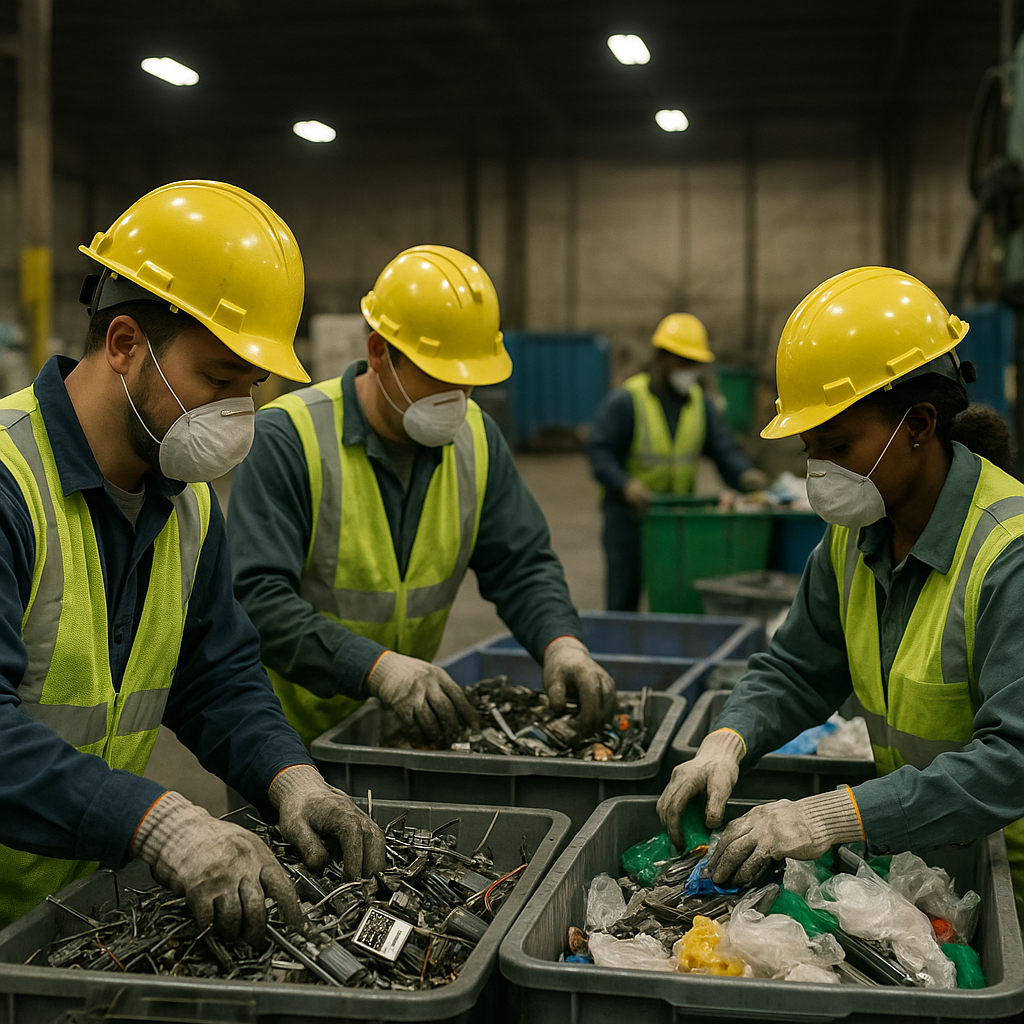
Industrial metal recovery facilities process materials in two main categories: ferrous and non-ferrous.
Ferrous Metal Processing
Ferrous metals account for the largest volume processed at most facilities. Steel is the predominant ferrous metal, sourced from structural beams, machinery components, and automotive parts. Cast iron is typically obtained from engine blocks, pipes, and heavy industrial equipment. Stainless steel is recovered from food processing equipment, chemical containers, and medical instruments.
Non-Ferrous Metal Recovery
Non-ferrous metals are valued more highly due to their distinct properties. Copper is used in electrical wiring, plumbing systems, and motor components. Aluminum is sourced from aircraft parts, transportation components, and building materials. Brass and bronze are derived from valves, fittings, and decorative applications. These metals resist oxidation and maintain conductivity over time.
Specialty and High-Value Materials
Specialty materials require advanced recovery techniques. Tungsten and carbide come from cutting tools and industrial equipment. Titanium is sourced from aerospace components and medical implants. E-scrap contains valuable metals from circuit boards and telecommunications equipment, often yielding the highest returns per pound processed.
| Metal Type | Properties | Common Applications |
|---|---|---|
| Iron (Fe) | Ferrous metal, strong, durable | Construction, manufacturing, steel production |
| Aluminum (Al) | Lightweight, corrosion-resistant | Aerospace, transportation, packaging |
| Copper (Cu) | Excellent electrical conductivity | Electrical wiring, plumbing, electronics |
| Steel | Alloy of iron and carbon, strong, versatile | Construction, machinery, automotive |
| Titanium (Ti) | High strength-to-weight ratio, corrosion-resistant | Aerospace, medical implants, sporting goods |
| Brass | Alloy of copper and zinc, decorative, corrosion-resistant | Musical instruments, plumbing fittings, decorative hardware |
Material Sources and Supply Chains
Manufacturing customers provide the most consistent material streams, including automotive plants, aerospace manufacturers, and electronics producers. Construction sites, industrial facility teardowns, and infrastructure projects generate significant volumes of mixed materials that require extensive sorting and processing.
Conclusion: Economic and Environmental Impact of Regional Recovery
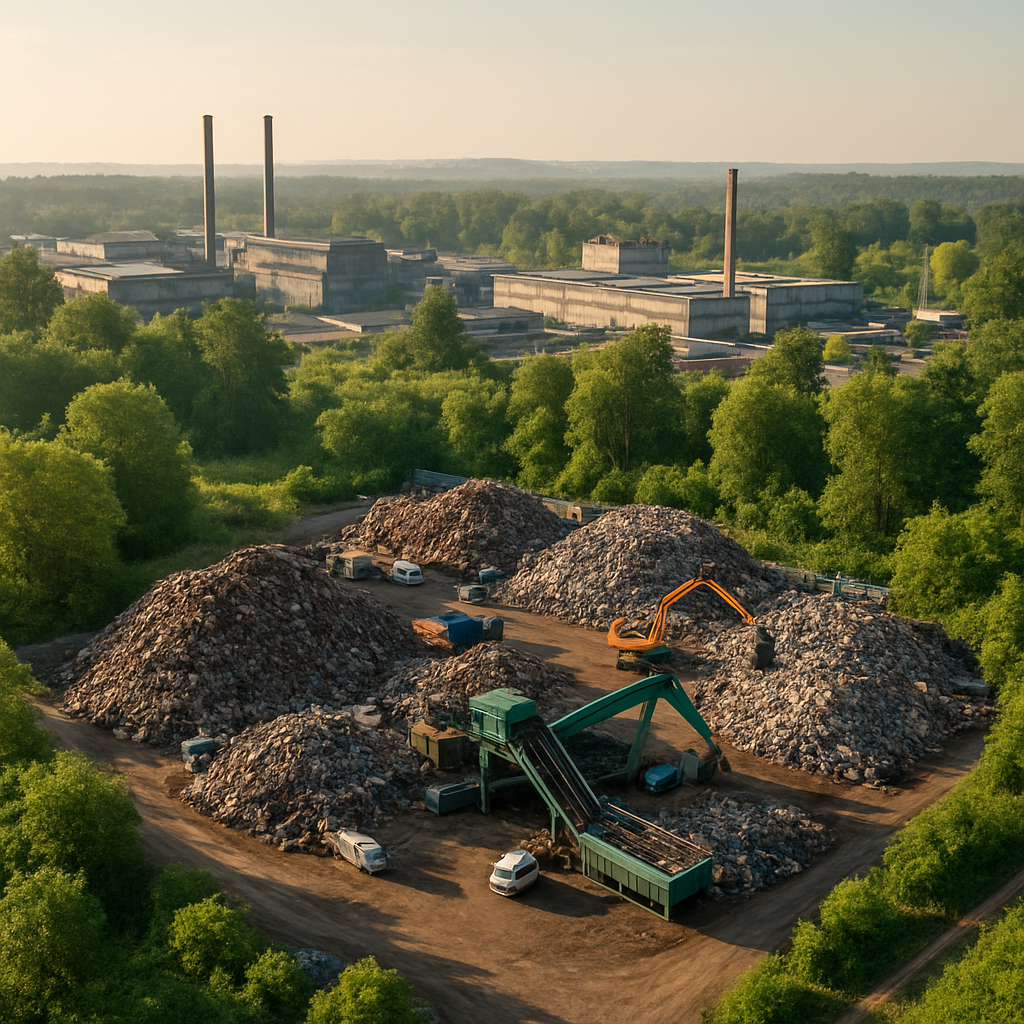
Industrial metal recovery in the Golden Triangle regions of Mississippi and Texas is critical to both the economy and environmental sustainability. With significant private investments, job creation, and comprehensive material management solutions, these industrial hubs are committed to converting waste into valuable resources. The recovery industry in Texas alone generates over $3.3 billion in economic impact, supporting more than 17,000 jobs across various employment sectors. This illustrates how effective recovery programs create substantial economic opportunities while reducing environmental burdens through decreased landfill use.
The success of recovery initiatives in the Golden Triangle demonstrates how environmental stewardship and economic development can coexist. Organizations seeking to maximize their material recovery potential and contribute to this growing industry can contact Okon Recycling at 214-717-4083 for comprehensive industrial solutions.
Send Us a Message
Questions about what we do? Interested in commercial services? Let us know below and a member of our team will get back to you.