5901 Botham Jean Blvd, Dallas, TX 75215
How Logistics Hub Scrap Recycling is Transforming Operations in DFW
December 23, 2025Dallas-Fort Worth is one of America’s key logistics centers, handling millions of tons of goods each year through its vast network of distribution centers, manufacturing facilities and warehouses. This large-scale operation produces significant waste streams, which many industrial businesses overlook as potential revenue sources. The region’s central location and strong transportation infrastructure offer unique opportunities for companies to transform their waste management approaches through effective scrap recycling programs.
In the North Texas region, logistics hub scrap recycling involves systematically collecting and processing industrial materials such as scrap metal, cardboard packaging and electronic waste from manufacturing and distribution operations. Innovative companies see these materials as opportunities to reduce operational costs, generate additional revenue and boost supply chain sustainability, which increasingly matters to customers and stakeholders in 2025.
What Makes Dallas-Fort Worth a Premier Logistics Hub?
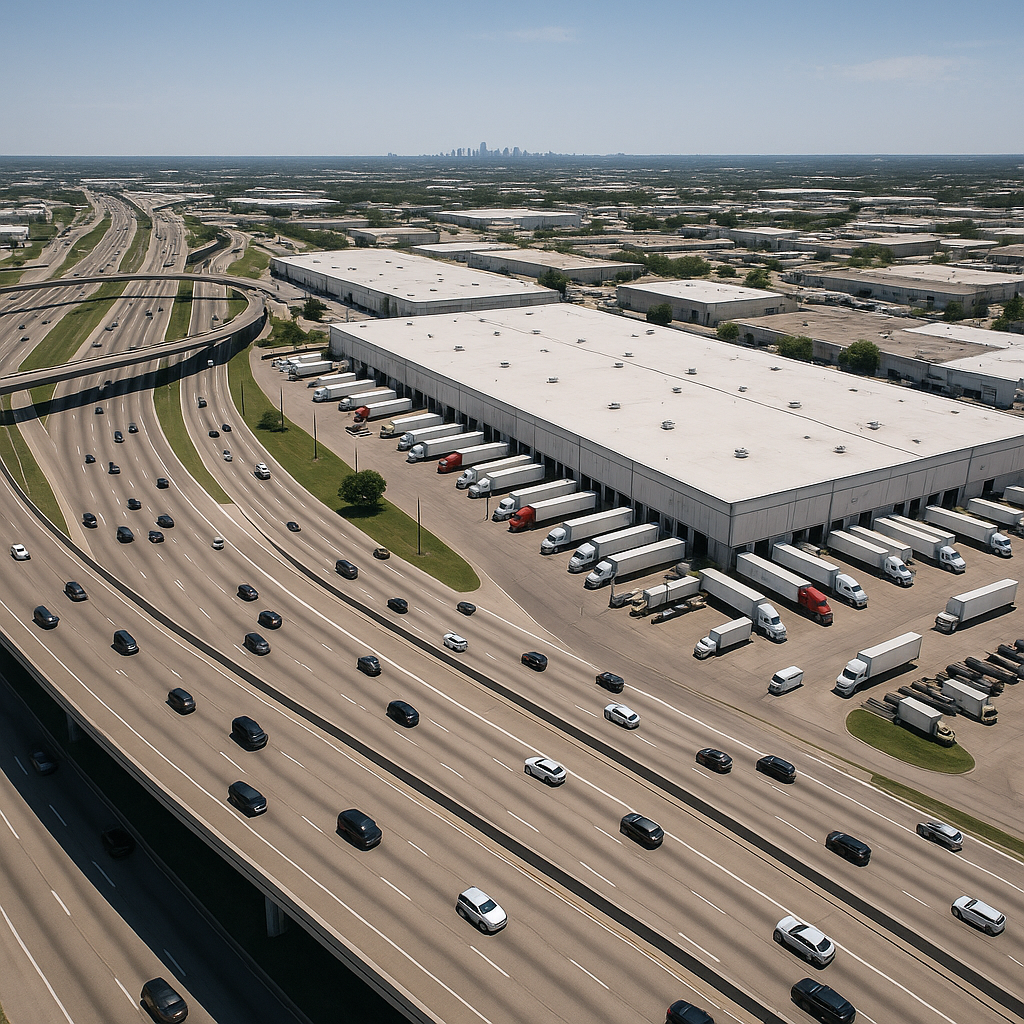
The dominance of Dallas-Fort Worth as a logistics powerhouse stems from its strategic geographic position at the heart of North America. The region is located within a 1,000-mile radius of half the U.S. population, providing optimal access to major consumer markets nationwide. This central location translates directly into reduced transportation costs and faster delivery times for distribution operations.
The region’s sophisticated transportation network forms the backbone of its logistics prowess. Major interstate corridors, including I-35, I-10 and I-45, converge here, connecting every significant metropolitan area while linking directly to Mexico and Canada. This extensive highway system enables flexible routing and efficient last-mile delivery for companies managing complex supply chains.
Intermodal Infrastructure Excellence
The intermodal capabilities of North Texas set it apart from competing logistics centers. The region hosts three Class I railroads: BNSF Railway, Union Pacific and Kansas City Southern. These rail networks provide seamless connections between different transportation modes, allowing cargo to move efficiently from ships to trains to trucks on single bills of lading.
Major master-planned logistics parks in the area integrate air cargo facilities, intermodal rail hubs and immediate highway access. Global retail and shipping giants have established major operations here, drawn by the ability to coordinate multiple shipping methods from one location. This proximity eliminates unnecessary transportation between facilities, cutting both costs and delivery times for materials recovery operations.
Air Cargo Leadership and Specialized Airports
International airports in the region reinforce logistics dominance by handling a majority of all air cargo in Texas. These facilities provide non-stop flights to nearly 170 destinations worldwide, enabling rapid movement of time-sensitive materials. This air cargo capacity is particularly valuable for high-priority shipments and international trade operations.
Furthermore, specialized industrial airports designed specifically for cargo operations support unique logistics needs. With state-of-the-art handling facilities, these sites support temperature-controlled storage and hazardous materials handling, ensuring that even the most sensitive industrial components are moved with precision.
Economic and Regulatory Advantages
Texas offers measurable economic benefits compared to other major logistics centers. The region boasts some of the lowest distribution costs among America’s top metropolitan areas. Companies operating here typically achieve 15 to 20 percent savings on transportation expenses compared to coastal alternatives.
The business-friendly environment enhances these cost advantages. Texas has no corporate state income tax, and many local jurisdictions offer tax abatements for logistics operations. Foreign Trade Zones throughout the metroplex allow companies to store, process and ship materials without paying duties until goods enter final commerce.
Commercial Recycling Services for Logistics Hubs
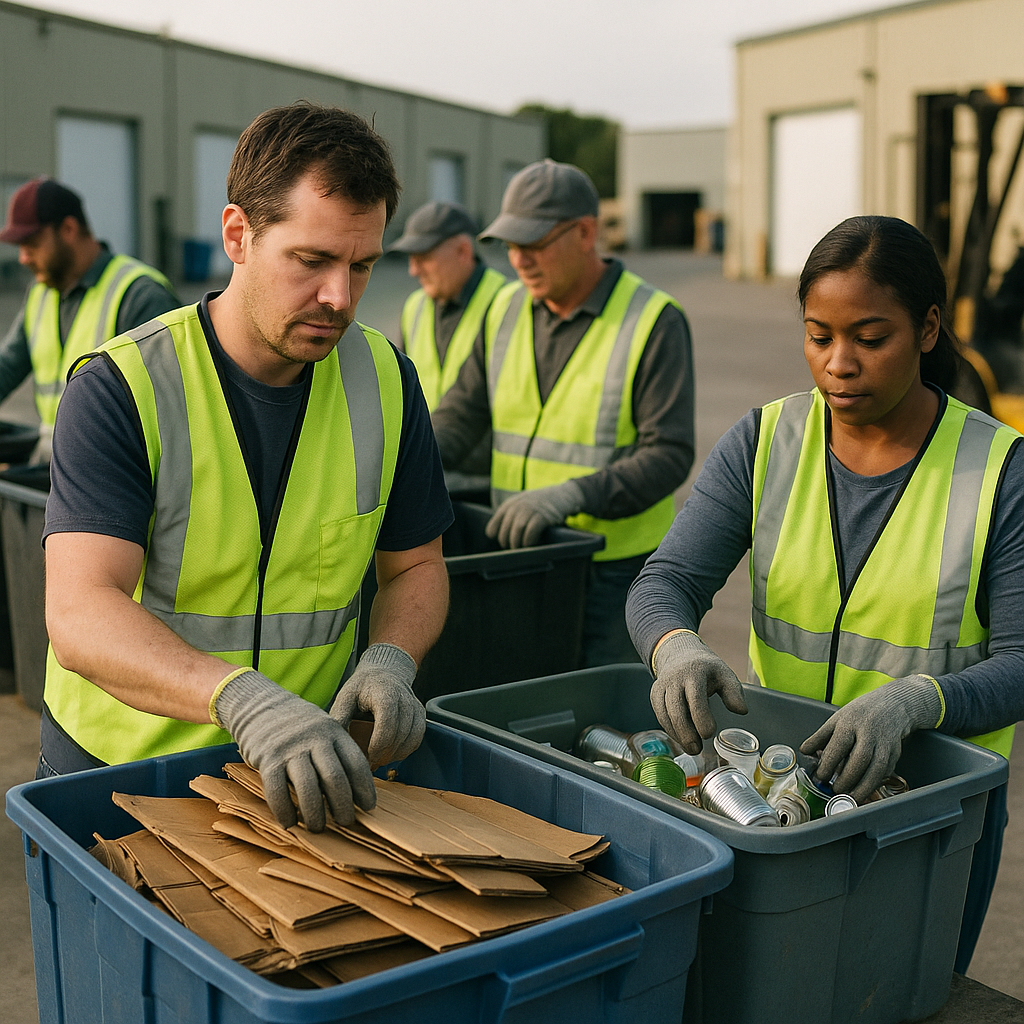
Logistics hubs benefit from comprehensive commercial recycling services tailored for high-volume operations. These specialized programs address the unique waste streams generated by warehouses, distribution centers and fulfillment facilities in the region.
Paper and Cardboard Recovery Programs
Corrugated cardboard is the largest recyclable material stream in most logistics operations. Commercial recycling services offer dedicated programs for old corrugated containers (OCC), slip sheets and cardboard cores utilized in warehouse operations. Service providers offer customized collection schedules with roll-off containers for bulk cardboard loads.
Industrial Scrap Metal Collection
Logistics facilities generate substantial quantities of ferrous and non-ferrous scrap metal from equipment maintenance and facility upgrades. Commercial recycling services provide specialized containers for aluminum, stainless steel and other high-value metals. Roll-off open-top containers handle large equipment replacements, while forklift-handled bins manage smaller, ongoing collections from maintenance operations.
Specialized Equipment and Container Services
Logistics operations require flexible collection solutions tailored to their operational schedules. Modern providers offer various container options, including compactors, balers and industrial recycling bins sized for different material types. Customized service schedules align with peak shipping periods and inventory cycles to prevent facility bottlenecks.
| Container Type | Ideal Material | Capacity / Use Case |
|---|---|---|
| Roll-Off Open-Top | Heavy Steel, Structural Scrap | 20-40 yards; Construction/Demolition |
| Industrial Compactor | Cardboard, Mixed Paper | High-volume reduction; Distribution centers |
| Self-Dumping Hoppers | Aluminum Shavings, Small Copper | Forklift-accessible; Shop floor maintenance |
| Gaylord Boxes | E-Waste, Plastic Film | Warehouse sorting; Easy stackability |
New in 2025: Advanced Sorting and Recovery Technology
As we move through 2025, the technology used in industrial recycling has evolved significantly. Logistics hubs are no longer just points of transit; they are becoming centers for high-tech material recovery. The integration of artificial intelligence (AI) and robotics into the recycling stream has drastically increased the purity of recovered metals and plastics.
AI-Driven Material Identification
Modern recycling facilities now employ AI-powered optical sorters. These systems use near-infrared (NIR) sensors and machine learning algorithms to identify different types of alloys and plastics in real-time. For a logistics hub, this means that mixed loads of scrap metal—which previously might have been downgraded in value—can now be separated with surgical precision, ensuring that the facility receives the highest possible price for every pound of material.
Robotics in Hazardous Waste Management
Logistics centers often handle hazardous materials, including lithium-ion batteries and electronic components. In 2025, robotic systems are increasingly used to safely extract these materials from the waste stream. These “cobots” (collaborative robots) work alongside human operators to identify and remove fire hazards like batteries, ensuring that the recycling process remains safe and compliant with the latest OSHA and EPA safety standards.
Real-Time Sustainability Dashboards
Transparency is a cornerstone of modern industrial partnerships. Leading recyclers now provide logistics managers with digital dashboards that track recycling metrics in real-time. These tools quantify carbon offsets, landfill diversion rates and revenue generated. This data is essential for corporate ESG (Environmental, Social and Governance) reporting, allowing companies to prove their commitment to sustainability to investors and customers alike.
Regulatory Compliance and Risk Mitigation
Operating a logistics hub in Texas requires navigating a complex landscape of environmental regulations. Proper scrap recycling is not just about revenue; it is a critical component of risk management. Failing to properly manage industrial waste can lead to heavy fines and legal liabilities.
Navigating TCEQ and EPA Guidelines
The Texas Commission on Environmental Quality (TCEQ) maintains strict standards for the storage and transport of industrial solid waste. Logistics facilities must ensure that scrap metal and electronic waste are stored in a manner that prevents soil and water contamination. Professional recycling partners provide the necessary documentation and “cradle-to-grave” tracking to ensure that a company remains in good standing with state and federal regulators.
Liability Protection in Materials Recovery
When a logistics facility sends its equipment for recycling, it must ensure that any proprietary technology or data is destroyed. This is especially true for automated sorting systems or GPS tracking units. Certified recycling partners provide Certificates of Destruction, which legally shield the logistics company from liability. This ensures that “retired” assets do not become a source of data breaches or intellectual property theft.
The Impact of SB 649 and Texas Recycling Markets
Recent state initiatives, such as the Texas Recycling Market Development Plan, have aimed to stimulate the use of recycled materials in local manufacturing. By participating in these regional programs, DFW logistics hubs help build a more resilient domestic supply chain. This reduces the state’s reliance on imported raw materials and ensures that the “Texas Miracle” of economic growth remains sustainable for decades to come.
How Scrap Recycling Benefits Warehouses and Distribution Centers
Warehouses and distribution centers in North Texas generate substantial amounts of recyclable materials daily. These facilities can turn their waste streams into profitable revenue sources through strategic scrap recycling programs. Metal components from conveyor systems, damaged material handling equipment and obsolete machinery represent valuable commodities that recycling facilities purchase at competitive rates.
The financial impact goes beyond direct revenue generation. Companies with comprehensive recycling programs typically experience significant cost savings in waste disposal fees. Instead of paying haulers to remove scrap metal and other recyclable materials to landfills, businesses can direct these materials to recycling channels that pay for their collection.
Operational efficiency improves alongside financial benefits. Recycling programs create cleaner, more organized work environments by establishing systematic collection processes. Workers spend less time managing accumulated debris when clear protocols exist for sorting and storing recyclable materials. This improved organization reduces safety hazards associated with cluttered work areas and enhances overall site aesthetics.
Environmental compliance becomes more manageable with structured recycling initiatives. Many municipalities in the metroplex have implemented zero-waste goals and sustainability mandates. Recycling programs help businesses meet these requirements while demonstrating corporate environmental responsibility. The reduction in landfill waste from metal recycling alone prevents materials—which can take decades or centuries to decompose—from occupying valuable space.
Partnering for a Efficient North Texas Supply Chain

For companies in the Dallas-Fort Worth logistics hub, scrap recycling is a strategic tool for enhancing both efficiency and sustainability. By partnering with specialized recycling facilities, businesses can transform industrial waste into valuable resources. This proactive approach not only supports a cleaner environment but also strengthens the supply chain and improves the company’s bottom line.
The combined benefits of environmental responsibility and operational efficiency make recycling partnerships essential for modern businesses. Forward-thinking companies recognize recycling as a strategic investment that delivers measurable returns through waste reduction, resource recovery and improved supply chain performance.
To explore how commercial recycling programs can strengthen your operations and support your sustainability goals, contact Okon Recycling at 214-717-4083.
Send Us a Message
Questions about what we do? Interested in commercial services? Let us know below and a member of our team will get back to you.