5901 Botham Jean Blvd, Dallas, TX 75215
Discover Everything that Wind Farm Maintenance and Scrap Recycling in Texas Involves
December 24, 2025Wind turbines generate clean energy for 20 to 25 years before reaching the end of their operational lives. When these renewable energy giants are decommissioned in Texas, a structured recycling process ensures that up to 95% of their materials are repurposed rather than ending up in landfills. This sustainable lifecycle management is critical as the state continues to lead the nation in wind energy production.
The wind farm maintenance and scrap recycling process in Texas starts with comprehensive site assessments to determine the most efficient decommissioning strategy. Specialized crews dismantle towers, nacelles, generators and other components using professional torch cutting equipment and heavy machinery. These materials are then processed and loaded onto flatbed trucks, lowboy trailers and gondola carriers for transport to specialized recycling facilities where steel and other high-value metals are reprocessed into new raw materials.
Industrial recycling partners manage major Texas wind farm projects, recycling thousands of tons of materials from facilities across the state. This end-of-life management approach transforms potential waste into valuable raw materials for new construction and manufacturing projects. The process combines environmental responsibility with revenue generation for wind farm operators through the sale of recyclable steel, copper and aluminum components.
How Are Wind Farms Decommissioned and Recycled?
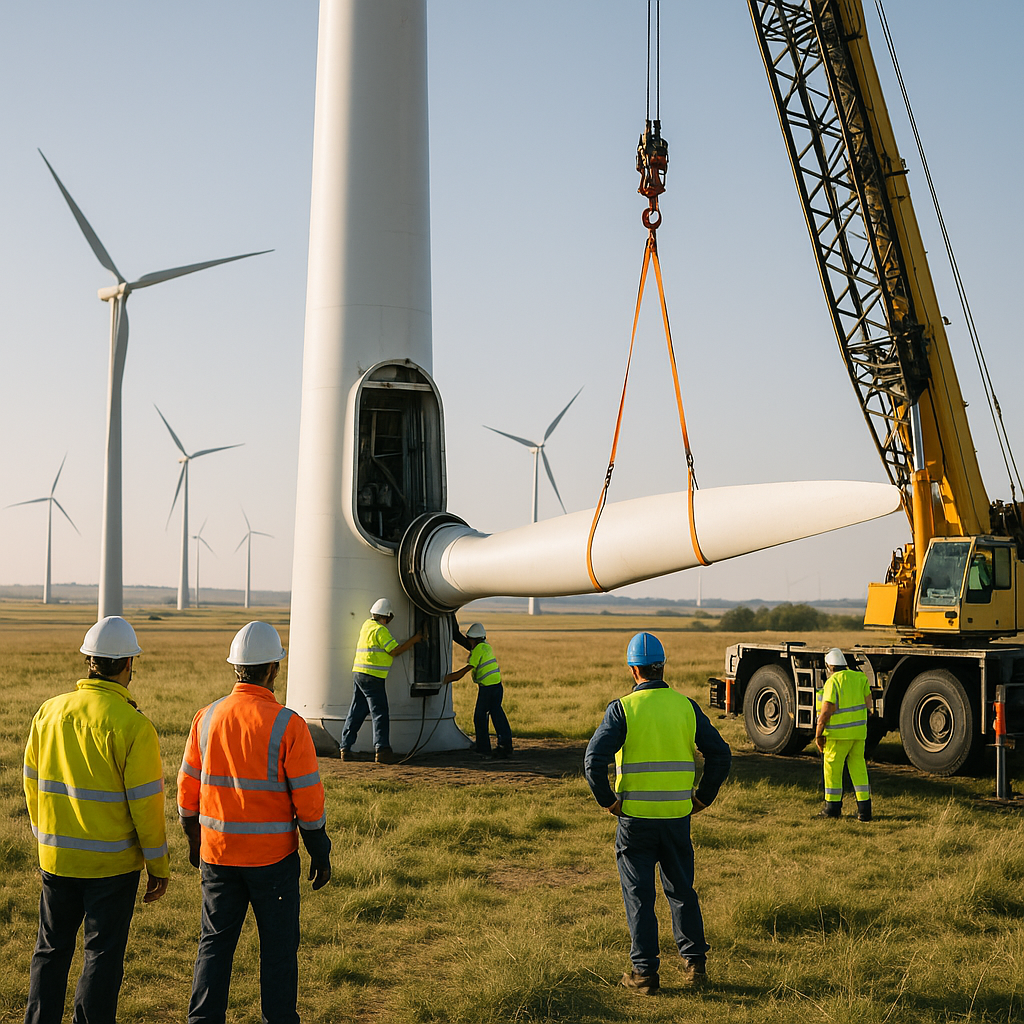
Wind farm decommissioning follows a structured approach that ensures safe removal and responsible waste management. This process typically takes six to 24 months, depending on the project size and specific turbine specifications.
Initial Site Assessment and Planning
Every decommissioning project begins with a comprehensive site evaluation. This assessment examines access roads, crane positioning areas and transportation routes to nearby recycling facilities. Planning involves securing necessary permits and coordinating with local authorities to ensure heavy-haul routes are approved.
Equipment Preparation and Setup
Heavy machinery arrives on-site to establish stable crane pads and staging areas. Because turbine components are exceptionally heavy, road conditions are often upgraded to handle the weight of transport vehicles. Crews also prepare containment systems for hydraulic fluids and lubricants to prevent soil contamination during the dismantling process.
Turbine Dismantling Process
The dismantling sequence begins with blade removal using specialized high-capacity cranes. Each blade requires careful handling due to its length and composite construction. Following the blades, crews remove the nacelle components, including the generator, gearbox and control systems. These metal components possess high salvage value and move directly into metal recycling streams.
Tower sections are then segmented into manageable pieces. Steel towers are cut on-site and transported to scrap metal facilities, where they are melted down to create new industrial steel products.
Foundation and Infrastructure Removal
Foundations are typically removed to depths of 3 to 5 feet below ground level. Complete removal of deep concrete piers can sometimes cause more environmental disruption than benefit, so professional teams follow specific landowner and regulatory agreements. Underground cables, rich in copper and aluminum, are carefully extracted to enter established recycling channels.
Recycling Facility Processing
Metal components enter conventional recycling streams immediately. Steel, copper and aluminum from towers and nacelles achieve recycling rates above 90%. While composite blade materials have historically been difficult to process, modern techniques shred them into fiber pellets for use in cement production or reinforced construction applications. The Department of Energy supports research into even more advanced technologies for these materials.
The Economic Scale of Texas Wind Scrap Projects
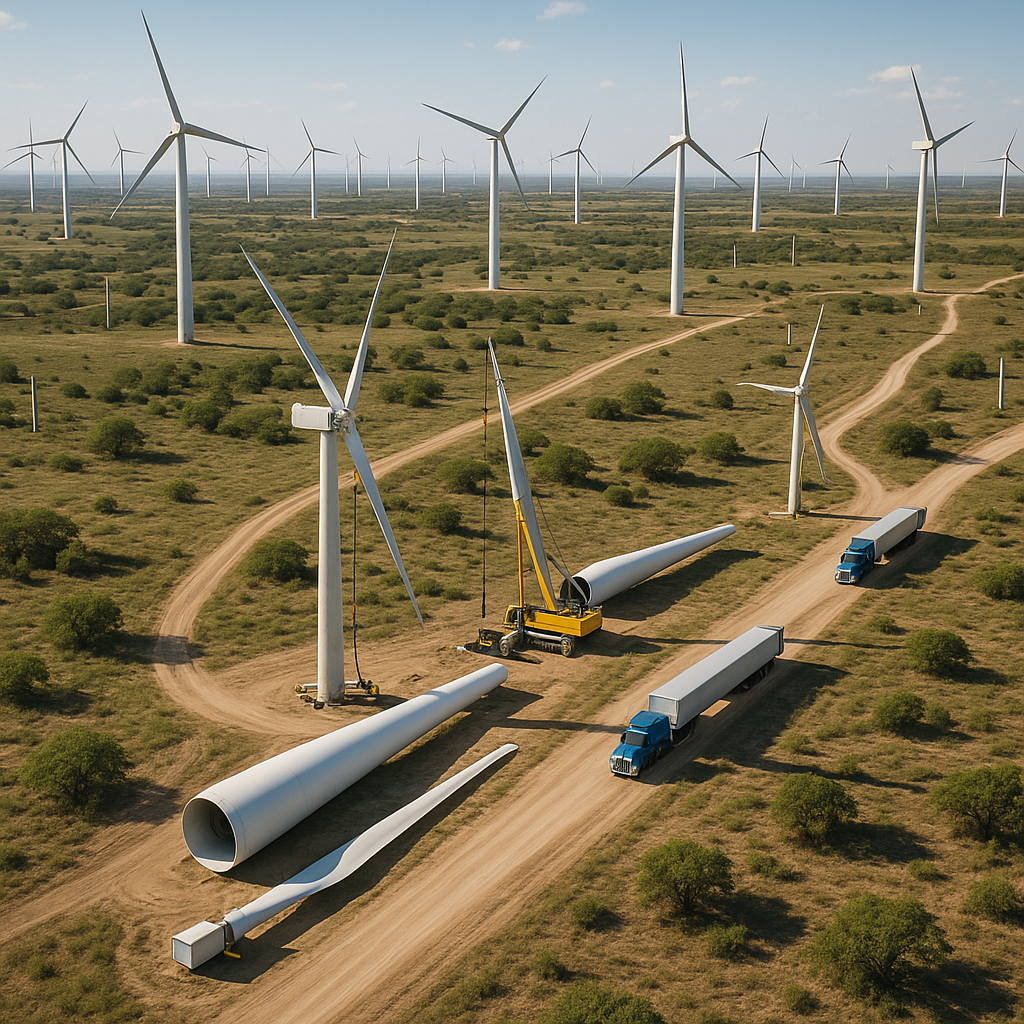
Texas leads the nation in wind energy capacity with over 22,000 MW installed. This infrastructure results in substantial decommissioning opportunities as older turbines reach end-of-life or undergo “repowering”—the process of replacing old components with newer, more efficient technology.
Large-scale decommissioning in Texas regularly processes tens of thousands of tons of recoverable materials. Major projects in regions like West Texas have recycled upwards of 22,000 gross tons of scrap metal per site, often yielding millions of dollars in material value for the operators. These operations require specialized torch cutting crews and logistics experts to convert massive towers into legal transportation loads.
| Material Type | Recovery Potential | Primary Use After Recycling |
|---|---|---|
| Steel (Towers) | 98-100% | New structural beams, rebar |
| Copper (Cabling) | 99% | Electrical wiring, plumbing |
| Aluminum (Components) | 95% | Industrial casting, automotive parts |
| Composite (Blades) | Up to 80% | Cement kiln fuel, composite fillers |
The economic impact extends to local employment and the secondary metals market. Hubs like Sweetwater, Texas, have evolved to support the wind industry throughout its entire lifecycle, from manufacturing to material recovery. The scale of these operations allows for cost-effective processing while maximizing the return for project developers.
Advanced Metallurgy: Why Wind Turbine Scrap Is Premium Material
The materials used in wind turbines are not standard industrial scrap; they are high-performance alloys designed to withstand decades of extreme environmental stress. Understanding the metallurgical composition of these machines is key to maximizing their value during the recycling process.
High-Grade Structural Steel
Turbine towers are typically constructed from high-strength, low-alloy (HSLA) steel. This material is prized in the scrap industry because it contains small amounts of alloying elements like vanadium or niobium, which provide superior strength-to-weight ratios. When these towers are recycled, the resulting steel is often used in new infrastructure projects that require high-durability materials.
The Value of Rare Earth Magnets
Modern direct-drive wind turbines contain massive permanent magnets made from rare earth elements like neodymium and dysprosium. These materials are critical for the global transition to green technology but are difficult and environmentally taxing to mine. Recovering these elements from decommissioned nacelles is a top priority for the industrial recycling sector. Advanced separation techniques now allow for the recovery of these magnets, which are then repurposed for use in electric vehicle motors and other high-tech applications.
Copper and Aluminum Purity
The electrical systems within a wind farm—from the generator windings to the underground collection cables—utilize high-purity copper and aluminum. In the recycling market, “No. 1 Copper” is one of the most valuable commodities available. By carefully stripping the insulation and separating these metals from the nacelle, decommissioning teams ensure that wind farm operators receive premium payouts based on current London Metal Exchange (LME) pricing.
Logistics and Safety: Managing the Dismantling of Industrial Giants
Decommissioning a wind farm is an exercise in extreme logistics. The sheer scale of the components—some blades now exceed 300 feet in length—presents challenges that standard demolition companies are simply not equipped to handle.
Precision Rigging and Heavy Lift Operations
Safety is the primary concern when lowering a 100-ton nacelle or a 300-foot blade from a tower that stands 400 feet in the air. This requires certified master riggers and crane operators who understand the unique center-of-gravity challenges posed by turbine components. A single mistake during the “pick” can lead to catastrophic equipment failure or injury, which is why professional recycling firms maintain rigorous safety protocols and specialized insurance coverage for these high-risk operations.
Route Surveying and Transportation Challenges
Moving a segmented wind tower or a turbine blade through the Texas countryside requires extensive route surveying. Low-clearance bridges, tight turns in rural towns and weight-limited roads must all be mapped out months in advance. Many projects utilize “super-load” trailers with multiple axels to distribute the weight of the steel sections. Professional logistics teams coordinate with the Texas Department of Transportation (TxDOT) to ensure that these materials reach the recycling facility without damaging public infrastructure.
Environmental Fluid Management
Inside the nacelle are hundreds of gallons of gear oil, hydraulic fluid and coolants. If even a small fraction of these fluids leaks during dismantling, it can result in significant environmental remediation costs. Specialized teams utilize vacuum extraction systems to remove all fluids before the nacelle is lowered. These fluids are then transported to oil recycling centers, ensuring that 100% of the liquid waste is managed according to EPA guidelines.
Conclusion: Partnering with Experienced Demolition Services

Wind farm decommissioning in Texas is a complex yet rewarding phase of the renewable energy lifecycle. This process requires specialized expertise across various phases, including initial site assessment, precision dismantling, materials transportation and comprehensive recycling programs. Professional services offer essential capabilities such as regulatory compliance, advanced safety protocols and sustainable waste management practices, ensuring each project meets both operational and environmental standards.
Environmental stewardship is central to responsible wind farm decommissioning and necessitates partners who prioritize materials recovery and sustainable disposal methods. For expert recycling services that support your wind energy projects with a focus on materials recovery and environmental compliance, contact Okon Recycling at 214-717-4083. The future of renewable energy relies on a collective commitment to responsible end-of-life management, safeguarding both the environment and the sustainable growth of the industry.
Send Us a Message
Questions about what we do? Interested in commercial services? Let us know below and a member of our team will get back to you.