5901 Botham Jean Blvd, Dallas, TX 75215
Why Are B2B Metal Recycling Solutions in Texas Crucial for Modern Businesses?
December 31, 2025Texas businesses generate millions of tons of valuable metal waste annually, yet many companies still view disposal as a necessary cost rather than a strategic opportunity. B2B metal recycling solutions in Texas offer comprehensive waste management services for businesses to collect, sort, and process recyclable metals efficiently. These programs go beyond environmental compliance—they provide measurable financial returns while supporting operational excellence.
Modern B2B metal recycling solutions employ systematic approaches to handling commercial scrap from manufacturing, construction, and industrial operations. The process involves strategically collecting ferrous metals like steel and iron, alongside non-ferrous materials such as aluminum, copper, and brass. Professional recycling services transform what was once considered waste into valuable feedstock that reenters manufacturing supply chains across multiple industries.
The economic impact of these programs is significant in Texas. According to the Texas Commission on Environmental Quality’s Recycling Market Development Plan, the recycling sector contributes billions to the state economy, supporting tens of thousands of jobs. This sustainable waste stream approach creates a circular economy where materials maintain their value through continuous reuse rather than single-use disposal in landfills.
Financial and Operational Benefits of Commercial Metal Recycling
Direct Cost Reductions and Revenue Generation
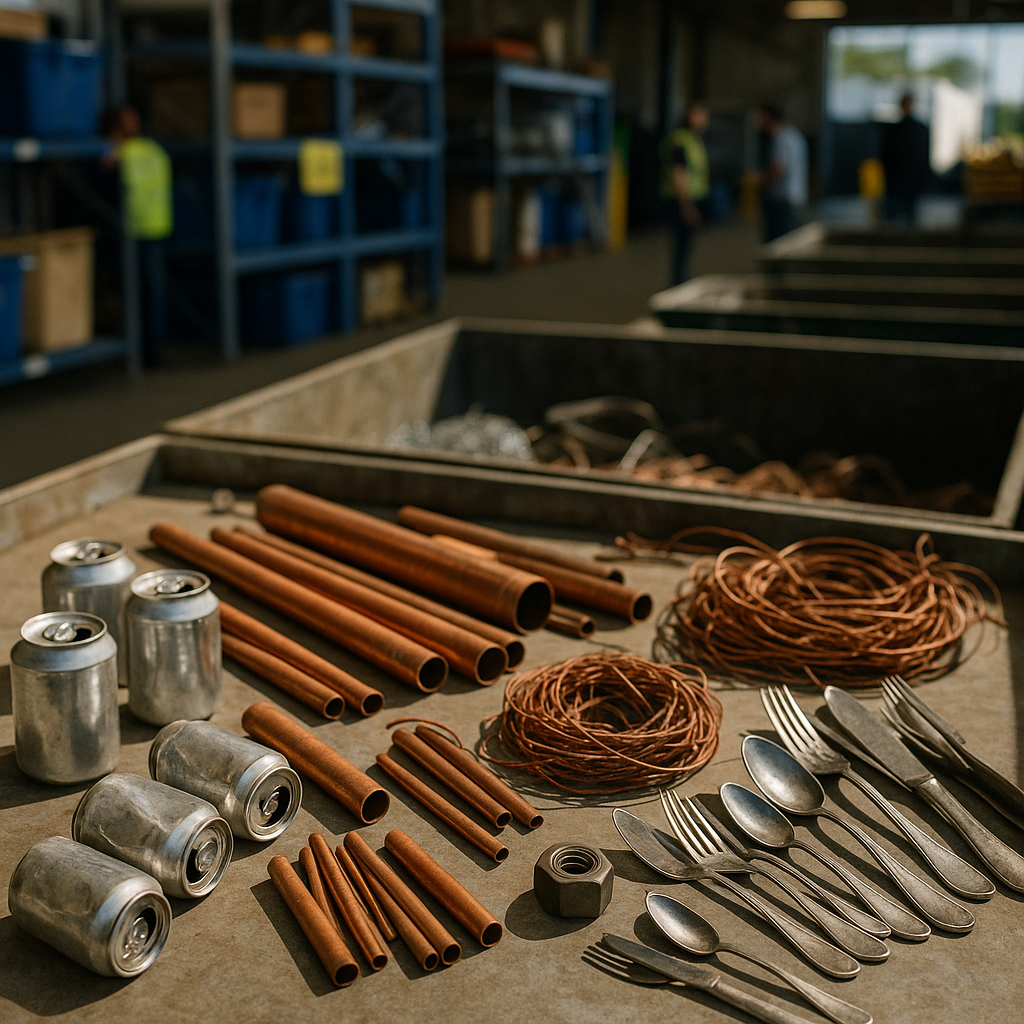
Companies reduce waste disposal costs by diverting metal materials from landfills. With landfill tipping fees increasing annually, disposal has become an escalating expense. Metal recycling transforms these waste streams into profitable revenue sources. Copper scrap, particularly bare bright wire and tubing, commands premium prices, while steel and aluminum provide consistent value for heavy industrial fixtures.
Non-ferrous metals represent a particularly high-value opportunity. While these materials typically make up a smaller portion of scrap volume, they often account for a significant percentage of the total recycling value. Companies can monetize brass fixtures, aluminum sheeting, and other non-ferrous materials that would otherwise incur costly disposal fees.
Regulatory Compliance and ESG Performance
Metal recycling helps companies meet stringent environmental regulations and avoid significant financial penalties. Professional recycling services provide detailed documentation and reporting that support regulatory compliance efforts. This transparency is crucial for Environmental, Social, and Governance (ESG) reporting, which increasingly influences investment decisions and business partnerships.
By participating in a circular economy, businesses demonstrate a tangible environmental impact to stakeholders. Integrating recycling into operations shows a commitment to sustainable practices, which can lead to better financing terms and increased access to capital from investors who prioritize sustainability.
Operational Efficiency and Safety
Professional metal recycling services enhance operational efficiency by streamlining waste management. Regular collection programs keep workspaces organized and reduce safety hazards. Clean, clutter-free environments enhance employee productivity and lower the risk of workplace accidents. Additionally, using recycled metals in manufacturing reduces raw material expenses and energy consumption, directly improving profit margins.
Commercial Metal Categories in Texas
Texas businesses typically generate two main categories of metal waste: ferrous and non-ferrous. Distinguishing between them is essential for accurate valuation and sorting.
Ferrous Metals: High-Volume Industrial Scrap
Ferrous metals contain iron and are recognized by their magnetic properties. Steel is the most common ferrous metal found in commercial waste streams, alongside cast iron from machinery. These materials are prevalent in construction debris, automotive parts, and heavy industrial equipment. Because ferrous metals are magnetic, they are easily separated during large-scale processing.
Non-Ferrous Metals: Premium Recyclables
Non-ferrous metals lack iron and do not respond to magnets. These materials command higher market prices due to their unique properties, such as conductivity and corrosion resistance. Aluminum is one of the most common non-ferrous materials recycled by businesses, while copper wiring and brass fixtures offer the highest per-pound value. These metals are essential for electronics, aerospace, and advanced manufacturing applications.
Energy Conservation and Material Integrity
Metal recycling provides massive energy savings. For instance, recycling aluminum uses 95% less energy than manufacturing it from raw resources. Unlike many other materials, metals retain their quality through unlimited recycling cycles, making them a cornerstone of long-term sustainability goals.
B2B Metal Recycling Logistics and Technology
Managing industrial-scale scrap requires more than just a pickup service; it requires integrated logistics and advanced sorting technology to ensure every pound of material is valued correctly.
Industrial Container Solutions
To keep an active facility organized, professional recyclers provide specialized equipment tailored to the business’s specific scrap flow. Roll-off containers, ranging from 20 to 40 yards, are the standard for large-scale demolition or manufacturing sites. For facilities with tighter space constraints, smaller bins, hoppers, and forklift-compatible tubs allow for efficient movement of materials within the plant. This “point-of-generation” collection minimizes manual labor and improves site safety by keeping walkways clear of metal debris.
Advanced Material Analysis
Modern B2B recycling relies on high-tech verification tools to ensure accurate grading. X-ray fluorescence (XRF) analyzers allow technicians to identify the exact chemical composition of an alloy in seconds. In industrial settings, where 316 stainless steel looks nearly identical to 304 stainless, this precision is vital. Proper grading ensures that businesses receive the full market value for high-performance alloys, which can be significantly more valuable than standard scrap.
Texas Regulatory Standards and Compliance
The Texas metal recycling landscape is strictly regulated to prevent illicit trade and ensure environmental safety. Understanding these laws is essential for any business entering a B2B recycling partnership.
The Texas Metals Program and MRE Registration
Every professional recycler in the state must be a registered Metal Recycling Entity (MRE) under the authority of the Texas Department of Public Safety (DPS). This program, governed by Chapter 1956 of the Texas Occupations Code, requires recyclers to maintain rigorous records. Businesses must provide valid identification, and for certain regulated materials like copper or HVAC components, recyclers are required to report transactions to the DPS within two business days. Partnering with a registered MRE protects your business from liability and ensures your scrap is handled through legal channels.
Industrial Waste Classification
Texas law categorizes industrial solid waste into specific classes. While most scrap metal is non-hazardous, certain components—such as oil-filled transformers or lead-lined containers—require specialized handling according to Texas Commission on Environmental Quality (TCEQ) standards. A professional partner helps businesses classify these materials correctly, avoiding massive fines for improper disposal and ensuring that all “Class 1” industrial waste is processed in an environmentally compliant manner.
Selecting a B2B Recycling Partner in Texas

Choosing the right partner impacts your company’s operational efficiency and environmental compliance. Texas businesses need partners who understand local regulations and can handle diverse industrial waste streams.
Experience and Material Capabilities
Seek partners with a proven track record in your specific industry, whether it is manufacturing, healthcare, or construction. They should possess the capability to process everything from common office recyclables to specialized industrial byproducts. A versatile partner eliminates the need for multiple vendors and can adapt as your business grows.
Customized Service and Transparency
The right partner begins with a waste audit to understand your specific scrap generation patterns. This analysis leads to optimized collection schedules and the placement of appropriate equipment like balers or compactors. Transparency is equally critical; reputable recyclers provide clear pricing with no hidden fees and detailed reporting on material weights, recycling rates, and environmental impact metrics.
| Criteria | Benefit to Business |
|---|---|
| MRE Registration | Ensures legal compliance and protects against liability. |
| XRF Analysis | Guarantees accurate grading and maximum payout for alloys. |
| Custom Containerization | Improves site organization and safety. |
| ESG Reporting | Supports sustainability goals and investor relations. |
Certifications and Data Security
Look for industry certifications such as R2 (Responsible Recycling) or ISO 14001. These ensure that the recycler maintains high environmental and safety standards. If your recycling needs include electronics, ensure the partner has rigorous data destruction protocols to protect confidential information.
Implementing an Effective Metal Recycling Program
Launching a successful program requires a structured approach that addresses both operational logistics and employee participation.
Waste Audit and System Setup
Start with a thorough analysis of where metal is generated in your facility. Separate ferrous and non-ferrous materials into clearly labeled bins to maximize value. Position these containers near production equipment or maintenance bays to make recycling as convenient as possible for staff. Many businesses find significant untapped revenue during this initial assessment phase.
Employee Training and Monitoring
Develop training materials to explain sorting procedures and prevent contamination. Engaging employees through “green teams” can improve program participation and accuracy. Finally, monitor performance by tracking monthly volumes and revenue. Regular reviews allow you to adjust collection strategies and demonstrate the financial return on investment to stakeholders.
Conclusion: Partnering for a Sustainable and Profitable Future
Implementing B2B metal recycling solutions is a strategic investment for Texas businesses seeking sustainable growth and enhanced profitability. Companies that divert metals from landfills achieve measurable environmental impact while generating substantial revenue from materials once considered waste. This circular economy approach strengthens brand reputation, ensures regulatory compliance, and positions organizations as environmental leaders in an increasingly conscious marketplace.
Metal recycling delivers immediate cost savings through waste diversion and creates ongoing revenue streams that enhance operational efficiency.
Organizations ready to advance their sustainability initiatives and capture these financial benefits should contact Okon Recycling at 214-717-4083 for comprehensive B2B recycling solutions.
Send Us a Message
Questions about what we do? Interested in commercial services? Let us know below and a member of our team will get back to you.