5901 Botham Jean Blvd, Dallas, TX 75215
#2 Unprepared Steel Buyers: Pricing, Preparation, and Maximizing Return on Raw Scrap Metal
December 10, 2025Unprepared steel on your property is often more valuable than it seems. This material, ranging from old farm equipment to structural components, links directly to a marketplace of specialized buyers.
The #2 unprepared steel market primarily involves scrap yards and recycling centers that focus on ferrous metals. These facilities purchase materials like black pipe, large equipment, farm machinery, and structural pieces at least 1/8 inch thick. Unlike prepared steel, which meets specific size requirements, unprepared steel arrives in various forms without initial processing.
Market pricing for this material fluctuates daily based on commodity markets and local demand. Current rates typically range from $0.05 to $0.07 per pound, although prices vary significantly by location and depend heavily on the volume sold. Scrap metal recycling facilities consider processing costs when determining rates, as unprepared materials require additional handling and preparation before reaching end markets.
How is Unprepared Steel Defined?
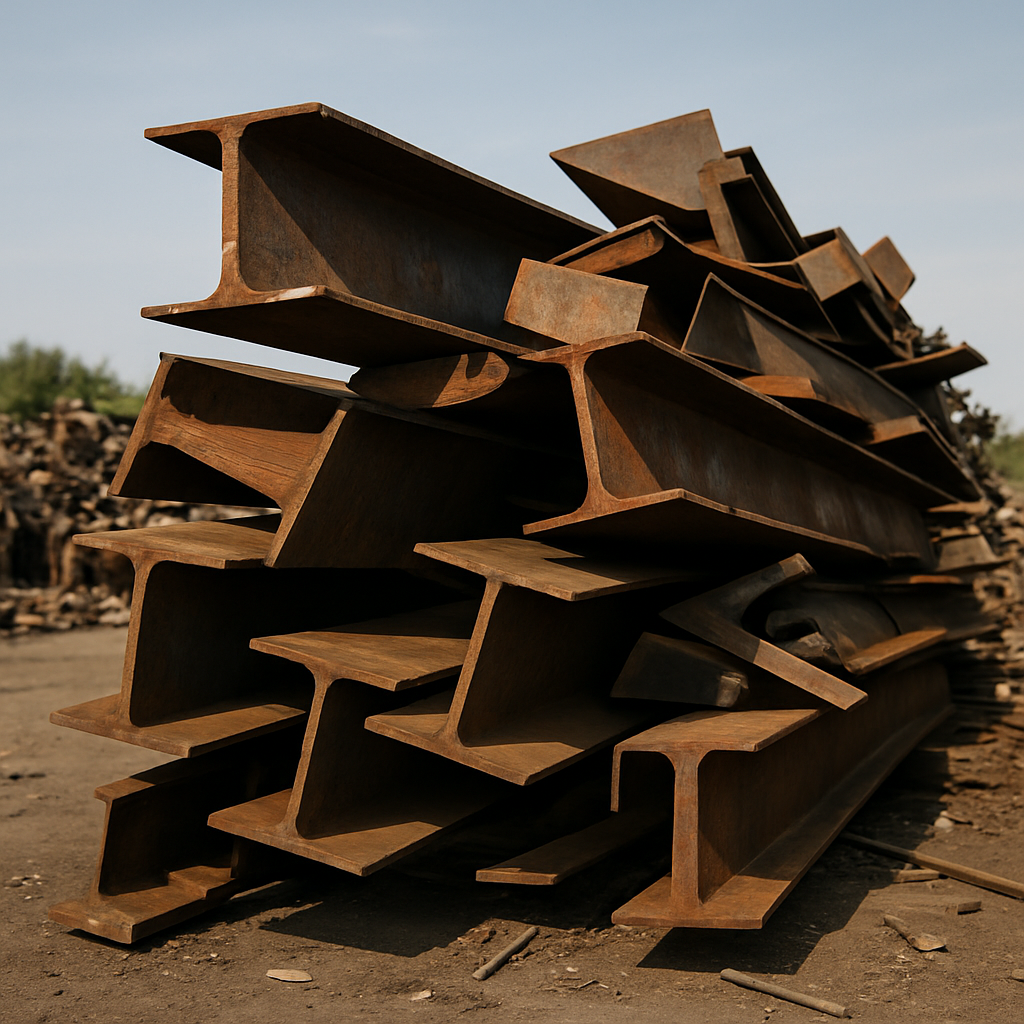
Unprepared steel refers to ferrous scrap materials that exceed specific thickness requirements and have not been processed to meet size specifications. Industry standards typically classify unprepared steel as material measuring at least 1/8 inch thick for #2 heavy melting scrap, whereas #1 heavy melting scrap requires a minimum thickness of 1/4 inch.
The defining characteristic of unprepared steel is its raw, unprocessed form. This includes black pipe, large industrial equipment, farm machinery, structural components, and oversized pieces needing cutting, shearing, or torching before they can be processed using standard recycling equipment. These materials often exceed the size limits that recycling facilities can handle without additional preparation.
Size constraints differentiate unprepared from prepared steel grades. Prepared #1 heavy melting steel must conform to maximum dimensions of 60 by 24 inches, while #2 heavy melting scrap must not exceed 36 by 24 inches. Unprepared materials exceeding these specifications require mechanical processing to reduce their size. Large diameter pipes over 8 inches need splitting, and oversized structural elements must be cut to qualify as prepared grades.
Processing unprepared steel often involves shredding operations that transform bulky materials into manageable fragments. Shredded steel scrap, originating from unprepared #1 and #2 heavy melting steel as well as sheet iron and cast iron components, results in homogeneous material suitable for steelmaking. The shredding process breaks down unprepared materials into pieces measuring typically 10 by 10 by 10 inches or smaller, facilitating magnetic separation and quality control.
Recycling facilities handle unprepared steel differently from prepared grades due to density and handling requirements. Unprepared materials typically have lower bulk density, ranging from 40 to 60 pounds per cubic foot compared to compressed bundles that reach 60 to 90 pounds per cubic foot. This density difference affects transportation costs and processing efficiency, making preparation a crucial step in the recycling chain.
What Are the Current Prices for Unprepared Steel?
Unprepared steel prices fluctuate significantly across markets, with current rates ranging from $6 to $165 per hundredweight (CWT) depending on location and buyer specifications. This wide pricing spread reflects regional market conditions and varying quality standards among recyclers.
Recent market data shows unprepared steel averaging $150 per net ton in many regions. However, specific grades command different rates based on preparation level and contamination. Bulky unprepared steel often sells for as low as $0.05 per pound due to processing requirements.
Regional Price Variations
Geographic location plays a crucial role in unprepared steel pricing. Coastal markets typically offer higher rates due to export opportunities and mill proximity. Inland facilities may see lower prices due to transportation costs to processing centers.
Current regional pricing shows Dallas markets offering $6.25 per CWT for standard unprepared grades. Meanwhile, East Coast facilities report prices up to $165 per CWT for cleaner material. These variations highlight the importance of location in maximizing material value.
| Region | Price (CWT) |
|---|---|
| Dallas | $6.25 |
| East Coast | $165.00 |
Factors Influencing Market Pricing
Material preparation significantly impacts pricing structures. Clean, sorted unprepared steel commands premium rates compared to mixed or contaminated loads. Removing attachments like rubber, plastic, or other non-ferrous materials can increase value by 15-20%.
Volume also affects pricing negotiations. Large-scale generators often secure better rates through consistent supply agreements. Industrial facilities producing regular volumes can leverage this advantage in pricing discussions with recyclers.
Market timing influences pricing as steel demand fluctuates with construction cycles and manufacturing activity. Current scrap metal pricing data shows these market dynamics affecting daily rate adjustments across the industry.
Quality Standards and Specifications
Different buyers maintain varying quality standards for unprepared steel acceptance. Some facilities accept heavily contaminated material at reduced rates, while others require specific preparation levels to meet their processing capabilities.
Farm machinery and agricultural equipment often falls into specialized unprepared categories, commanding rates up to $150 per net ton despite requiring significant processing. The steel content and accessibility determine final pricing for such specialized streams.
Contamination levels directly impact pricing structures. Material containing excessive non-metallic attachments faces price reductions or rejection. Understanding buyer specifications helps optimize material preparation and pricing outcomes.
Maximizing Your Return on Unprepared Steel
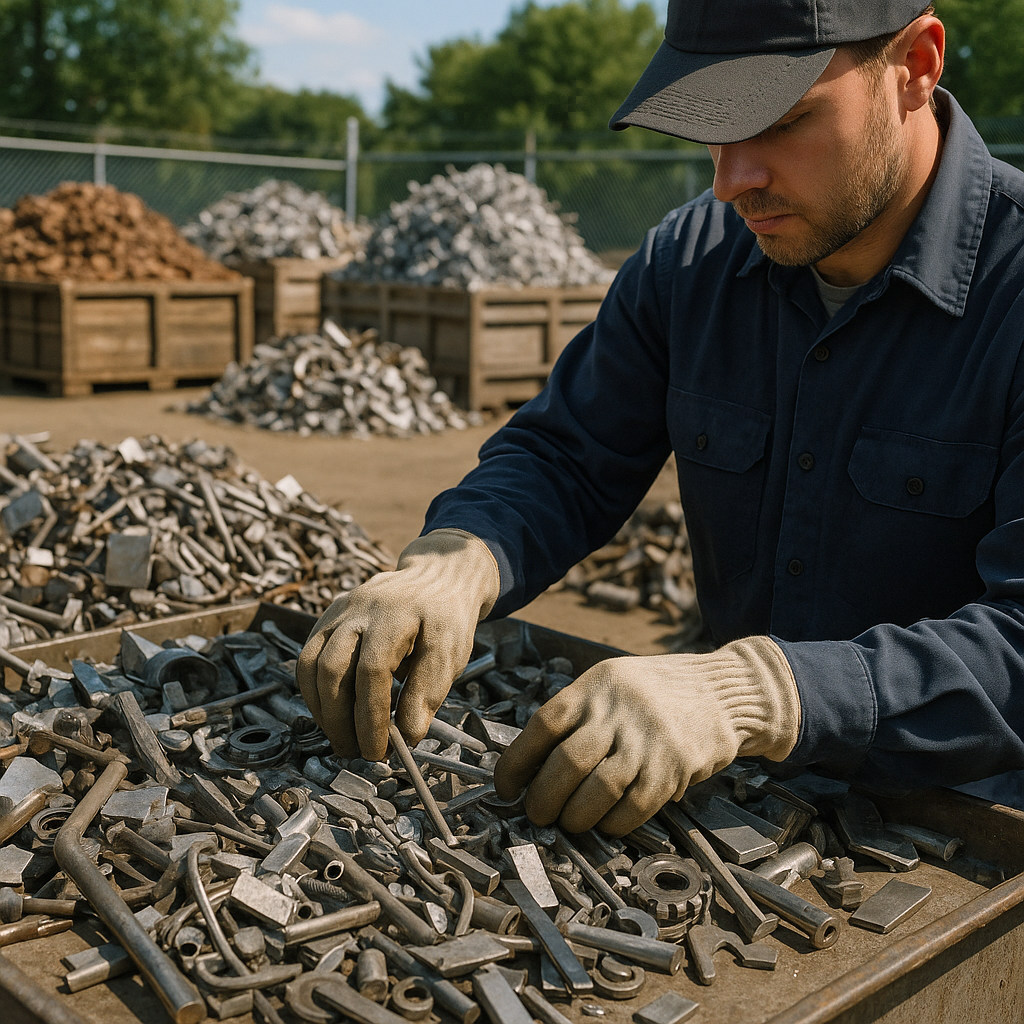
Maximizing your return on unprepared steel requires an understanding of your material’s composition and current market dynamics. Scrap metal prices fluctuate daily due to global demand, supply conditions, and commodity markets. The best approach is to contact local recycling centers directly for accurate daily price confirmations and minimum weight requirements.
Building consistent relationships with reputable scrap buyers ensures you receive competitive, market-based valuations for your unprepared steel. Pricing can vary significantly between facilities, so comparing offers from multiple local scrap yards helps secure the highest possible return.
For professional scrap metal recycling services and competitive pricing on your unprepared steel, contact Okon Recycling at 214-717-4083.
Send Us a Message
Questions about what we do? Interested in commercial services? Let us know below and a member of our team will get back to you.