5901 Botham Jean Blvd, Dallas, TX 75215
Can You Rent a Construction Dumpster for Metal Only?
December 11, 2025Renting a construction dumpster specifically for metal waste is a common practice for contractors and homeowners involved in renovation, remodeling, or demolition projects. Roll-off dumpsters are available to manage various types of construction debris, such as metal sheeting and other scrap metals, ensuring the job site remains clean and organized.
Construction sites generate significant metal waste during building projects. From steel framing and copper piping to aluminum siding and rebar, these materials require proper disposal methods. Dedicated metal-only dumpsters streamline the scrap metal disposal process, maximizing recycling opportunities for valuable materials that might otherwise end up in landfills.
Roll-off containers designed for metal waste come in various sizes, typically ranging from 12 to 40 yards. These specialized dumpsters can accommodate anywhere from 2 to 16 tons of scrap metal, depending on the container size and project scope. Segregating metal waste from other construction debris allows for more efficient material recovery and promotes sustainable waste management practices on construction sites.
What Types of Metal Are Permitted in a Construction Dumpster?
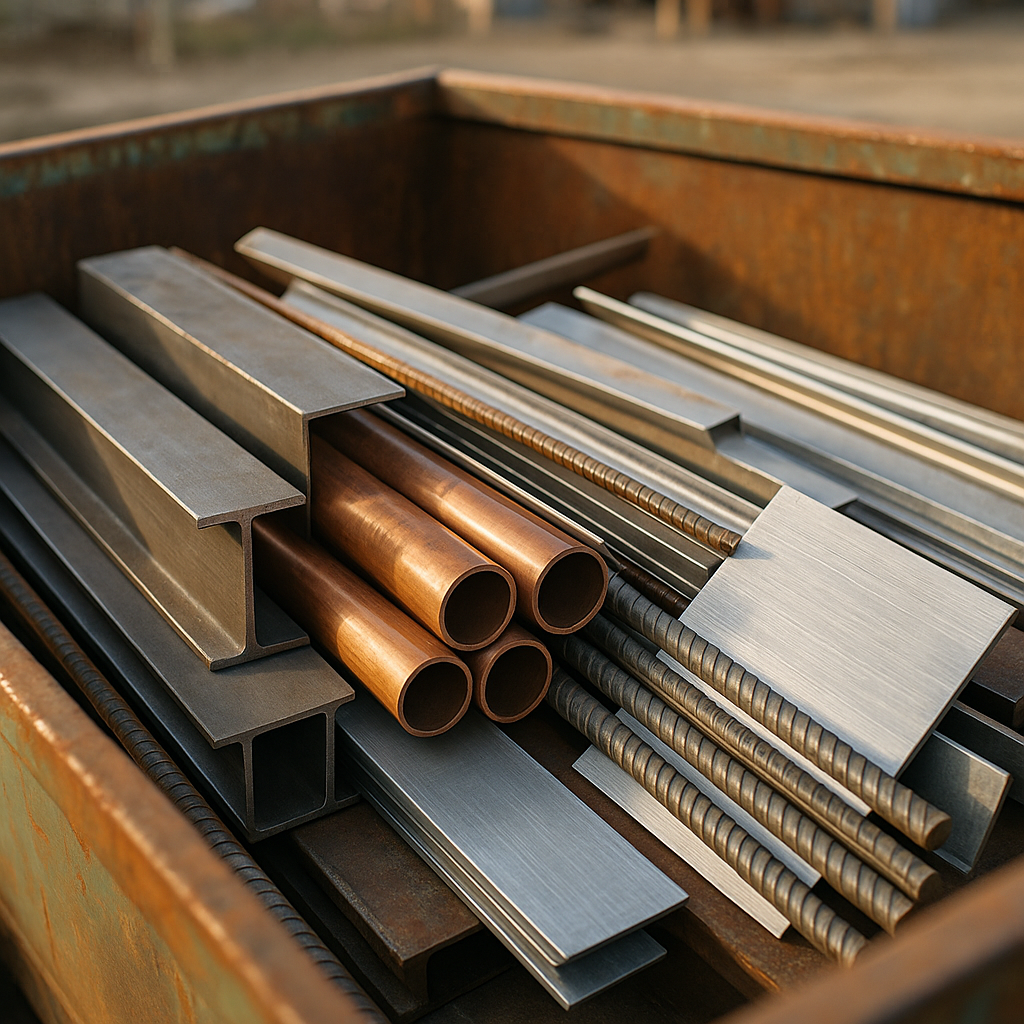
Construction dumpsters can accommodate most metals produced during building and demolition projects. These containers provide an efficient solution for managing the substantial volumes of scrap metal that accumulate during construction. Knowing which metals are accepted helps project managers streamline waste disposal and avoid potential complications.
The following metals are typically accepted in construction dumpsters:
- Metal sheeting from roofing and siding projects
- Aluminum materials, including window frames and trim
- Ductwork from HVAC installations and removals
- Electrical wiring and conduit
- Steel framing components and rebar
- Cast iron fixtures and piping
- Copper pipes and fittings
- Brass hardware and fixtures
Both ferrous and non-ferrous metals are generally acceptable in construction dumpsters. Ferrous metals contain iron and include materials like steel and cast iron, while non-ferrous metals, such as aluminum and copper, do not contain iron. Non-ferrous metals are particularly valuable for recycling because they can be processed repeatedly without quality degradation.
Certain metal restrictions apply to ensure safe disposal. Scrap metal coated with hazardous substances, such as paints or oils, may require special handling and cannot be placed in standard construction dumpsters. Materials with asbestos insulation or lead-based paints must be processed through specialized disposal channels. Additionally, metal items contaminated with chemicals or other hazardous substances need separate treatment.
Disposal guidelines vary by location and rental provider, so advance confirmation is essential. Weight restrictions may apply, as metal debris can quickly exceed dumpster capacity limits. Some providers offer metal recycling services that can reduce disposal costs while supporting sustainable construction practices. Contact your rental company before loading metal materials to ensure compliance with local regulations and avoid unexpected fees.
Why Should You Use a Dedicated Dumpster for Heavy Materials?
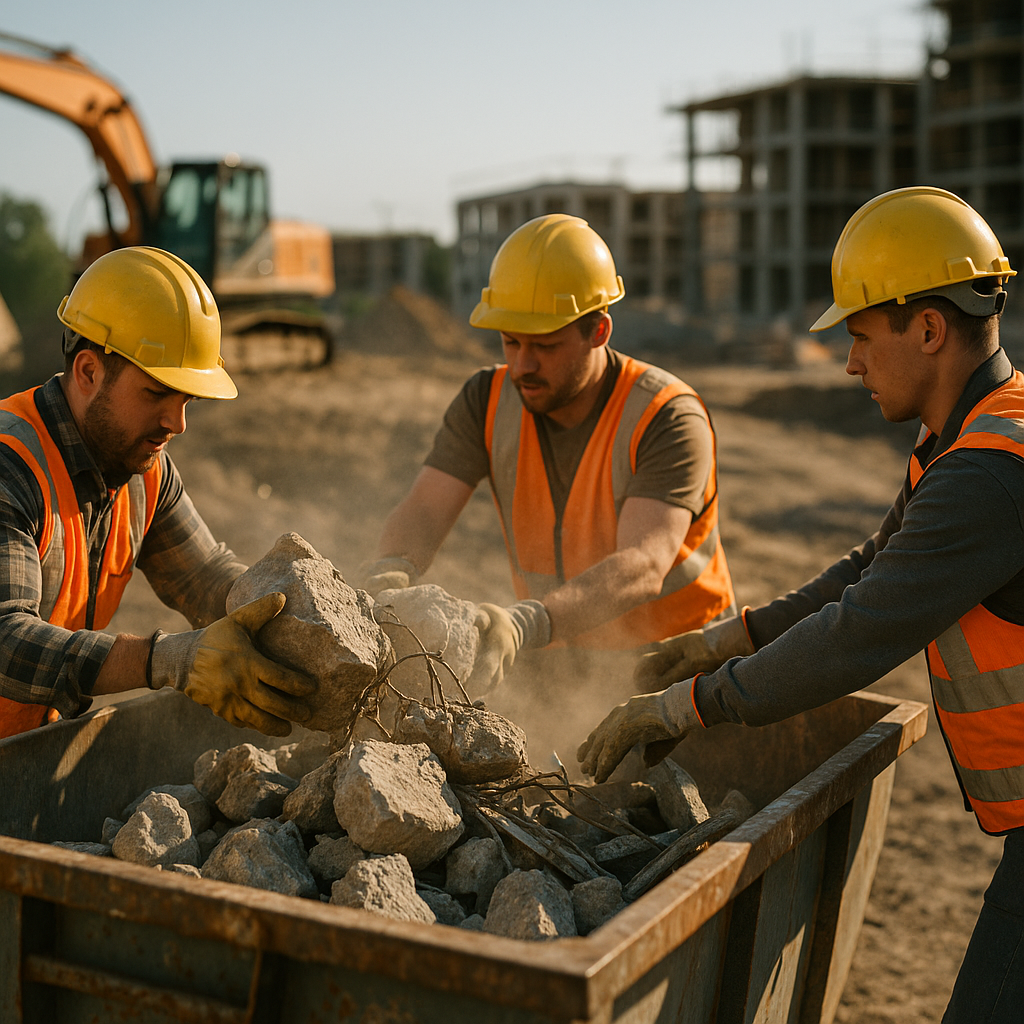
Heavy materials such as metal, concrete, and brick require specialized handling beyond the capabilities of standard waste containers. These dense materials create weight concentrations that can exceed the structural limits of most dumpsters if mixed with other debris. Containers specifically designed for heavy materials prevent equipment failure and facilitate safe transport.
Proper weight distribution is essential when managing dense materials in construction and demolition projects. A 30-yard dumpster filled with concrete can easily surpass its 10-ton weight limit while appearing only half full, creating hazardous conditions during pickup and transport that risk damaging equipment and causing accidents.
Service providers often require heavy materials to be placed in smaller dumpsters of 20 yards or less, which feature reinforced construction and lower profiles to distribute weight more effectively. This reduced size prevents overloading while maintaining structural integrity.
Material separation also prevents contamination, enhancing recycling effectiveness. When metals mix with lighter materials like wood or plastic, the sorting process becomes more complex and costly. Clean separation preserves the recycling value of materials like steel, aluminum, and copper.
Safety extends beyond weight limits and includes proper loading techniques and site organization. Heavy materials can shift during transport if not properly distributed within the container. Dedicated dumpsters enable systematic loading, with denser items placed at the bottom for stability.
The environmental benefits of using dedicated containers for heavy materials are significant. Construction waste management practices that separate materials can achieve recycling rates of up to 90% compared to mixed waste streams. This approach supports circular economy principles by keeping valuable materials in productive use.
Metal recycling benefits from dedicated collection systems that prevent contamination from other materials. Clean metal scraps command higher prices and require less processing energy than contaminated materials, creating an economic incentive that supports ongoing recycling efforts and reduces landfill use.
Operational efficiency improves when heavy materials are managed separately from general construction waste. Dedicated containers can be scheduled for pickup when full rather than waiting for mixed containers to reach capacity, keeping project sites organized and reducing downtime.
Cost management becomes more predictable with dedicated heavy material containers. Projects can avoid overweight fees and additional handling charges associated with mixed loads. This transparent pricing structure helps project managers accurately budget for waste disposal costs.
Which Dumpster Sizes Are Best for Heavy Metal Debris?
When disposing of heavy metal debris, choosing the right roll-off container size is crucial for safety and cost considerations. Smaller dumpsters usually provide the most practical solution for dense materials like scrap metal, steel beams, and cast iron components.
Optimal Size Range for Metal Disposal
Industry standards consistently favor 10-yard, 12-yard, and 15-yard dumpsters for heavy metal debris. These sizes balance capacity with weight limitations effectively. A 10-yard dumpster holds approximately four pickup truck loads while maintaining its structural integrity under heavy loads.
The 12-yard option offers slightly more volume, accommodating five pickup truck loads of material. This size is suitable for medium-scale metal removal projects where extra space is needed but weight constraints still apply. The 15-yard container supports six pickup truck loads of capacity, making it ideal for larger metal cleanouts without exceeding safe weight thresholds.
Weight Capacity Considerations
Weight limits dictate the preference for smaller containers when handling metal debris. Most 10-yard to 15-yard dumpsters safely manage 1-2 tons of material. The density of metal means these containers reach capacity by weight before reaching volume limits.
Larger containers like 20-yard dumpsters can handle 2-3 tons, but their additional size often leads to overloading when filled with metal. This additional capacity becomes counterproductive since weight restrictions prevent full utilization of available space.
| Dumpster Size | Capacity | Weight Limit | Equivalent Truck Loads |
|---|---|---|---|
| 10 Yard | 10 cubic yards | 1-2 tons | 4 pickup loads |
| 12 Yard | 12 cubic yards | 1-2 tons | 5 pickup loads |
| 15 Yard | 15 cubic yards | 1-2 tons | 6 pickup loads |
| 20 Yard | 20 cubic yards | 2-3 tons | 8 pickup loads |
| 30 Yard | 30 cubic yards | 2-4 tons | 14 pickup loads |
| 40 Yard | 40 cubic yards | 4-5 tons | 16 pickup loads |
Practical Applications for Metal Recycling Projects
Small-scale remodeling projects involving structural metal removal are best suited for 10-yard containers. These projects typically generate manageable volumes of heavy debris from sources such as old appliances, metal fixtures, or small structural components.
Larger renovation work often requires 15-yard containers to handle increased material volumes. Construction sites removing metal framing, ductwork, or equipment find this size provides adequate space while respecting weight limitations. Commercial cleanouts involving multiple metal components also fit well within the 15-yard parameters.
The compact dimensions of smaller roll-off containers offer additional advantages for metal disposal projects. They fit into tighter spaces common on remodeling sites while providing easier loading access for heavy materials that require careful placement rather than being thrown.
Your Next Steps for Renting a Metal-Only Dumpster
Renting a construction dumpster specifically for metal is an effective solution for managing project waste. By separating heavy materials and selecting the right dumpster size—such as a 10 or 20-yard container—you can streamline your cleanup process, ensure safety, and support recycling efforts. This strategy maximizes material recovery, reduces landfill waste, and demonstrates environmental responsibility on your job site.
Ready to implement effective metal waste management for your next project? Contact Okon Recycling at 214-717-4083 to discuss your specific metal disposal needs and secure the right dumpster solution for your construction site.
Send Us a Message
Questions about what we do? Interested in commercial services? Let us know below and a member of our team will get back to you.