5901 Botham Jean Blvd, Dallas, TX 75215
Metal Recycling in the Deep Ellum Area: A Guide to Ferrous/Non-Ferrous Scrap and Cash Returns
December 11, 2025The environmental impact of metal recycling extends beyond simple waste reduction. Recycling scrap metal conserves precious natural resources like iron ore, coal, and limestone that would otherwise necessitate energy-intensive mining operations. According to the Environmental Protection Agency, metal recycling reduces greenhouse gas emissions by 29 million tons of carbon dioxide annually. This conservation effort helps protect local ecosystems while slowing the growth of overcrowded landfills throughout the Dallas metropolitan area.
Beyond environmental benefits, metal recycling in Deep Ellum offers tangible financial rewards through competitive and fair pricing structures. Local recycling facilities provide accessible drop-off locations where individuals and businesses can turn scrap metal into immediate cash returns. This dual advantage creates a sustainable legacy where community members actively engage in environmental stewardship while generating additional income from materials that might otherwise become waste.
What Types of Scrap Metal Can You Recycle?
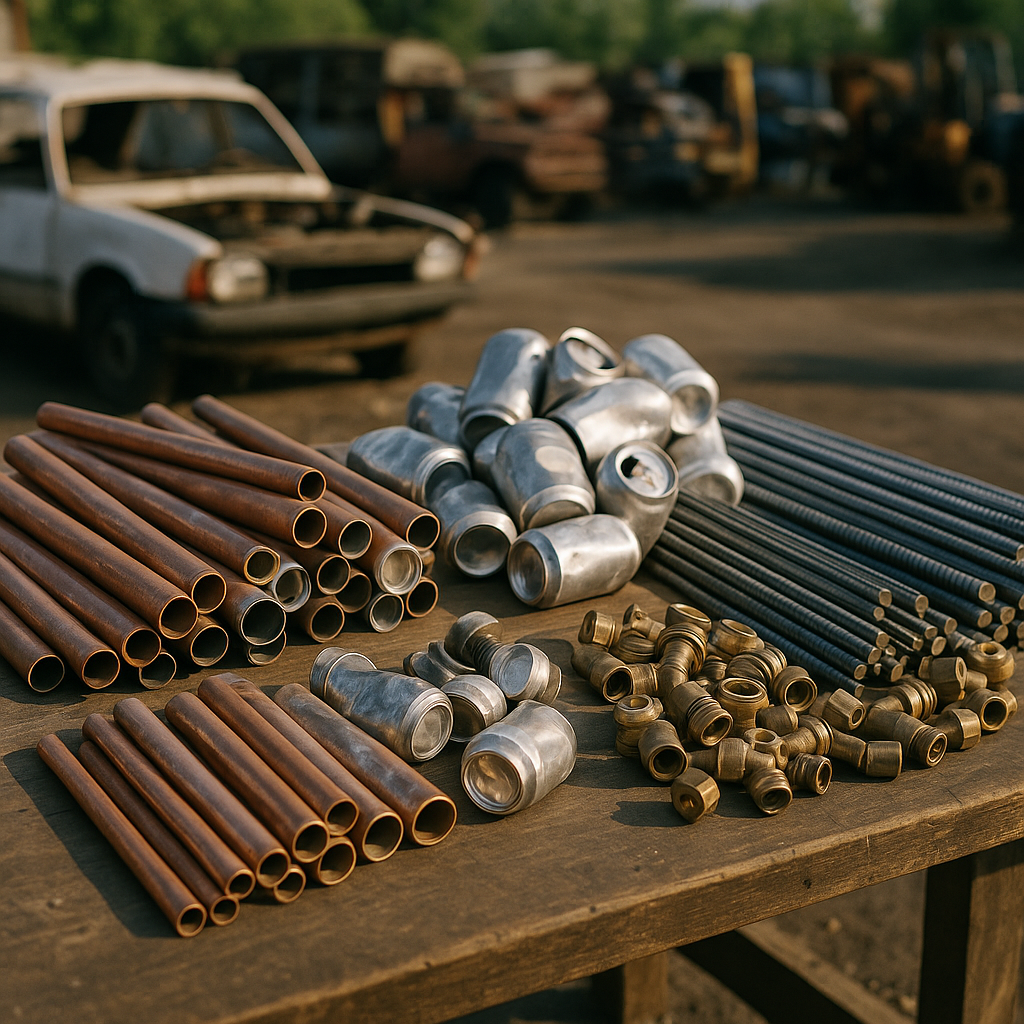
Recycling facilities in the Dallas area process two primary categories of scrap metal: ferrous and non-ferrous materials. Understanding the difference helps facilities efficiently sort and process materials, maximizing recovery value. Each type requires specific handling and offers distinct recycling benefits.
Ferrous Metal Recycling
Ferrous metals contain iron and display magnetic properties, making them easily identifiable during sorting. These materials are fundamental to the construction and manufacturing industries. Steel is the most common ferrous metal accepted at recycling centers.
Low-carbon steel is found in construction materials, nuts, bolts, and structural components. Medium-carbon steel often comes from automotive parts like axles, gears, and crankshafts. High-carbon steel contains additional elements like silicon and manganese, resulting in stronger materials used in springs and cutting tools.
Cast iron and tool steel are also recyclable ferrous materials. Cast iron is used in household items, cookware, and lawn equipment. Known for its heat resistance, tool steel is used in manufacturing dies and machine parts.
Non-Ferrous Metal Recycling
Non-ferrous metals lack iron content and resist corrosion better than ferrous metals. These materials command higher market prices due to their durability and specialized applications. Aluminum recycling is one of the most profitable non-ferrous categories.
Copper recycling includes tubing, electrical wiring, and plumbing components. Brass items such as fittings, decorative hardware, and musical instruments are also valuable. Lead materials from batteries and plumbing fixtures require specialized handling protocols.
Stainless steel contains chromium and nickel, creating corrosion-resistant properties valuable in food service and medical equipment. Titanium, though less common, is used in aerospace and medical applications. Various alloys combine multiple metals to create specialized materials with enhanced properties.
Common Items Accepted for Recycling
End-of-life vehicles provide substantial material recovery through comprehensive dismantling. Recycling centers extract steel from vehicle frames, aluminum from wheels and engine components, and copper from wiring systems. Car parts, including radiators, catalytic converters, and batteries, contain valuable metals worth recovering.
Appliances are another significant source of recyclable metals. Refrigerators, washing machines, and air conditioning units contain steel frames, copper coils, and aluminum components. Professional recycling facilities safely remove refrigerants and other hazardous materials before processing.
Electronic scrap continues to grow as a recycling category due to rapid technology turnover. Circuit boards contain precious metals, including gold, silver, and palladium. Insulated copper wire from electronics and construction projects provides high-value material recovery opportunities.
Aluminum cans offer excellent recycling efficiency, returning to store shelves within 60 days of collection. Industrial aluminum materials, including siding, window frames, and machinery components, generate substantial recycling volumes. Radiators from vehicles and HVAC systems combine aluminum and copper materials.
How Does the Metal Drop-Off and Payment Process Work?
The scrap metal drop-off and payment process is designed for efficiency and customer convenience. Most recycling facilities use a drive-through system to handle individual sellers, reducing wait times and enhancing transparency.
Arrival and Initial Vehicle Assessment
Upon arrival at a scrap metal facility, a greeter assesses your vehicle and load size. This evaluation helps determine the most suitable unloading area for your specific needs. You will be directed to either a standard unloading dock or a specialized weighing station based on your vehicle type and material volume.
Drive-through facilities accommodate a range of vehicle sizes, from small cars with household scrap to larger trucks carrying construction materials. A staff member guides you to an appropriate bay for safe unloading. This systematic approach ensures smooth traffic flow and prevents bottlenecks during busy times.
Weighing and Material Inspection
The weighing process uses state-certified scales for accurate measurements, ensuring fair compensation. Staff calculate your payout using three weight measurements: gross weight (your loaded vehicle), tare weight (your empty vehicle), and net weight (the actual scrap metal delivered). This standardized method prevents measurement disputes, protecting both the facility and the customer.
A team member inspects your materials during unloading to verify metal types and quality grades. Clean, sorted materials usually garner higher per-pound rates than mixed or contaminated scrap. The inspection also identifies prohibited items like propane tanks or hazardous materials before processing.
Each material type is weighed separately if you bring multiple metals in sorted containers. Mixed materials in one container are generally paid based on the lowest-value metal, promoting proper sorting and helping facilities maintain quality standards for their downstream buyers.
Payment Processing and Documentation
After weighing and inspection, staff calculate your total payout based on current market prices for each metal type. Many modern facilities provide detailed receipts that break down quantities and prices by material category. This transparency aids sellers in understanding market values and planning future collection efforts.
Payment methods vary by facility but often include on-site ATMs, electronic transfers, or prepaid cards for immediate compensation. Some recycling facilities have ATMs on-site for immediate cash payments. Electronic payment options add convenience for regular sellers who prefer digital transactions.
The entire process from arrival to payment typically takes 15-30 minutes, depending on load size and facility traffic. Customer-focused operations prioritize quick turnaround times while maintaining accuracy in measurements and payments. This efficiency encourages repeat business and supports the circular economy by making recycling more accessible to individual contributors.
Required Documentation and Compliance
All scrap metal transactions require valid government-issued photo identification to comply with state and federal regulations. Facilities must maintain detailed records of all purchases, including seller information and material descriptions. Some states require additional documentation such as proof of address or vehicle registration.
The documentation process serves multiple purposes beyond regulatory compliance. It deters theft by creating accountability for sellers and provides law enforcement with transaction records if necessary. Facilities typically keep these records for several years to ensure ongoing compliance.
First-time sellers should bring their driver’s license or state ID card to expedite the transaction. Having proper identification ready streamlines the process and underscores the legitimate nature of your materials. This requirement applies to all sellers, regardless of transaction size or frequency.
What Services Are Available for Businesses and Contractors?
Recycling services for commercial and industrial clients offer comprehensive scrap management solutions designed to efficiently handle substantial material volumes. These services meet the unique demands of manufacturing plants, construction sites, and large industrial partners generating significant quantities of recyclable materials. Professional recycling providers offer specialized container systems to accommodate both routine manufacturing waste and major demolition debris.
Roll-off containers are central to business recycling operations. These large-capacity units provide convenient drop-off and pickup services that integrate smoothly with job site workflows. Container sizes typically range from 10-yard units for smaller commercial operations to 40-yard containers for major industrial projects. Flexible scheduling allows businesses to maintain consistent material flow without interrupting production schedules or construction timelines.
Specialized pricing structures make these services accessible across various business segments. Contractors benefit from volume-based rates that cater to their high-demand needs during demolition and construction projects. Small business owners can opt for cost-effective solutions through tailored service agreements that align with their material generation patterns. Industrial companies often secure long-term contracts for predictable pricing on ongoing scrap management.
Service customization goes beyond container delivery to include comprehensive material handling solutions. Many providers offer on-site consultations to optimize collection schedules and container placement for maximum efficiency. Major waste management companies integrate these services into broader sustainability programs, helping businesses meet environmental compliance while maximizing material recovery value.
The logistics of business recycling services prioritize operational efficiency and minimal workplace disruption. Scheduled pickup services coordinate with business operations to ensure containers are serviced during optimal times. Emergency pickup capabilities address unexpected material surges that may occur during intensive project phases or equipment changeovers at manufacturing facilities.
Conclusion: Contribute to a Cleaner Future by Recycling Scrap Metal

Recycling scrap metal in the Dallas area offers lasting environmental and economic benefits for our community. This sustainable practice conserves natural resources by reducing the need for energy-intensive mining operations and supports the circular economy through the continuous reuse of valuable raw materials. The environmental commitment extends beyond immediate waste reduction. Metal recycling can save up to 95% of the energy needed for aluminum production and significantly reduce greenhouse gas emissions, contributing to a cleaner future for generations.
Whether you represent a large industrial operation or have household metal items to recycle, your participation makes a measurable difference in building valuable relationships within our sustainable ecosystem. Go Green initiatives begin with individual actions that collectively transform our environmental impact. Ready to turn your scrap metal into environmental progress?
Contact Okon Recycling at 214-717-4083 to start your recycling journey today.
Send Us a Message
Questions about what we do? Interested in commercial services? Let us know below and a member of our team will get back to you.