5901 Botham Jean Blvd, Dallas, TX 75215
Where Can You Find Metal Recycling Near Lockheed Martin Fort Worth?
December 11, 2025The industrial landscape around Lockheed Martin’s Fort Worth facility supports several established metal recycling centers within a convenient radius. These centers process a range of materials, from aluminum cans to heavy steel components, catering to both individual contractors and large-scale industrial operations in the area.
The recycling centers near Lockheed Martin Fort Worth offer varying specializations and operating schedules. Some focus on walk-up service for smaller loads, while others provide roll-off container services for construction sites and manufacturing facilities. Each center has specific material acceptance policies and pricing structures that align with current market conditions.
Knowing which recycling centers accept your materials can save time and maximize returns. This guide reviews key considerations for metal recycling in the Fort Worth area, accepted materials, operating procedures, and the documentation required to complete transactions efficiently.
What Should You Look for in a Fort Worth Metal Recycling Center?
Fort Worth is home to several well-established metal recycling facilities that serve both individual customers and industrial clients throughout Tarrant County. The city’s strategic location and industrial infrastructure make it a hub for scrap metal processing and recycling operations.
Comprehensive Service Offerings
Quality recycling facilities provide comprehensive scrap metal recycling services throughout the Fort Worth area, including the Mid-Cities and surrounding communities. Look for centers that offer both walk-up service for smaller quantities and industrial-scale solutions with roll-off container services for construction sites and manufacturing operations.
The best facilities accommodate various customer needs, from individual contractors bringing in aluminum cans to large industrial operations requiring scheduled pickups and container services. Modern recycling centers should handle both ferrous metals like iron and steel and non-ferrous materials including aluminum, copper, and brass.
Facility Features and Convenience
Consider facilities that offer customer-friendly amenities such as covered unloading areas that protect you from weather conditions during transactions. Indoor recycling facilities provide year-round comfort and protection from Texas heat and rain, making the recycling process more pleasant regardless of season.
Operating hours are another important factor. Most facilities operate Monday through Friday during standard business hours, typically from 8:00 AM to 4:30 PM or 5:00 PM. Many quality centers also offer Saturday morning hours to accommodate weekend customers who cannot visit during the week.
Specialized Capabilities
Look for facilities that can handle specialized materials beyond basic scrap metal. End-of-life vehicle processing, for example, requires specific equipment and expertise. Centers with comprehensive capabilities can accept auto batteries, catalytic converters, and other automotive components that contain valuable materials.
Industrial scrap management requires different capabilities than residential recycling. Facilities serving industrial clients should offer material grading services, equipment packages, and flexible scheduling to accommodate production cycles and project timelines.
Market Knowledge and Fair Pricing
Reputable recycling centers maintain transparent pricing structures that align with current market conditions. Copper, aluminum, and other non-ferrous metals fluctuate based on global demand, so facilities should provide current pricing information and explain how different material grades affect compensation.
Professional recyclers use certified scales and provide detailed receipts showing material weights, grades, and transaction amounts. This transparency ensures you receive fair compensation for your materials while maintaining accurate records for business purposes.
Location and Accessibility
Fort Worth’s recycling infrastructure includes facilities distributed throughout the area, making it convenient to find a center near your location. Consider proximity to your home, business, or project site when selecting a recycler, as this affects transportation costs and time.
Facilities near major industrial areas like the Lockheed Martin Fort Worth facility often have experience handling aerospace and defense industry materials, understanding the specific requirements and documentation needs of these sectors.
What Types of Scrap Metal Can You Recycle?
Fort Worth recycling centers accept a comprehensive range of scrap metals, divided into two main categories: ferrous and non-ferrous materials. This classification helps facilities process metals efficiently and ensures proper pricing for different material grades.
Ferrous Metals
Ferrous metals contain iron and represent some of the most commonly recycled materials in Fort Worth. Steel and iron make up the bulk of ferrous scrap, including structural steel, rebar, and cast iron components. These materials are magnetic, which simplifies separation during sorting.
Recycling centers typically accept both prepared and unprepared ferrous scrap. Prepared materials have been processed to remove contaminants, while unprepared scrap may contain attachments or other materials requiring additional processing.
Non-ferrous Metals
Non-ferrous metals command higher prices due to their resistance to corrosion and specialized applications. Fort Worth facilities purchase aluminum in various forms, including sheet aluminum, cast aluminum, and aluminum cans. Aluminum wheels from vehicles are particularly valuable because of their alloy composition.
Copper is one of the most sought-after non-ferrous metals. Recycling centers accept different copper grades, from clean copper pipes to insulated copper wires. The copper market fluctuates based on global demand, making copper prices a key factor for recyclers.
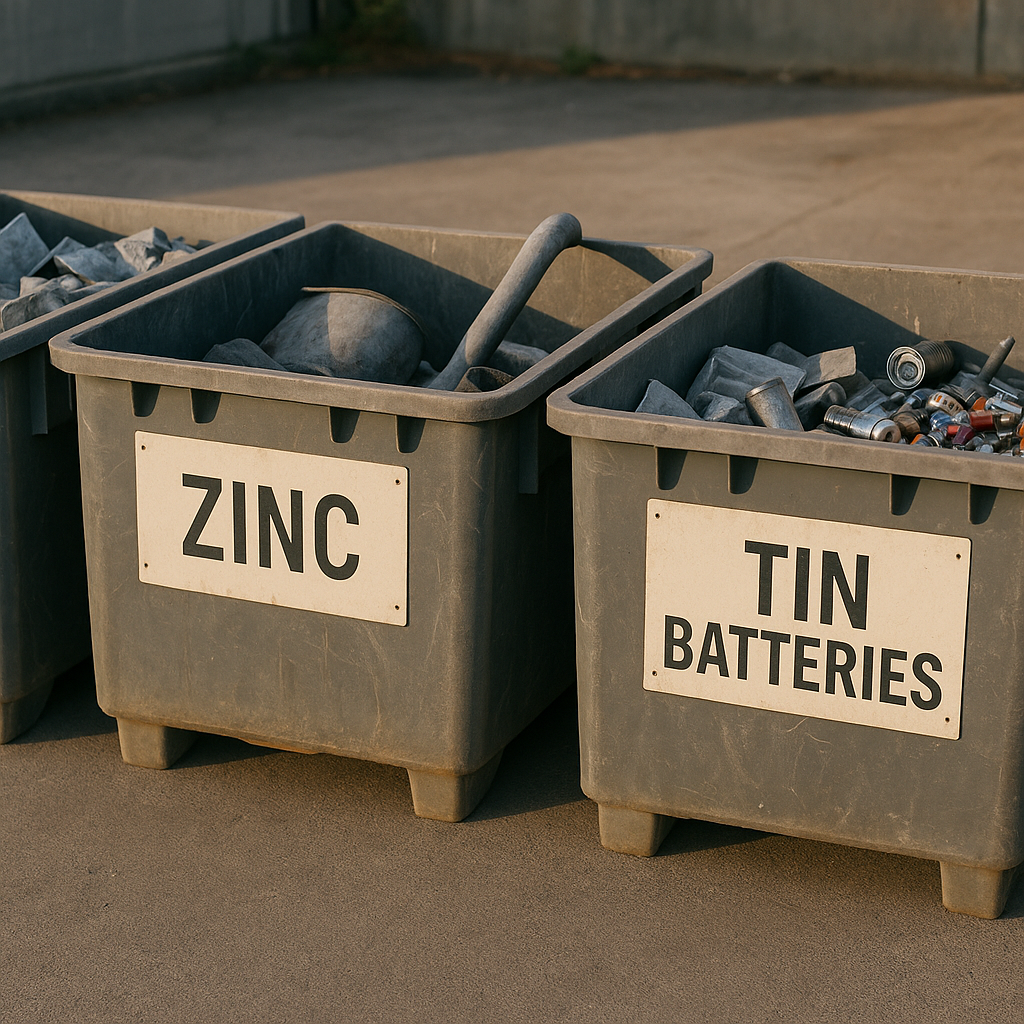
Other valuable non-ferrous metals include brass, bronze, lead, stainless steel, nickel alloys, titanium, and zinc. Brass radiators from older HVAC systems contain high-grade brass that recycling centers actively seek.
Common Household and Automotive Items
Beyond raw metals, Fort Worth recycling centers accept numerous finished products. Auto batteries contain lead and acid components that require specialized handling. Junk cars provide a significant source of both ferrous and non-ferrous materials, from steel body panels to copper wiring.
Domestic appliances like refrigerators and freezers contain valuable metals, offering steel for housing, copper from compressor components, and aluminum from condensers. Small electrical items also contribute copper and aluminum content.
Kitchen items such as pots, pans, skillets, and baking sheets made from stainless steel or aluminum are readily accepted, maintaining their value even after extended household use.
Industrial and Construction Materials
Construction-related scrap metal forms a substantial portion of recycling volume. Metal fencing, posts, gutters, and rebar from renovation projects provide steady material streams. Bed rails, mailboxes, and various car parts (excluding engine components) also find their way to recycling centers.
Cable and wire products contain valuable copper cores surrounded by insulation. Different wire grades receive varying prices based on copper content and the ease of processing required to extract the metal.
Are There Any Items That Recycling Centers Won’t Accept?
Recycling facilities enforce strict rules regarding prohibited items to safeguard workers, equipment, and the environment. These restrictions are essential for safety and regulatory compliance, and they cannot be compromised. Understanding which materials recycling centers reject helps municipalities and businesses avoid costly disposal delays and potential safety hazards.
Hazardous waste is the largest category of prohibited materials at most recycling facilities. Asbestos, radioactive materials, and polychlorinated biphenyls (PCBs) pose severe health risks to sorting personnel and can contaminate entire material streams. Flammable liquids and compressed gas cylinders create explosion risks that could damage expensive processing equipment and endanger lives.
Electronic equipment presents unique challenges that many recycling centers avoid due to specialized handling requirements. Computers, scanners, televisions, and cell phones contain toxic components like lead and mercury. These materials require dedicated e-waste processing facilities with proper ventilation systems and trained technicians. Standard materials recovery facilities lack the infrastructure to dismantle these complex products safely.
Automotive products and industrial chemicals must adhere to strict hazardous waste regulations that recycling centers follow. Used motor oil, antifreeze, paint, and pesticides need special permits and disposal methods that exceed most facilities’ operational scope. Drained oil filters and similar automotive waste can leak residual chemicals, contaminating recyclable materials such as cardboard and metals.
Sealed containers and leaking batteries create contamination risks that compromise entire loads of recyclable materials. CFCs from old appliances pose ozone depletion concerns requiring specialized recovery equipment. Even seemingly harmless items like concrete and construction debris exceed the weight limits of standard sorting machinery and can damage conveyor systems.
We maintain these restrictions to comply with federal and state environmental regulations, protecting our workers and processing equipment. Facilities that accept prohibited materials face substantial fines and potential shutdowns from regulatory agencies. The safety protocols we follow protect both our operations and the communities we serve from exposure to dangerous substances.
What Are the Payment Guidelines and ID Requirements for Selling Scrap Metal?
Selling scrap metal in Texas involves specific documentation and follows strict payment protocols under the Texas Occupations Code, Chapter 1956. These regulations apply to all transactions with registered Metal Recycling Entities to prevent theft and ensure legitimate sellers receive proper compensation.
Required Identification Documents
Sellers must present a valid government-issued photo ID to complete any scrap metal transaction. Acceptable IDs include a driver’s license, military ID card, or state-issued identification. The Metal Recycling Entity will photocopy this ID and maintain records for at least three years.
In addition to the basic ID requirement, facilities may photograph the seller and record vehicle information, including the make, model, and license plate number. This thorough documentation helps create a complete transaction record, supporting regulatory compliance and theft prevention.
Cash Card Payment System
The cash transaction card system, issued by Metal Recycling Entities, provides the most convenient payment method, allowing sellers to receive immediate cash or debit card payments. To obtain a cash card, sellers must complete an application process, including providing personal information, having a digital photograph taken, and submitting a thumbprint for verification.
Cash cards are valid for up to two years from the issue date and feature the seller’s name, address, photo, and a unique identifying number. The card also shows the issuing facility’s name and Texas registration number, with information displayed in English. Cards are made from durable materials like laminated or plastic construction for long-term use.
Alternative Payment Methods
Sellers without cash transaction cards receive payment through alternative methods mandated by Texas law. The most common option is check payment, mailed to the address on the seller’s government-issued ID. Money orders and electronic funds transfers are additional alternatives when cash cards are unavailable.
These payment restrictions help prevent fraudulent transactions while ensuring sellers receive proper compensation. The waiting period associated with check payments also gives law enforcement time to investigate potentially stolen materials before final payment processing.
Additional Transaction Requirements
Metal Recycling Entities must collect additional information during each transaction beyond basic ID verification. This includes recording the seller’s name, address, and contact details, along with descriptions of the materials being sold. Facilities typically weigh materials and provide receipts showing the transaction amount and material specifications.
Certain regulated metals, like copper, aluminum, and HVAC components, may require additional documentation or waiting periods before payment processing. These materials often receive enhanced scrutiny due to their high theft potential and market value.
Getting Started With Metal Recycling in Fort Worth
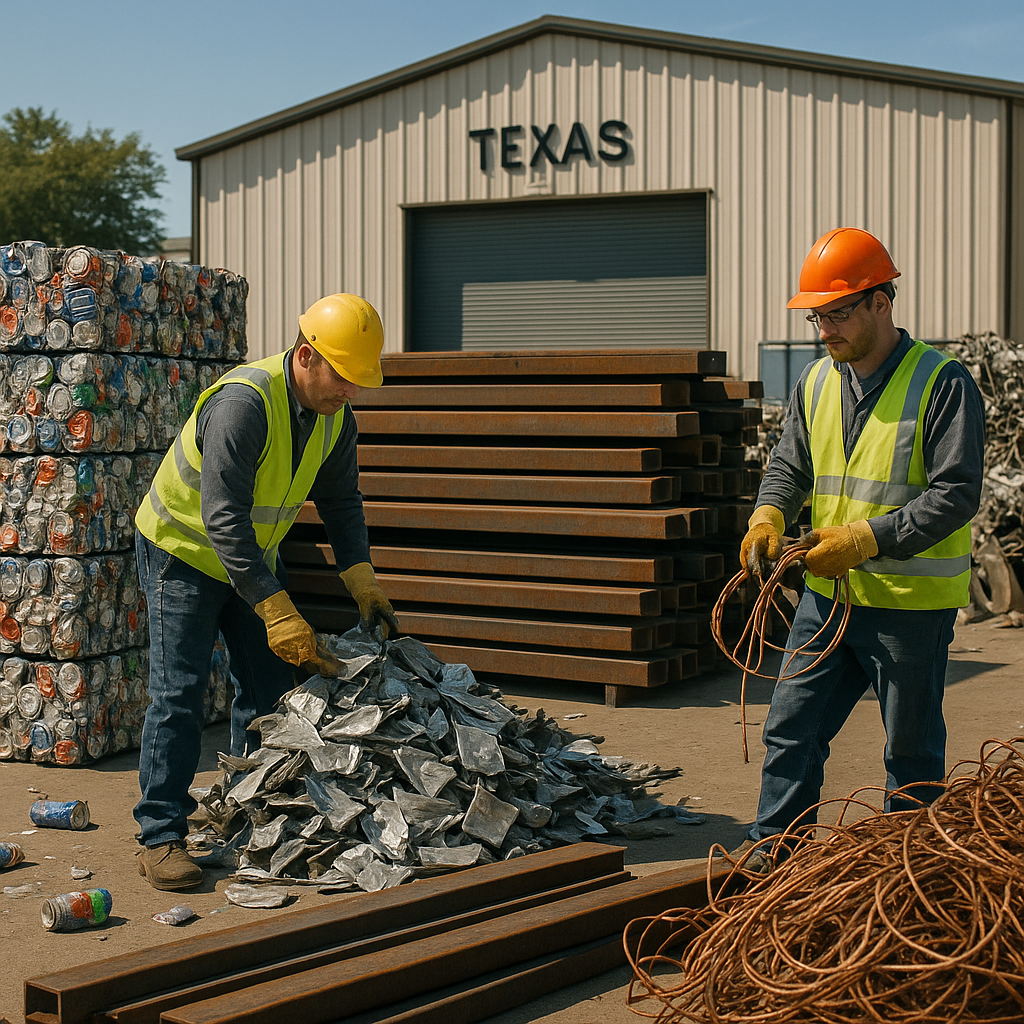
Recycling scrap metal in the Fort Worth area is straightforward, with professional facilities available throughout the region. Quality recyclers offer competitive pricing for both ferrous and non-ferrous metals, accepting everything from aluminum cans and copper wire to steel appliances and cast iron.
Success in scrap metal recycling requires proper preparation and understanding of facility requirements. Bring valid identification, such as a driver’s license or military ID, and separate your metals by type beforehand to streamline the process. Contact Okon Recycling at 214-717-4083 for professional scrap metal recycling services and current pricing information.
Send Us a Message
Questions about what we do? Interested in commercial services? Let us know below and a member of our team will get back to you.