5901 Botham Jean Blvd, Dallas, TX 75215
Why Is the Recycling of Superconducting Wire a Growing Priority?
December 16, 2025Hospital basements across the country hold a hidden treasure in the form of machines worth tens of thousands of dollars each. When MRI scanners reach the end of their life, most facilities see only bulky electronic waste. Yet, these devices contain superconducting wire made from valuable metals like copper, niobium-titanium, and rare earth elements that create the powerful magnetic fields essential for medical diagnostics.
The superconducting wire recovery industry is facing a unique opportunity as healthcare facilities upgrade aging equipment. Advanced material recovery specialists have developed specialized methods to extract copper, titanium, and niobium from decommissioned MRI systems. These materials command premium prices due to their critical applications in advanced technology and the limited global supply chains.
Growing environmental regulations and resource scarcity make sustainable material recovery of superconducting wire essential beyond its economic benefits. The end-of-life process for complex medical equipment transforms potential electronic waste into valuable raw materials for new manufacturing. This circular approach reduces the demand for mining critical metals while creating new revenue streams for healthcare facilities and recovery operators who recognize the strategic value hidden within retired magnetic imaging devices.
Why Superconducting Wire Recycling Is Becoming a Strategic Priority
The recycling of superconducting wire has emerged as a critical priority driven by converging economic, environmental, and supply chain pressures. Understanding these forces reveals why organizations across healthcare, manufacturing, and technology sectors are prioritizing material recovery from decommissioned equipment.
Supply Chain Vulnerability and Strategic Metal Shortages
Global supply chains for critical metals face unprecedented strain. Niobium production is concentrated in just a few countries, with Brazil controlling approximately 90% of the world’s supply. Similarly, rare earth elements essential for superconducting applications depend heavily on limited geographic sources. This concentration creates supply vulnerabilities that threaten industries relying on these materials for advanced technologies.
The demand for superconducting materials continues to accelerate across multiple sectors. Medical imaging facilities worldwide require steady supplies of replacement equipment. Clean energy infrastructure, including wind turbines and advanced power transmission systems, depends on these same critical metals. As new applications emerge in quantum computing and magnetic levitation transportation, competition for finite primary resources intensifies.
Recycling superconducting wire provides a domestic source of these strategic materials, reducing dependence on volatile international markets. Healthcare facilities and research institutions can contribute to supply chain resilience while extracting economic value from equipment they would otherwise dispose of at a cost.
Economic Incentives Driving Recovery Operations
The financial case for superconducting wire recycling has strengthened considerably. A single decommissioned MRI scanner can contain several hundred pounds of valuable wire material. The copper, niobium-titanium alloys, and rare earth elements recovered from one unit can generate tens of thousands of dollars in material value.
Traditional disposal of medical imaging equipment involves significant costs. Facilities must pay for specialized removal, transportation, and environmentally compliant disposal of these complex systems. By contrast, material recovery programs transform this cost center into a revenue opportunity. Healthcare organizations can offset equipment upgrade expenses while meeting sustainability objectives.
The price premium for recovered materials continues to rise as manufacturers recognize the quality and reliability of recycled superconducting metals. These recovered materials often match or exceed the purity of newly mined alternatives, making them highly desirable for original equipment manufacturers seeking sustainable supply chains.
Regulatory Pressure and Environmental Compliance
Environmental regulations governing electronic waste disposal are tightening globally. Extended Producer Responsibility programs increasingly hold manufacturers accountable for end-of-life management of complex equipment. Landfill restrictions on electronic waste containing valuable and potentially hazardous materials are expanding across jurisdictions.
Healthcare facilities face particular scrutiny regarding environmental stewardship. Hospitals and medical centers must demonstrate responsible waste management practices to maintain accreditation and community trust. Recycling superconducting wire aligns with corporate sustainability commitments and Environmental, Social, and Governance reporting requirements that investors and stakeholders demand.
The carbon footprint of recycled materials is dramatically lower than primary extraction. Mining and refining virgin metals requires intensive energy consumption and generates substantial environmental impact. Material recovery processes, particularly modern low-temperature chemical methods, use a fraction of the energy while avoiding the landscape disruption and water contamination associated with mining operations.
Technological Advancement Enabling Practical Recovery
Recent innovations in materials processing have made superconducting wire recycling economically viable at scale. Advanced pyrolysis systems and electrochemical separation technologies can now efficiently extract valuable metals from complex composite materials. These technological breakthroughs have transformed what was once an experimental concept into a commercially practical operation.
The development of specialized recovery methods for rare earth elements represents a particular milestone. Previous limitations in separating and purifying these materials from electronic waste have been overcome through proprietary solvent technologies. Recovery rates approaching 99.8% ensure minimal material loss during processing, maximizing both economic returns and environmental benefits.
As these technologies mature and scale, the economics of superconducting wire recycling continue to improve. Processing costs decline while recovery efficiency increases, creating a compelling value proposition for healthcare facilities and recovery operators alike.
Primary Sources of Recyclable Superconducting Wires
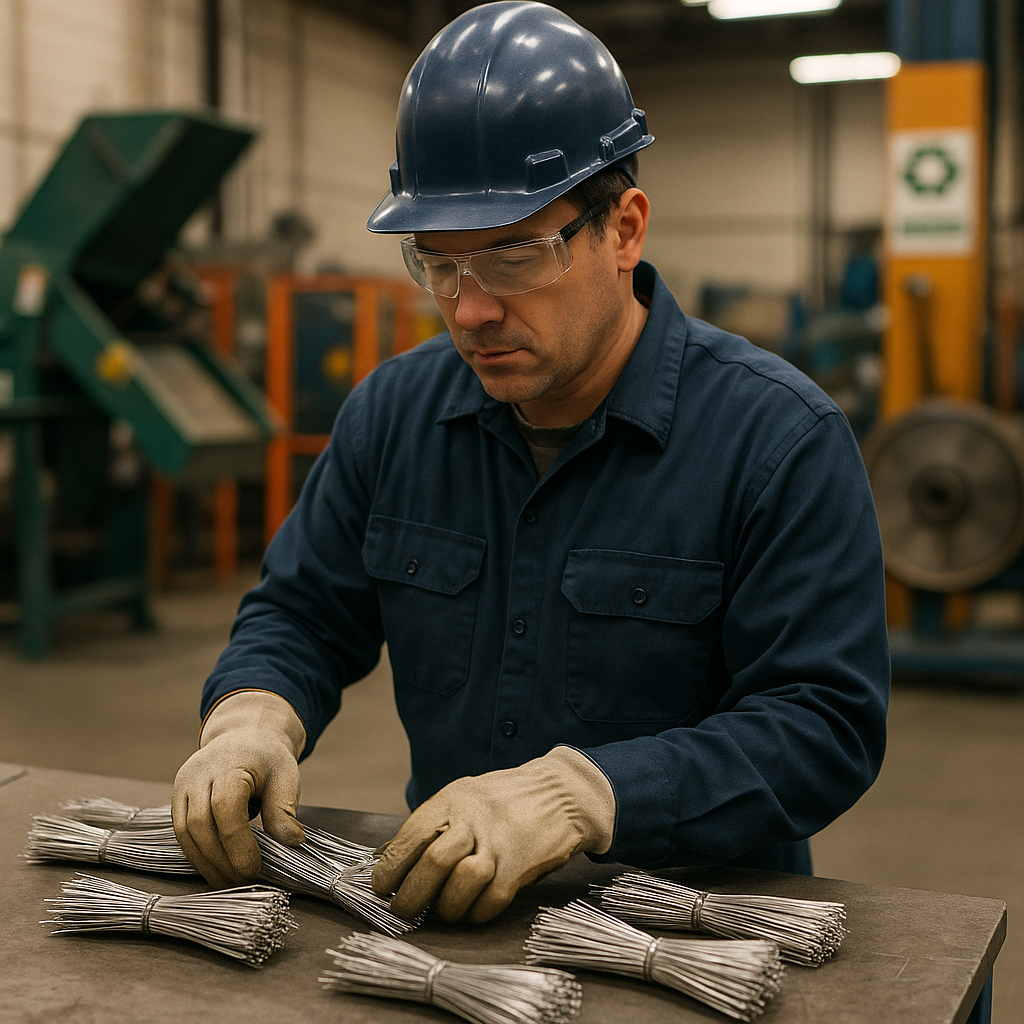
End-of-life medical imaging equipment is currently the most significant source of recoverable superconducting wires in the market. MRI scanners are predominant in this category due to their extensive use in hospitals and diagnostic centers worldwide. These machines contain substantial amounts of valuable superconducting materials that can be recovered and reprocessed.
The superconducting magnet is the core of every MRI scanner. This critical component consists of a tightly wound spool of specialized wire, typically made of copper and titanium-niobium alloys. These materials generate the powerful magnetic field necessary for medical imaging.
Each superconducting coil is a concentrated source of high-value metals. When an MRI scanner reaches the end of its operational life, usually after 10-15 years, the entire magnet assembly becomes available for materials recovery. Specialized recovery specialists have developed techniques to extract copper, titanium, and niobium from these decommissioned scanners.
NMR spectrometers are another valuable source of superconducting wire materials. These laboratory instruments utilize similar superconducting magnet technology for molecular analysis. Research facilities and pharmaceutical companies regularly replace these units, providing additional recovery opportunities.
The wire in both MRI scanners and NMR spectrometers requires extreme cooling—typically using liquid helium—to maintain superconducting properties during operation. This wire, often composed of multi-filaments embedded in a copper matrix, contains high concentrations of valuable metals. The coils must maintain precise specifications to generate stable magnetic fields for accurate results.
Hospitals and medical centers generate the highest volume of this specialized electronic waste stream. Large medical facilities may decommission multiple MRI units annually as they upgrade to newer technology. Each decommissioned scanner can contain several hundred pounds of superconducting wire material, making medical facilities prime sources for materials recovery operations.
Innovative Technologies Solving Recovery Challenges
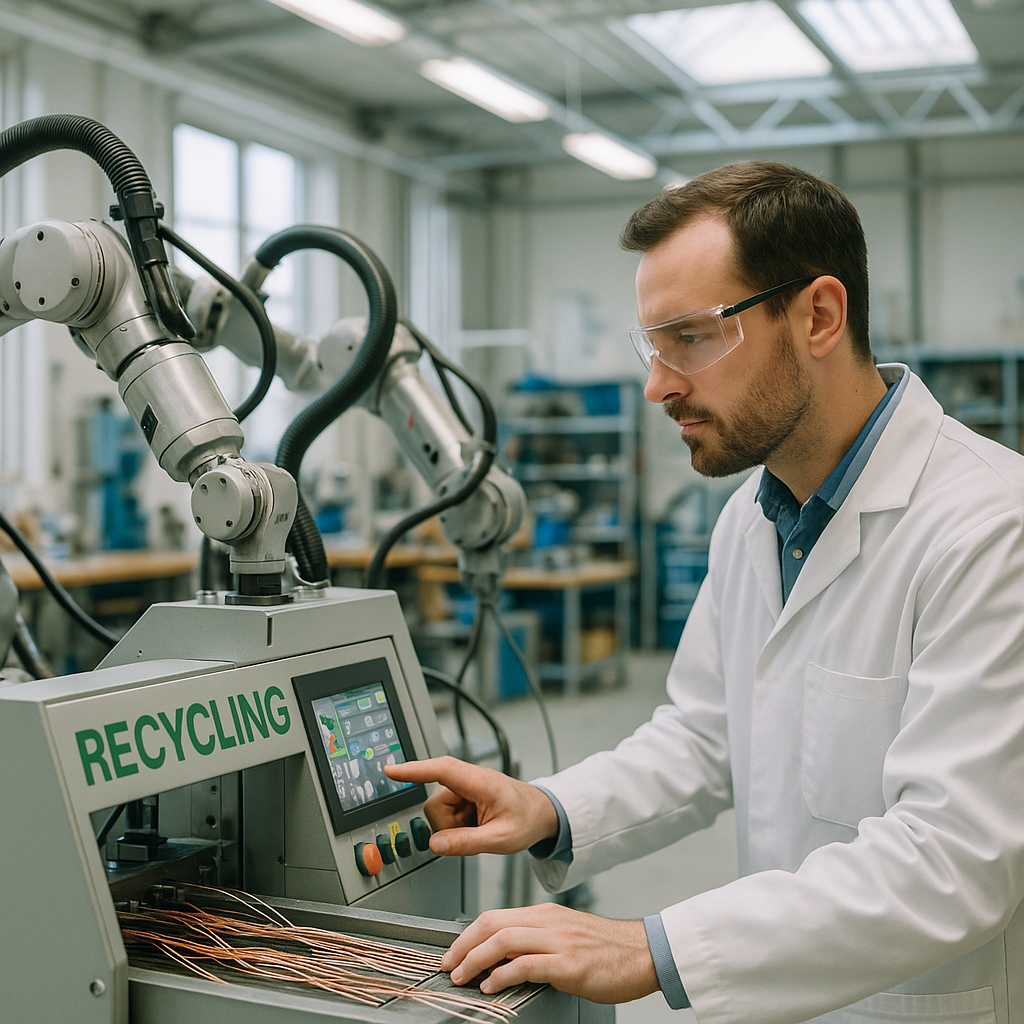
Advanced recovery technologies are transforming how we reclaim valuable materials from complex waste streams. Sophisticated industrial facilities employ specialized approaches to solve challenging material separation problems.
Modern processing utilizes a sophisticated two-stage method for electronic components containing both metallic and non-metallic materials. A pyrolysis furnace operates at controlled high temperatures to break down complex resin-coated materials. This thermal treatment separates organic compounds from metal components without releasing harmful emissions by heating the material in an oxygen-free environment.
Following pyrolysis, facilities employ electrochemical methods that achieve exceptional purity levels. This process separates metals through controlled electrical currents, producing pure electrolytic copper and recovering specialized materials like niobium-titanium wire, which often end up in landfills using traditional disposal methods.
Rare Earth Element Recovery Breakthrough
Innovative material science now tackles one of the industry’s most challenging problems: recovering rare earth elements from electronic waste. Proprietary solvent technology represents a significant advancement in materials recovery, specifically targeting neodymium-iron-boron (NdFeB) magnets found in hard drives, wind turbines, and magnetic imaging assemblies.
Recovery efficiency in these advanced systems can reach 99.8%, ensuring virtually no valuable material is lost during processing. These technologies extract rare earth elements through low-temperature chemical processes. Unlike traditional methods, this advanced technology minimizes waste and focuses on resource efficiency.
The recovered materials retain their original quality and purity, allowing original equipment manufacturers to use these recycled rare earth elements to create new magnets for clean energy technologies. This approach closes the loop on materials that previously required environmentally intensive mining operations.
Technology Integration in Modern Facilities
These innovations demonstrate how specialized equipment can address previously unsolvable recovery challenges. Pyrolysis furnaces necessitate precise temperature control and emission management systems. Electrochemical separation requires sophisticated monitoring to maintain optimal current levels and processing conditions.
Solvent-based approaches require infrastructure focused on chemical processing and purification. The low-temperature requirements significantly reduce energy consumption compared to high-heat alternatives. This blend of efficiency and environmental responsibility makes these technologies attractive for large-scale deployment.
These innovations signify a shift towards targeting specific material streams with customized solutions. Instead of generic processing, modern facilities develop technologies tailored to particular waste compositions and desired output qualities.
Conclusion: The Economic and Environmental Future of Superconducting Wire Recovery

Advancements in recovering superconducting wire are fostering a circular economy for critical and rare earth metals. High-efficiency processes not only reduce landfill waste but also create new revenue streams from discarded electronic equipment. By recovering materials like copper, niobium, and titanium, this specialized recovery supports sustainable industrial practices and provides a strategic edge by reusing valuable resources. The economic benefits extend beyond immediate cost savings, as material recovery requires significantly less energy than primary extraction and supports ESG reports and environmental compliance initiatives.
As superconducting technology expands in energy storage, transportation, and industrial applications, developing robust recovery infrastructure becomes increasingly crucial for long-term sustainability. The circular economy for critical metals not only addresses resource scarcity challenges but also positions organizations as leaders in environmental stewardship.
For businesses seeking to optimize their superconducting wire recovery processes and maximize both economic and environmental benefits, contact Okon Recycling at 214-717-4083.
Send Us a Message
Questions about what we do? Interested in commercial services? Let us know below and a member of our team will get back to you.