5901 Botham Jean Blvd, Dallas, TX 75215
Aluminum Bronze Valve Recycling: A Guide to Process, Alloys, and Energy Savings
December 3, 2025Industrial facilities generate thousands of pounds of aluminum bronze valve waste annually. These specialized components contain valuable copper and tin alloys that represent significant economic value when properly recovered. Recycling aluminum bronze valves saves up to 95% of the energy required for primary metal production while supporting the circular economy.
Aluminum bronze valve recycling involves collecting, sorting, and reprocessing these industrial components to recover their base metals. The process transforms end-of-life valves from marine applications, manufacturing equipment, and infrastructure systems into raw materials for new products. This sustainable practice reduces our dependence on mining operations that extract copper and tin ores from increasingly scarce natural resources.
What is Aluminum Bronze?
Aluminum bronze is a type of bronze alloy where aluminum serves as the main alloying metal added to copper. Unlike standard bronze that combines copper with tin, or brass that pairs copper with zinc, aluminum bronze creates a distinct material with enhanced properties through its unique composition.
The typical composition includes approximately 88-92% copper and 4-14% aluminum by weight. Most commercial aluminum bronze alloys contain between 5% to 11% aluminum, with the remaining mass being copper. Additional alloying elements such as iron, nickel, manganese, and silicon are often included in smaller quantities to enhance specific properties.
This alloy composition creates significant advantages over traditional bronze formulations. The aluminum content forms a protective aluminum oxide layer when exposed to air and moisture, providing exceptional corrosion resistance. This aluminum oxide barrier makes the material highly resistant to atmospheric corrosion, seawater exposure, and various industrial chemicals.
Different aluminum bronze compositions serve specific industrial needs. High-alloyed variants contain 8-11% aluminum and are often combined with iron or nickel for enhanced strength. Low-nickel aluminum bronze contains less than 8% aluminum and offers better workability. Silicon-aluminum bronzes incorporate up to 2% silicon alongside 6% aluminum for improved mechanical properties.
The distinction from other copper alloys becomes clear when examining applications. While brass finds use in decorative applications and standard bronze serves general engineering purposes, aluminum bronze excels in demanding environments requiring both strength and corrosion resistance. Marine applications particularly benefit from aluminum bronze’s resistance to seawater corrosion, making it ideal for propellers, pump components, and shipbuilding hardware.
How are Bronze Alloys Like Those in Valves Recycled?
Collection and Initial Processing
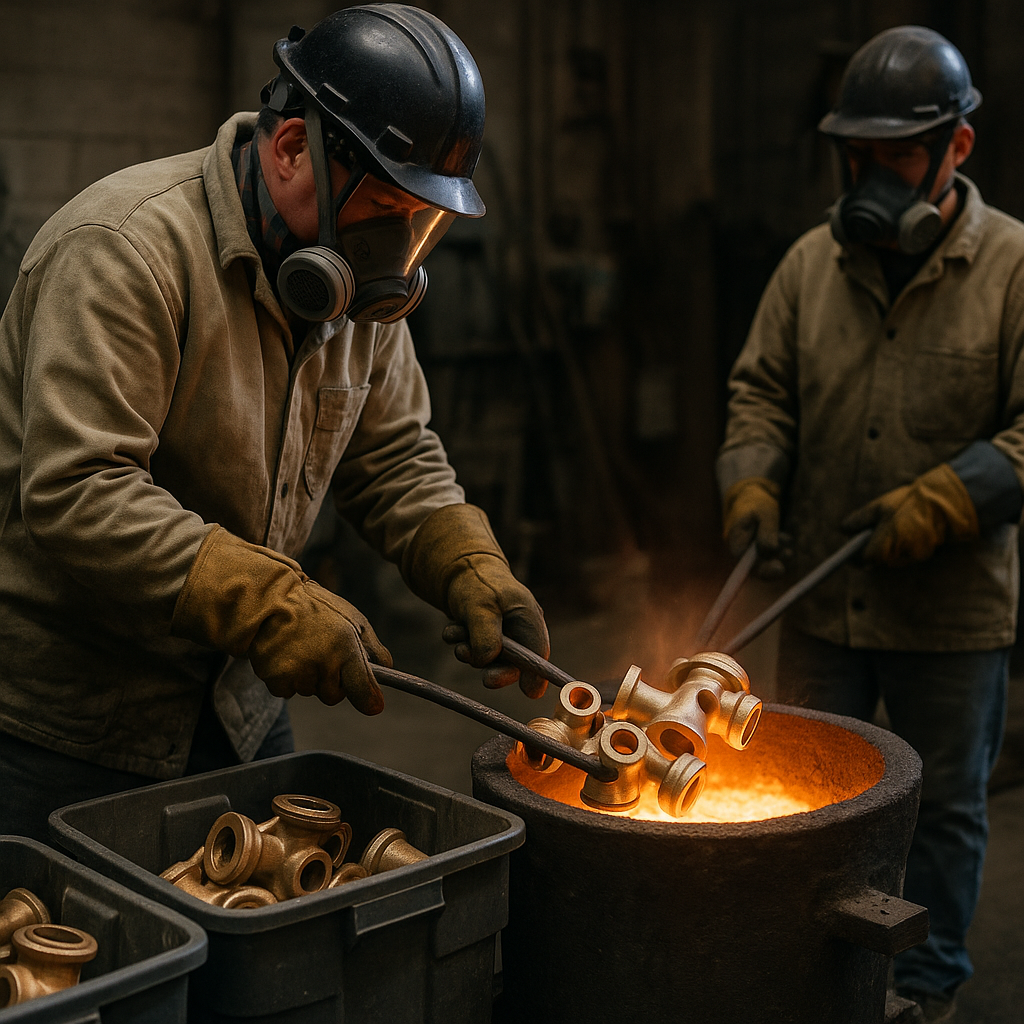
Bronze valve recycling begins with systematic collection of bronze scrap from various industrial and commercial sources. Old valves, pipe fittings, and other bronze components are gathered primarily through scrap yards and direct partnerships with facilities upgrading their systems. This collection phase ensures a steady supply of materials for processing.
Once collected, bronze scrap undergoes careful segregation using advanced spectrometer technology. This equipment identifies different bronze alloy compositions and separates materials based on their specific copper and tin content. The segregation process removes non-metallic impurities such as plastic components, gaskets, and other foreign materials that may be attached to valve assemblies.
Sorting and Preparation Methods
Sorting bronze alloys requires precise identification of each material type. Different bronze compositions, such as phosphor bronze or aluminum bronze commonly found in valves, must be separated to maintain alloy integrity during recycling. Each alloy type has distinct properties that affect melting temperatures and final product quality.
The sorted bronze scrap then undergoes size reduction through shredding and cutting processes. Mechanical equipment breaks down larger valve components into smaller, more manageable pieces. This preparation step increases surface area and ensures more efficient melting during the next phase of recycling.
Melting and Refining Operations
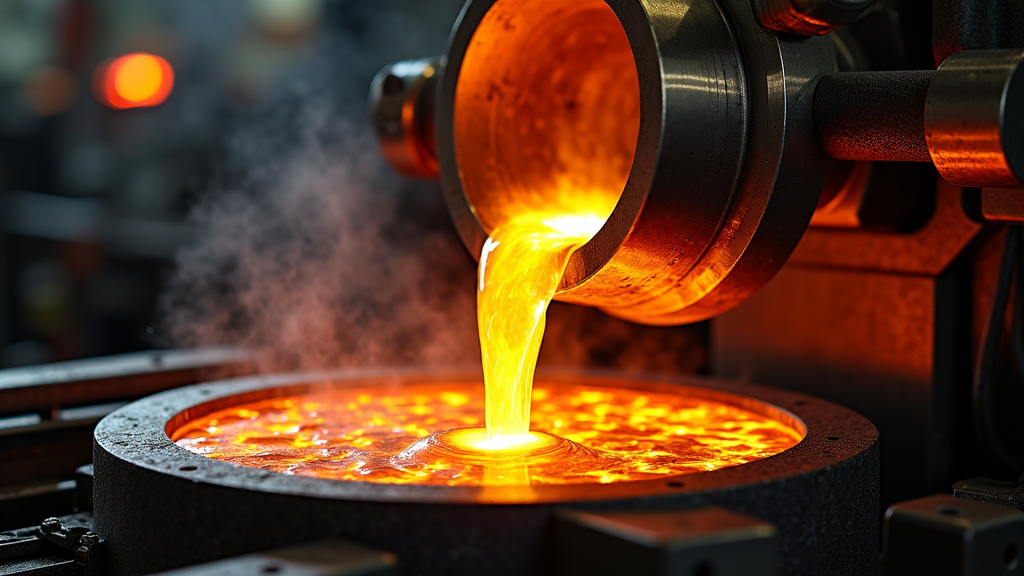
Bronze scrap enters high-temperature induction furnaces where it reaches molten state. These furnaces operate at precisely controlled temperatures to prevent oxidation and maintain the specific properties of each bronze alloy. The melting process typically takes several hours depending on the volume and type of material being processed.
During the molten phase, impurities rise to the surface and are removed through skimming operations. Chemical composition adjustments occur at this stage to ensure the recycled bronze meets industry specifications. Quality control measures monitor copper and tin ratios to maintain the performance characteristics required for new valve manufacturing.
Casting and Final Processing
Molten bronze is poured into predetermined mold shapes to create ingots, bars, or other semi-finished products. These casting operations require precise temperature control to prevent defects and ensure uniform material properties. The casting process transforms liquid metal back into solid forms suitable for manufacturing applications.
After cooling, the cast bronze undergoes final inspection and testing procedures. Quality assurance teams verify chemical composition and mechanical properties meet specifications for valve production. The recycled bronze is then ready for distribution to manufacturers who will create new valve components and other bronze products.
This systematic approach to bronze valve recycling ensures maximum material recovery while maintaining the high-performance characteristics required in industrial applications. The process conserves natural resources and reduces energy consumption compared to primary bronze production from raw materials.
What are the Main Benefits of Recycling Bronze?
Environmental Resource Conservation
Bronze recycling delivers substantial environmental advantages by conserving finite natural resources. The process significantly reduces demand for copper and tin ore extraction. Mining these raw materials causes habitat disruption, soil degradation, and water pollution across extraction sites.
By recycling existing bronze materials, we preserve natural ecosystems that would otherwise face mining operations. This conservation approach protects biodiversity while maintaining the material supply chain. The reduced mining activity also prevents the release of greenhouse gas emissions associated with ore processing.
Energy Efficiency and Emissions Reduction
Recycling bronze requires dramatically less energy compared to primary metal production from raw ores. The melting and reprocessing of existing bronze consumes only a fraction of the energy needed for virgin material extraction and refining. This energy efficiency translates directly into lower carbon dioxide emissions and reduced fossil fuel consumption.
The recycling of alloyed metals like bronze produces significantly fewer harmful pollutants compared to traditional production methods. Manufacturing facilities can reduce their overall environmental footprint through increased use of recycled bronze materials. These emission reductions contribute meaningfully to climate change mitigation efforts across the metals industry.
Economic Value Creation
The bronze recycling industry generates substantial economic benefits through job creation and revenue generation. Collection, transportation, processing, and refining operations provide employment opportunities across multiple skill levels. These positions range from material handlers to specialized technicians operating advanced sorting and purification equipment.
Recycling also reduces production costs for manufacturers by providing a more affordable alternative to virgin materials. The cost savings from using recycled bronze can be significant, especially when raw material prices fluctuate. This economic efficiency helps maintain competitive pricing while supporting sustainable manufacturing practices.
Waste Stream Management
Bronze recycling diverts valuable materials from landfills and waste management systems. Construction projects, manufacturing facilities, and artistic installations generate substantial amounts of bronze waste that would otherwise require disposal. Recycling these materials extends landfill capacity while reducing the environmental burden of waste management operations.
The circular economy approach keeps bronze materials in productive use rather than permanent disposal. This system reduces the need for new disposal sites and minimizes methane emissions from decomposing materials in landfills. Effective waste stream management through recycling supports broader sustainability goals across industries that utilize bronze components.
Conclusion: The Value of Recycling Aluminum Bronze
Recycling aluminum bronze valves represents a strategic approach to resource management that delivers measurable environmental and economic benefits. This copper-based alloy maintains its material properties throughout multiple recycling cycles, requiring up to 95% less energy than primary production while supporting the circular economy through continuous material reuse. The scrap metal industry plays a crucial role in this process, transforming end-of-life components into valuable raw materials that reduce mining demands and minimize waste generation.
The long-term viability of aluminum bronze recycling extends beyond immediate cost savings to encompass broader environmental conservation goals and sustainable resource management practices. By choosing to recycle aluminum bronze components, industries actively participate in reducing their carbon footprint while maintaining access to high-quality materials for future applications. For professional aluminum bronze recycling services that support your sustainability objectives, contact Okon Recycling at 214-717-4083.
Send Us a Message
Questions about what we do? Interested in commercial services? Let us know below and a member of our team will get back to you.