5901 Botham Jean Blvd, Dallas, TX 75215
What Are Your Options When You Need to Sell Excavator Final Drives for Scrap?
December 16, 2025Every year, thousands of excavator final drives reach the end of their operational life. While many operators see a failed hydraulic motor as a disposal problem, the industry is shifting toward high-value material recovery. Instead of merely discarding these heavy assemblies, specialized metal recycling and asset recovery programs allow facilities to capture the maximum value from the complex alloys and components found inside.
In the world of industrial recycling, excavator final drives are much more than bulk iron. Professional material recovery facilities recognize that even non-functional units contain high-grade gears, housings, and hydraulic components. These elements are prime candidates for remanufacturing—a process that uses 80% less energy than producing new parts from virgin ore—while generating substantially higher returns than traditional scrap metal sales.
Equipment operators often overlook specialized core buyback and component-based recovery services. These programs treat final drives as repositories of reusable technical materials rather than common waste. Understanding these recycling alternatives transforms a disposal cost into a revenue opportunity while supporting a circular economy through responsible metal reclamation.
Advanced Material Recovery Options for Final Drives
When an excavator final drive reaches the end of its service life, the disposal pathway chosen determines the environmental and financial impact. Evaluating recycling strategies helps maximize the reclamation of rare alloys while minimizing the carbon footprint of the equipment’s lifecycle.
High-Volume Scrap Metal Recycling
The most basic level of scrap metal recycling involves selling final drives based on their weight. This method requires minimal preparation and is a staple for site cleanups. Recyclers assess value based on current commodity prices for heavy melting steel (HMS) and other base metals.
While this is a valid waste diversion tactic, the financial return is limited. A typical final drive weighing 200-300 pounds is processed as ferrous scrap. This represents a foundational form of recycling, ensuring that the steel is melted down and reused in new manufacturing, though it bypasses the higher-value reuse of specific internal components.
The Core Buyback: A Specialized Recycling Initiative
Specialized core recovery programs offer a more sophisticated form of recycling. These initiatives purchase “cores”—the intact hydraulic and mechanical shells—to prevent them from being shredded. By recognizing the value of the engineering already “embedded” in the metal, these programs offer a premium over standard scrap rates.
These recovery efforts secure inventory for remanufacturing cycles. Units are evaluated for their potential to be stripped down, with usable gears, bearings, and hydraulic housings cleaned and tested for secondary use. This keeps high-performance alloys in the supply chain longer, reducing the ecological impact of new parts production.
Precision Component Recovery
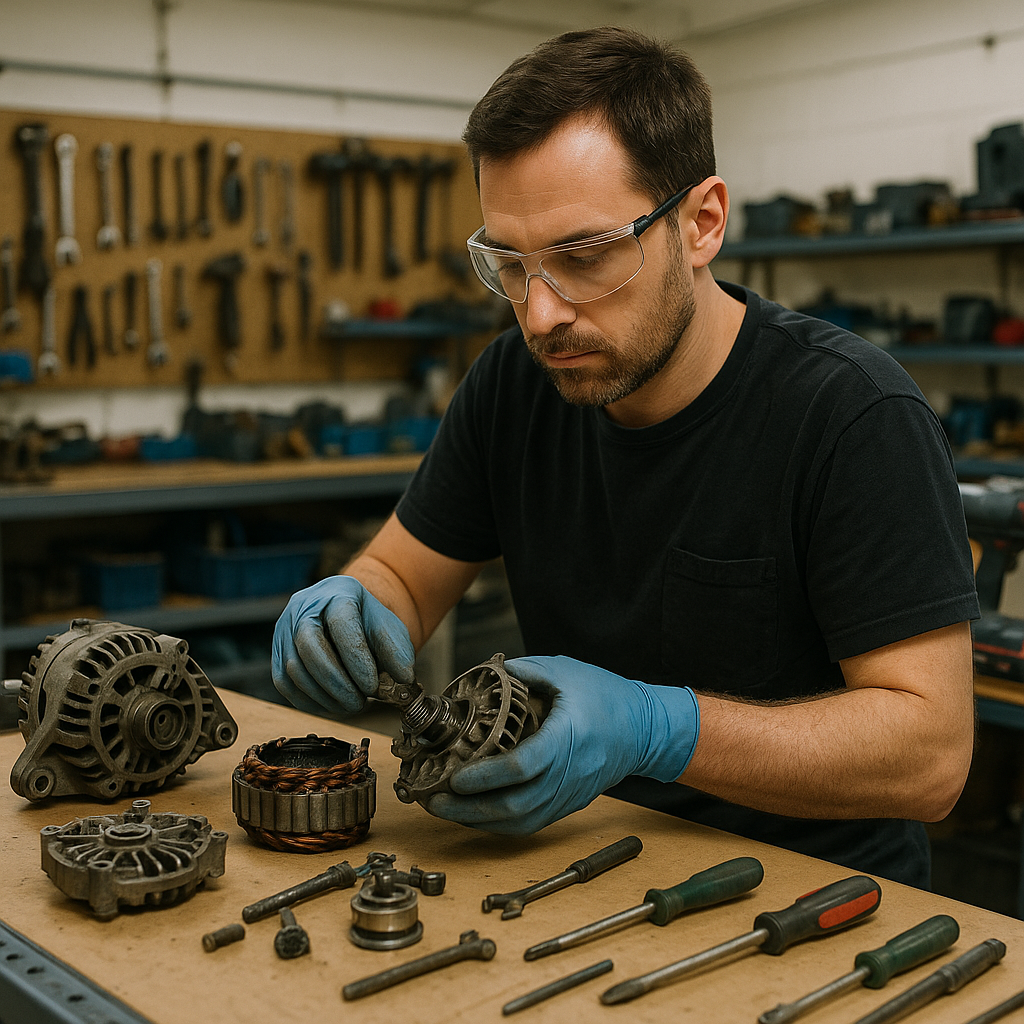
For operations with technical expertise, component-based recycling yields the highest sustainability and financial returns. By disassembling the drive, operators can separate different metal grades—such as high-tensile steel gears from cast iron housings—ensuring each stream is recycled at its highest purity level.
Gear sets, hydraulic motors, and specialized seals maintain independent market value. Operators who invest time in material segregation can realize cumulative returns that far exceed bulk scrap disposal, as each recovered part serves a specific niche in the global secondary parts market.
Scrap Metal Value vs. Material Reclamation
The financial and environmental gap between simple scrap metal value and component reclamation is significant. When heavy equipment is decommissioned, the goal should be to preserve the highest utility of the materials involved.
Traditional scrap recycling involves crushing the equipment into raw feed for steel mills. While this supports landfill diversion, it is energy-intensive compared to reclamation. Component-based recovery identifies parts like engines, pumps, and transmissions that can be cleaned and returned to service with minimal reprocessing.
Sustainability Through Component Appraisal
Professional recovery assessments examine each part independently. Instead of viewing a final drive as a single lump of steel, specialists identify high-value internal components. This resource efficiency ensures that complex assemblies are not downgraded to low-grade scrap prematurely.
Professional appraisers estimate the salvage value by auditing the condition of internal technical metals. Reselling individual components for reuse typically offsets the carbon footprint of a facility’s operations far more effectively than bulk recycling alone, as it delays the need for energy-heavy smelting.
The Circular Economy of Final Drive Cores
A final drive core represents a vital link in the industrial circular economy. Even a failed motor contains a housing and mechanical elements that are virtually indestructible under normal conditions. These components are perfect candidates for closed-loop recycling.
Unlike traditional scrapping, core buyback programs incentivize operators to keep these units out of the waste stream. By offering set prices for specific models, recovery specialists ensure a steady flow of materials for re-production. This approach transforms obsolete machinery into a renewable source of industrial components.
The remanufacturing foundation of these initiatives is a masterclass in sustainable manufacturing. Usable parts are salvaged from cores and restored to original equipment manufacturer (OEM) standards through precision machining and quality testing. These remanufactured parts then provide a cost-effective, eco-friendly alternative for equipment maintenance.
Conclusion: Advancing Industrial Sustainability
Recycling excavator final drives is a strategic decision that balances environmental responsibility with fiscal health. While basic scrap metal recycling is a good start, higher-level material recovery and core buyback programs offer a more sustainable path forward for the heavy equipment industry. By valuing the technical components of these machines, you can unlock working capital while reducing the global demand for new raw materials.
Partnering with recovery specialists who understand the remanufacturing potential of your fleet ensures that end-of-life equipment remains a valuable resource.
For expert guidance on recycling excavator final drives and optimizing your heavy equipment recovery strategy, contact Okon Recycling at 214-717-4083.
Send Us a Message
Questions about what we do? Interested in commercial services? Let us know below and a member of our team will get back to you.